
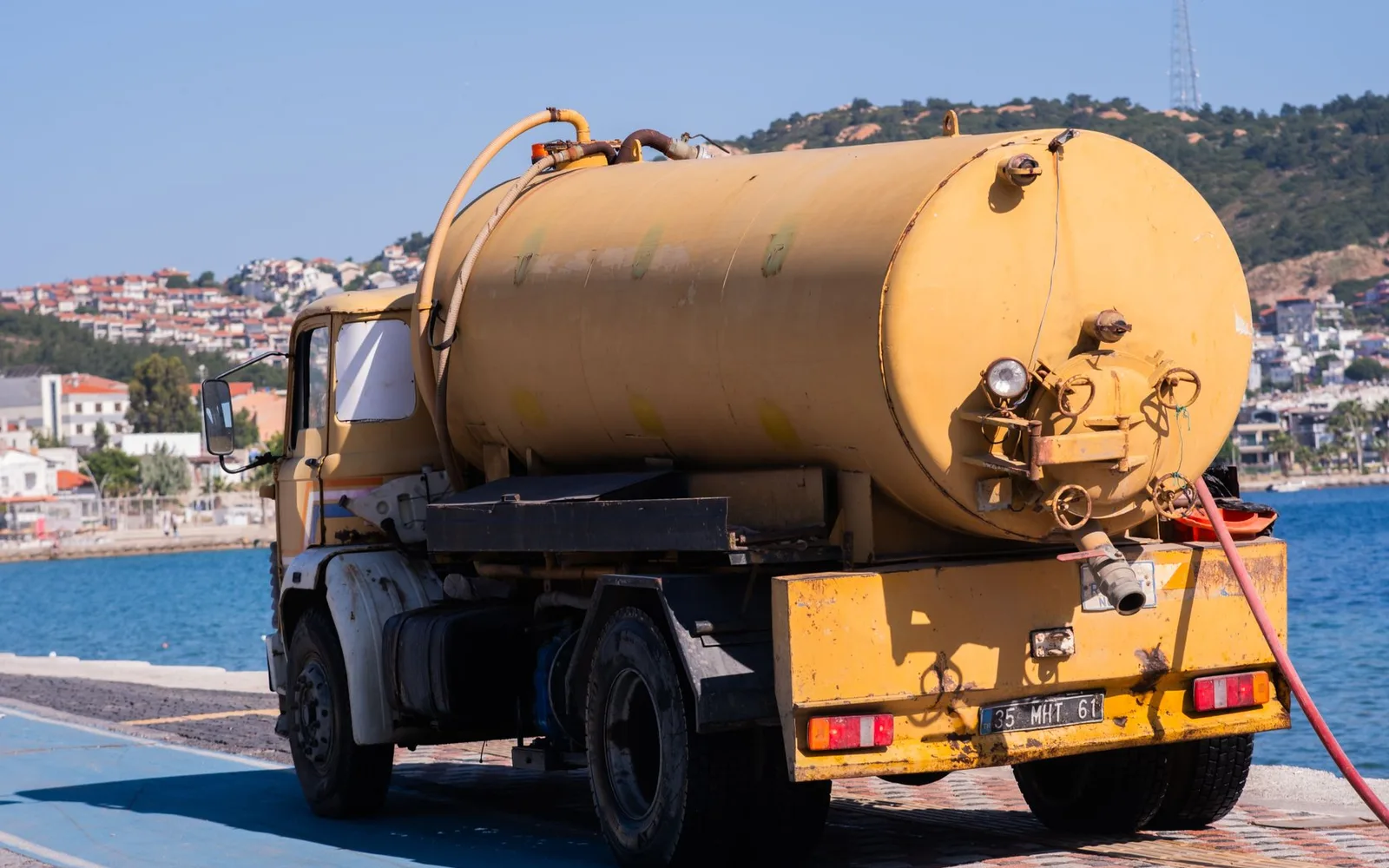
Water tank sealing in Al Balad Jeddah
Al Balad is the historic heart of Jeddah, and its ancient coral limestone buildings hold water tanks set into roofs and tight spaces between old stone walls. Tanks here leak through weak joints in old coral stone and cracks in century-old mortar. High coastal humidity accelerates the decay. Sealing work must respect the heritage structure and avoid damaging wooden rawashin and ancient walls.
-
Potable-rated materials
Linings and disinfectants cleared for drinking water tanks, not general-purpose products.
-
You get the downtime first
How many hours the tank is out of service, told before we start rather than after we finish.
-
A first-draw flush
We run the first draw off after refilling, and the tank is not handed back until the water runs clear.
-
Ground and roof tanks
Villas, apartment blocks and premises that need a written record of each visit.
Why the job is different in Al Balad
Tanks in Al Balad are very old, built decades ago from coral limestone or cracked ancient cement. The method is set out in full on our Water tank sealing service.
Tanks carved into stone building roofs
Tanks here are cut directly into massive stone roofs or built within very thick stone walls. Old coral limestone is porous and weakens easily, and cracks appear over decades.
Joint failure and stone seams
Coral limestone joints are weak and old mortar has eroded. Water seeps through these failed seams and cracks, especially at corners and floor edges and around pipe entries.
High coastal humidity and salt in the air
Al Balad lies very close to Jeddah's coast, and the air carries high salinity that rusts steel and weakens cement. Moisture and salt penetrate weak tanks and contaminate water.
The character of Al Balad
Historic district: close-set buildings, narrow lanes and ageing services
Al Balad is a historic quarter built in coral stone with dense, tightly packed buildings, and tanks are part of the heritage fabric. Sealing must take care not to damage old wooden sections and rawashin, and use materials compatible with fragile coral limestone.
What we read before any material is opened
A UNESCO-listed historic quarter with very old coral stone buildings and carved wooden rawashin, surrounded by Al Alawi and Bedouin souqs, Bab Makkah, Bab Sharif, Nassif House and Al Shafi'i Mosque.
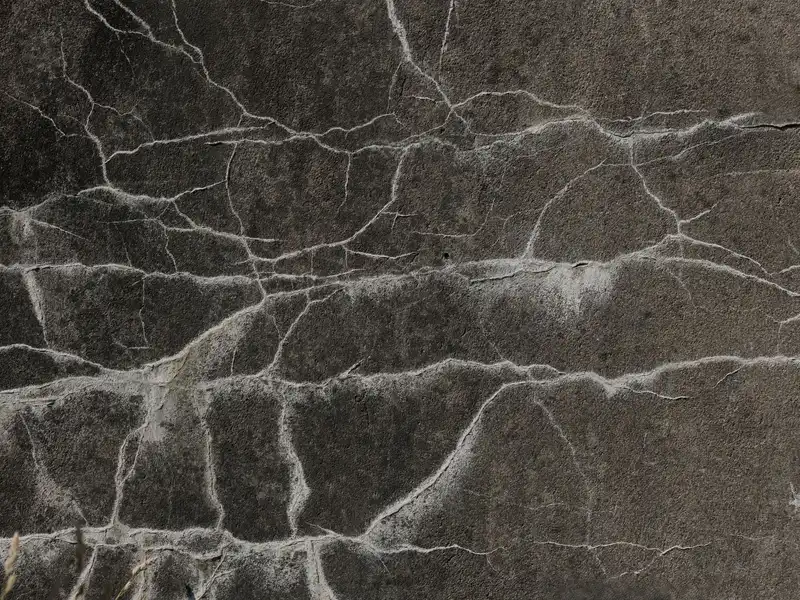
Cracking in the wall
The tank's internal surface holds lime deposits, green algae and white salt crusts from old saline water.
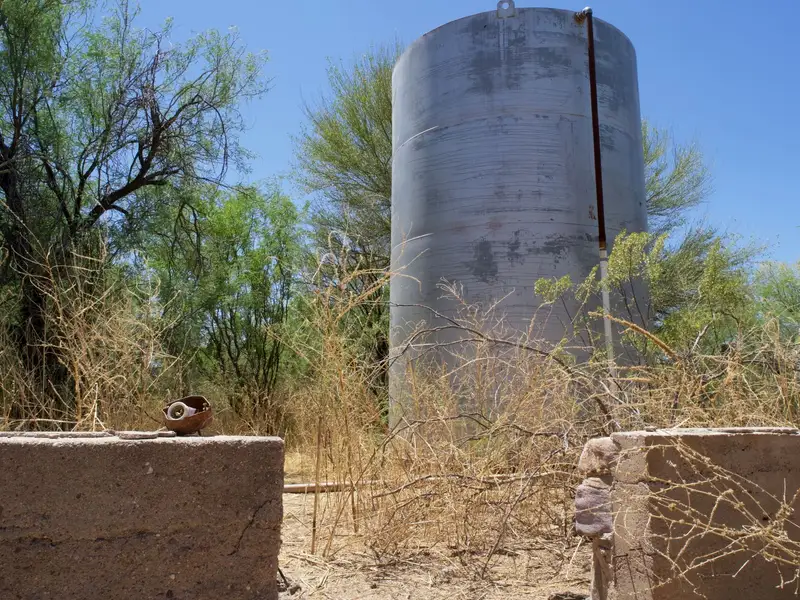
The floor to wall joint
Cracks start at floor and wall corners and spread through weak coral limestone, especially where walls meet the floor.
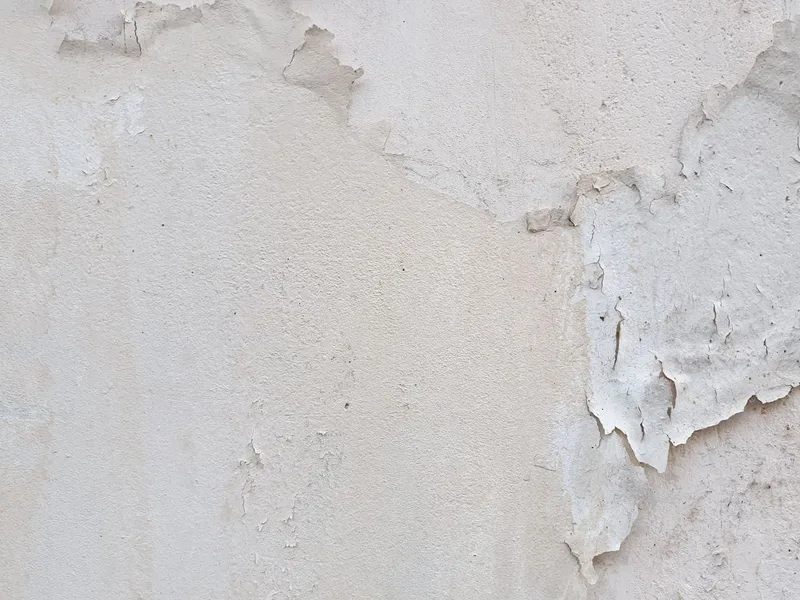
The condition of the old lining
Stone joints and old mortar are very eroded and allow water and salt-laden air to penetrate.
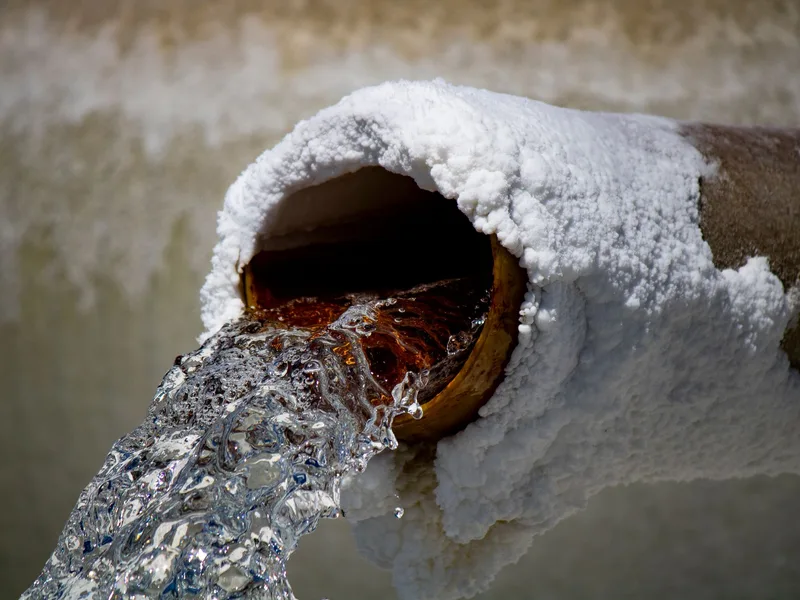
Sediment and scale
Moisture is very high because Al Balad is close to the coast and the air carries constant salinity and humidity.
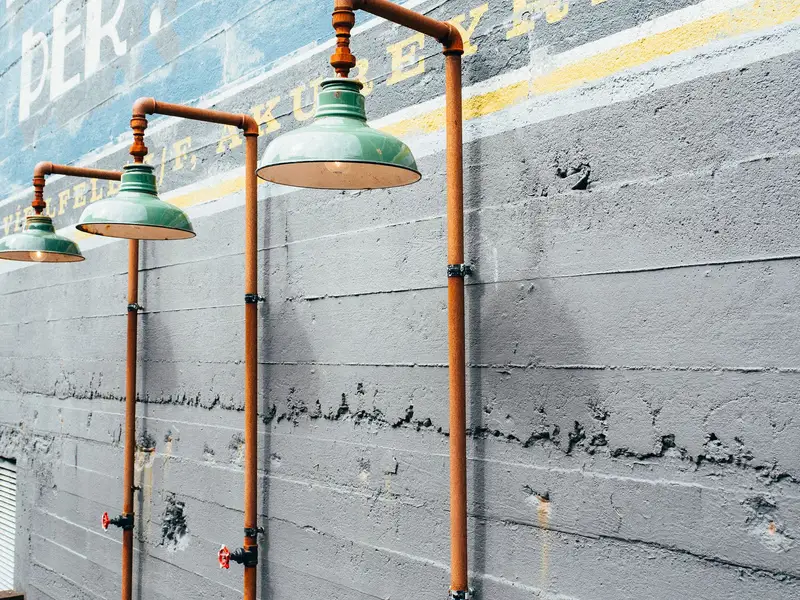
The pipe entries
The main holding area is the stone tank basin itself, and sediment has accumulated over years.
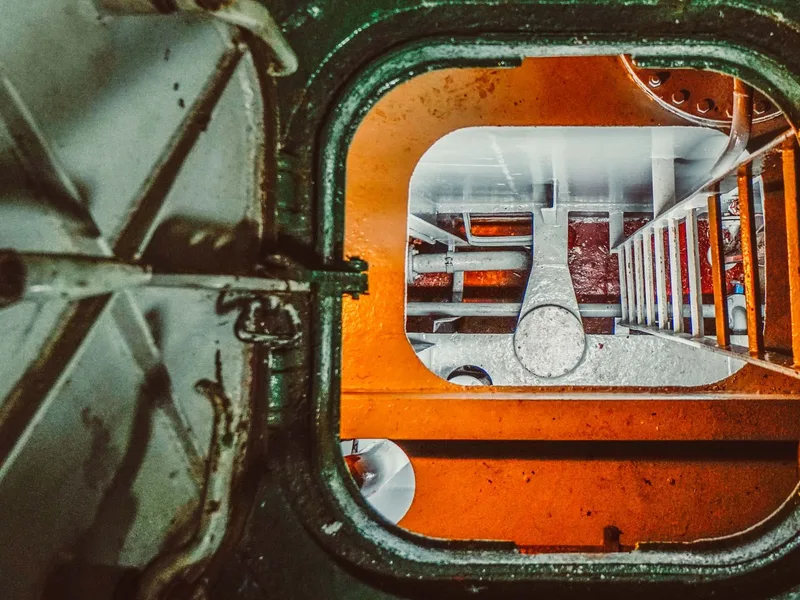
The hatch and the vent
Leakage is most visible after heavy use periods and damp weather.
How we work
-
1
Inspect with the tank empty
We drain it and read the surface dry: whether the water leaves through a crack, a joint or a pipe collar, and what the outer face of the wall and the ceiling below are telling us. A level test with the valves closed separates a leaking tank from leaking pipework.
-
2
Clean and prepare the substrate
Sediment out, a high pressure wash, the loose old lining and the weak surface layer of the concrete taken back, then dried. The material grips sound substrate and nothing else.
-
3
Make the cracks and joints good
Cracks are chased out and filled with a repair mortar, a cove is formed where the floor meets the wall, and every pipe collar is treated on its own.
-
4
Lining, fill test, sterilisation
Successive coats, each run across the one beneath it, on the face the water touches. Then a full cure, a fill with the level watched, and sterilisation with the first fill run to waste before the tank returns to use.
What water tank sealing includes
-

Finding where the water leaves
Carried out drained and dry: cracks, joints, pipe collars and the outer face of the wall.
-

Draining and sediment removal
The last of the water and the settled layer on the floor come out, because a lining does not stick over sediment.
-

Cracks and joints made good
The crack opened and filled, a cove formed at the floor to wall junction, and each pipe entry worked separately.
-

Lining coats on the water face
More than one coat, each crossing the one below, in material made for drinking water tanks rather than roof waterproofing.
-

Curing, fill test and sterilisation
The material is left to cure, the tank is filled and the level watched, then sterilised and the first fill run to waste. How long the cure takes follows the material and the weather, and we tell you before the date so you can plan around the supply.
-

A follow-up level check
We come back once it is in service to read the level and check the outer face, because any remaining loss shows up then rather than on the day of the work.
What is different about Al Balad Sub-Municipality
Al Balad sub municipality covers the historic core of Jeddah and the districts that first grew outside its wall. Its building stock is the oldest in the city: heritage stone houses and apartment blocks from past decades, threaded with hotels, shops and crowded popular markets around Bab Makkah, Bab Sharif and the Kandarah Souq. Nearness to the sea, the Islamic Port and the Arbaeen lagoon keeps humidity high all year, water and drainage networks are old, and narrow lanes, dense eateries and commercial storerooms put food and shelter within reach at every corner.
Questions about this district
Why do stone tanks in Al Balad leak more than modern tanks?
Old coral limestone is porous and very weak. Mortar and joints have eroded over time. Salt and moisture from coastal air accelerate decay.
Does a weak tank affect water quality in Al Balad?
Yes. Leaks and moisture introduce bacteria and salts. Old tanks may harbour sediment and algae from years of slow seepage.
Can a tank be sealed without complete draining?
No. Full drainage is required because we must clean the internal surface, remove sediment and algae, and sterilise before sealing begins.
Does tank work damage the old wooden rawashin and stone walls nearby?
No if we work carefully. We avoid excess water and heavy tools near the old wooden sections.
How often does a tank need resealing in Al Balad?
It depends on water quality and salt exposure. In Al Balad, resealing may be needed every 5 to 10 years because of high salinity.
Do old iron pipes rust quickly in Al Balad?
Yes. Coastal salt accelerates rust greatly. We focus on sealing the pipe entry and all joints around pipe penetrations.
How much does water tank sealing in Al Balad cost?
It is set after the inspection, because the price follows the type of infestation, the size of the space, how far it has spread and the number of visits it needs. Send a photo and a description on WhatsApp and we will give you an estimate before we reach Al Balad.
Nearby districts we cover
Other services in Al Balad
Other services we provide to residents of Al Balad.
-
 Water tanks
Water tank cleaning
-
 Water tanks
Water tank sterilization
-
 Water tanks
Tank leak repair
-
 Residential
Cockroach control
Need water tank sealing in Al Balad? Tell us what you saw and we will tell you what it needs
We reach Al Balad at a time we agree, and you get the full cost before we start.