
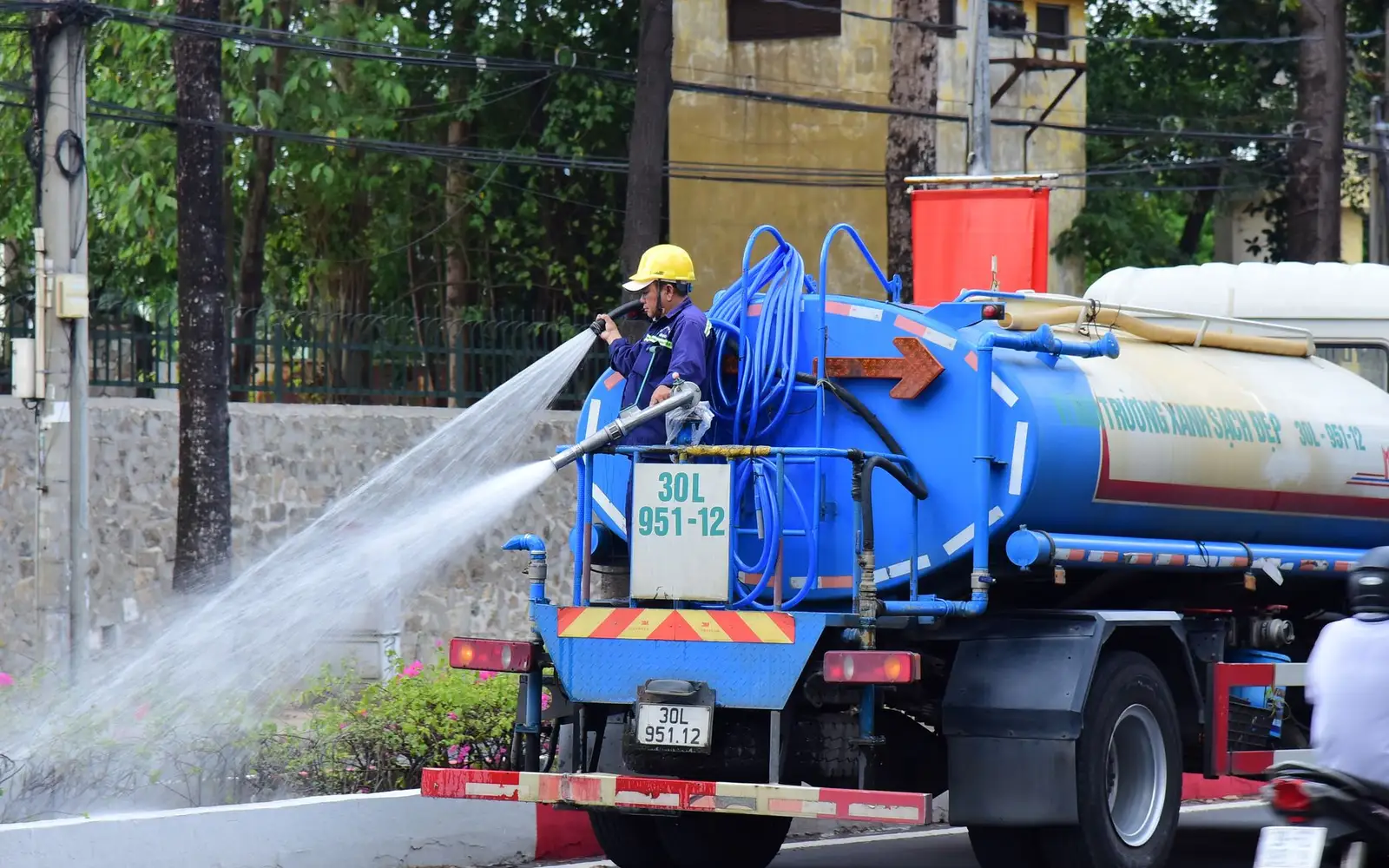
Water tank cleaning in Al Hijrah Makkah
Al Hijrah is an apartment district south of the Grand Mosque at the foot of Jabal Thawr, where blocks press against the rocky slopes between the Third and Fourth Ring Roads. Tanks sit on very high rooftops, water travels through long vertical pipes under high pressure, and dust and fragments from the mountain enter through cracks.
-
Potable-rated materials
Linings and disinfectants cleared for drinking water tanks, not general-purpose products.
-
You get the downtime first
How many hours the tank is out of service, told before we start rather than after we finish.
-
A first-draw flush
We run the first draw off after refilling, and the tank is not handed back until the water runs clear.
-
Ground and roof tanks
Villas, apartment blocks and premises that need a written record of each visit.
Why the job is different in Al Hijrah
Fractures in the mountain walls allow groundwater to seep into tanks from the sides, bringing minerals from the rock and red earth that colours the water and loads the sediment. The method is set out in full on what Water tank cleaning involves.
Tanks sit on steep mountain slopes
Building tanks on the slopes of Jabal Thawr means the base is not level, and water does not distribute evenly across the floor. Sediment collects in the lowest corner of the slope, and cleaning must account for this asymmetry and drain the concentrated deposit there.
Rock fragments and red earth seep through cracks
Jabal Thawr is fractured rock, and tanks embedded in its slopes receive groundwater through cracks that carries stone particles and red mountain earth. Cleaning extracts this earth from the floor and walls where it settles into a dense layer.
Long vertical pipes trap mineral deposits
Water drops from the rooftop tank through great height, pressure fluctuates constantly, and mineral salts crystallise at points of low pressure in the tall vertical runs, forming thick deposits that constrict flow.
Landmarks of Al Hijrah
Al Hijrah lies between Jabal Thawr to the east and Al Noor Specialist Hospital to the west, with tanks scattered on rooftops across the hillside. They are reached from Dhat An Nitaqain Street or along the building pathways that climb between the apartment blocks.
- Jabal Thawr
- Cave of Thawr
- Al Noor Specialist Hospital
- Third Ring Road
- Dhat An Nitaqain Street
- Al Bukhari Mosque
The condition of the tank decides the method
A hilly district with steep slopes, tanks perched on high rooftops and foundations anchored to rocky hillsides. Rain runs fast over the slopes carrying earth and small stones that find their way into the water system.
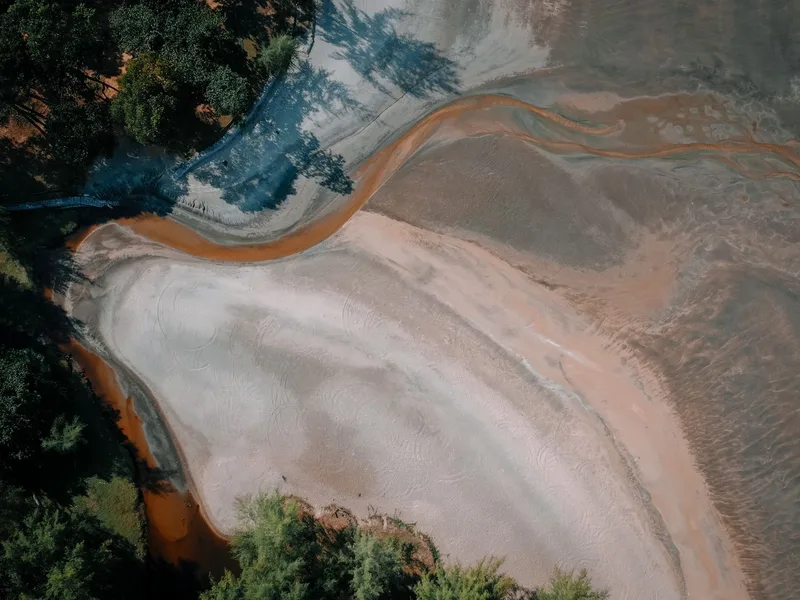
The layer on the floor
The floor layer accumulates in the lowest corner of the slope because the tank is not level, and sediment-laden water flows toward the low point.
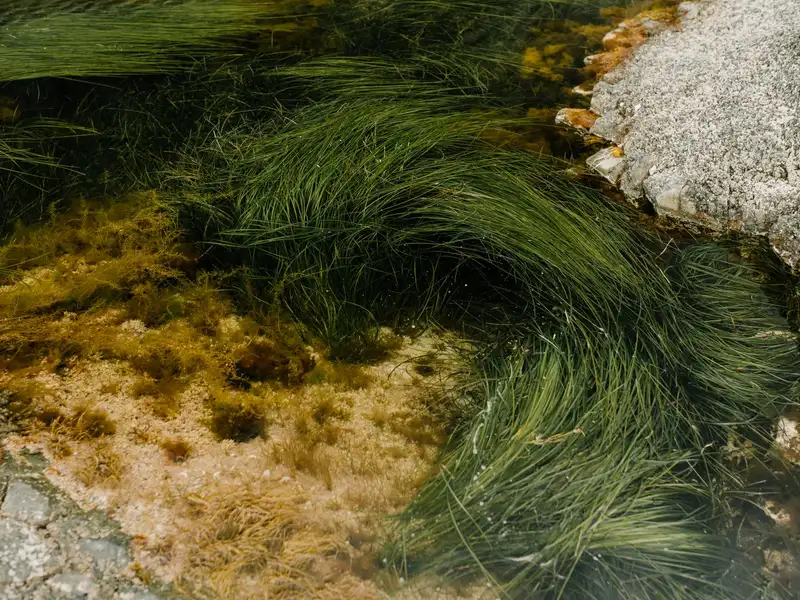
Light and algae
Algae grow quickly on tank walls in high-altitude, sunlit locations, and warm water from roof exposure accelerates growth if light penetrates the tank.
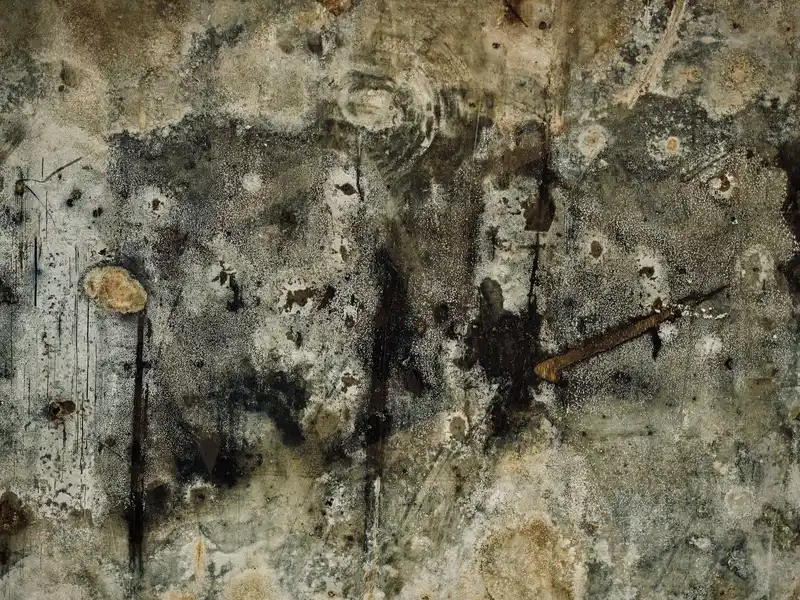
The deposit on the wall
The wall deposit is red and white: red from mountain earth and white from mineral salts crystallised from the groundwater seeping through rock.
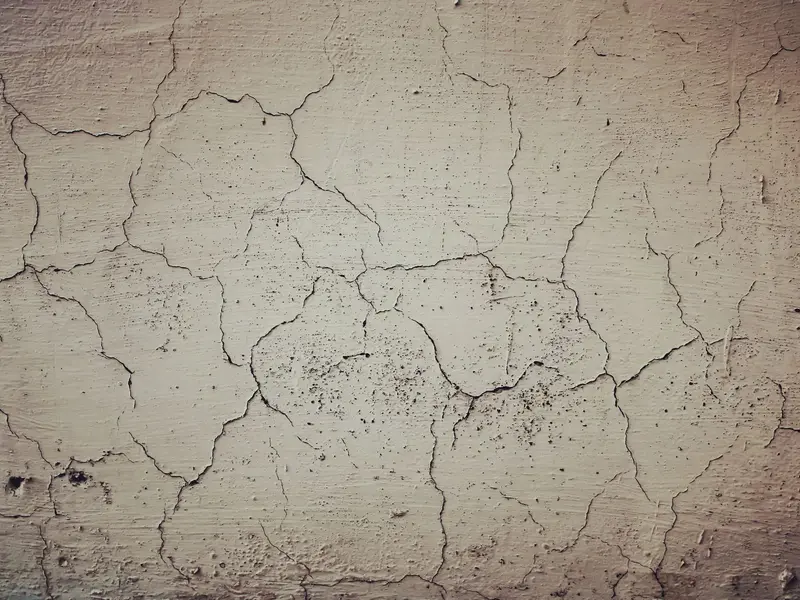
The lining and hairline cracks
Hairline cracks start at the tank base on a slope because pressure is not uniform and the tank shell experiences seepage pressure from behind.
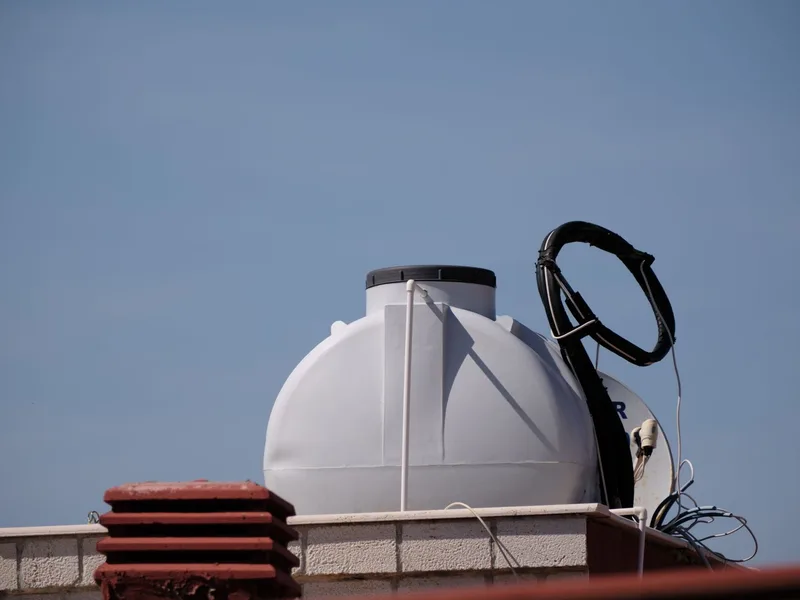
The lid and the access hatch
The lid and access hatch are difficult to reach if the tank sits on a distant rooftop, and they collect mountain dust around the opening that must be cleared.
The vent and the overflow pipe
The vent opening on slope tanks gathers dust and exhaust from the nearby ring roads, so it needs regular clearing to maintain air circulation.
How we work
-
1
Inspect before the drain
Tank type and material, the condition of the lining, the depth of the sediment, the lid and the vent, and where the drained water will go. We agree the window without supply before anything is opened.
-
2
Drain, then lift the sludge
The water leaves through the outlet, then the layer beneath it is taken out by hand and by suction. That layer is the reason for the visit, not the water that ran out ahead of it.
-
3
High pressure wash
Walls, floor and the joint where they meet, with a brush wherever the film resists, then the wash water is taken out completely so nothing we lifted settles again.
-
4
Disinfect and put back in service
Disinfectant over every internal surface, left for its contact time and then rinsed out, followed by the refill, a first draw off at the taps, and a report on what was inside the tank.
What water tank cleaning includes
-

An inspection before the valve
Tank type, lining condition, depth of sediment, lid and vent, recorded before any water leaves.
-

Full drain and sediment removal
The water through the outlet, and the layer below it by hand and by suction until the floor itself is showing.
-

Pressure washing walls and floor
High pressure across the surfaces and corners, and a brush on anything water alone will not lift.
-

Disinfection after the wash
A disinfectant intended for drinking water tanks, named to you before it is used, left for its contact time and then rinsed out.
-

Refill and the first draw off
We refill, run the taps so the new water moves through the pipework, and tell you when it is ready to use.
-

A report and the next date
What was inside the tank, anything on the lid or the lining that needs repair, and a sensible date for the next clean.
What is different about Al Shawqiyah Sub-Municipality
Al Shawqiyah sub municipality runs south from the Third Ring Road to the city's edge on the Al Layth road and the Jeddah expressway. Planned districts such as Al Shawqiyah, Al Malik Fahd and Bathaa Quraish have wide streets, villas and apartment blocks, while schemes in Wali Al Ahd are being built out and informal housing in Al Ukayshiyah and Al Zuhur is being cleared. The vegetable market and livestock auction at Souq Al Halaqa, open construction sites, the rocky slopes of Jabal Thawr and sewers still being laid through the southern fringe offer exposed food, shelter and moisture.
Questions about this district
Why is the water reddish from mountain earth in the lower flats of the towers?
Red earth from fractures in Jabal Thawr enters tanks from below, and sediment-heavy water sinks in the vertical pipes, so lower storeys receive it first, carrying the red mineral content.
The tank leaks from the walls because of mountain moisture. Is this normal?
Tanks embedded in the hillside sit under high external moisture pressure. Leaks from walls may be pores in the concrete or a foundation that was not properly sealed against the soil around it.
After heavy rain, the water turns cloudy very quickly. Why?
Groundwater seeping in through rock fractures increases sharply after rain and carries more earth. Regular cleaning after heavy downpours is necessary to manage the sediment load.
Does the tank on the high roof need thermal insulation from the sun?
Tanks at high elevation and in direct sun do warm the water, but heat alone does not cause cloudiness. Heat does accelerate algae growth if light reaches the water inside.
When should we clean the tank after heavy rain, two days later or right away?
Wait two or three days after rain so sediment settles and any damage becomes visible. Immediate cleaning may remove suspended sediment but leaves bacterial growth behind.
Do you clean very tall apartment tower tanks on mountain slopes?
Yes, but access and scaffolding safety must be verified first. Some rooftop tanks are at heights that require specialised climbing equipment and certified personnel.
How much does water tank cleaning in Al Hijrah cost?
It is set after the inspection, because the price follows the type of infestation, the size of the space, how far it has spread and the number of visits it needs. Send a photo and a description on WhatsApp and we will give you an estimate before we reach Al Hijrah.
Nearby districts we cover
Other services in Al Hijrah
Other services we provide to residents of Al Hijrah.
-
 Residential
Cockroach control
Residential
Cockroach control
-
 Residential
Bed bug control
Residential
Bed bug control
-
 Residential
Termite control
Residential
Termite control
-
 Residential
Rodents and mice
Residential
Rodents and mice
-
 Residential
Mosquito control
Residential
Mosquito control
-
 Residential
Fly control
Residential
Fly control
-
 Residential
Ant control
Residential
Ant control
-
 Residential
Gecko control
Residential
Gecko control
-
 Residential
Scorpion control
Residential
Scorpion control
-
 Residential
Snake control
Residential
Snake control
-
 Residential
Flea control
Residential
Flea control
-
 Residential
Bird and pigeon control
Residential
Bird and pigeon control
-
 Residential
Preventive treatment
Residential
Preventive treatment
-
 Residential
Disinfection
Residential
Disinfection
-
 Commercial
Annual contracts
Commercial
Annual contracts
-
 Commercial
Restaurants and cafes
Commercial
Restaurants and cafes
-
 Commercial
Hotels and apartments
Commercial
Hotels and apartments
-
 Commercial
Warehouses and factories
Commercial
Warehouses and factories
-
 Commercial
Schools and nurseries
Commercial
Schools and nurseries
-
 Commercial
Retail and malls
Commercial
Retail and malls
-
 Commercial
Rest houses and farms
Commercial
Rest houses and farms
-
 Commercial
Fumigation
Commercial
Fumigation
-
 Water tanks
Water tank sterilization
Water tanks
Water tank sterilization
-
 Water tanks
Water tank sealing
Water tanks
Water tank sealing
-
 Water tanks
Tank leak repair
Water tanks
Tank leak repair
Need water tank cleaning in Al Hijrah? Tell us what you saw and we will tell you what it needs
We reach Al Hijrah at a time we agree, and you get the full cost before we start.