
Water tank sterilization in Al Hijrah Makkah
Al Hijrah lies south of the Grand Mosque at the foot of Jabal Thawr, with dense apartment blocks pressed against rocky slopes. Water from the tanks travels through long pipe runs because they sit at high elevation, causing sediment and contaminants to accumulate heavily on tank floors. Sterilization here must account for the challenges of draining heavy deposits from elevated tanks.
-
Potable-rated materials
Linings and disinfectants cleared for drinking water tanks, not general-purpose products.
-
You get the downtime first
How many hours the tank is out of service, told before we start rather than after we finish.
-
A first-draw flush
We run the first draw off after refilling, and the tank is not handed back until the water runs clear.
-
Ground and roof tanks
Villas, apartment blocks and premises that need a written record of each visit.
Why the job is different in Al Hijrah
The apartment buildings here are old and roof tanks accumulate heavy sediment from corroded, outdated pipe networks. The method is set out in full on how we approach Water tank sterilization.
High tanks on roofs and steep slopes
Tanks sit on very high roofs because the district is built on a mountainside. The pressure from elevation stresses pipes and seals, and sediment accumulates faster.
Old corroded pipes and rust deposits
Pipes in these old buildings have corroded over decades, with rust flaking into the tank and forming dense layers. Wall washing alone is insufficient; heavy deposits must be removed by lifting the tank or pumping them out.
Heavy usage in dense apartment buildings
Apartment blocks here are very densely occupied and contain dozens of flats. Water consumption is high and tanks need frequent cleaning.
The character of Al Hijrah
Apartment district: residential blocks, repeated floors and shared entrances
Old apartment blocks here have very high roof tanks because the district is built on a slope. Sterilization must lift the tank or pump sediment from the floor because heavy deposits from corroded pipes settle deep.
What we read inside the tank before anything starts
A densely built old residential quarter south of the Grand Mosque at the base of Jabal Thawr, lying between the Third and Fourth Ring Roads, with apartment blocks, clinics and health facilities.
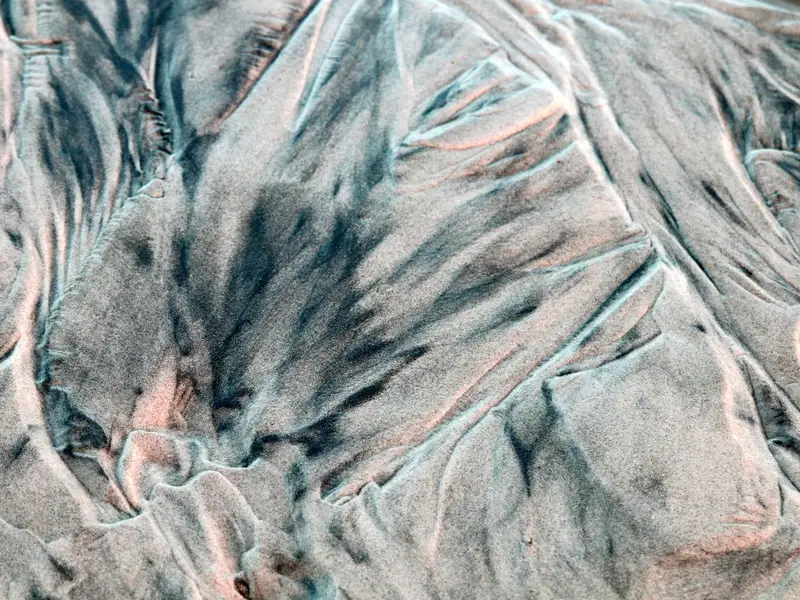
Sediment on the floor
Heavy sediment accumulates on the tank floor from rusted pipes and metals, needing suction or tank lifting for removal.
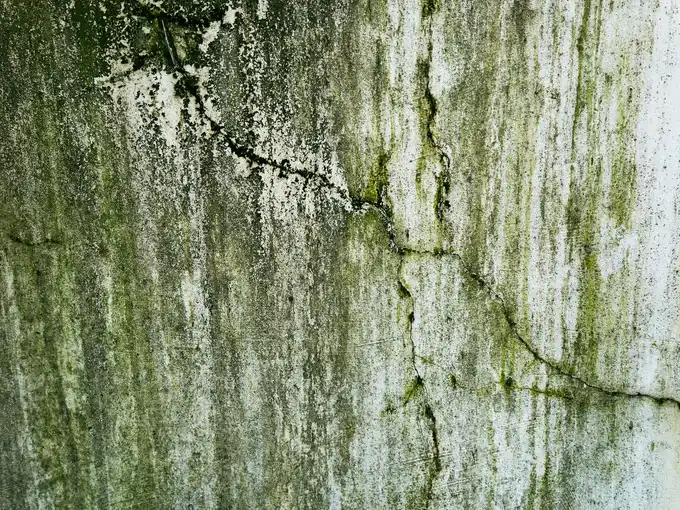
The slime film on the wall
The white and oily living layer on walls is thicker here due to high usage and elevated tank position.
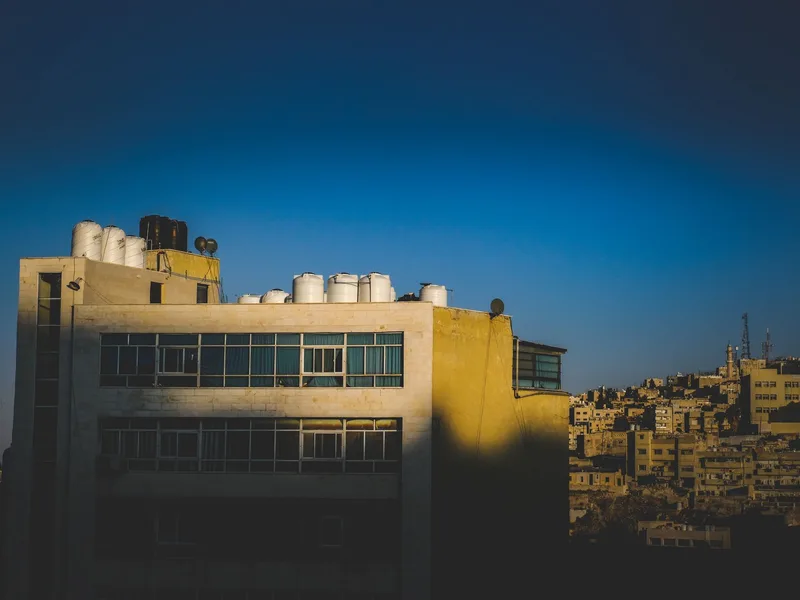
Light and heat
Long pipe runs from the high tank down to multiple flats collect sediment along their length and need forceful flushing.
The lining and any cracking
Moisture and condensation on very high roofs in the mountain increases microbial activity inside the tank.
The lid and the openings
Tank location on the high roof is protected from external contamination, but high pressure accelerates pipe breakdown and rust.
What shows up at the tap
Water sits longer in the tank because consumption varies, increasing sediment accumulation and cloudiness.
How we work
-
1
Inspect and record the condition
We open the hatch and work through what the tank is made of and how big it is, how deep the sediment lies, the state of the lining, whether the lid and the overflow seal, and whether there is a crack that has to be repaired before any sterilizing.
-
2
Drain and lift the sediment out
The water goes out, then the silt and sand are lifted off the floor by suction rather than pushed toward the outlet, because pushing them sends them into the house pipework and the heater.
-
3
High pressure wash
Walls, floor, corners and the area around the outlet, until the slime film is completely gone. This is the step that makes the sterilizing after it mean anything.
-
4
Sterilize, rinse, then return to service
The sterilizing agent goes onto the walls, the floor and the underside of the lid and is left for its contact time, then we rinse, refill and run the furthest tap until the whole line is clear.
What water tank sterilization includes
-

A recorded inspection
Material, capacity, sediment depth, the state of the lining, the lid and the overflow, all before any work begins.
-

Draining and sediment removal
The water out, and the silt and sand lifted off the floor instead of being pushed into the outlet and the house pipework.
-

High pressure washing
Walls, corners and around the outlet, until the biofilm that no disinfectant penetrates has gone.
-
Sterilizing the internal surfaces
A sterilizing agent meant for drinking water tanks, applied to the walls, the floor and the underside of the lid, and left for its contact time.
-

Line flush and aftercare
Rinse, refill and a flush from the furthest tap, when the water is usable again, and what to change in the filter afterwards.
-

The next cycle
We agree the right interval for your tank from how it is filled, how much sun it takes and the condition of the lid.
What is different about Al Shawqiyah Sub-Municipality
Al Shawqiyah sub municipality runs south from the Third Ring Road to the city's edge on the Al Layth road and the Jeddah expressway. Planned districts such as Al Shawqiyah, Al Malik Fahd and Bathaa Quraish have wide streets, villas and apartment blocks, while schemes in Wali Al Ahd are being built out and informal housing in Al Ukayshiyah and Al Zuhur is being cleared. The vegetable market and livestock auction at Souq Al Halaqa, open construction sites, the rocky slopes of Jabal Thawr and sewers still being laid through the southern fringe offer exposed food, shelter and moisture.
Questions about this district
Why do sediment deposits build up faster here than in flat areas?
The district is built on a steep slope and tanks are very high. Old pipes and high pressure accelerate rust and sediment fall.
Is wall washing enough or must the tank be lifted?
Wall washing removes the living layer, but heavy deposits on the floor need tank lifting or suction extraction.
How often should tanks be sterilized per year given the rust problem?
If there is heavy rust, sterilization every six months is better. If you plan pipe replacement, sterilization afterwards will be less frequent.
Is water safe to drink after sterilization immediately?
Yes, after flushing pipes from the furthest tap. All taps must be opened and water run for minutes to clear residue.
Does placing the tank high on the slope affect water quality?
Yes. Steep elevation and long pipes cause more settling. Sterilization must be precise because water travels far before reaching taps.
Do new tanks solve the rust problem quickly?
A new tank with copper or plastic pipes cuts rust greatly. But if old pipes remain in walls, rust continues.
How much does water tank sterilization in Al Hijrah cost?
It is set after the inspection, because the price follows the type of infestation, the size of the space, how far it has spread and the number of visits it needs. Send a photo and a description on WhatsApp and we will give you an estimate before we reach Al Hijrah.
Nearby districts we cover
Other services in Al Hijrah
Other services we provide to residents of Al Hijrah.
-
 Water tanks
Water tank cleaning
-
 Water tanks
Water tank sealing
-
 Water tanks
Tank leak repair
-
 Residential
Cockroach control
Need water tank sterilization in Al Hijrah? Tell us what you saw and we will tell you what it needs
We reach Al Hijrah at a time we agree, and you get the full cost before we start.