
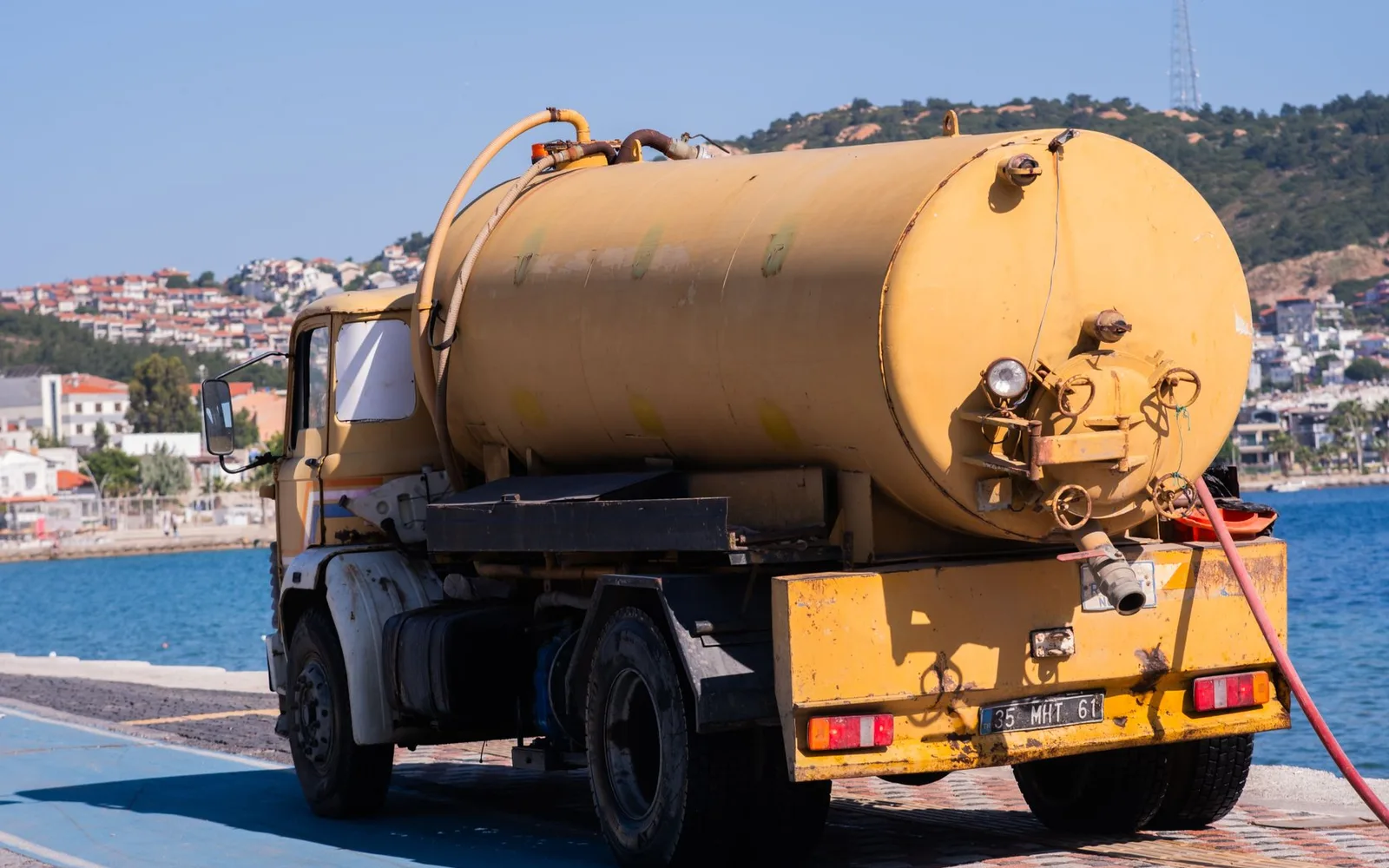
Water tank sealing in Al Hijrah Makkah
Al Hijrah is a residential quarter pressed against the rocky slopes of Jabal Thawr, with apartment blocks built tight against the mountainside. Tanks sit on roofs high above the district, facing direct sunlight and intense heat, and the rock substrate causes slight building movement that cracks the tank. Sealing is urgent here because water quality degrades fast and leaks allow salt-laden dust and dirt from surrounding rocks to contaminate the supply.
-
Potable-rated materials
Linings and disinfectants cleared for drinking water tanks, not general-purpose products.
-
You get the downtime first
How many hours the tank is out of service, told before we start rather than after we finish.
-
A first-draw flush
We run the first draw off after refilling, and the tank is not handed back until the water runs clear.
-
Ground and roof tanks
Villas, apartment blocks and premises that need a written record of each visit.
Why the job is different in Al Hijrah
Most buildings date from the 1980s and 1990s on shallow rock foundations, and roof-mounted tanks face severe thermal swings due to the district's elevation and sun exposure. The method is set out in full on the full Water tank sealing page.
Tanks on high roofs face direct heat and sun exposure
Al Hijrah sits on Jabal Thawr slopes and roofs are elevated and catch direct sun far more than flat districts. Tank surface temperatures reach 60 degrees Celsius in summer, accelerating corrosion and cracking.
Rock foundations cause settlement and building movement
Foundations anchored to rock shift slightly with moisture and temperature swings. This movement transfers to the overhead tank and creates cracks in floor and walls.
Salts and dust from rock enter through cracks
When small cracks leak, water laden with rock salts and dust contaminates the tank. Water quality fails fast and becomes unfit before the problem is obvious.
The character of Al Hijrah
Apartment district: residential blocks, repeated floors and shared entrances
Al Hijrah is an old residential quarter on rocky slopes, meaning tanks suffer additional stress from building movement and extreme heat. Sealing must account for excessive heat and movement-induced cracking, not just routine moisture.
What we read before any material is opened
A residential quarter south of the Haram boundary between Dhat An Nitaqain Street and the Fourth Ring Road, with apartment buildings densely stacked on rocky slopes, served by Al Noor Specialist Hospital, Al Bukhari Mosque and Al Maimani Mosque.
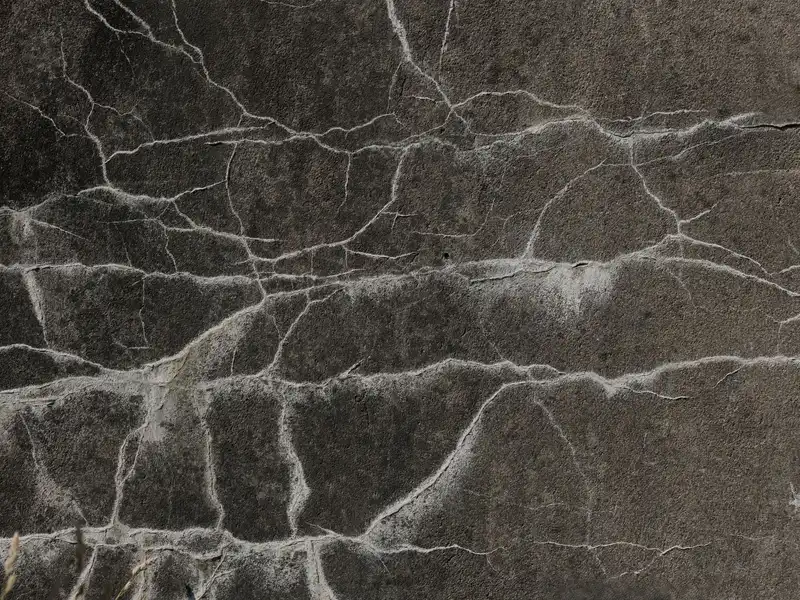
Cracking in the wall
Floor inspection reveals corrosion from stagnant water and salt deposits, especially in corners where sediment pools.
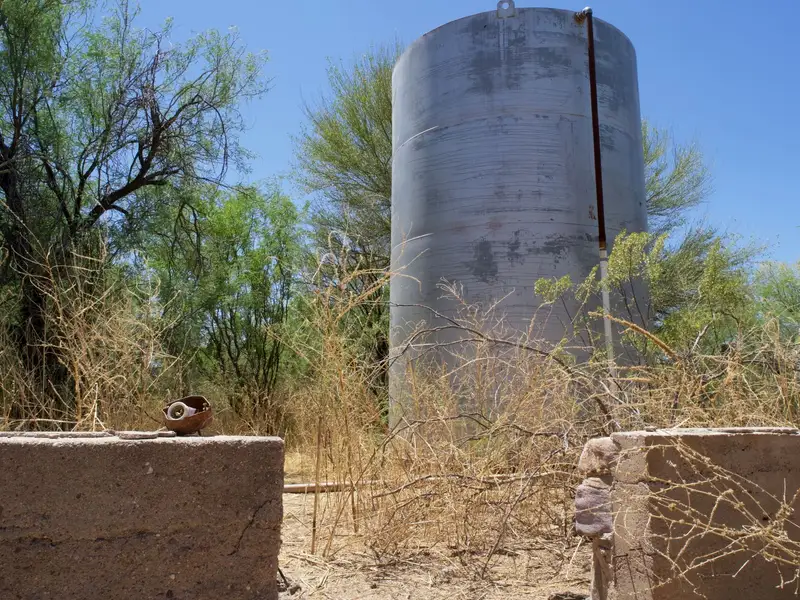
The floor to wall joint
Wall inspection finds vertical and horizontal cracks from extreme thermal swings and movement transmitted from rock foundations.
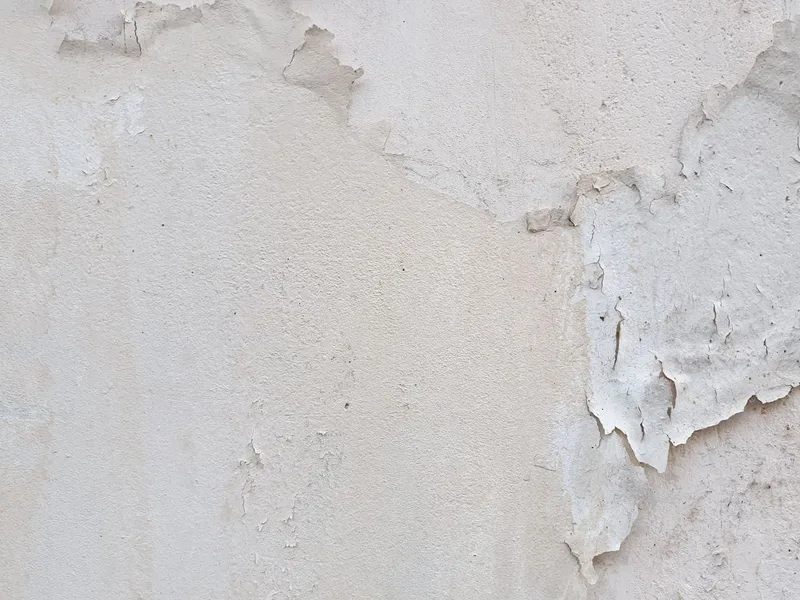
The condition of the old lining
The wall-floor joint always cracks because it is the weakest point and movement concentrates there.
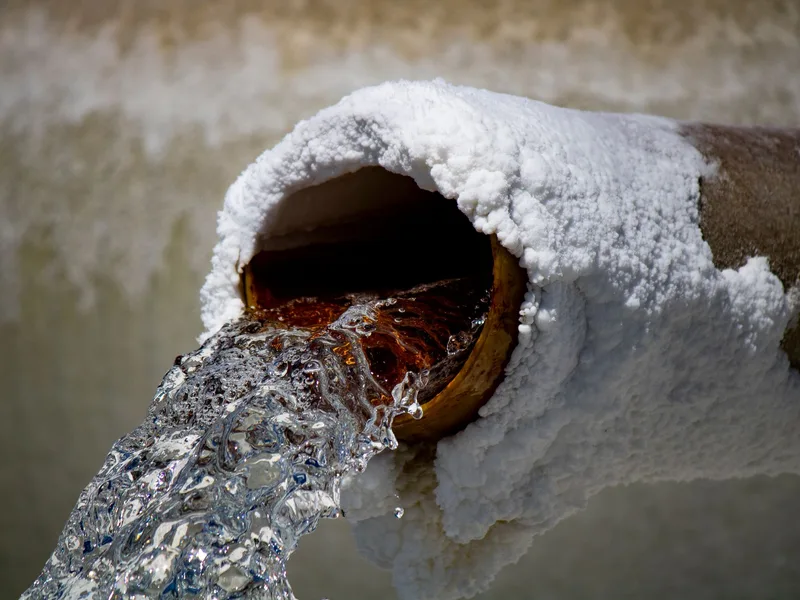
Sediment and scale
Pipe entries and lines must be checked because heat causes pipe expansion and cracks form around joints.
The pipe entries
Substrate scraping is careful work because rock beneath cement may be soft or fractured from heat cycling.
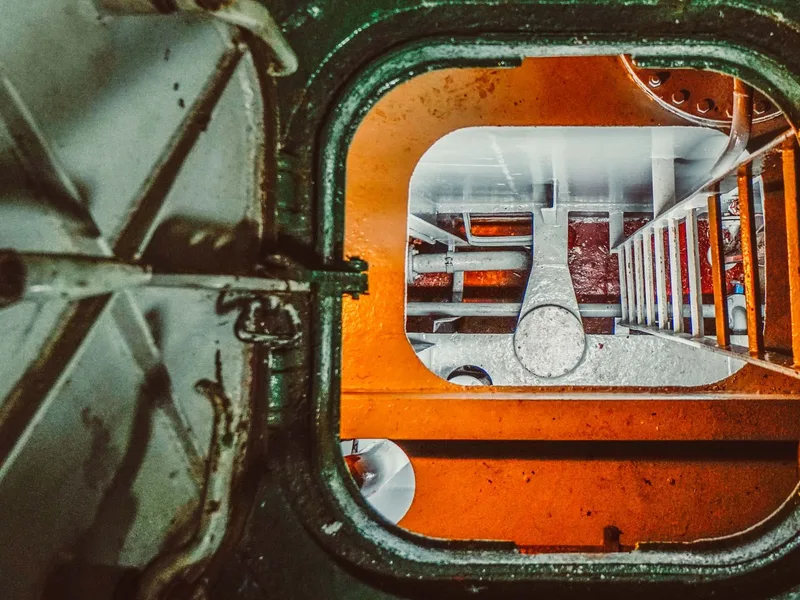
The hatch and the vent
Sterilisation after repair is essential because salt-laden water may have left behind bacterial deposits.
How we work
-
1
Inspect with the tank empty
We drain it and read the surface dry: whether the water leaves through a crack, a joint or a pipe collar, and what the outer face of the wall and the ceiling below are telling us. A level test with the valves closed separates a leaking tank from leaking pipework.
-
2
Clean and prepare the substrate
Sediment out, a high pressure wash, the loose old lining and the weak surface layer of the concrete taken back, then dried. The material grips sound substrate and nothing else.
-
3
Make the cracks and joints good
Cracks are chased out and filled with a repair mortar, a cove is formed where the floor meets the wall, and every pipe collar is treated on its own.
-
4
Lining, fill test, sterilisation
Successive coats, each run across the one beneath it, on the face the water touches. Then a full cure, a fill with the level watched, and sterilisation with the first fill run to waste before the tank returns to use.
What water tank sealing includes
-

Finding where the water leaves
Carried out drained and dry: cracks, joints, pipe collars and the outer face of the wall.
-

Draining and sediment removal
The last of the water and the settled layer on the floor come out, because a lining does not stick over sediment.
-
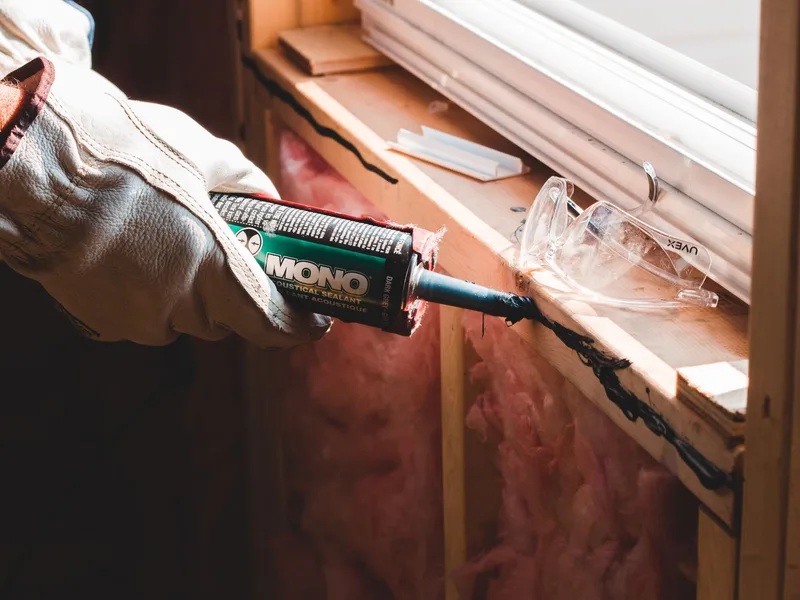
Cracks and joints made good
The crack opened and filled, a cove formed at the floor to wall junction, and each pipe entry worked separately.
-

Lining coats on the water face
More than one coat, each crossing the one below, in material made for drinking water tanks rather than roof waterproofing.
-

Curing, fill test and sterilisation
The material is left to cure, the tank is filled and the level watched, then sterilised and the first fill run to waste. How long the cure takes follows the material and the weather, and we tell you before the date so you can plan around the supply.
-

A follow-up level check
We come back once it is in service to read the level and check the outer face, because any remaining loss shows up then rather than on the day of the work.
What is different about Al Shawqiyah Sub-Municipality
Al Shawqiyah sub municipality runs south from the Third Ring Road to the city's edge on the Al Layth road and the Jeddah expressway. Planned districts such as Al Shawqiyah, Al Malik Fahd and Bathaa Quraish have wide streets, villas and apartment blocks, while schemes in Wali Al Ahd are being built out and informal housing in Al Ukayshiyah and Al Zuhur is being cleared. The vegetable market and livestock auction at Souq Al Halaqa, open construction sites, the rocky slopes of Jabal Thawr and sewers still being laid through the southern fringe offer exposed food, shelter and moisture.
Questions about this district
Why do tanks in Al Hijrah crack faster than in other quarters?
The district sits on Jabal Thawr slopes with very high roofs and extreme heat. Added stress from rock foundation settlement aggravates cracking.
Does slow seepage mean the tank will become unusable quickly?
Yes. Seeping water carries rock salts and dust, contaminating the tank from inside before you notice the damage.
What does the technician check first on an Al Hijrah tank?
The floor, which corrodes from stagnant water and salt accumulation. Then the wall-floor joint and wall cracks caused by heat and movement.
Is steam cleaning alone enough to restore the tank?
No. In Al Hijrah, the tank must be completely emptied and the interior surface scraped to sound substrate, then cracks repaired.
Does high roof heat affect how the sealing works?
Yes. The sealant must withstand high temperatures and rapid swings. We use materials rated for extreme heat and thermal cycling.
Would a roof cover solve the heat problem?
It reduces direct heating but does not solve it. Sealing and repair are essential, and a cover is only a helpful addition.
How much does water tank sealing in Al Hijrah cost?
It is set after the inspection, because the price follows the type of infestation, the size of the space, how far it has spread and the number of visits it needs. Send a photo and a description on WhatsApp and we will give you an estimate before we reach Al Hijrah.
Nearby districts we cover
Other services in Al Hijrah
Other services we provide to residents of Al Hijrah.
-
 Water tanks
Water tank cleaning
-
 Water tanks
Water tank sterilization
-
 Water tanks
Tank leak repair
-
 Residential
Cockroach control
Need water tank sealing in Al Hijrah? Tell us what you saw and we will tell you what it needs
We reach Al Hijrah at a time we agree, and you get the full cost before we start.