
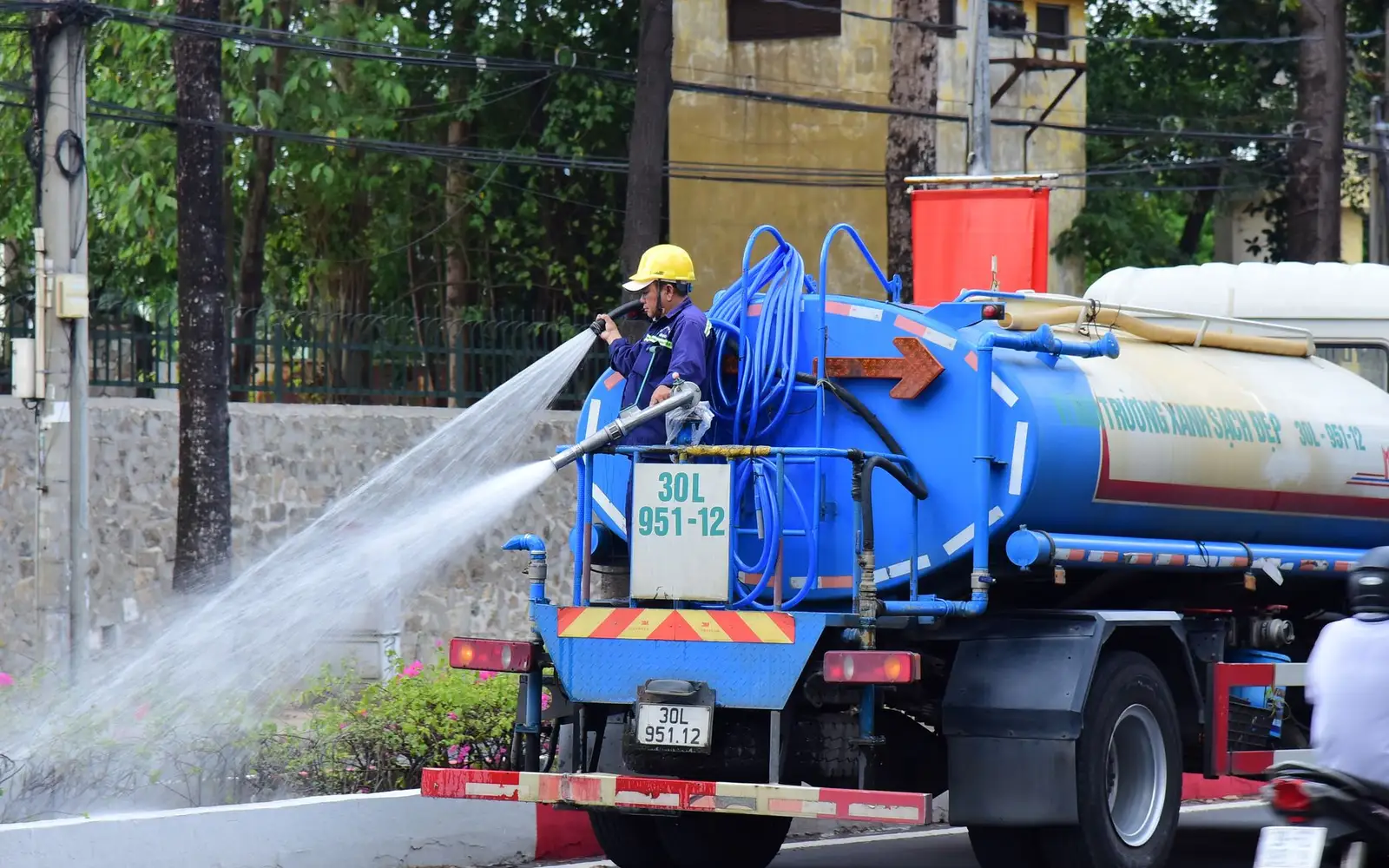
Water tank cleaning in Al Mahjar Jeddah
Al Mahjar is a south Jeddah district west of Al Wazeeriyah toward the coast, a mixed area where King Abdulaziz Hospital occupies the old quarantine station site. King Faisal Road runs through it, Petromin Souq and the old popular quarter of Petromin adjoin it, and the Islamic Port and the Refinery are close. Open drainage channels cross the district carrying waste from the markets. High humidity and salt from the port and the refinery, combined with heavy lorry traffic, mean the tank here faces multiple sources of contamination.
-
Potable-rated materials
Linings and disinfectants cleared for drinking water tanks, not general-purpose products.
-
You get the downtime first
How many hours the tank is out of service, told before we start rather than after we finish.
-
A first-draw flush
We run the first draw off after refilling, and the tank is not handed back until the water runs clear.
-
Ground and roof tanks
Villas, apartment blocks and premises that need a written record of each visit.
Why the job is different in Al Mahjar
In Al Mahjar near the refinery and the port, the tank receives high saline humidity, dust from lorry traffic enters through vents, and waste from the markets attracts insects. The method is set out in full on Water tank cleaning in detail.
Open drains carry waste, rodents and insects toward the tank
Petromin Souq and warehouses in the district dump waste into open drainage channels. These channels run close to building tanks, and rats, cockroaches and larger insects live in them. After rain water levels rise in the channels and approach tanks and the lower openings. Frequent cleaning is essential because contaminants enter easily.
Salt and humidity from port and refinery speed rust and deposits
The Islamic Port and the Refinery are very close and raise salt laden humidity and heavy smoke. Salt deposits rapidly on the tank and pipes, and the smoke carries particles that enter through vents. Rust grows fast, and salt resistant bacteria grow in the water. Disinfection here must be stronger than in inland districts.
Heavy traffic and lorries raise polluted dust that enters the tank
King Faisal Road is busy with heavy lorries and buses, and their movement raises dust from the road and pollutants. This dust enters through simple ventilation holes and cracks. Contaminants include metals from the road surface and exhaust fumes from engines, and disinfection must use strong measures.
Al Mahjar on the map
Al Mahjar sits about 3 km from Al Wazeeriyah and about 4 km from Al Saruriyah.
Open in Google MapsThe condition of the tank decides the method
Al Mahjar is a south Jeddah mixed district with shops and hospitals, crossed by King Faisal Road with heavy traffic, close to the port and the refinery which raise humidity, and has open drainage channels that carry market waste.
The layer on the floor
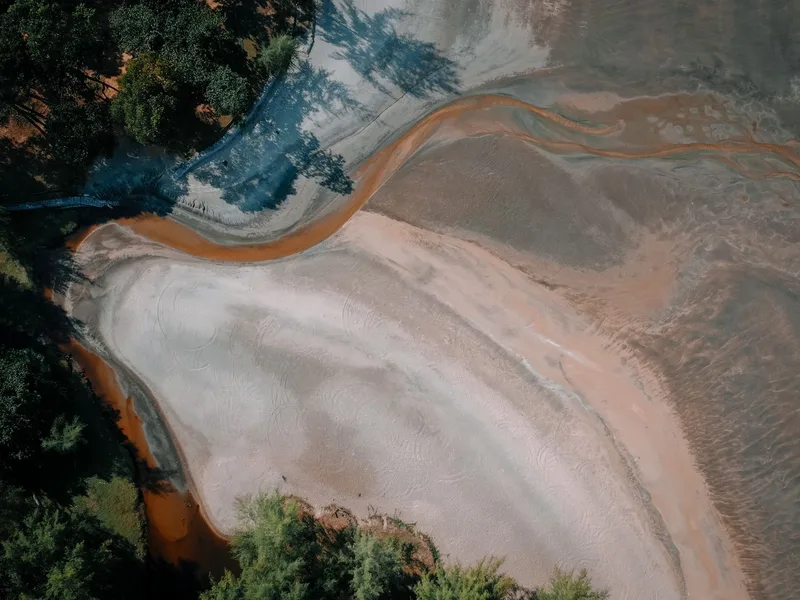
The floor collects organic waste and coloured rust from the road and refinery, requiring mechanical removal and strong disinfection.
Light and algae
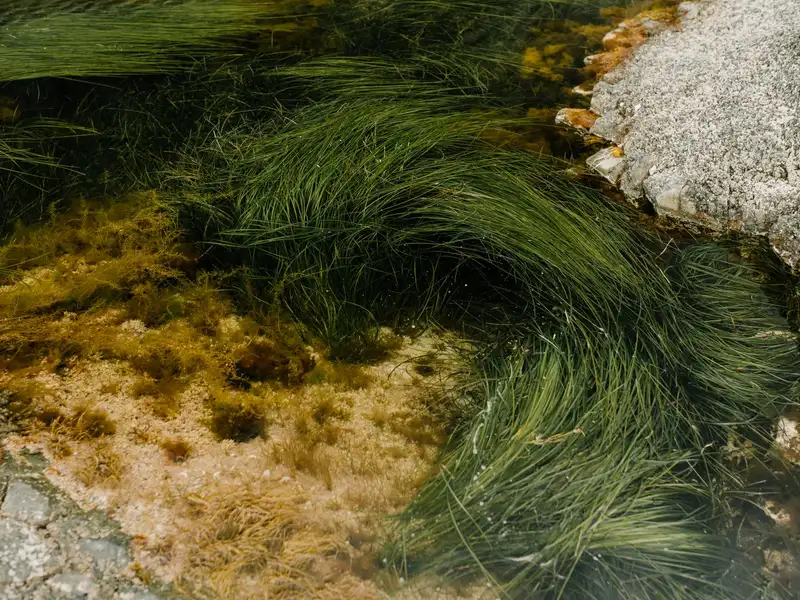
Walls carry salt resistant algae and bacteria that grow fast from high salt humidity.
The deposit on the wall
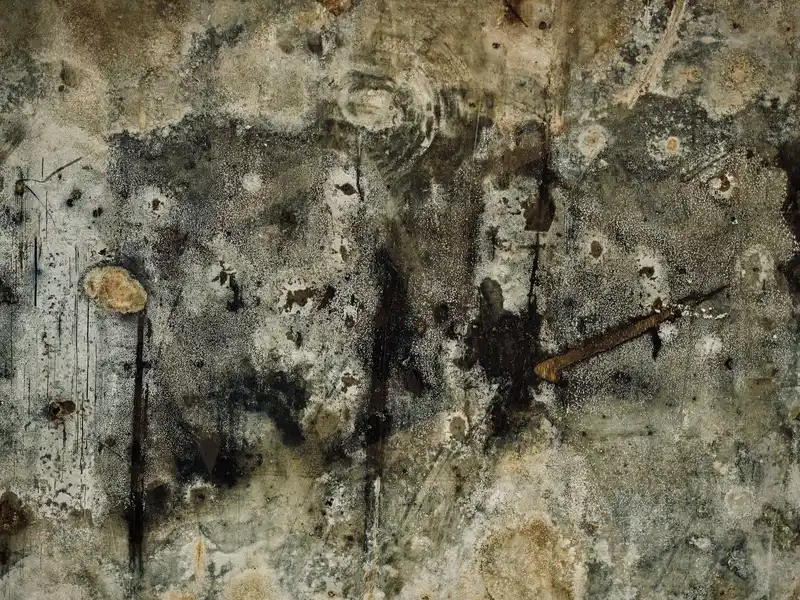
The deposit on walls is layered salt, metals and salt resistant bacteria that need additional chemical cleaning.
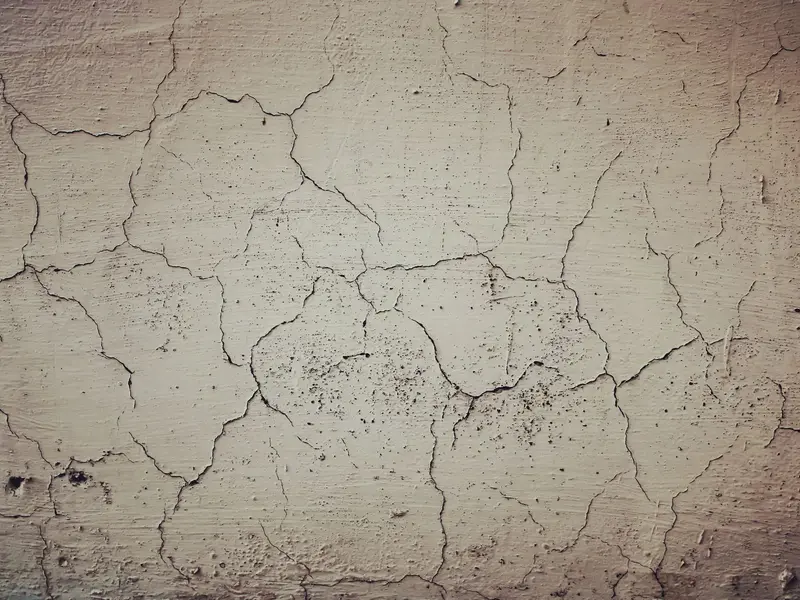
The lining and hairline cracks
Cracks and lining allow drain water and contaminants from nearby open channels to seep inward.
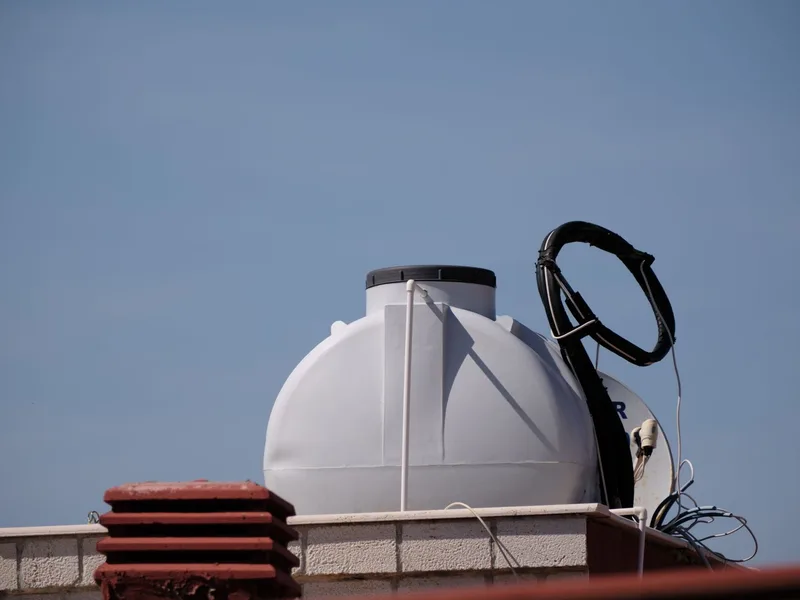
The lid and the access hatch
Cover and vents carry road dust, salt and market waste residue, needing vigorous rinsing and protective coating.
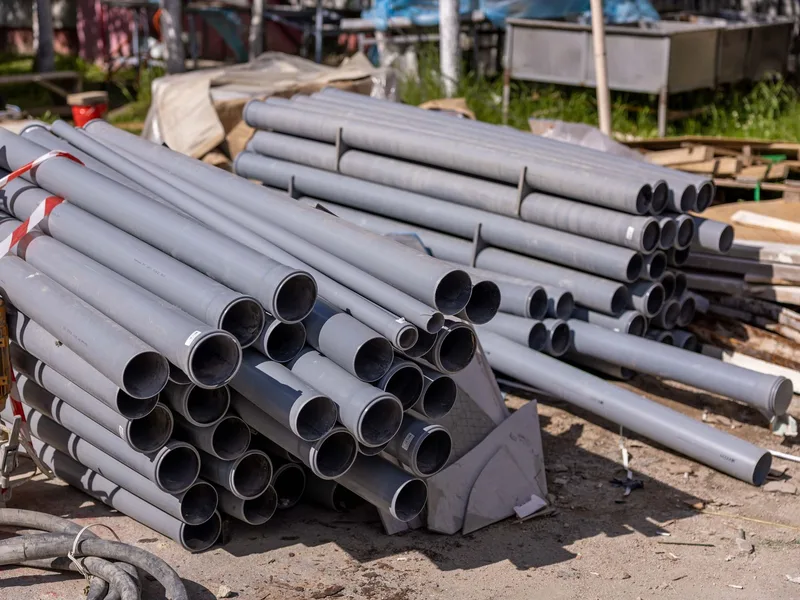
The vent and the overflow pipe
Overflow and vent pipes carry leakage of salt, metals and bacteria, and may need replacement near the souq.
How we work
-
1
Inspect before the drain
Tank type and material, the condition of the lining, the depth of the sediment, the lid and the vent, and where the drained water will go. We agree the window without supply before anything is opened.
-
2
Drain, then lift the sludge
The water leaves through the outlet, then the layer beneath it is taken out by hand and by suction. That layer is the reason for the visit, not the water that ran out ahead of it.
-
3
High pressure wash
Walls, floor and the joint where they meet, with a brush wherever the film resists, then the wash water is taken out completely so nothing we lifted settles again.
-
4
Disinfect and put back in service
Disinfectant over every internal surface, left for its contact time and then rinsed out, followed by the refill, a first draw off at the taps, and a report on what was inside the tank.
What water tank cleaning includes
-

An inspection before the valve
Tank type, lining condition, depth of sediment, lid and vent, recorded before any water leaves.
-

Full drain and sediment removal
The water through the outlet, and the layer below it by hand and by suction until the floor itself is showing.
-

Pressure washing walls and floor
High pressure across the surfaces and corners, and a brush on anything water alone will not lift.
-

Disinfection after the wash
A disinfectant intended for drinking water tanks, named to you before it is used, left for its contact time and then rinsed out.
-

Refill and the first draw off
We refill, run the taps so the new water moves through the pipework, and tell you when it is ready to use.
-

A report and the next date
What was inside the tank, anything on the lid or the lining that needs repair, and a sensible date for the next clean.
What is different about South Sub-Municipality
The South sub municipality runs from the edge of Old Makkah Road down to Al Khumrah and the southern corniche. Dense residential districts sit beside new subdivisions such as Al Sanabil and Al Taawun, warehouse fringes such as Al Saruriyah and Al Sarawat, and an old seaside settlement at Al Quzayn. Open stormwater channels cross the housing, and the warehouses, the vegetable and livestock markets and the nearby Islamic Port and Industrial City give pests shelter, food and year round humidity. Pressure is greatest in the older quarters, where drainage networks are ageing.
Questions about this district
The district has warehouses and vegetable and livestock markets. Is the tap water safe from the tank?
Markets dump waste and animal remains into open channels. Bacteria and parasites from this waste may enter the tank through cracks and openings. Strong frequent disinfection is essential, and additional home filtration is important.
There is an open drain beside the villa and after rain water approaches the tank. Is that dangerous?
Yes, very dangerous. Drain water carries waste and bacteria and may enter the tank through cracks if it approaches close. The tank may need to be raised or a protective wall built around the villa.
The tank is close to King Faisal Road and lorries raise lots of dust. How often to clean it?
King Faisal Road is busy and lorries raise polluted dust constantly. The tank here needs cleaning every three months at minimum, more often than quiet districts.
Water from the tap runs reddish and has a strong metal smell. Is it the road and the refinery?
Red is iron, and metals come from the road, the refinery and engine exhaust. Salt laden humidity and refinery smoke carry metals in the air. The tank needs deep cleaning and strong disinfection.
Is Al Mahjar tank cleaning different from a coastal district like Al Quzayn?
Yes. Al Mahjar is closer to the port and refinery than Al Quzayn. Pollutants are greater and open drains are a constant threat. Cleaning needs stronger chemicals and shorter intervals.
Petromin Souq and lots of waste around it. Does it affect the tank water?
The souq dumps organic and animal waste into open channels. This waste attracts rats and insects, and waste bacteria enter the tank through cracks and vents. Tanks near the souq need special protection and frequent cleaning.
How much does water tank cleaning in Al Mahjar cost?
It is set after the inspection, because the price follows the type of infestation, the size of the space, how far it has spread and the number of visits it needs. Send a photo and a description on WhatsApp and we will give you an estimate before we reach Al Mahjar.
Nearby districts we cover
Other services in Al Mahjar
Other services we provide to residents of Al Mahjar.
-
 Residential
Cockroach control
Residential
Cockroach control
-
 Residential
Bed bug control
Residential
Bed bug control
-
 Residential
Termite control
Residential
Termite control
-
 Residential
Rodents and mice
Residential
Rodents and mice
-
 Residential
Mosquito control
Residential
Mosquito control
-
 Residential
Fly control
Residential
Fly control
-
 Residential
Ant control
Residential
Ant control
-
 Residential
Gecko control
Residential
Gecko control
-
 Residential
Scorpion control
Residential
Scorpion control
-
 Residential
Snake control
Residential
Snake control
-
 Residential
Flea control
Residential
Flea control
-
 Residential
Bird and pigeon control
Residential
Bird and pigeon control
-
 Residential
Preventive treatment
Residential
Preventive treatment
-
 Residential
Disinfection
Residential
Disinfection
-
 Commercial
Annual contracts
Commercial
Annual contracts
-
 Commercial
Restaurants and cafes
Commercial
Restaurants and cafes
-
 Commercial
Hotels and apartments
Commercial
Hotels and apartments
-
 Commercial
Warehouses and factories
Commercial
Warehouses and factories
-
 Commercial
Schools and nurseries
Commercial
Schools and nurseries
-
 Commercial
Retail and malls
Commercial
Retail and malls
-
 Commercial
Rest houses and farms
Commercial
Rest houses and farms
-
 Commercial
Fumigation
Commercial
Fumigation
-
 Water tanks
Water tank sterilization
Water tanks
Water tank sterilization
-
 Water tanks
Water tank sealing
Water tanks
Water tank sealing
-
 Water tanks
Tank leak repair
Water tanks
Tank leak repair
Need water tank cleaning in Al Mahjar? Tell us what you saw and we will tell you what it needs
We reach Al Mahjar at a time we agree, and you get the full cost before we start.