
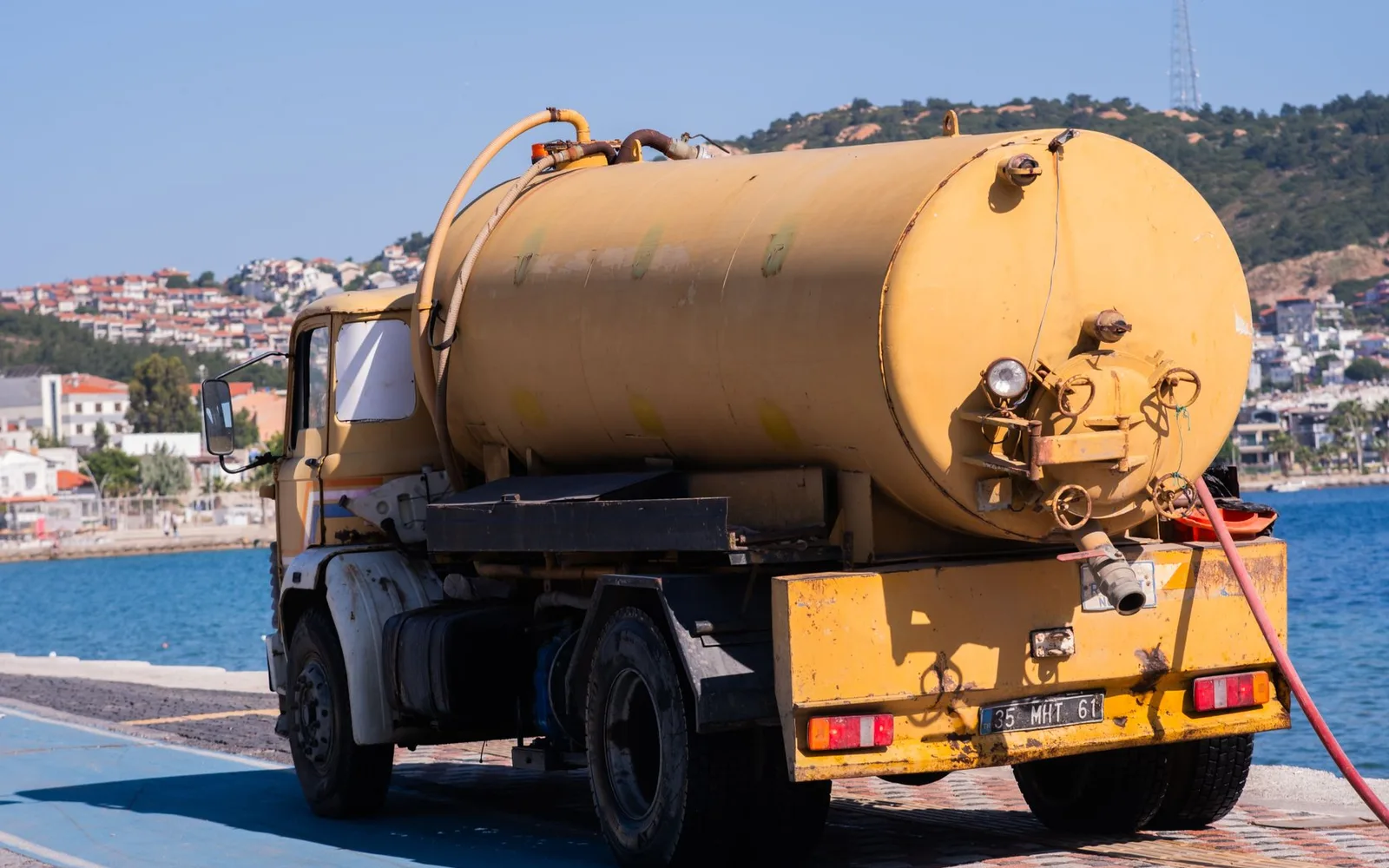
Water tank sealing in Al Mahjar Jeddah
Al Mahjar is a residential district south of Jeddah west of Al Wazeeriyah towards the coast, hosting major hospitals and medical facilities and a busy market. Tanks here face high pressure from continuous medical and domestic demand. Leaks and cracks create health risks and may compromise sanitation standards in medical settings.
-
Potable-rated materials
Linings and disinfectants cleared for drinking water tanks, not general-purpose products.
-
You get the downtime first
How many hours the tank is out of service, told before we start rather than after we finish.
-
A first-draw flush
We run the first draw off after refilling, and the tank is not handed back until the water runs clear.
-
Ground and roof tanks
Villas, apartment blocks and premises that need a written record of each visit.
Why the job is different in Al Mahjar
Hospitals and medical facilities in Al Mahjar consume large quantities of water daily and tanks face constant high pressure. Leaks may cause sudden water shortages or critical service gaps. The method is set out in full on Water tank sealing in detail.
Hospitals and medical facilities need clean water in large volumes
King Abdulaziz Hospital, the Mental Health Hospital and Ibn Sina College Hospital provide advanced medical services. Their tanks face high pressure from continuous intensive use.
Coastal soil and very high moisture
Al Mahjar is near the shore and soil is very damp. Salt from air and soil speeds wall and seal decay. High humidity accelerates leaking through small cracks.
Large and complex tanks in medical facilities
Medical facilities house tanks far larger than typical villas or apartment blocks. Designs are complex with multiple pipes and advanced pump systems, making repair and sealing more intricate.
Al Mahjar on the map
Al Mahjar sits about 3 km from Al Wazeeriyah and about 4 km from Al Saruriyah.
Open in Google MapsWhat we read before any material is opened
A residential district south west of Al Wazeeriyah towards the coast where King Abdulaziz Hospital occupies the old quarantine station site. King Faisal Road, Al Mahjar Street and Zainal Street cross it.
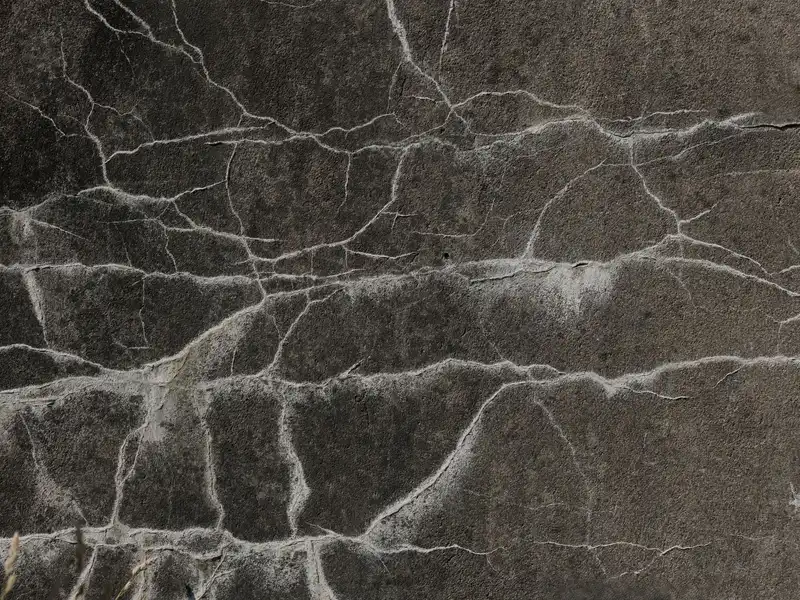
Cracking in the wall
The floor in large hospital tanks faces constant high pressure from heavy water column weight.
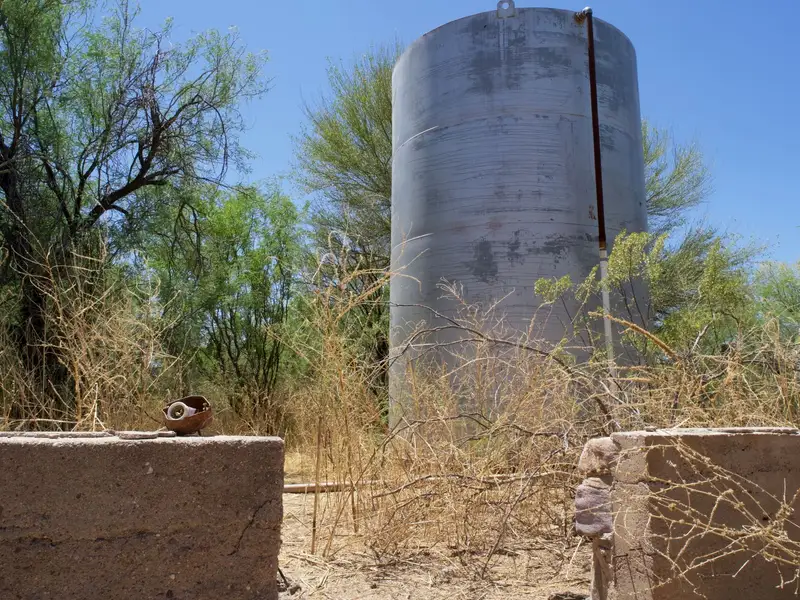
The floor to wall joint
Multiple pipe joints in hospital systems are very complex and each joint is a potential leak source.
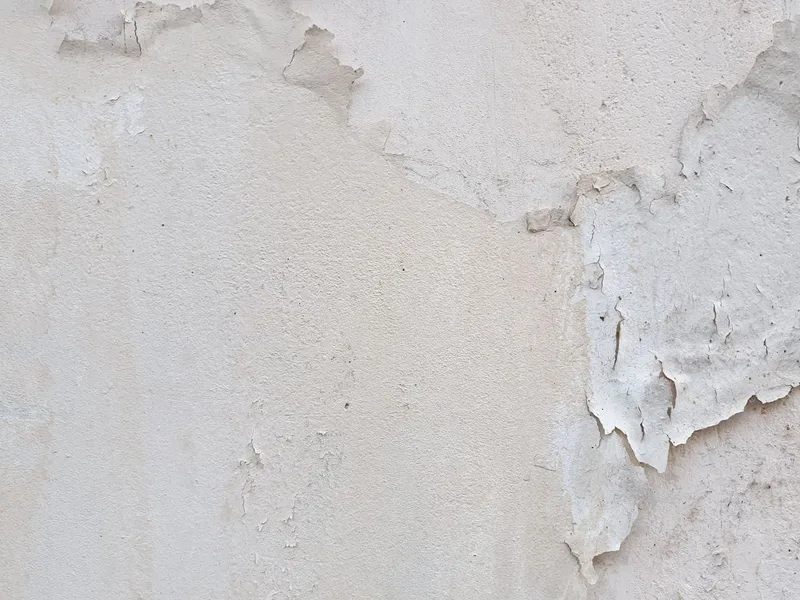
The condition of the old lining
Corners and edges in large tanks may hold salt and mineral deposits that speed decay.
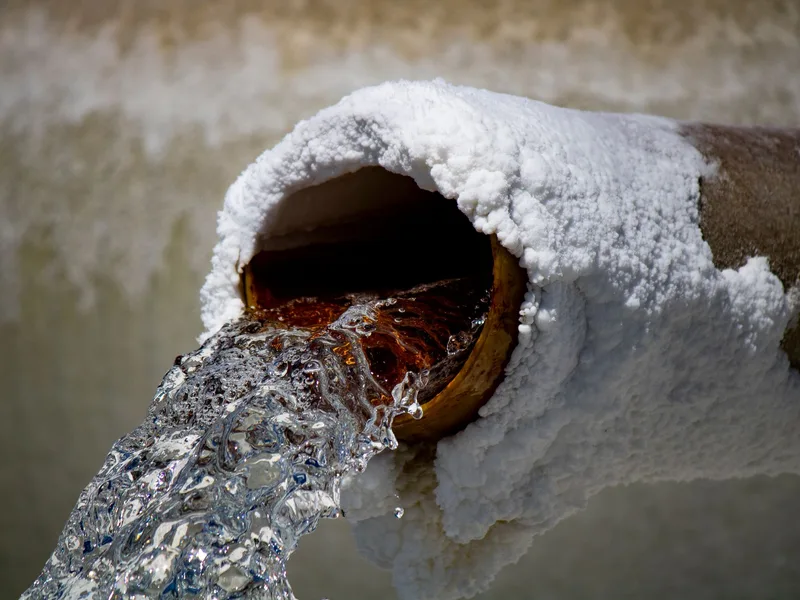
Sediment and scale
Coastal humidity and salt speed decay of outer layers and base tank sealing.
The pipe entries
Leaks in hospitals are critical because they may cause sudden water loss during medical procedures.
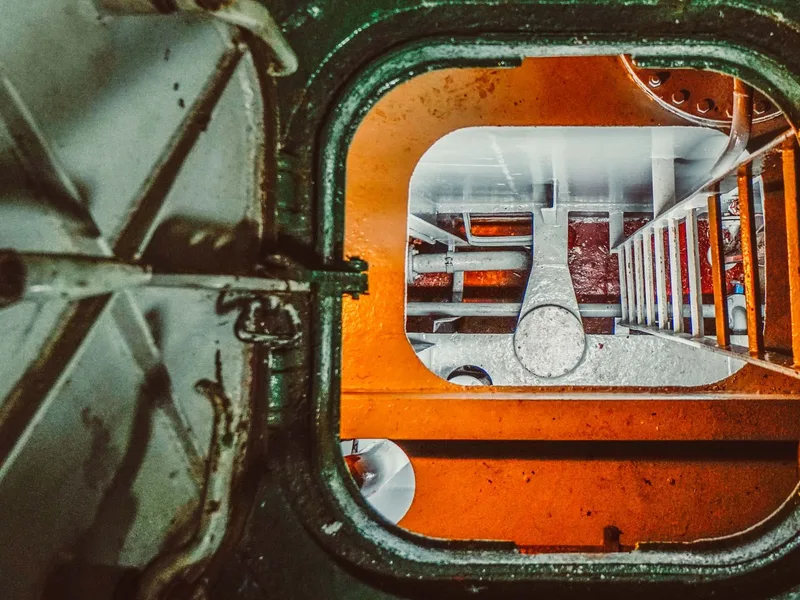
The hatch and the vent
Post-sealing sterilisation in medical facilities must be professional and documented to ensure high health standards.
How we work
-
1
Inspect with the tank empty
We drain it and read the surface dry: whether the water leaves through a crack, a joint or a pipe collar, and what the outer face of the wall and the ceiling below are telling us. A level test with the valves closed separates a leaking tank from leaking pipework.
-
2
Clean and prepare the substrate
Sediment out, a high pressure wash, the loose old lining and the weak surface layer of the concrete taken back, then dried. The material grips sound substrate and nothing else.
-
3
Make the cracks and joints good
Cracks are chased out and filled with a repair mortar, a cove is formed where the floor meets the wall, and every pipe collar is treated on its own.
-
4
Lining, fill test, sterilisation
Successive coats, each run across the one beneath it, on the face the water touches. Then a full cure, a fill with the level watched, and sterilisation with the first fill run to waste before the tank returns to use.
What water tank sealing includes
-

Finding where the water leaves
Carried out drained and dry: cracks, joints, pipe collars and the outer face of the wall.
-

Draining and sediment removal
The last of the water and the settled layer on the floor come out, because a lining does not stick over sediment.
-

Cracks and joints made good
The crack opened and filled, a cove formed at the floor to wall junction, and each pipe entry worked separately.
-

Lining coats on the water face
More than one coat, each crossing the one below, in material made for drinking water tanks rather than roof waterproofing.
-

Curing, fill test and sterilisation
The material is left to cure, the tank is filled and the level watched, then sterilised and the first fill run to waste. How long the cure takes follows the material and the weather, and we tell you before the date so you can plan around the supply.
-

A follow-up level check
We come back once it is in service to read the level and check the outer face, because any remaining loss shows up then rather than on the day of the work.
The character of Al Mahjar
Mixed district: shops at street level with homes above them
Al Mahjar is a district hosting advanced medical facilities alongside residents. Tanks in medical facilities are larger and more complex than residential villa or block tanks. Treatment must account for medical sensitivity and the need to avoid service interruption.
Questions about this district
Do hospitals in Al Mahjar need higher sealing standards than residential buildings?
Yes absolutely. Water in medical facilities must be completely clean and safe for medical use. Leaks may cause contamination or critical water shortages.
Do large hospital tanks take longer to seal?
Yes. Large tanks need full draining, thorough cleaning, precise repair and complete sealing. The process may take several days or weeks depending on tank size.
Does salt from coastal air speed tank decay in Al Mahjar?
Yes greatly. Salt and moisture together speed decay sharply. Tanks in Al Mahjar may need inspection and sealing more often than in other areas.
Does leaking from a hospital tank affect medical services?
Yes significantly. Leaks may cause water shortage during surgery or treatment. Even brief water loss can be critical.
Does treating a hospital tank require halting medical services?
Not necessarily. If the hospital has backup tanks, we may switch services during sealing. If not, we must coordinate a specific time.
How often must tanks in medical facilities be inspected and sealed?
Medical facilities should inspect tanks regularly. Annual inspection at minimum is necessary in a damp coastal setting like Al Mahjar.
How much does water tank sealing in Al Mahjar cost?
It is set after the inspection, because the price follows the type of infestation, the size of the space, how far it has spread and the number of visits it needs. Send a photo and a description on WhatsApp and we will give you an estimate before we reach Al Mahjar.
Nearby districts we cover
Other services in Al Mahjar
Other services we provide to residents of Al Mahjar.
-
 Water tanks
Water tank cleaning
-
 Water tanks
Water tank sterilization
-
 Water tanks
Tank leak repair
-
 Residential
Cockroach control
Need water tank sealing in Al Mahjar? Tell us what you saw and we will tell you what it needs
We reach Al Mahjar at a time we agree, and you get the full cost before we start.