
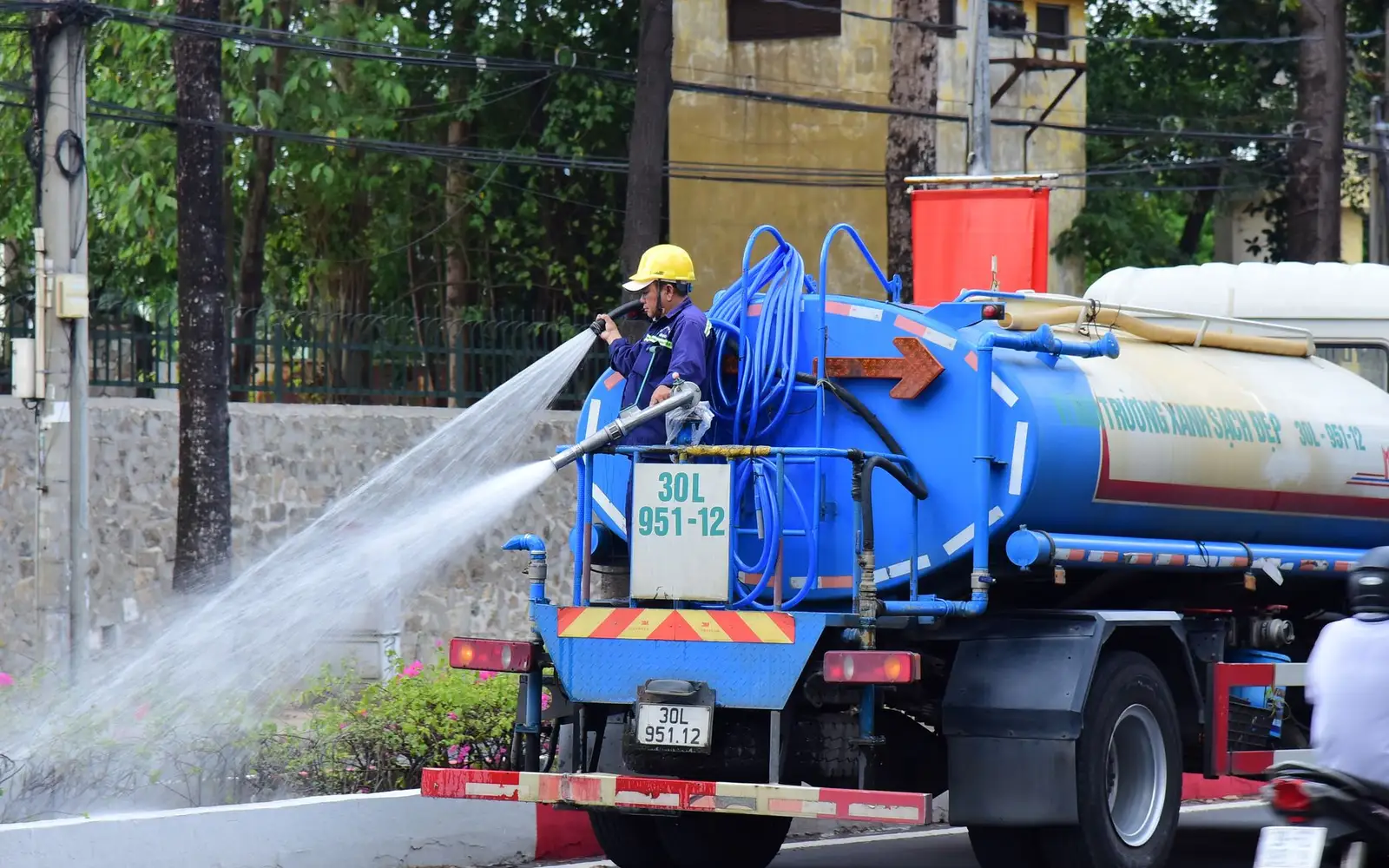
Water tank cleaning in Al Naseem Makkah
Al Naseem is a planned residential district on King Faisal Road between the university and Al Awali, with villas, apartments and pilgrim hotels. The tank here serves clean water to multi storey buildings, and if the outlet becomes blocked by settled debris, drainage to upper floors slows and pressure drops across the entire block.
-
Potable-rated materials
Linings and disinfectants cleared for drinking water tanks, not general-purpose products.
-
You get the downtime first
How many hours the tank is out of service, told before we start rather than after we finish.
-
A first-draw flush
We run the first draw off after refilling, and the tank is not handed back until the water runs clear.
-
Ground and roof tanks
Villas, apartment blocks and premises that need a written record of each visit.
Why the job is different in Al Naseem
The tanks here serve dense apartment blocks, so settled sediment builds up faster than in detached villas because the sustained pressure pushes fine particles downwards more rapidly. The method is set out in full on what Water tank cleaning involves.
Apartments above shops demand different maintenance
The villas here mix with buildings that have shops on the ground floor, so a tank serves both residential occupants above and commercial use below. The water pressure is not distributed to a single household: it adjusts constantly as shops and flats draw water at different times.
The distant wadi and the raised roads
Al Naseem sits at a good height away from Wadi Uranah, but rainwater runoff from the Fourth Ring Road after rare rain does reach the area. Fine mineral particles enter the tank through open drainage, especially after dust storms blow across the high streets.
Seasonal pressure spikes stress the entire tank
During Hajj and Umrah seasons the hotels on King Faisal Road fill to capacity, tanks drain rapidly and older settled deposits remix with fresh inflow much faster than in quiet residential districts.
Al Naseem on the map
Al Naseem sits about 2.5 km from Al Sanabel and about 3 km from Al Jamiah.
Open in Google MapsThe condition of the tank decides the method
A residential district on an orderly grid between Fatimah Al Zahra Street and the Fourth Ring Road, with nearness to King Faisal Road meaning constant lorry and pilgrim traffic passes through.
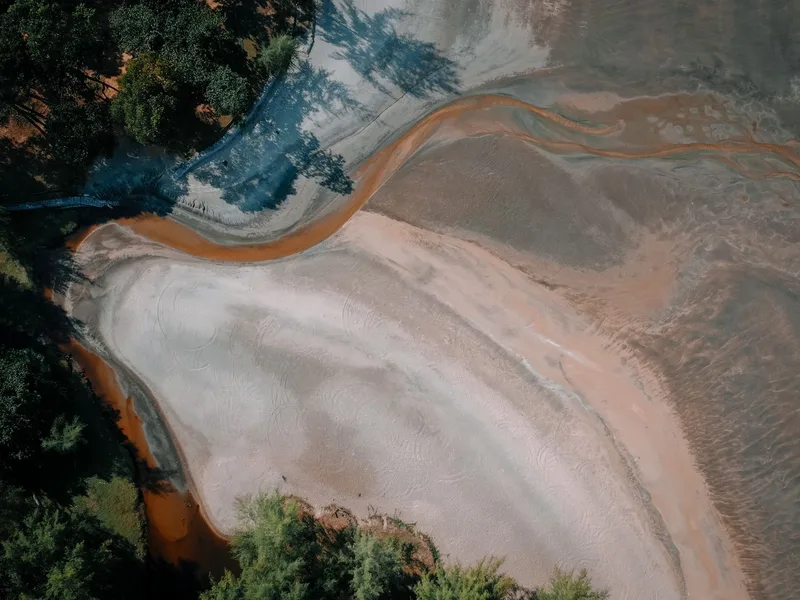
The layer on the floor
Fine sand and calcium settle on the floor here because water comes from deep wells. High pressure makes fine particles drop out quickly and accumulate faster than in low pressure systems.
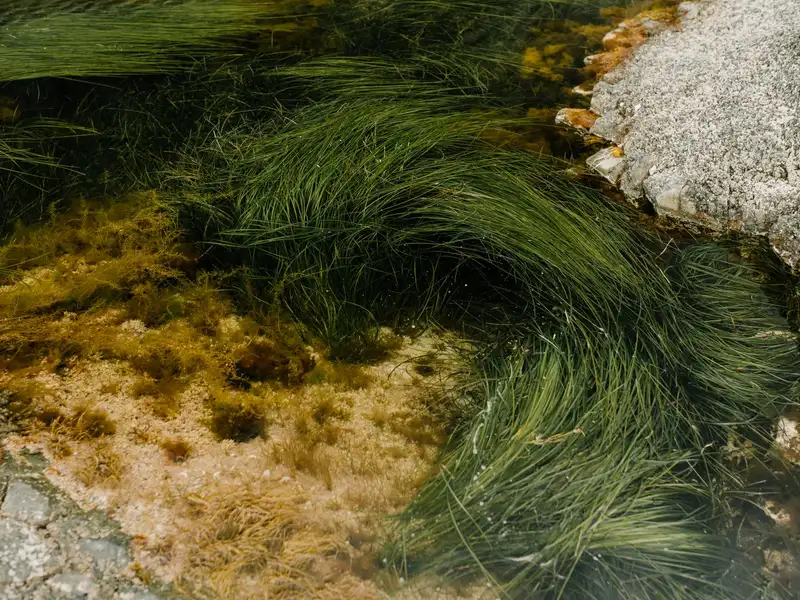
Light and algae
The tank is covered but light enters through the service hatch if left open. Algae rarely grows inside the tank itself, but organic matter from the mains degrades over time and darkens the water.
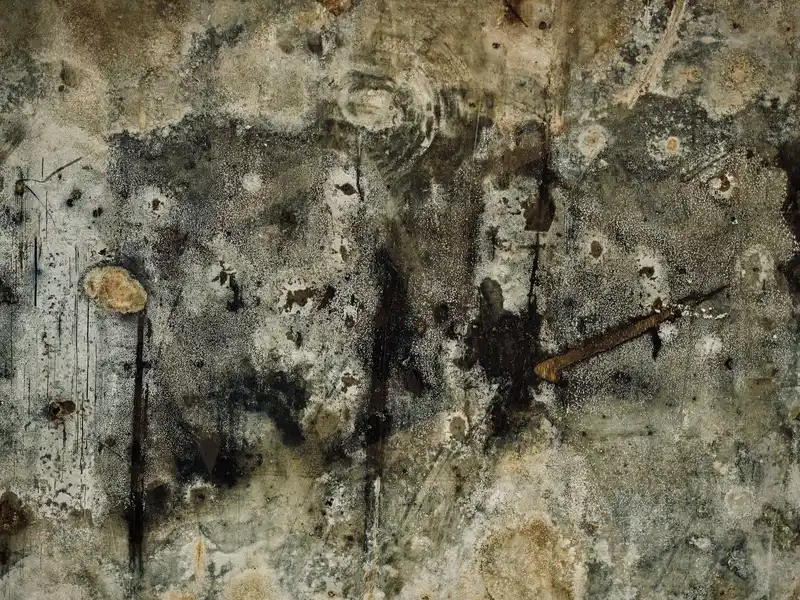
The deposit on the wall
Tank walls develop a white to brown mineral film. High sustained pressure pulls this film gradually loose and sends it downstream to upper floor taps.
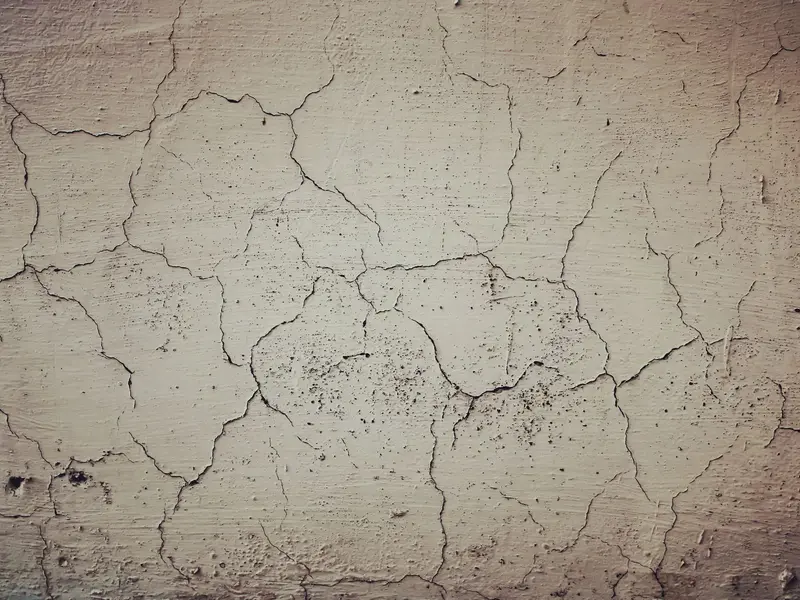
The lining and hairline cracks
Hairline cracks in old tanks are rare here because most villas and buildings are relatively new, but thermal expansion and contraction from direct sun heat can open small cracks over years.
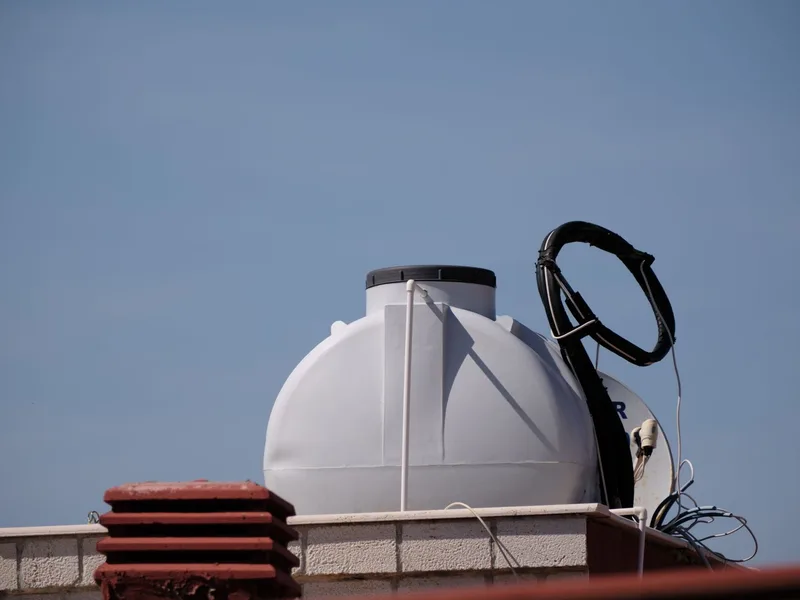
The lid and the access hatch
The lid and hatches are normally sealed tight, but the service opening may be left unsecured or poorly sealed. Insects and small animals enter during Hajj season when water use is high and movement is greatest.
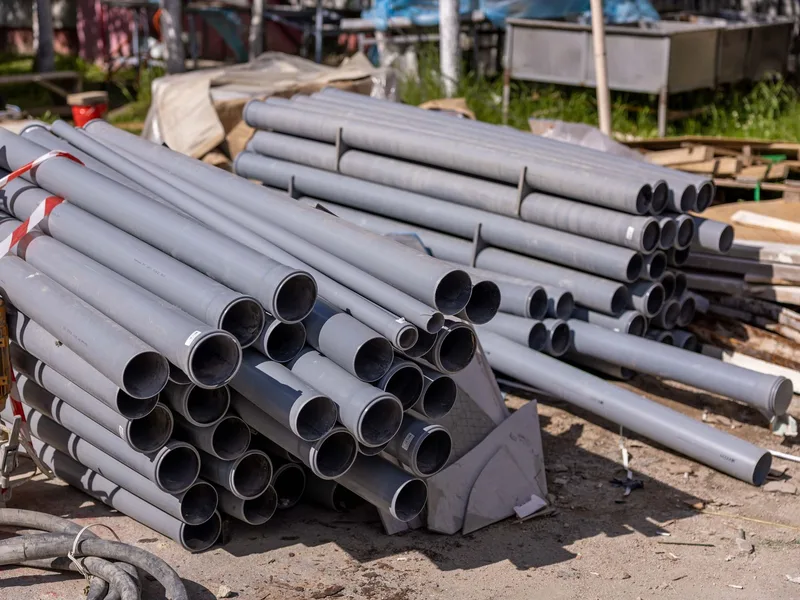
The vent and the overflow pipe
A vent pipe exists but may be clogged with dust or debris. The overflow pipe can freeze in winter or draw dirt from the ground if positioned too low, introducing new contaminants after each refill.
How we work
-
1
Inspect before the drain
Tank type and material, the condition of the lining, the depth of the sediment, the lid and the vent, and where the drained water will go. We agree the window without supply before anything is opened.
-
2
Drain, then lift the sludge
The water leaves through the outlet, then the layer beneath it is taken out by hand and by suction. That layer is the reason for the visit, not the water that ran out ahead of it.
-
3
High pressure wash
Walls, floor and the joint where they meet, with a brush wherever the film resists, then the wash water is taken out completely so nothing we lifted settles again.
-
4
Disinfect and put back in service
Disinfectant over every internal surface, left for its contact time and then rinsed out, followed by the refill, a first draw off at the taps, and a report on what was inside the tank.
What water tank cleaning includes
-

An inspection before the valve
Tank type, lining condition, depth of sediment, lid and vent, recorded before any water leaves.
-

Full drain and sediment removal
The water through the outlet, and the layer below it by hand and by suction until the floor itself is showing.
-

Pressure washing walls and floor
High pressure across the surfaces and corners, and a brush on anything water alone will not lift.
-

Disinfection after the wash
A disinfectant intended for drinking water tanks, named to you before it is used, left for its contact time and then rinsed out.
-

Refill and the first draw off
We refill, run the taps so the new water moves through the pipework, and tell you when it is ready to use.
-

A report and the next date
What was inside the tank, anything on the lid or the lining that needs repair, and a sensible date for the next clean.
What is different about Al Aziziyah (Makkah) Sub-Municipality
Al Aziziyah sub municipality runs from the Bin Dawood markets to the Al Hada road and carries pilgrim traffic to Mina. Hotel towers and furnished apartment blocks fill and empty with the Hajj and Ramadan seasons, and the kitchens, restaurants and markets along Al Masjid Al Haram Road and King Abdulaziz Road leave food waste at every peak. Southwards the fabric loosens into villas and planned streets in An Naseem and Al Awali, then Al Abidiyah's campus and the old farms of Al Husayniyah, where Wadi Uranah holds water after rain and farm enclosures shelter rodents and reptiles.
Questions about this district
Does water in upper storey apartments mix with the lower floors?
No, but the high pressure needed to push water to the upper floors can lift settled particles from the tank bed, so some coarse sediment reaches the higher taps faster than it does from the main outlet.
Do we need more frequent cleaning than other districts?
Yes. The tank sustains high pressure all day and most residents draw water simultaneously at peak times, so settled material moves and remixes into the flow much faster than in quieter areas.
Do the commercial shops below affect the water quality?
The shops themselves do not, but the crowded streets bring dust and mineral matter. If the tank sits in an open yard the debris from busy passages enters faster.
When is the best time to clean the tank?
Just before Hajj season and just before Ramadan, because water use becomes very high and the tank will run under constant pressure without rest.
Is the white grit hard water or serious damage?
It is mineral deposits, calcium and magnesium. Completely safe. But the particles accumulate and can clog tap outlets and internal tank passages if left long enough.
Do new pilgrims cause more sediment to build up?
High water use stirs up sleeping deposits at the tank bottom, but the real problem is the tank drains faster and refills more often, so fresh sediment enters from the mains every time.
How much does water tank cleaning in Al Naseem cost?
It is set after the inspection, because the price follows the type of infestation, the size of the space, how far it has spread and the number of visits it needs. Send a photo and a description on WhatsApp and we will give you an estimate before we reach Al Naseem.
Nearby districts we cover
Other services in Al Naseem
Other services we provide to residents of Al Naseem.
-
 Residential
Cockroach control
Residential
Cockroach control
-
 Residential
Bed bug control
Residential
Bed bug control
-
 Residential
Termite control
Residential
Termite control
-
 Residential
Rodents and mice
Residential
Rodents and mice
-
 Residential
Mosquito control
Residential
Mosquito control
-
 Residential
Fly control
Residential
Fly control
-
 Residential
Ant control
Residential
Ant control
-
 Residential
Gecko control
Residential
Gecko control
-
 Residential
Scorpion control
Residential
Scorpion control
-
 Residential
Snake control
Residential
Snake control
-
 Residential
Flea control
Residential
Flea control
-
 Residential
Bird and pigeon control
Residential
Bird and pigeon control
-
 Residential
Preventive treatment
Residential
Preventive treatment
-
 Residential
Disinfection
Residential
Disinfection
-
 Commercial
Annual contracts
Commercial
Annual contracts
-
 Commercial
Restaurants and cafes
Commercial
Restaurants and cafes
-
 Commercial
Hotels and apartments
Commercial
Hotels and apartments
-
 Commercial
Warehouses and factories
Commercial
Warehouses and factories
-
 Commercial
Schools and nurseries
Commercial
Schools and nurseries
-
 Commercial
Retail and malls
Commercial
Retail and malls
-
 Commercial
Rest houses and farms
Commercial
Rest houses and farms
-
 Commercial
Fumigation
Commercial
Fumigation
-
 Water tanks
Water tank sterilization
Water tanks
Water tank sterilization
-
 Water tanks
Water tank sealing
Water tanks
Water tank sealing
-
 Water tanks
Tank leak repair
Water tanks
Tank leak repair
Need water tank cleaning in Al Naseem? Tell us what you saw and we will tell you what it needs
We reach Al Naseem at a time we agree, and you get the full cost before we start.