
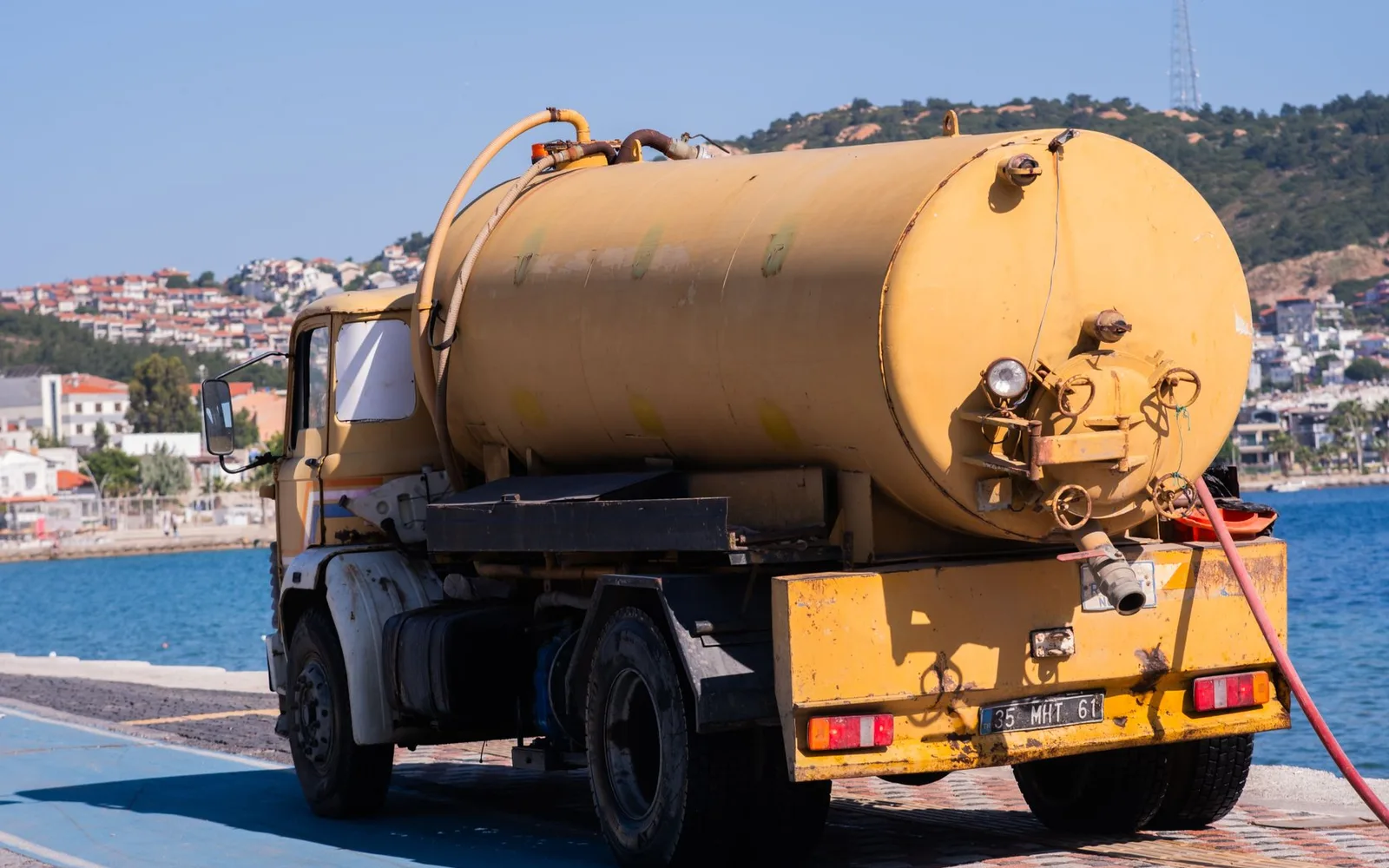
Water tank sealing in Al Naseem Makkah
Al Naseem is a planned residential district in the south east on the Fourth Ring Road and Fatimah Al Zahra Street. Villas and apartment buildings sit on an orderly grid, and the tanks here face direct sunlight and intense heat year-round. Hot water and continuous thermal expansion and contraction create cracks in tank walls and floors.
-
Potable-rated materials
Linings and disinfectants cleared for drinking water tanks, not general-purpose products.
-
You get the downtime first
How many hours the tank is out of service, told before we start rather than after we finish.
-
A first-draw flush
We run the first draw off after refilling, and the tank is not handed back until the water runs clear.
-
Ground and roof tanks
Villas, apartment blocks and premises that need a written record of each visit.
Why the job is different in Al Naseem
Most tanks here sit on exposed roofs with no shade, and summer temperatures exceed 50 degrees Celsius, making sealing and insulation essential. The method is set out in full on our Water tank sealing service.
Tanks on exposed unshaded roofs
Most villas and apartment buildings place tanks on roofs with no cover or shade. Direct sun hits tank walls all day, and heat causes rapid concrete cracking.
Floors and wall joints experience continuous stress
The floor-to-wall seams in this district's tanks suffer constant leakage because thermal movement separates dissimilar materials. Hydrostatic pressure widens cracks further.
Pipe entries and outlets are critical weak points
Fill, drain and overflow pipes pierce tank walls, and stress cracks form around these penetrations from movement and pressure. Seals around outlets degrade quickly in extreme heat.
Landmarks of Al Naseem
Access to villas and apartments in Al Naseem runs via the Fourth Ring Road and Fatimah Al Zahra Street. Aisha Al Rajhi Mosque and King Faisal Hotel mark the district boundaries.
- Fourth Ring Road
- Fatimah Al Zahra Street
- King Faisal Road
- Aisha Al Rajhi Mosque
- Al Noor Specialist Hospital
- An Naseem Walkway
What we read before any material is opened
A planned modern district in the south east on the Fourth Ring Road and Fatimah Al Zahra Street, with villas and residential buildings. It lies between Al Awali to the east and the university district to the west.
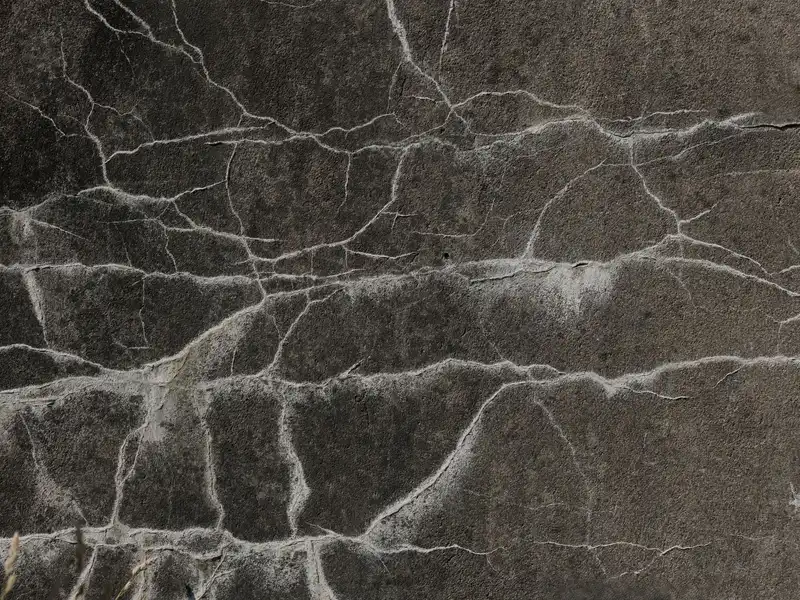
Cracking in the wall
Hairline cracks start on the inner surface of tank walls from rapid thermal cycling caused by daily temperature swings.
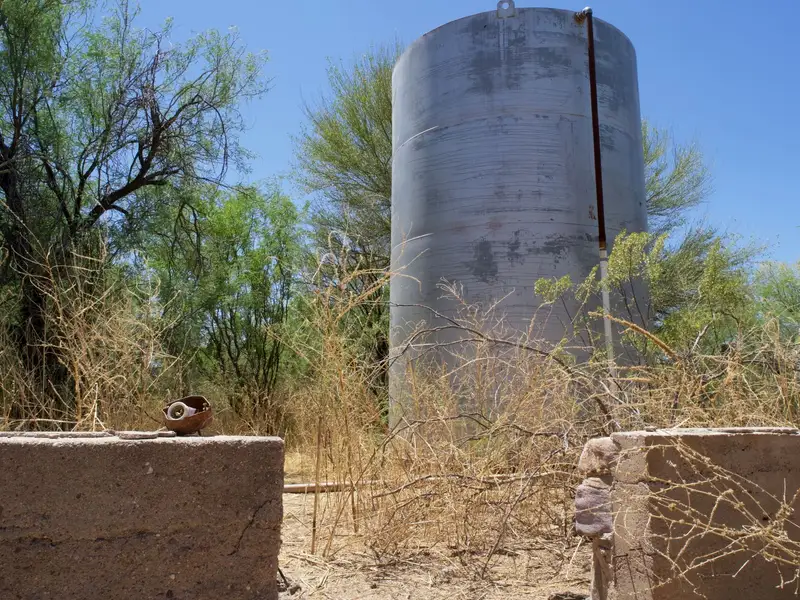
The floor to wall joint
The floor-to-wall joint separates at critical points because concrete expands at different rates, and water finds its way into small gaps.
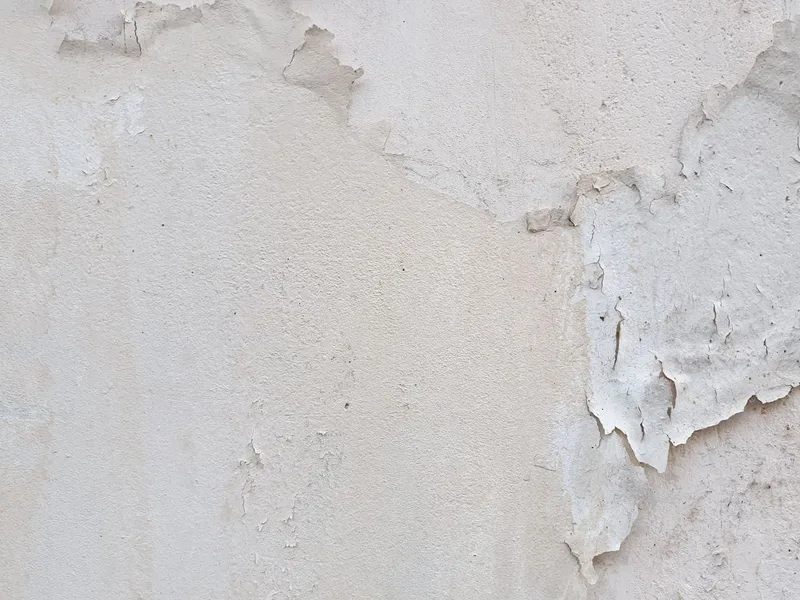
The condition of the old lining
Fill, drain and overflow pipes breach the walls and leak around penetration points due to pressure and movement.
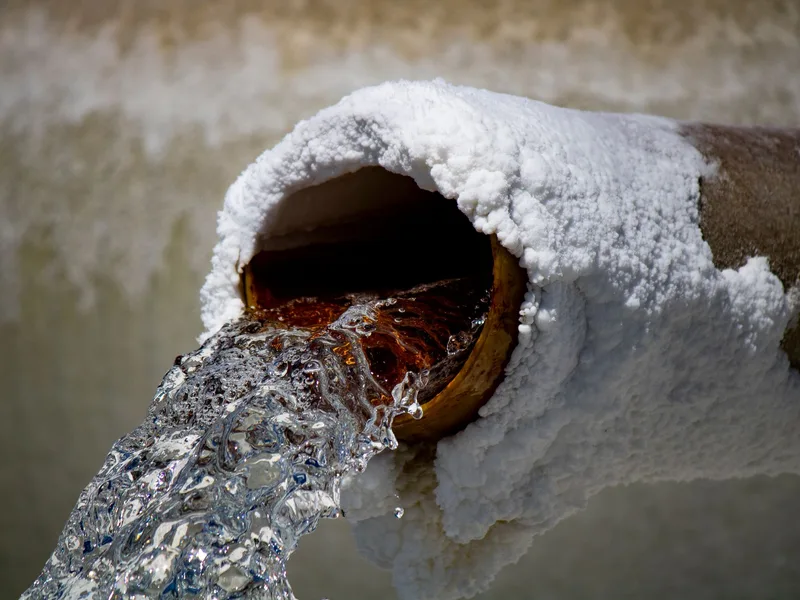
Sediment and scale
Internal humidity remains constant but the outer surface faces extreme heat exceeding 50 degrees, creating additional hydrostatic pressure.
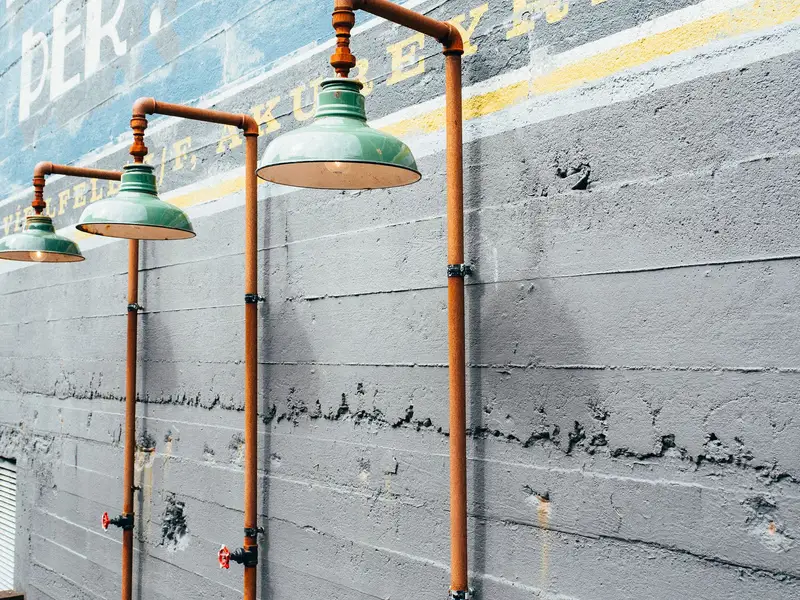
The pipe entries
The entire tank needs careful inspection to find hidden cracks in floors, corners and old voids.
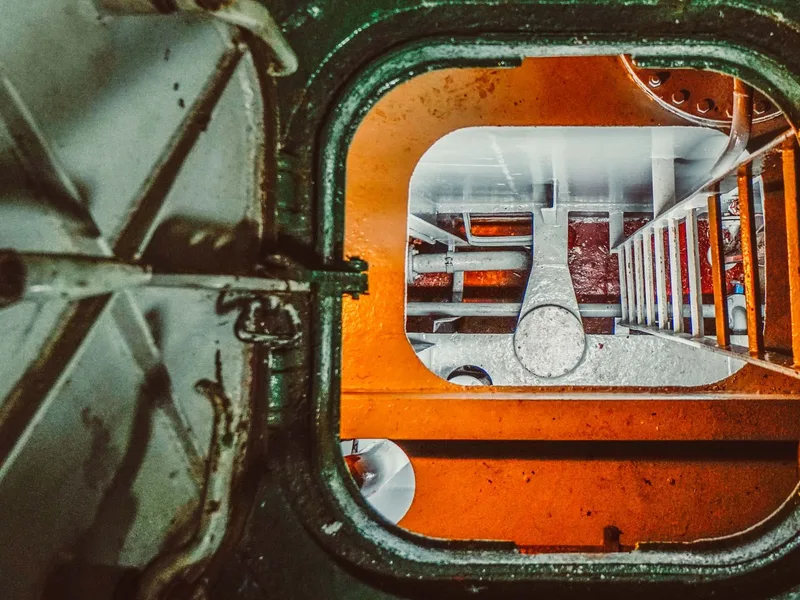
The hatch and the vent
Bacteria and sediment accumulate on surfaces and in cracks, so full sterilisation is necessary before the tank returns to service.
How we work
-
1
Inspect with the tank empty
We drain it and read the surface dry: whether the water leaves through a crack, a joint or a pipe collar, and what the outer face of the wall and the ceiling below are telling us. A level test with the valves closed separates a leaking tank from leaking pipework.
-
2
Clean and prepare the substrate
Sediment out, a high pressure wash, the loose old lining and the weak surface layer of the concrete taken back, then dried. The material grips sound substrate and nothing else.
-
3
Make the cracks and joints good
Cracks are chased out and filled with a repair mortar, a cove is formed where the floor meets the wall, and every pipe collar is treated on its own.
-
4
Lining, fill test, sterilisation
Successive coats, each run across the one beneath it, on the face the water touches. Then a full cure, a fill with the level watched, and sterilisation with the first fill run to waste before the tank returns to use.
What water tank sealing includes
-

Finding where the water leaves
Carried out drained and dry: cracks, joints, pipe collars and the outer face of the wall.
-

Draining and sediment removal
The last of the water and the settled layer on the floor come out, because a lining does not stick over sediment.
-
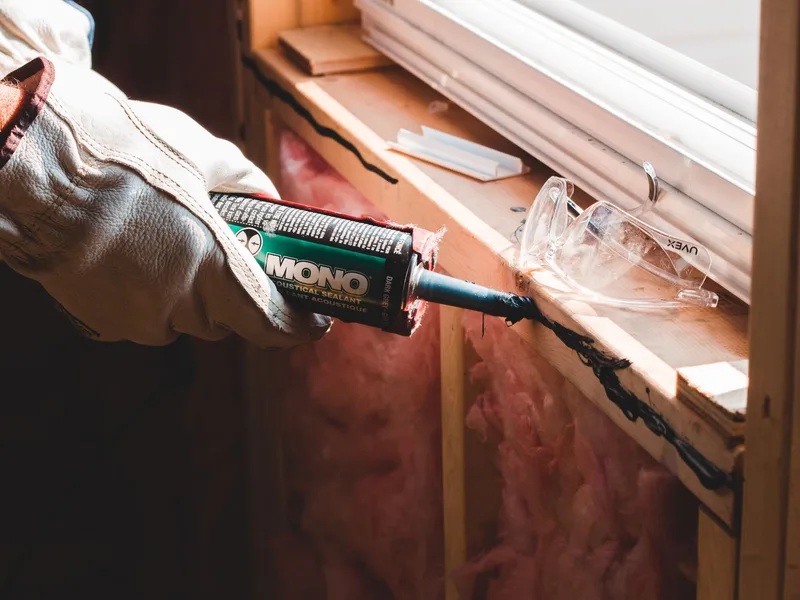
Cracks and joints made good
The crack opened and filled, a cove formed at the floor to wall junction, and each pipe entry worked separately.
-

Lining coats on the water face
More than one coat, each crossing the one below, in material made for drinking water tanks rather than roof waterproofing.
-

Curing, fill test and sterilisation
The material is left to cure, the tank is filled and the level watched, then sterilised and the first fill run to waste. How long the cure takes follows the material and the weather, and we tell you before the date so you can plan around the supply.
-

A follow-up level check
We come back once it is in service to read the level and check the outer face, because any remaining loss shows up then rather than on the day of the work.
What is different about Al Aziziyah (Makkah) Sub-Municipality
Al Aziziyah sub municipality runs from the Bin Dawood markets to the Al Hada road and carries pilgrim traffic to Mina. Hotel towers and furnished apartment blocks fill and empty with the Hajj and Ramadan seasons, and the kitchens, restaurants and markets along Al Masjid Al Haram Road and King Abdulaziz Road leave food waste at every peak. Southwards the fabric loosens into villas and planned streets in An Naseem and Al Awali, then Al Abidiyah's campus and the old farms of Al Husayniyah, where Wadi Uranah holds water after rain and farm enclosures shelter rodents and reptiles.
Questions about this district
Why do tanks crack faster in Al Naseem than in other districts?
The district is planned and modern, with tanks on exposed unshaded roofs. Sun and high heat cause constant expansion and contraction of concrete.
Is lining alone enough or do we need extra insulation?
Lining protects the inner surface from water. External insulation protects the concrete itself from heat-induced cracking. Both together are best.
Is lining thickness different here compared to coastal areas?
Yes. Heat here is higher and concrete expands more. We use thicker and more flexible lining layers.
Is crack repair alone enough or must we reline the whole tank?
Crack repair alone is temporary. Heat will cause new cracks unless we reline the entire surface and seal it.
How many full cleans does a tank need before sealing?
At least one before lining. We empty the tank fully and expose the sound concrete substrate before starting repair and lining.
Do new plastic pipes reduce cracking around outlets?
They may help. But pipe-to-concrete joints are the weak point. These joints must be sealed with flexible material before lining.
How much does water tank sealing in Al Naseem cost?
It is set after the inspection, because the price follows the type of infestation, the size of the space, how far it has spread and the number of visits it needs. Send a photo and a description on WhatsApp and we will give you an estimate before we reach Al Naseem.
Nearby districts we cover
Other services in Al Naseem
Other services we provide to residents of Al Naseem.
-
 Water tanks
Water tank cleaning
-
 Water tanks
Water tank sterilization
-
 Water tanks
Tank leak repair
-
 Residential
Cockroach control
Need water tank sealing in Al Naseem? Tell us what you saw and we will tell you what it needs
We reach Al Naseem at a time we agree, and you get the full cost before we start.