
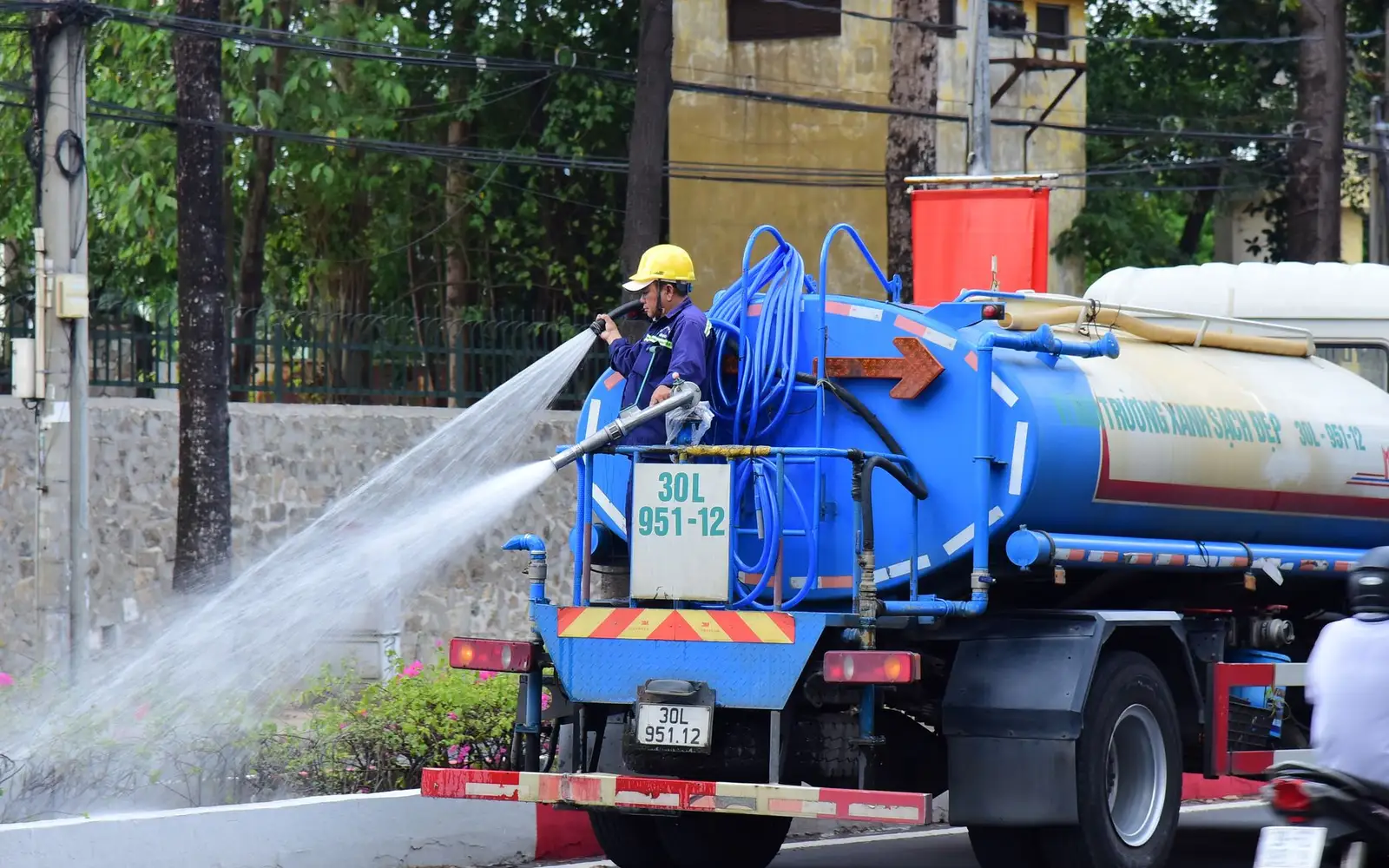
Water tank cleaning in Al Rawabi Jeddah
In Al Rawabi, single tanks serve multiple units stacked vertically, and the sediment that settles at the bottom reaches every flat connected to it. A cloudy tap in an upper storey points straight to the tank, so cleaning here is not optional. The order in which you drain, scrub and refill is what keeps the distribution network itself clean.
-
Potable-rated materials
Linings and disinfectants cleared for drinking water tanks, not general-purpose products.
-
You get the downtime first
How many hours the tank is out of service, told before we start rather than after we finish.
-
A first-draw flush
We run the first draw off after refilling, and the tank is not handed back until the water runs clear.
-
Ground and roof tanks
Villas, apartment blocks and premises that need a written record of each visit.
Why the job is different in Al Rawabi
Tanks in the district often show green deposits on their walls, driven by the high coastal humidity and by maintenance hatches that have come loose and let light in. The method is set out in full on what Water tank cleaning involves.
Shared tanks and visible sediment layers
When one tank supplies several residential units, the sediment settling at its bottom affects the water quality reaching every floor. Pressure differs between upper storeys and lower ones, so cleaning must account for uneven distribution of settled matter. Simply flushing the pipe leaves the tank unchanged for the next resident who opens the tap.
Green algae and maritime humidity
Al Rawabi lies close to the sea and the port, with humidity that drives rapid algal growth on the inside walls of tanks. Loose or missing maintenance covers let sunlight in, accelerating green algae even in tanks that sit in shade. The pressure wash must reach every corner where light has fed a bloom.
Aged drainage networks and mandatory disinfection
Waste pipes in the lower floors of apartment blocks suffer salt and mineral buildup from years of recycled moisture. Disinfection after washing is not a luxury step but a shield against bacteria feeding on the corroded pipe surfaces and finding their way back up into the newly cleaned tank.
Landmarks of Al Rawabi
In Al Rawabi, tanks sit on rooftops along Old Makkah Road and Bin Laden Road. When we reach a tank for cleaning, we enter through the building's main entrance, and we may use Bin Laden Park as a reference point for navigation in this densely packed district.
- Old Makkah Road
- Bin Laden Road
- Bin Laden Park
- Ibn Al Qayyim Mosque
- Al Rawabi Shopping Centre
The condition of the tank decides the method
Al Rawabi is a dense mixed district of apartment buildings straddling Old Makkah Road and Bin Laden Road, where shared tanks feed multiple residential units and drainage depends on a common network beneath them.
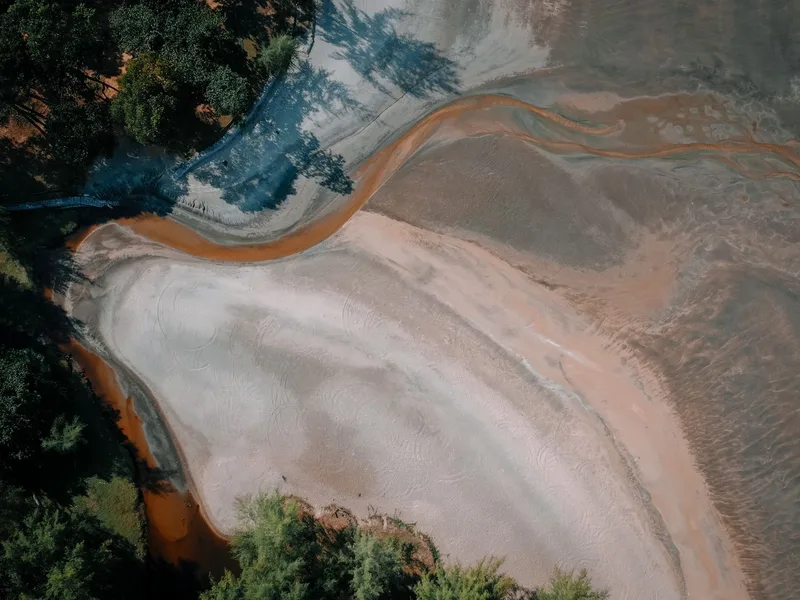
The layer on the floor
The settled layer at the bottom varies in depth from storey to storey depending on water pressure and the speed at which sediment has accumulated.
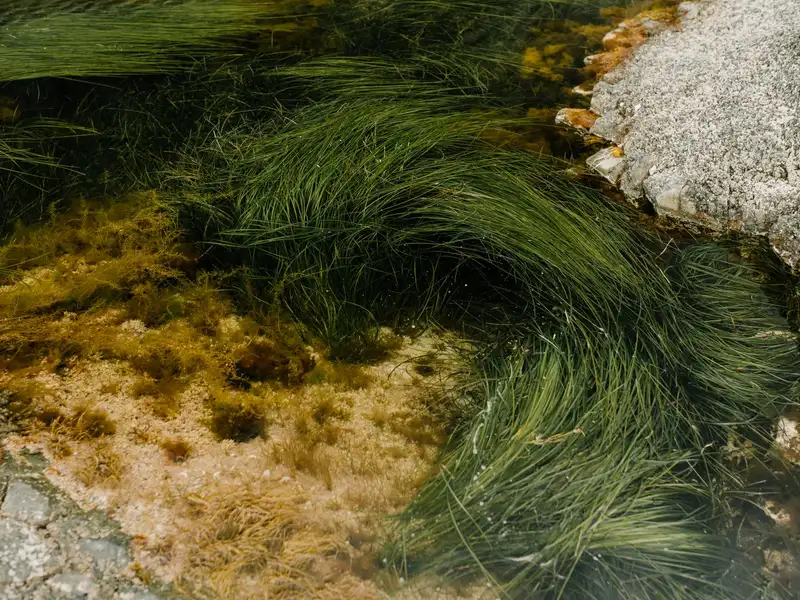
Light and algae
Green algae forms quickly on the walls of tanks where sunlight reaches through broken maintenance covers and the interior lacks complete darkness.
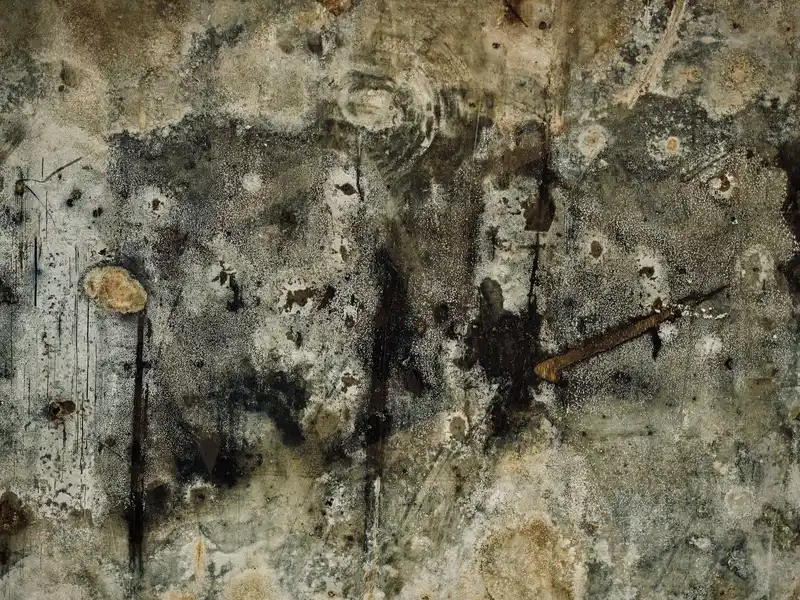
The deposit on the wall
The white or yellowish deposit on tank walls is mineral salt from the coastal humidity, heavier in older buildings where tank maintenance has been deferred.
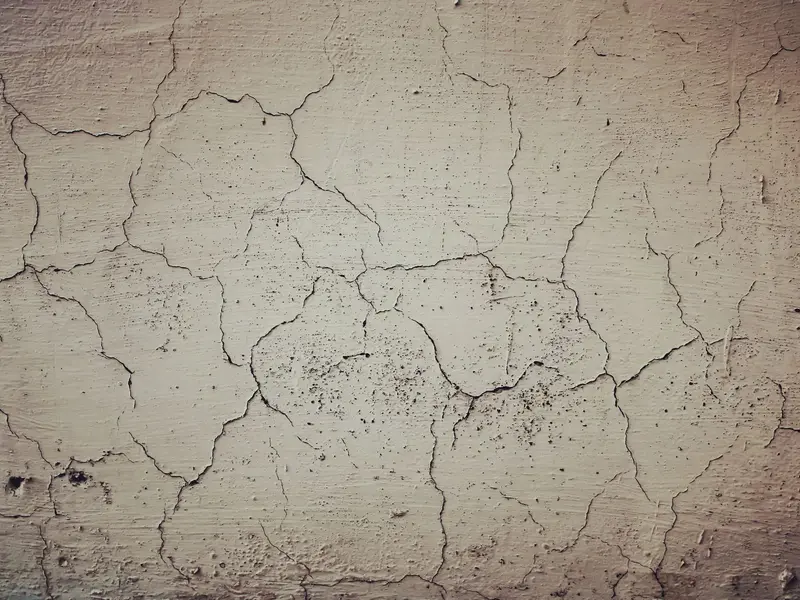
The lining and hairline cracks
Hairline cracks in the tank lining allow moisture to seep outward, weakening the structure and accelerating decay in the damp maritime climate.
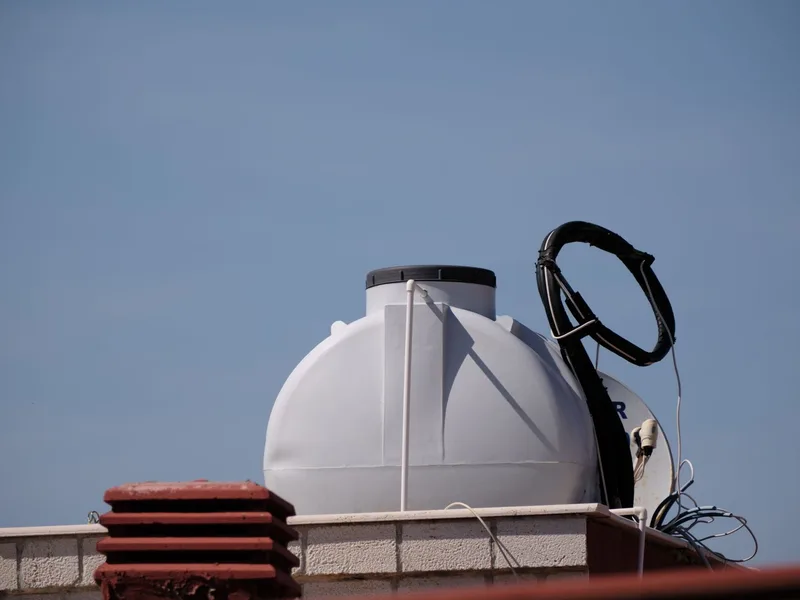
The lid and the access hatch
Tank lids in apartment blocks are often loose or cracked, and maintenance hatch covers become packed with sand and dust from the salty air.
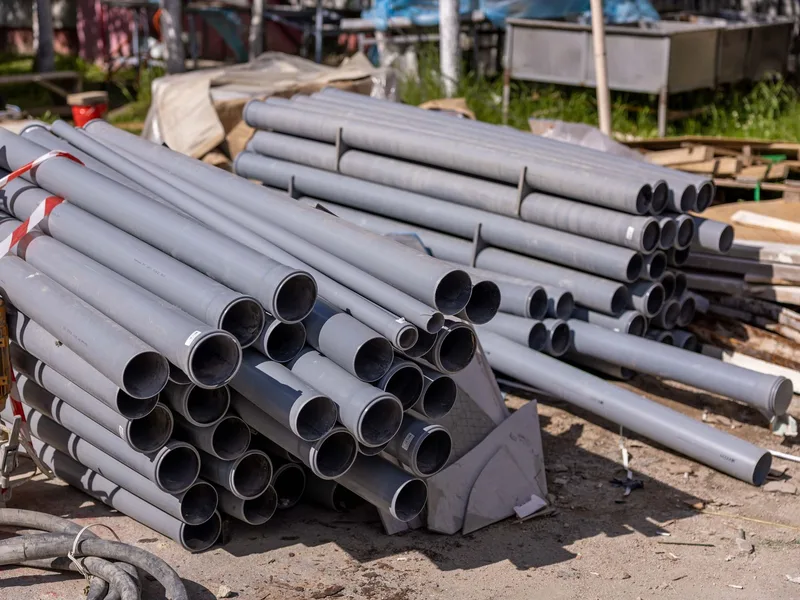
The vent and the overflow pipe
Vent openings collect humidity and dust from the salt laden breeze, and overflow pipes may be damaged, letting water run down the building face toward the foundations.
How we work
-
1
Inspect before the drain
Tank type and material, the condition of the lining, the depth of the sediment, the lid and the vent, and where the drained water will go. We agree the window without supply before anything is opened.
-
2
Drain, then lift the sludge
The water leaves through the outlet, then the layer beneath it is taken out by hand and by suction. That layer is the reason for the visit, not the water that ran out ahead of it.
-
3
High pressure wash
Walls, floor and the joint where they meet, with a brush wherever the film resists, then the wash water is taken out completely so nothing we lifted settles again.
-
4
Disinfect and put back in service
Disinfectant over every internal surface, left for its contact time and then rinsed out, followed by the refill, a first draw off at the taps, and a report on what was inside the tank.
What water tank cleaning includes
-

An inspection before the valve
Tank type, lining condition, depth of sediment, lid and vent, recorded before any water leaves.
-

Full drain and sediment removal
The water through the outlet, and the layer below it by hand and by suction until the floor itself is showing.
-

Pressure washing walls and floor
High pressure across the surfaces and corners, and a brush on anything water alone will not lift.
-

Disinfection after the wash
A disinfectant intended for drinking water tanks, named to you before it is used, left for its contact time and then rinsed out.
-

Refill and the first draw off
We refill, run the taps so the new water moves through the pipework, and tell you when it is ready to use.
-

A report and the next date
What was inside the tank, anything on the lid or the lining that needs repair, and a sensible date for the next clean.
What is different about Al Jamiah Sub-Municipality
Al Jamiah sub municipality spans the older south of Jeddah. Planned districts such as Al Fayha, Al Thaghr and Madain Al Fahd sit beside crowded popular quarters like the Nazlahs and Al Quraiyat, and beside cleared or clearing land in Ghulail, Petromin and Al Thaalibah awaiting redevelopment. Apartment buildings stand close together above dense runs of shops and restaurants along Old Makkah Road and Prince Majid Road. Drainage in the popular quarters is ageing, humid air drifts in from the port and refinery side to the west, and the flat low lying ground holds rainwater in narrow streets.
Questions about this district
Why does the water from upper floor taps turn cloudy?
When a flat sits high in a building, sediment from the tank bottom lifts off as the pump draws hard. Regular cleaning prevents this buildup and ensures clear water reaches every floor. Without it, each surge of demand stirs up the settled layer again.
Does draining the shared tank cut water to other flats?
Yes, when we drain a tank that serves multiple units, all of them lose water. We drain slowly and refill slowly after disinfection to prevent sediment from re-entering the distribution pipes to any flat as the pressure rises.
Small insects appear in the tank on the roof. Where do they come from?
Insects enter through broken maintenance hatches and loose vent pipes. Cleaning removes any organic matter that feeds them, and sealing the openings stops them from finding their way back in.
Should the tank be cleaned before summer?
Summer speeds up algal and bacterial growth, so cleaning a week or two before the hot months arrive keeps the water clear throughout. A tank neglected until summer becomes a problem tank by mid July.
Does sea salt from the air settle inside the tank?
Yes, high coastal humidity carries salt in the air itself. This deposits on tank walls and around the overflow opening, creating white and yellowish rings. High pressure washing and disinfection remove these salt films.
Do upper floor and lower floor tanks need different cleaning methods?
Yes. Lower floor tanks have less water pressure above them, so sediment settles harder and takes longer to lift. Upper tanks need more frequent cleaning because the constant flow keeps disturbing the sediment layer.
How much does water tank cleaning in Al Rawabi cost?
It is set after the inspection, because the price follows the type of infestation, the size of the space, how far it has spread and the number of visits it needs. Send a photo and a description on WhatsApp and we will give you an estimate before we reach Al Rawabi.
Nearby districts we cover
Other services in Al Rawabi
Other services we provide to residents of Al Rawabi.
-
 Residential
Cockroach control
Residential
Cockroach control
-
 Residential
Bed bug control
Residential
Bed bug control
-
 Residential
Termite control
Residential
Termite control
-
 Residential
Rodents and mice
Residential
Rodents and mice
-
 Residential
Mosquito control
Residential
Mosquito control
-
 Residential
Fly control
Residential
Fly control
-
 Residential
Ant control
Residential
Ant control
-
 Residential
Gecko control
Residential
Gecko control
-
 Residential
Scorpion control
Residential
Scorpion control
-
 Residential
Snake control
Residential
Snake control
-
 Residential
Flea control
Residential
Flea control
-
 Residential
Bird and pigeon control
Residential
Bird and pigeon control
-
 Residential
Preventive treatment
Residential
Preventive treatment
-
 Residential
Disinfection
Residential
Disinfection
-
 Commercial
Annual contracts
Commercial
Annual contracts
-
 Commercial
Restaurants and cafes
Commercial
Restaurants and cafes
-
 Commercial
Hotels and apartments
Commercial
Hotels and apartments
-
 Commercial
Warehouses and factories
Commercial
Warehouses and factories
-
 Commercial
Schools and nurseries
Commercial
Schools and nurseries
-
 Commercial
Retail and malls
Commercial
Retail and malls
-
 Commercial
Rest houses and farms
Commercial
Rest houses and farms
-
 Commercial
Fumigation
Commercial
Fumigation
-
 Water tanks
Water tank sterilization
Water tanks
Water tank sterilization
-
 Water tanks
Water tank sealing
Water tanks
Water tank sealing
-
 Water tanks
Tank leak repair
Water tanks
Tank leak repair
Need water tank cleaning in Al Rawabi? Tell us what you saw and we will tell you what it needs
We reach Al Rawabi at a time we agree, and you get the full cost before we start.