
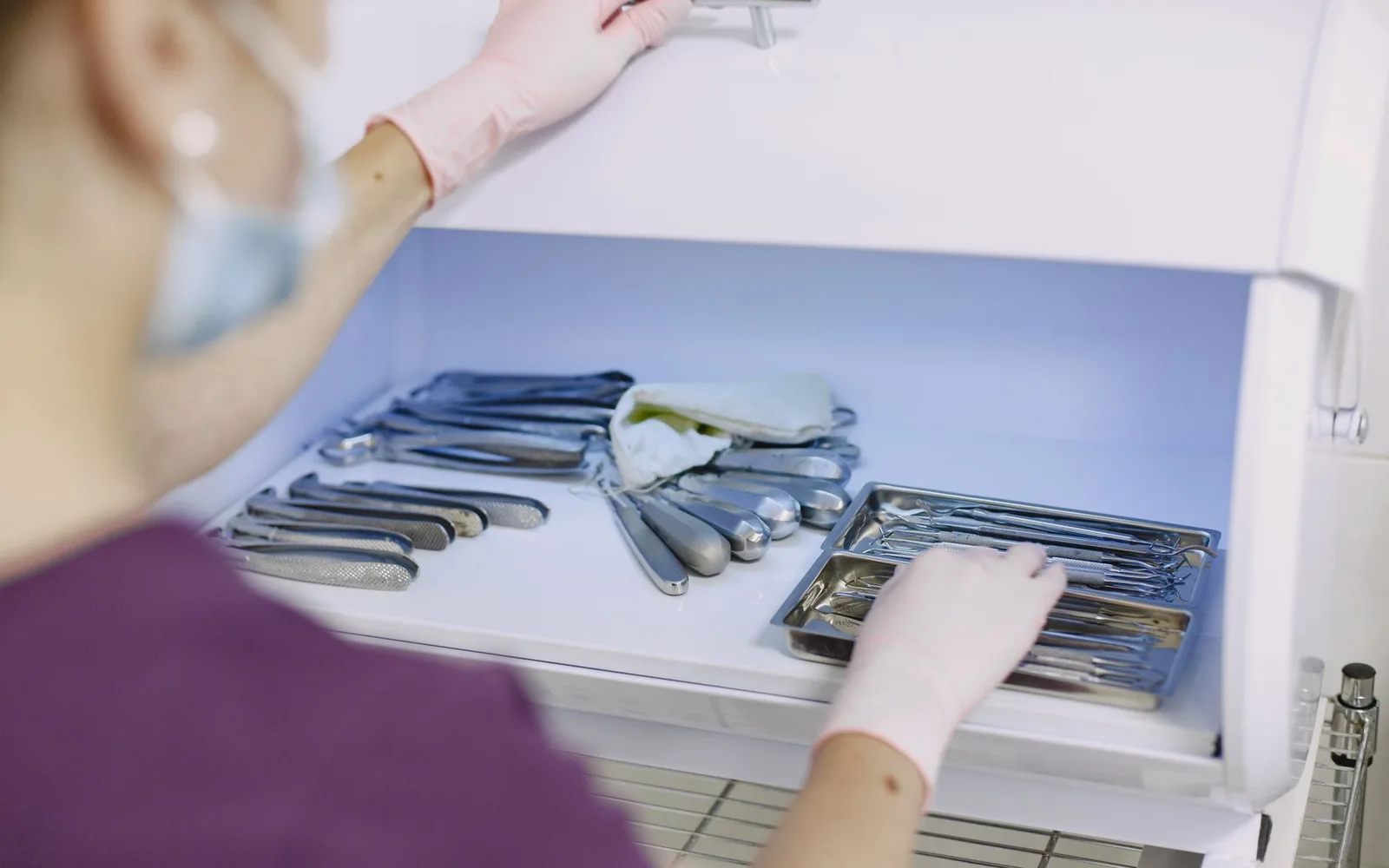
Water tank sterilization in Al Rawabi Jeddah
Al Rawabi is a densely populated residential quarter in south Jeddah split into a newer northern section and an older southern strip. Tall apartment buildings and numerous shopping centres mean tanks are very large and serve hundreds of residents. Moisture from commercial areas and the crowded setting accelerate algal growth and sediment buildup.
-
Potable-rated materials
Linings and disinfectants cleared for drinking water tanks, not general-purpose products.
-
You get the downtime first
How many hours the tank is out of service, told before we start rather than after we finish.
-
A first-draw flush
We run the first draw off after refilling, and the tank is not handed back until the water runs clear.
-
Ground and roof tanks
Villas, apartment blocks and premises that need a written record of each visit.
Why the job is different in Al Rawabi
Most apartment buildings are eight to twelve storeys, and tanks are very large serving multiple units and holding hundreds of thousands of litres. The method is set out in full on how we approach Water tank sterilization.
Large tanks allow longer settling but harbour deeper pollution
Large tanks in Al Rawabi permit longer natural water settling, but sediment accumulates to greater depth and becomes harder to remove. Algae may grow in layers deep within, away from light.
Commercial centres introduce pollution sources from adjacent moisture
Shops and commercial areas in Al Rawabi provide extra moisture from restaurants and public bathrooms. Groundwater around buildings may carry contamination from drainage networks and nearby quarry layers.
North-south building division means different construction standards
The newer northern section has tanks built to higher standards with pre-filters. The older southern section has weaker tanks and may contain cracks and leaks.
The character of Al Rawabi
Mixed district: shops at street level with homes above them
Al Rawabi is a mixed quarter blending newer and older construction with high residential density. Large tanks are not exposed but typically housed in rooms attached to building rooftops. Treatment requires complete removal of complex sediment layers before sterilization, plus flushing from the furthest taps throughout the building.
What we read inside the tank before anything starts
A mixed residential quarter in south Jeddah in two parts: a newer northern section crossed by Bin Laden Road and an older southern strip along Old Makkah Road. Apartment buildings dominate, with shopping centres, neighbourhood parks such as Bin Laden Park, and dense community services.
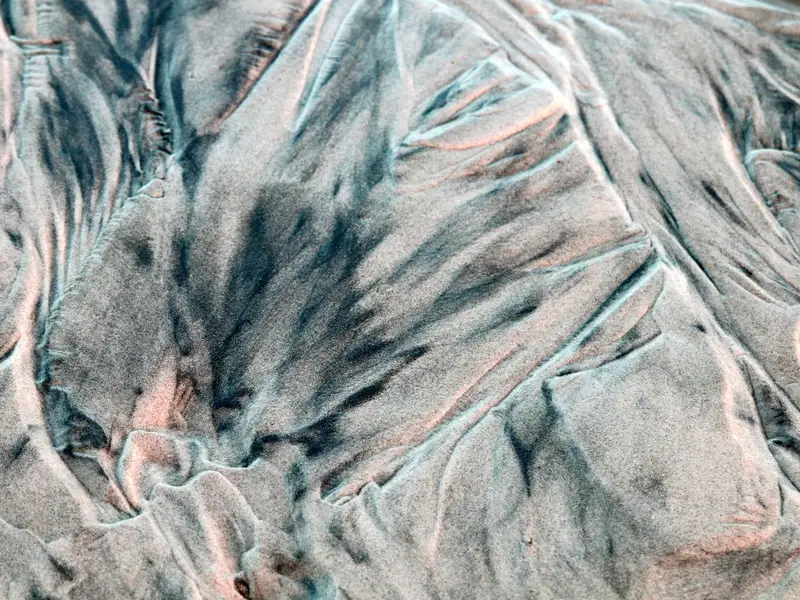
Sediment on the floor
Water entering large tanks may carry heavy metals and particulate pollution that settles slowly on the floor and walls over weeks.
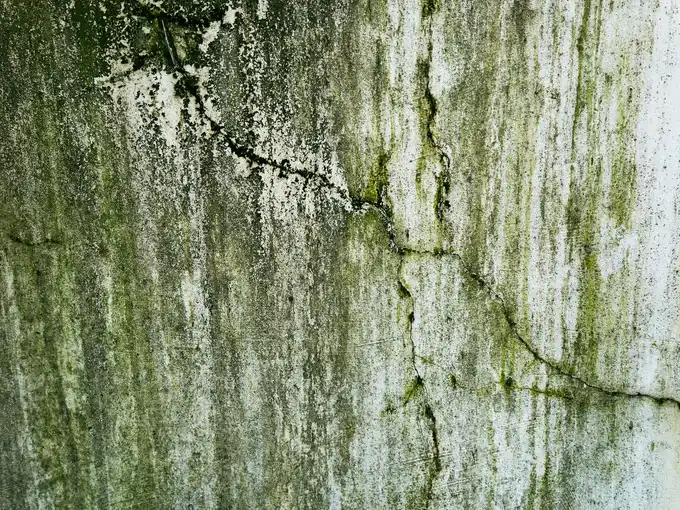
The slime film on the wall
Algae and organic growth develop in multiple layers inside large tanks, with green surface algae and deep bacteria beneath sediment deposits.
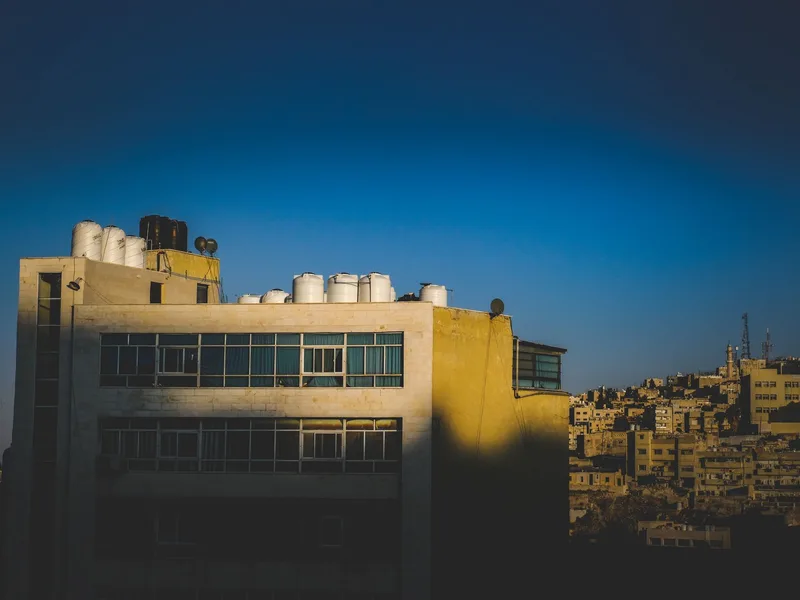
Light and heat
Pipe networks from tank to multiple residential units feature complex distribution loops requiring thorough flushing through all outlets.
The lining and any cracking
Moisture from commercial areas and nearby quarries provides baseline humidity making tanks an excellent environment for biological growth.
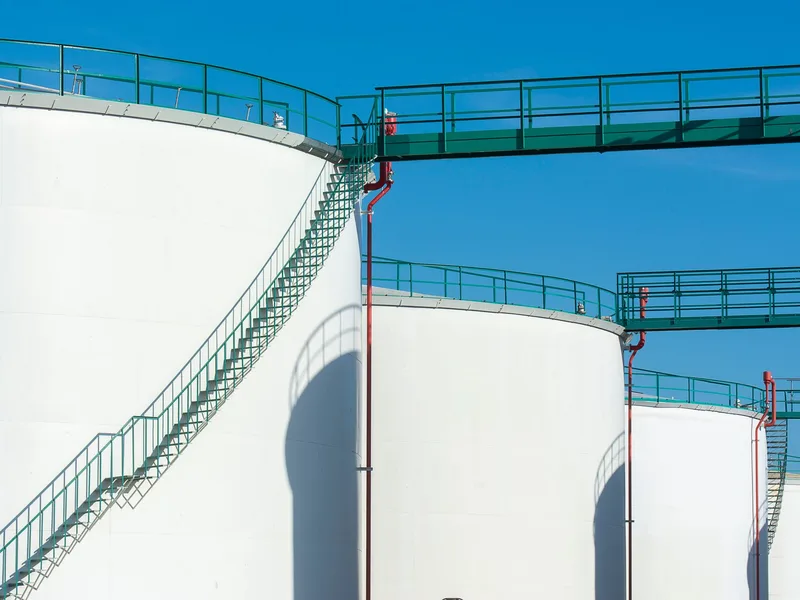
The lid and the openings
Accumulated sediment may contain sand, clay and decomposed organics from groundwater and old supply lines.

What shows up at the tap
Foul smell and darkened water indicate anaerobic bacteria and dead organic matter, especially at the base of large tanks that are not emptied regularly.
How we work
-
1
Inspect and record the condition
We open the hatch and work through what the tank is made of and how big it is, how deep the sediment lies, the state of the lining, whether the lid and the overflow seal, and whether there is a crack that has to be repaired before any sterilizing.
-
2
Drain and lift the sediment out
The water goes out, then the silt and sand are lifted off the floor by suction rather than pushed toward the outlet, because pushing them sends them into the house pipework and the heater.
-
3
High pressure wash
Walls, floor, corners and the area around the outlet, until the slime film is completely gone. This is the step that makes the sterilizing after it mean anything.
-
4
Sterilize, rinse, then return to service
The sterilizing agent goes onto the walls, the floor and the underside of the lid and is left for its contact time, then we rinse, refill and run the furthest tap until the whole line is clear.
What water tank sterilization includes
-

A recorded inspection
Material, capacity, sediment depth, the state of the lining, the lid and the overflow, all before any work begins.
-

Draining and sediment removal
The water out, and the silt and sand lifted off the floor instead of being pushed into the outlet and the house pipework.
-

High pressure washing
Walls, corners and around the outlet, until the biofilm that no disinfectant penetrates has gone.
-
Sterilizing the internal surfaces
A sterilizing agent meant for drinking water tanks, applied to the walls, the floor and the underside of the lid, and left for its contact time.
-

Line flush and aftercare
Rinse, refill and a flush from the furthest tap, when the water is usable again, and what to change in the filter afterwards.
-

The next cycle
We agree the right interval for your tank from how it is filled, how much sun it takes and the condition of the lid.
What is different about Al Jamiah Sub-Municipality
Al Jamiah sub municipality spans the older south of Jeddah. Planned districts such as Al Fayha, Al Thaghr and Madain Al Fahd sit beside crowded popular quarters like the Nazlahs and Al Quraiyat, and beside cleared or clearing land in Ghulail, Petromin and Al Thaalibah awaiting redevelopment. Apartment buildings stand close together above dense runs of shops and restaurants along Old Makkah Road and Prince Majid Road. Drainage in the popular quarters is ageing, humid air drifts in from the port and refinery side to the west, and the flat low lying ground holds rainwater in narrow streets.
Questions about this district
Why does sterilization of large Al Rawabi tanks take longer?
Large tanks require extra time to flush all pipes and lines from the furthest tap. The volume of sterilizing agent increases with tank size and stored water.
Does water quality differ between upper and lower flats in Al Rawabi buildings?
Yes. Upper flats may receive better water as it has not settled long. Lower flats may receive sediment from the tank base if cleaning was incomplete.
Does water from nearby quarries contaminate Al Rawabi tanks?
Groundwater may carry contamination from abandoned quarries and old rubble. The inlet filter on the tank may need separate cleaning.
Is once-yearly sterilization enough for the large tanks in newer Al Rawabi?
Tanks in newer Al Rawabi may be in better condition if built to higher standards. Heavy use may still require additional sterilization every six months.
Do algae in large tanks grow in different layers?
Yes. Algae may grow in upper layers where light reaches and anaerobic bacteria thrive in lower layers. Full tank cleaning requires accessing all layers.
How do we handle old cracked tanks in southern Al Rawabi?
Small cracks may be manageable with cleaning and sterilization for a short period. Large cracks may require tank repair or replacement.
How much does water tank sterilization in Al Rawabi cost?
It is set after the inspection, because the price follows the type of infestation, the size of the space, how far it has spread and the number of visits it needs. Send a photo and a description on WhatsApp and we will give you an estimate before we reach Al Rawabi.
Nearby districts we cover
Other services in Al Rawabi
Other services we provide to residents of Al Rawabi.
-
 Water tanks
Water tank cleaning
-
 Water tanks
Water tank sealing
-
 Water tanks
Tank leak repair
-
 Residential
Cockroach control
Need water tank sterilization in Al Rawabi? Tell us what you saw and we will tell you what it needs
We reach Al Rawabi at a time we agree, and you get the full cost before we start.