
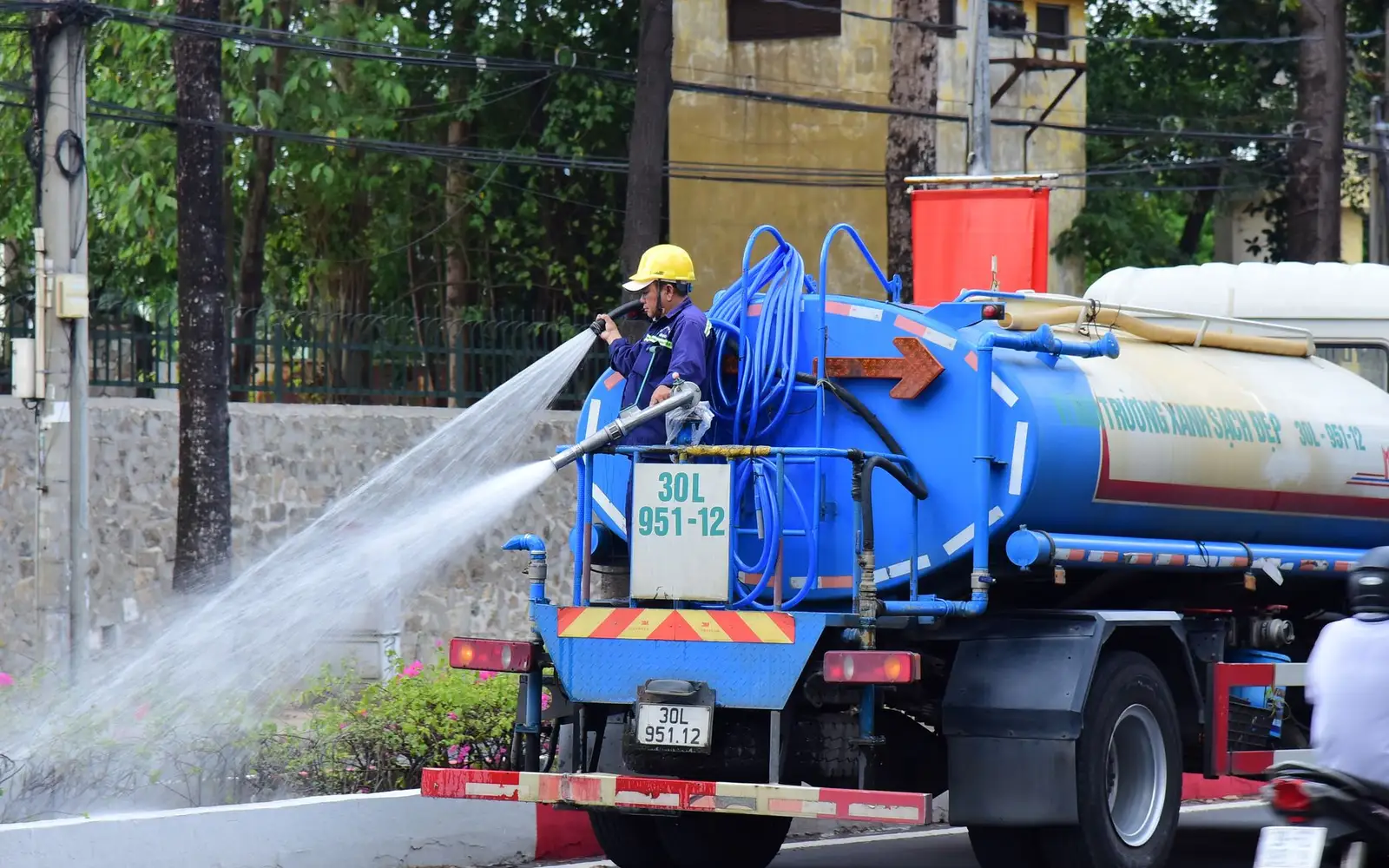
Water tank cleaning in Al Sawari Jeddah
Al Sawari is a recently built northern district where street level shops sit below residential flats, which means a single tank serves mixed-use occupancy with widely varying daily water demand. The combination of commercial and residential consumption leaves different kinds of debris and requires a cleaning strategy adapted to both.
-
Potable-rated materials
Linings and disinfectants cleared for drinking water tanks, not general-purpose products.
-
You get the downtime first
How many hours the tank is out of service, told before we start rather than after we finish.
-
A first-draw flush
We run the first draw off after refilling, and the tank is not handed back until the water runs clear.
-
Ground and roof tanks
Villas, apartment blocks and premises that need a written record of each visit.
Why the job is different in Al Sawari
Commercial tanks foul faster than residential ones because usage is more intense and cooking and laundry leave grease and suspended matter that settles more quickly than household sediment. The method is set out in full on how we approach Water tank cleaning.
Mixed use accelerates sediment layering
In a mixed district, a single tank may combine residential and commercial use: restaurants, cafes and pharmacies consume more water and leave suspended matter that settles and hardens faster, shortening the safe interval between cleans compared to a housing only block.
New plumbing runs beside aging pipework
Al Sawari contains recently built blocks alongside older buildings. New pipework is clean, but older pipes shed rust and scale that travel to the tank and accelerate sediment buildup, requiring deeper sediment removal than in newer areas.
Sea humidity affects exposed tanks on roofs
The district's coastal setting means exposed rooftop tanks face high humidity and salt drift, which accelerates lining deterioration and speeds algal growth on internal walls. Coastal tanks need more frequent algae inspection than inland ones.
The character of Al Sawari
Mixed district: shops at street level with homes above them
In a mixed district, one tank may serve occupants with entirely different consumption patterns, so cleaning strategy must be flexible enough to handle the high intensity of commercial use while ensuring stable clean water for residential needs.
The condition of the tank decides the method
The district lies between King Saud Road and Prince Abdulmajeed Road on recently developed coastal ground with moderate humidity and sandy subsoil from the shore's proximity.
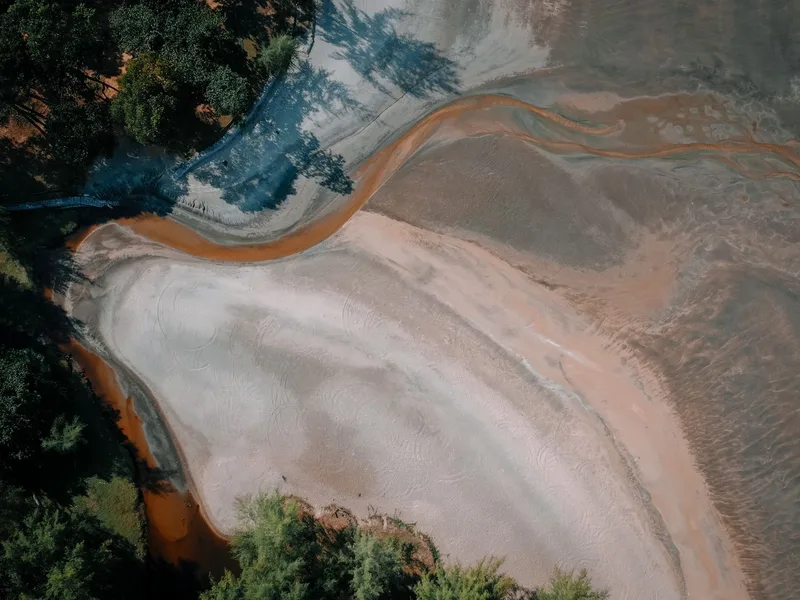
The layer on the floor
Floor sediment in Al Sawari tanks collects construction dust and fine sand from the coastal building site and needs powerful suction to remove it completely during the initial drainage phase.
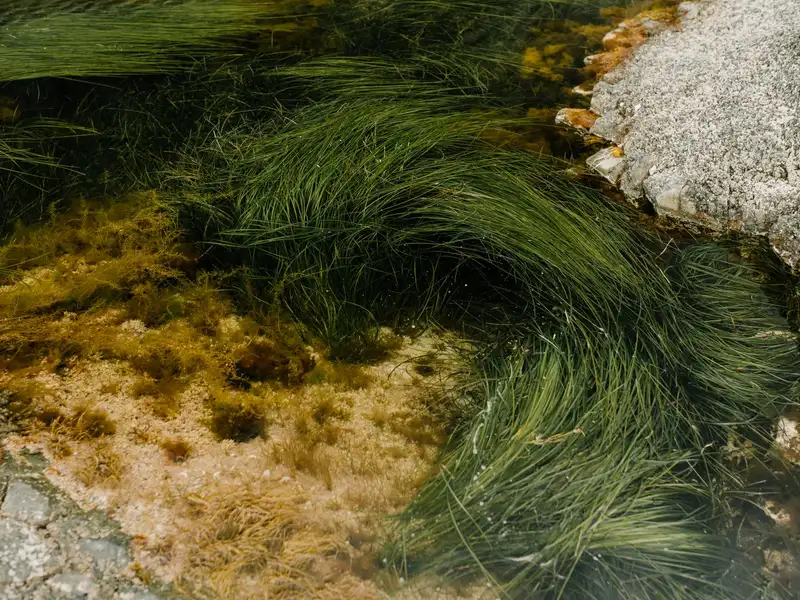
Light and algae
Light reaches exposed rooftop tanks and green algae grow fast, especially during warm seasons when water sits still. The coastal location and summer sun make algal growth faster here than in inland districts.
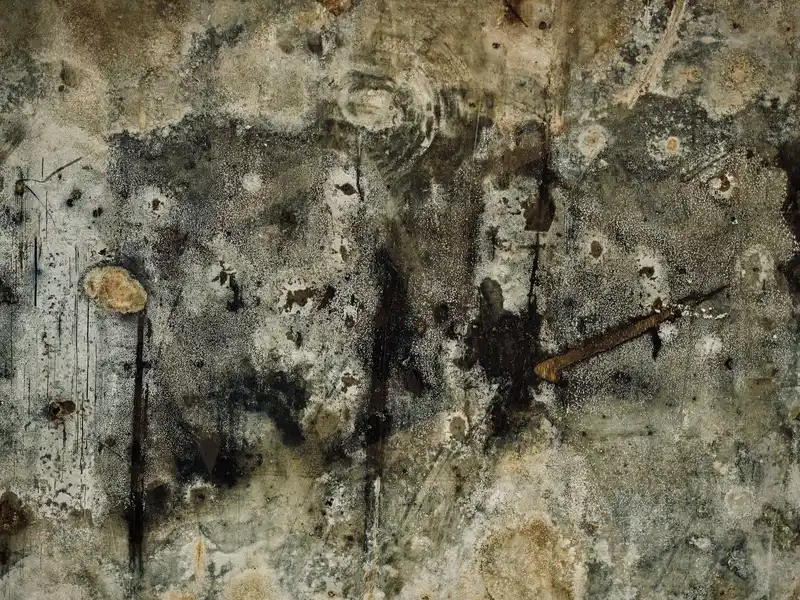
The deposit on the wall
Walls accumulate white scale from calcium and magnesium salts, and the layer is thicker in tanks where continuous evaporation concentrates minerals from standing water.
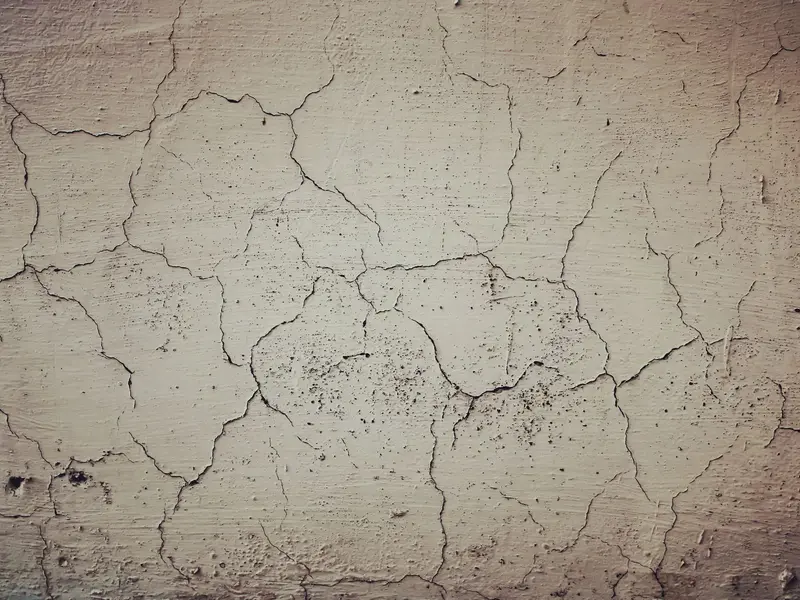
The lining and hairline cracks
Plastic linings in newer tanks can develop hairline cracks from building vibration and sharp temperature swings that the coast's humid, sunny climate amplifies.
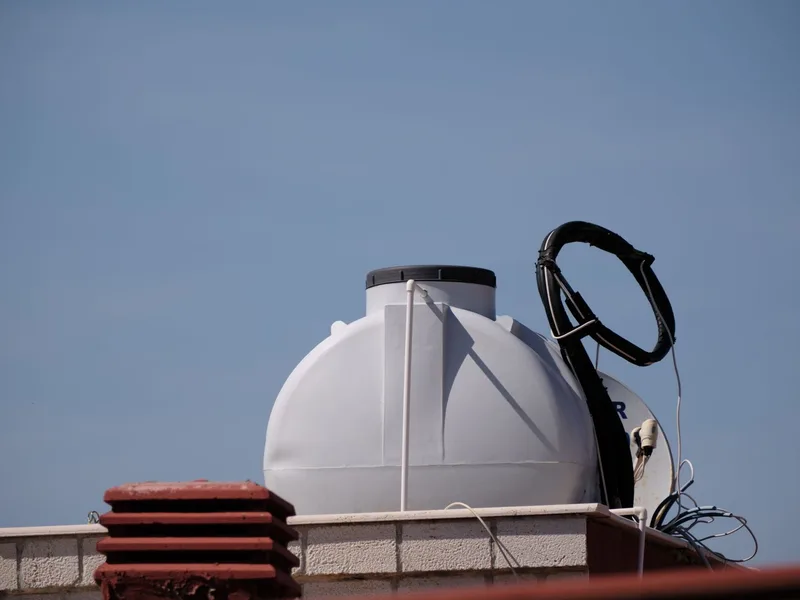
The lid and the access hatch
Tank lids and access hatches in mixed use areas suffer repeated opening and closing, wearing seals and hinges faster than in residential only blocks where usage is more stable.
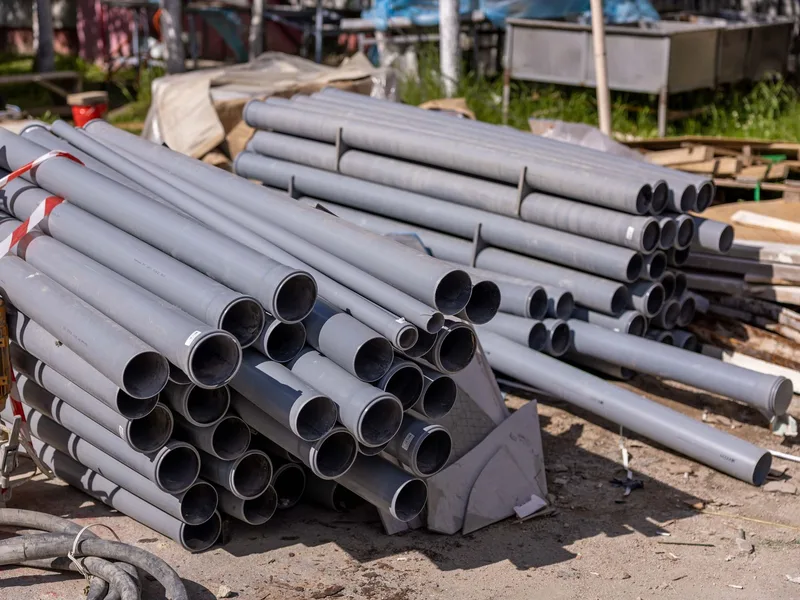
The vent and the overflow pipe
Vent holes and overflow pipes become entry points for insects and dust, especially on humid coastal nights, so they need fine mesh guards that are checked and cleaned during every service.
How we work
-
1
Inspect before the drain
Tank type and material, the condition of the lining, the depth of the sediment, the lid and the vent, and where the drained water will go. We agree the window without supply before anything is opened.
-
2
Drain, then lift the sludge
The water leaves through the outlet, then the layer beneath it is taken out by hand and by suction. That layer is the reason for the visit, not the water that ran out ahead of it.
-
3
High pressure wash
Walls, floor and the joint where they meet, with a brush wherever the film resists, then the wash water is taken out completely so nothing we lifted settles again.
-
4
Disinfect and put back in service
Disinfectant over every internal surface, left for its contact time and then rinsed out, followed by the refill, a first draw off at the taps, and a report on what was inside the tank.
What water tank cleaning includes
-

An inspection before the valve
Tank type, lining condition, depth of sediment, lid and vent, recorded before any water leaves.
-

Full drain and sediment removal
The water through the outlet, and the layer below it by hand and by suction until the floor itself is showing.
-

Pressure washing walls and floor
High pressure across the surfaces and corners, and a brush on anything water alone will not lift.
-

Disinfection after the wash
A disinfectant intended for drinking water tanks, named to you before it is used, left for its contact time and then rinsed out.
-

Refill and the first draw off
We refill, run the taps so the new water moves through the pipework, and tell you when it is ready to use.
-

A report and the next date
What was inside the tank, anything on the lid or the lining that needs repair, and a sensible date for the next clean.
What is different about Dhahban Sub-Municipality
Dhahban sub municipality is the northern coastal strip of Jeddah, running from the north bank of Sharm Obhur up to the old village of Dhahban and Salman Bay. Its districts are recently built, with owner occupied villas and apartments, beach resorts and chalets on the shore, and land subdivisions still being developed. Nearness to the sea keeps humidity high all year, irrigated lawns in villas, resorts and district parks hold water, Wadi Obhur and the vacant plots between buildings give rodents and reptiles shelter, and the old fishing village of Dhahban gives the far north a rural edge.
Questions about this district
Do commercial tanks in shops need cleaning more often than flats?
Yes, commercial use is more intense at set times and leaves grease and suspended matter that settles faster. A restaurant tank may need cleaning monthly while a residential flat could wait three months.
Why does water turn cloudy faster in summer in our area?
Heat speeds algal growth on tank walls and increases bacterial activity. Lower water density raises settled matter, and evaporation concentrates minerals, all of which cloud the water and speed up the visible fouling cycle.
Do you clean rooftop and underground tanks by the same method?
No, rooftop tanks are exposed to light, heat and dust, so they need different treatment. Underground tanks are cooler and darker but prone to moisture and seepage from surrounding soil and well walls.
If the tank is new, does it need cleaning in the first year?
Yes, even new tanks collect manufacturing dust, scale from welding and metal particles from transit. A first clean removes these contaminants before they build up and affect water taste and clarity.
What should we do if the water smells odd coming from the tap?
It could be sulphur from fermented sediment or anaerobic bacteria at the tank floor. Full cleaning and disinfection removes it, though the smell may return if the pipework is old and corroded.
Can we use the water immediately after cleaning or should we wait?
After the final rinse and disinfection, wait a few hours for the disinfectant to work. For drinking water, wait until chlorine vapour has gone. Overnight storage after cleaning is good practice for mixed use blocks.
How much does water tank cleaning in Al Sawari cost?
It is set after the inspection, because the price follows the type of infestation, the size of the space, how far it has spread and the number of visits it needs. Send a photo and a description on WhatsApp and we will give you an estimate before we reach Al Sawari.
Nearby districts we cover
Other services in Al Sawari
Other services we provide to residents of Al Sawari.
-
 Residential
Cockroach control
Residential
Cockroach control
-
 Residential
Bed bug control
Residential
Bed bug control
-
 Residential
Termite control
Residential
Termite control
-
 Residential
Rodents and mice
Residential
Rodents and mice
-
 Residential
Mosquito control
Residential
Mosquito control
-
 Residential
Fly control
Residential
Fly control
-
 Residential
Ant control
Residential
Ant control
-
 Residential
Gecko control
Residential
Gecko control
-
 Residential
Scorpion control
Residential
Scorpion control
-
 Residential
Snake control
Residential
Snake control
-
 Residential
Flea control
Residential
Flea control
-
 Residential
Bird and pigeon control
Residential
Bird and pigeon control
-
 Residential
Preventive treatment
Residential
Preventive treatment
-
 Residential
Disinfection
Residential
Disinfection
-
 Commercial
Annual contracts
Commercial
Annual contracts
-
 Commercial
Restaurants and cafes
Commercial
Restaurants and cafes
-
 Commercial
Hotels and apartments
Commercial
Hotels and apartments
-
 Commercial
Warehouses and factories
Commercial
Warehouses and factories
-
 Commercial
Schools and nurseries
Commercial
Schools and nurseries
-
 Commercial
Retail and malls
Commercial
Retail and malls
-
 Commercial
Rest houses and farms
Commercial
Rest houses and farms
-
 Commercial
Fumigation
Commercial
Fumigation
-
 Water tanks
Water tank sterilization
Water tanks
Water tank sterilization
-
 Water tanks
Water tank sealing
Water tanks
Water tank sealing
-
 Water tanks
Tank leak repair
Water tanks
Tank leak repair
Need water tank cleaning in Al Sawari? Tell us what you saw and we will tell you what it needs
We reach Al Sawari at a time we agree, and you get the full cost before we start.