
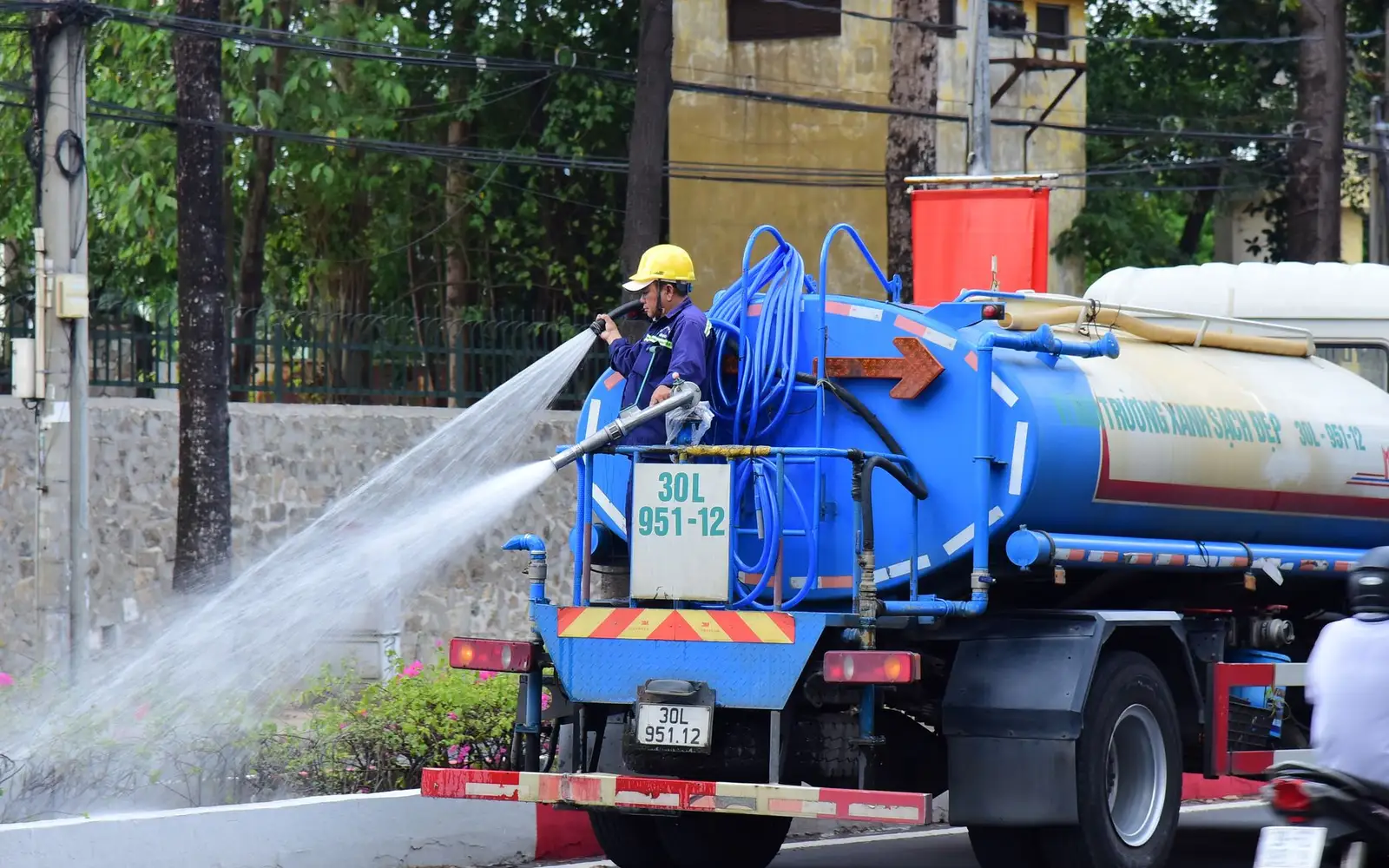
Water tank cleaning in Al Bayban Makkah
Al Bayban is an old Makkan quarter on a hill north of the Grand Mosque, crowned by Qasr Kuwair, a five storey palace of stone and lime, with older stone houses clustered on narrow lanes. Tanks here serve densely packed buildings on drainage networks laid decades ago and rarely fully replaced, imposing a cleaning logic driven by old pipework, not by dust or insects. The district sits between wadis that carry winter floods and raise the water table around tank foundations.
-
Potable-rated materials
Linings and disinfectants cleared for drinking water tanks, not general-purpose products.
-
You get the downtime first
How many hours the tank is out of service, told before we start rather than after we finish.
-
A first-draw flush
We run the first draw off after refilling, and the tank is not handed back until the water runs clear.
-
Ground and roof tanks
Villas, apartment blocks and premises that need a written record of each visit.
Why the job is different in Al Bayban
Tanks in Al Bayban suffer from leakage through old shared pipework beneath the quarter, not from surface contamination or construction dust, but from polluted water entering slowly from underground. The method is set out in full on our Water tank cleaning service.
Narrow lanes and close-packed homes mean old shared pipes run beneath
Al Bayban is an old quarter where stone houses stand shoulder to shoulder on very narrow lanes, and subsurface pipes are shared by large numbers of residents. These pipes were laid over fifty years ago and are patched, not replaced wholesale. Hairline cracks in old drainage pipes allow contaminated water to seep into the tank.
Nearby wadis raise groundwater and keep the soil perpetually damp
Wadi Al Zahir and Wadi At Tanim flow close by, and winter floods raise the groundwater level around tank foundations. This contaminated groundwater presses against the tank walls from outside and seeps through any hairline crack in the concrete. Persistent damp around the foundation weakens the lining and opens new cracks each year. A tank here needs not only interior cleaning but exterior protection from the water surrounding it.
Old building stock means cracks in tanks and their foundations
Homes in Al Bayban were built eighty years ago or more, and their tanks of old stone or early concrete have fractured over time. Later additions and rebuilding altered the load distribution on foundations, causing old tanks to settle unevenly or shift slightly. Multiple hairline cracks allow groundwater to enter constantly.
The character of Al Bayban
Historic district: close-set buildings, narrow lanes and ageing services
In a historic quarter like Al Bayban, a tank needs not just periodic cleaning but ongoing protection from contaminated groundwater. Hairline cracks in an old stone tank are part of its age, not a defect that can be fixed once and forgotten.
The condition of the tank decides the method
The quarter stands on a hillside with Wadi Al Zahir and Wadi At Tanim close by, carrying runoff that raises the groundwater level, and subsurface drainage networks over fifty years old that are patched, not rebuilt, serving closely packed stone homes.
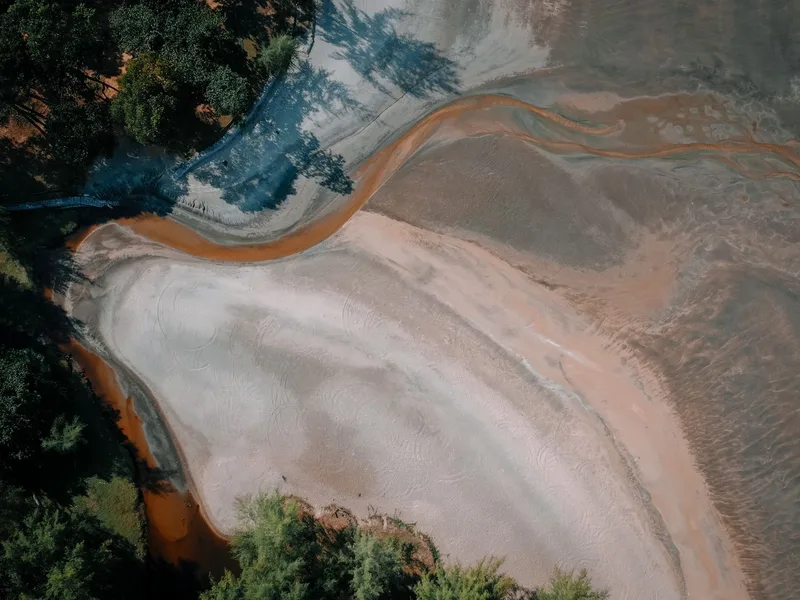
The layer on the floor
The floor layer is thick and dark brown from silt and pollutants that seep through old shared pipes continuously, day after day.
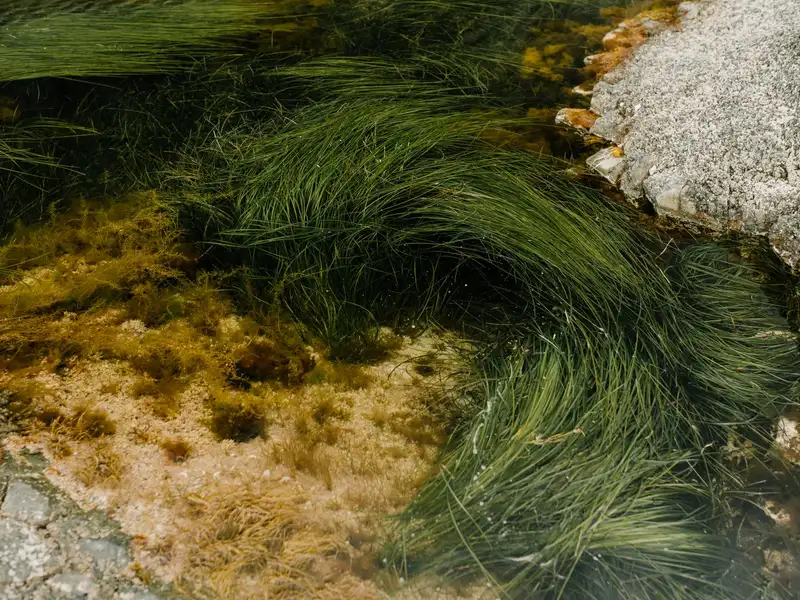
Light and algae
Algae are rare because the water entering from old pipes carries substances that inhibit biological growth in the tank.
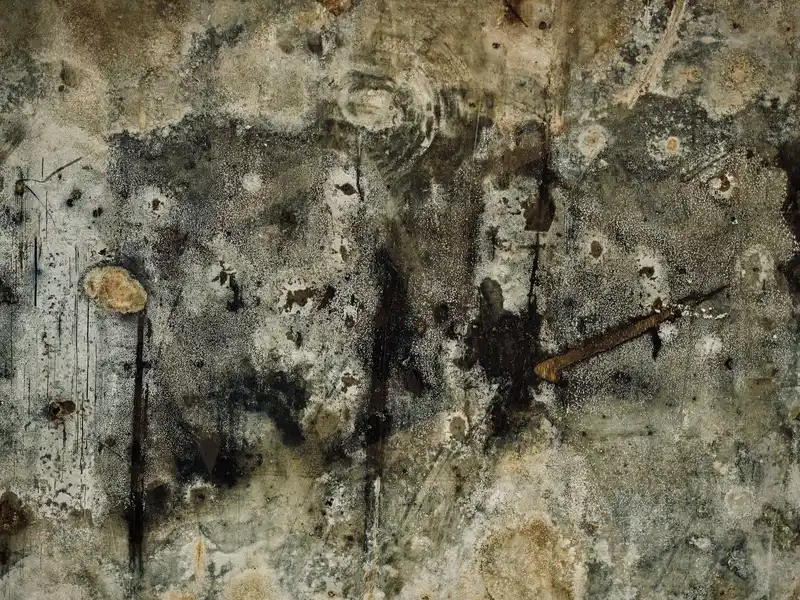
The deposit on the wall
The walls carry a permanent brown film of mineral deposits from contaminated groundwater that seeps in slowly but relentlessly through hairline cracks.
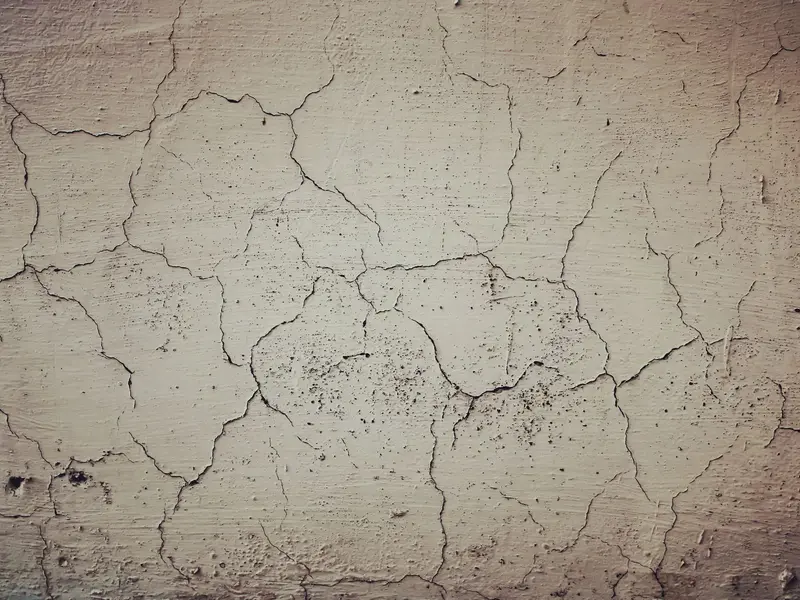
The lining and hairline cracks
Hairline cracks are numerous and deep, widening each year from external pressure as the water table rises and falls seasonally around the foundation.
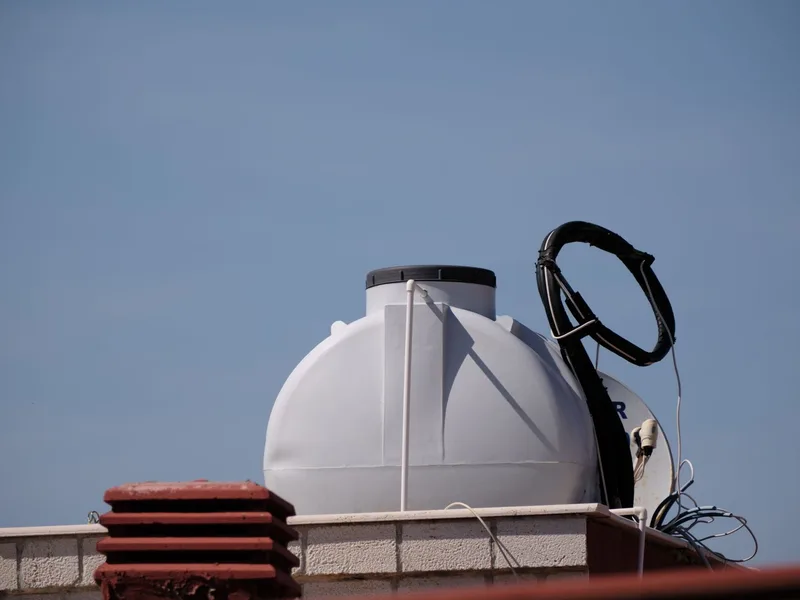
The lid and the access hatch
The lid and hatch may be very old and lacking proper seals, allowing dust and insects from the narrow street to enter from above.
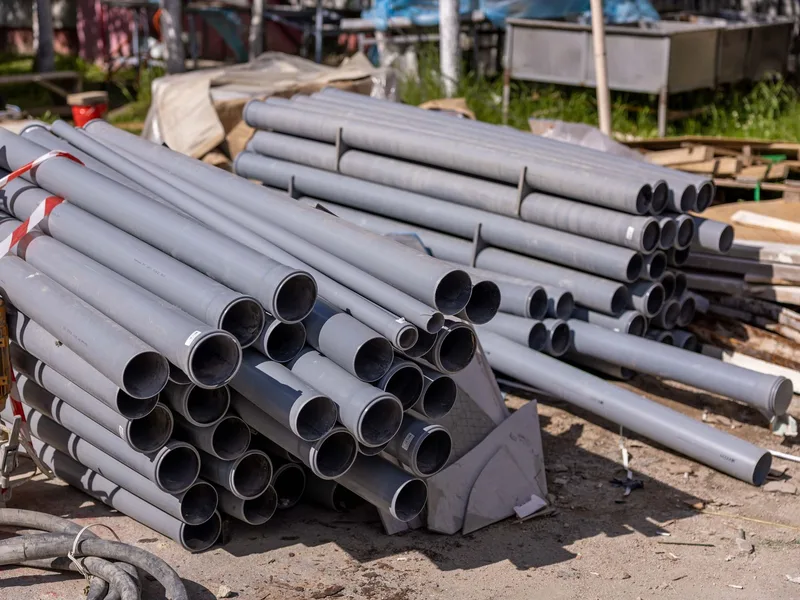
The vent and the overflow pipe
The vent and overflow pipe may sit directly above old drainage pipes underground, allowing sewer gas and contaminants from the drains to enter the tank air space.
How we work
-
1
Inspect before the drain
Tank type and material, the condition of the lining, the depth of the sediment, the lid and the vent, and where the drained water will go. We agree the window without supply before anything is opened.
-
2
Drain, then lift the sludge
The water leaves through the outlet, then the layer beneath it is taken out by hand and by suction. That layer is the reason for the visit, not the water that ran out ahead of it.
-
3
High pressure wash
Walls, floor and the joint where they meet, with a brush wherever the film resists, then the wash water is taken out completely so nothing we lifted settles again.
-
4
Disinfect and put back in service
Disinfectant over every internal surface, left for its contact time and then rinsed out, followed by the refill, a first draw off at the taps, and a report on what was inside the tank.
What water tank cleaning includes
-

An inspection before the valve
Tank type, lining condition, depth of sediment, lid and vent, recorded before any water leaves.
-

Full drain and sediment removal
The water through the outlet, and the layer below it by hand and by suction until the floor itself is showing.
-

Pressure washing walls and floor
High pressure across the surfaces and corners, and a brush on anything water alone will not lift.
-

Disinfection after the wash
A disinfectant intended for drinking water tanks, named to you before it is used, left for its contact time and then rinsed out.
-

Refill and the first draw off
We refill, run the taps so the new water moves through the pipework, and tell you when it is ready to use.
-

A report and the next date
What was inside the tank, anything on the lid or the lining that needs repair, and a sensible date for the next clean.
What is different about Al Utaybiyah Sub-Municipality
Al Utaybiyah sub municipality covers the old districts north of the Grand Mosque: the hillside quarters of Al Hajun, Al Utaybiyah and Al Bayban, Al Zahir and Al Shuhada at the northern entrance, and the newer Al Zahra, Al Diyafah and An Nuzhah westward. Its building stock is among the oldest in Makkah, stone houses on the hills, packed apartment blocks and sewers decades old, threaded with crowded markets like the Utaybiyah souq and furnished flats that fill in the pilgrim seasons. Wadi Al Zahir and Wadi Al Tanim carry storm water through it, and industrial workshops line Hajj Street.
Questions about this district
The old stone tank leaks water through the walls. What is the answer?
Water leaking through old stone walls is completely normal, but it needs managing. Contaminated groundwater is entering from below. Interior cleaning addresses what is inside, but the leakage continues from outside. We may recommend internal sealant or external waterproofing. If leakage is severe, the tank may be approaching the end of its reliable life.
Do the tight old pipes in the narrow lanes affect water quality?
Yes, significantly. Old shared pipes contain hairline cracks, and water from old drainage systems can enter. Cracks are invisible but allow contaminated water to seep in gradually. During cleaning we inspect the pipes for weakness. If problems recur we may recommend replacing sections of the shared pipework, which involves coordination with neighbours.
Winter floods raise moisture around the tank. How do we protect it?
High moisture lets water seep through foundation cracks. We clean the tank regularly and inspect foundations for new fractures. Perimeter drainage or external waterproofing around the tank base can help keep groundwater out. If floods are severe, you may need engineering consultation on site.
Is cleaning an old stone tank different from modern concrete?
Yes, significantly. Old stone tolerates water pressure better but its lining may be very thin. Modern concrete is stronger but cracks differently. Both need careful handling. On old stone we may use lower pressure because stone can fracture; concrete tanks tolerate more aggressive cleaning.
Water from the old flat stays cloudy even after cleaning. Why?
If it remains cloudy after full cleaning, the source is not inside the tank but a continuous leak from old pipes. Seepage from cracks feeds contaminated water into the tank every day. In this case, cleaning alone is insufficient. You may need to replace sections of pipe or waterproof the tank externally.
How often must an old tank be cleaned each year?
Old tanks in Al Bayban need cleaning every three to four months rather than the usual annual schedule, because of continuous seepage from old pipes and high groundwater. Some tanks may need cleaning every two months if cracks are large or the water table is high after winter.
How much does water tank cleaning in Al Bayban cost?
It is set after the inspection, because the price follows the type of infestation, the size of the space, how far it has spread and the number of visits it needs. Send a photo and a description on WhatsApp and we will give you an estimate before we reach Al Bayban.
Nearby districts we cover
Other services in Al Bayban
Other services we provide to residents of Al Bayban.
-
 Residential
Cockroach control
Residential
Cockroach control
-
 Residential
Bed bug control
Residential
Bed bug control
-
 Residential
Termite control
Residential
Termite control
-
 Residential
Rodents and mice
Residential
Rodents and mice
-
 Residential
Mosquito control
Residential
Mosquito control
-
 Residential
Fly control
Residential
Fly control
-
 Residential
Ant control
Residential
Ant control
-
 Residential
Gecko control
Residential
Gecko control
-
 Residential
Scorpion control
Residential
Scorpion control
-
 Residential
Snake control
Residential
Snake control
-
 Residential
Flea control
Residential
Flea control
-
 Residential
Bird and pigeon control
Residential
Bird and pigeon control
-
 Residential
Preventive treatment
Residential
Preventive treatment
-
 Residential
Disinfection
Residential
Disinfection
-
 Commercial
Annual contracts
Commercial
Annual contracts
-
 Commercial
Restaurants and cafes
Commercial
Restaurants and cafes
-
 Commercial
Hotels and apartments
Commercial
Hotels and apartments
-
 Commercial
Warehouses and factories
Commercial
Warehouses and factories
-
 Commercial
Schools and nurseries
Commercial
Schools and nurseries
-
 Commercial
Retail and malls
Commercial
Retail and malls
-
 Commercial
Rest houses and farms
Commercial
Rest houses and farms
-
 Commercial
Fumigation
Commercial
Fumigation
-
 Water tanks
Water tank sterilization
Water tanks
Water tank sterilization
-
 Water tanks
Water tank sealing
Water tanks
Water tank sealing
-
 Water tanks
Tank leak repair
Water tanks
Tank leak repair
Need water tank cleaning in Al Bayban? Tell us what you saw and we will tell you what it needs
We reach Al Bayban at a time we agree, and you get the full cost before we start.