
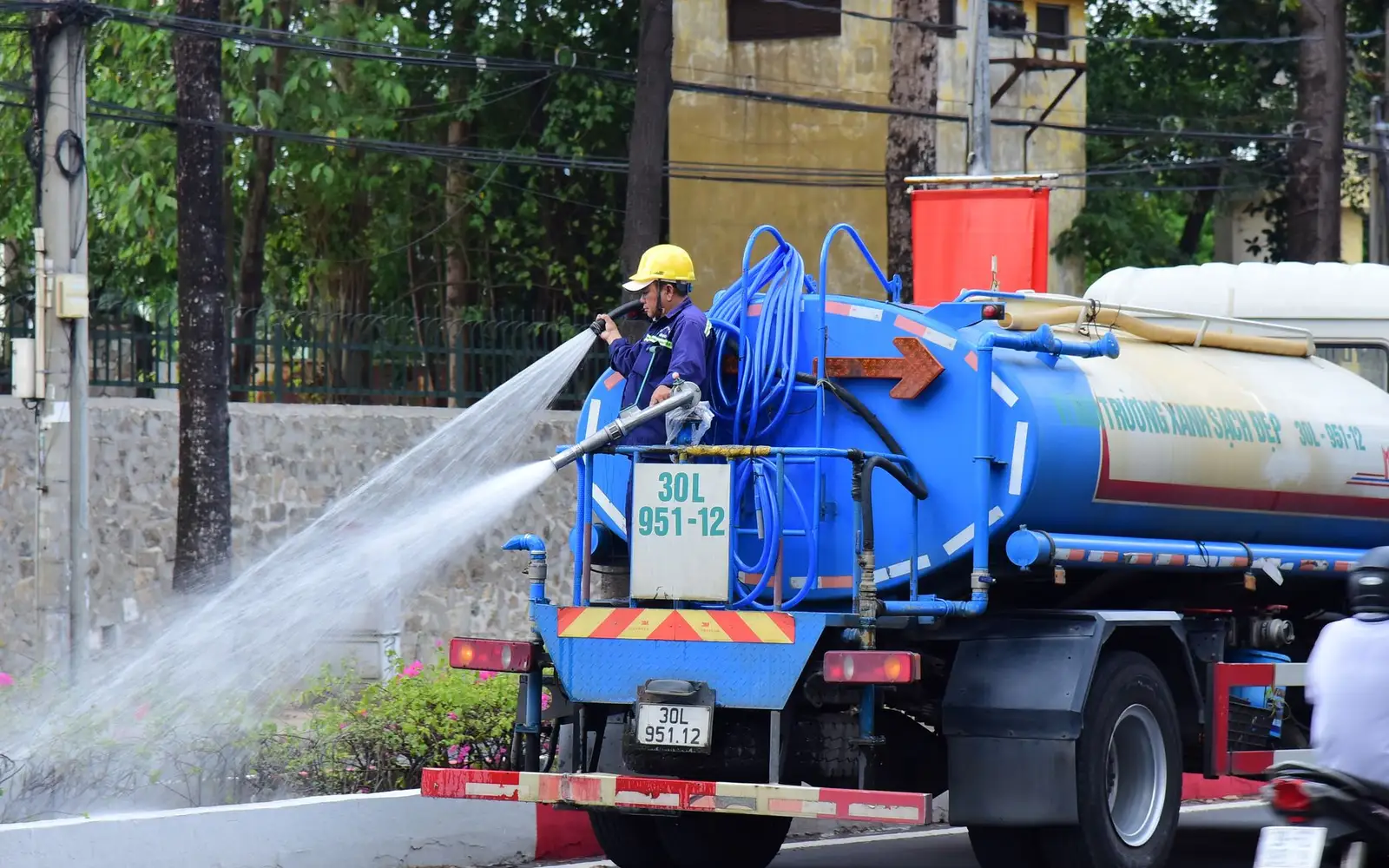
Water tank cleaning in Harat Al Bab Al Jadid Makkah
Harat Al Bab Al Jadid is a new Crown Prince development scheme south of the city, where villas and apartment buildings are rising on bare land with many still under construction. New tanks here are filled with well water and freshly excavated earth, with water carrying sand and clay from foundation pits and Wadi Uranah's heavy silts that flow beneath the new plots after rain.
-
Potable-rated materials
Linings and disinfectants cleared for drinking water tanks, not general-purpose products.
-
You get the downtime first
How many hours the tank is out of service, told before we start rather than after we finish.
-
A first-draw flush
We run the first draw off after refilling, and the tank is not handed back until the water runs clear.
-
Ground and roof tanks
Villas, apartment blocks and premises that need a written record of each visit.
Why the job is different in Harat Al Bab Al Jadid
New villas fill their first tanks from site boreholes and tanker trucks carrying foundation water, and this water carries abnormally high sediment loads and dense clay that settle hard and thick on the tank floor. The method is set out in full on what Water tank cleaning involves.
Fresh construction water contamination from new wells
New villas fill their tanks from shallow boreholes sunk in the building sites and from tanker trucks that carry water from foundation excavations. This water is heavily laden with sand, clay and heavy minerals from fresh subsoil, and deposits thick adhesive layers on the floor.
Humidity and clay influence from Wadi Uranah
Wadi Uranah cuts across the district carrying high moisture and clay load after rain, and the water table sits high in new villa foundations. Ground moisture and the salt that Wadi Uranah carries can enter tanks through hairline cracks in fresh concrete linings.
Hairline cracks in new concrete linings from rapid drying
New tanks dry quickly in intense summer heat before fresh concrete linings have fully set and cured. Rapid drying stress creates hairline cracks that allow contaminated groundwater to seep inward through the tank walls.
Harat Al Bab Al Jadid on the map
Harat Al Bab Al Jadid sits about 3 km from Al Shubaikah Al Jadid and about 3.5 km from Al Ghazzah Al Jadid.
Open in Google MapsThe condition of the tank decides the method
A development landscape of active building sites, open foundation pits, vacant plots and equipment, with Wadi Uranah cutting across it and carrying clay and high moisture loads seasonally.
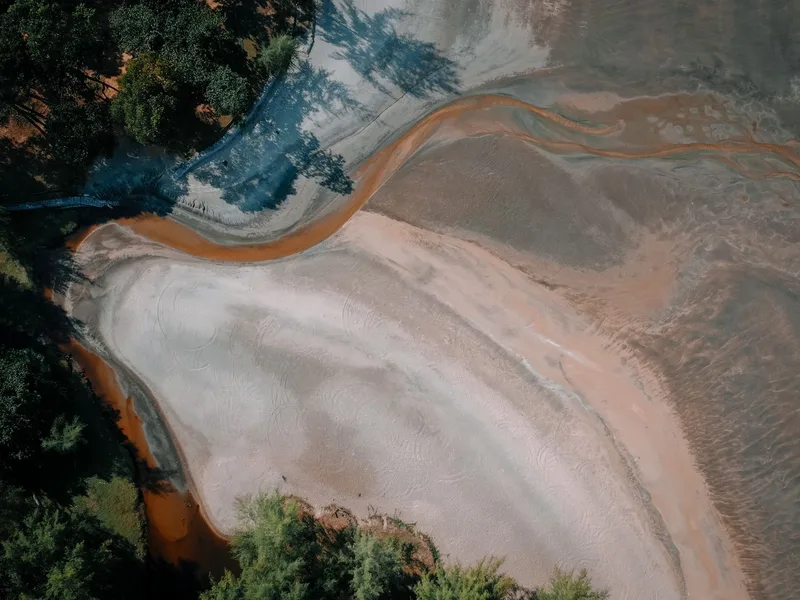
The layer on the floor
The floor holds thick heavy deposits of sand, clay and heavy metal salts from the construction well water and fresh excavation that first fills new tanks.
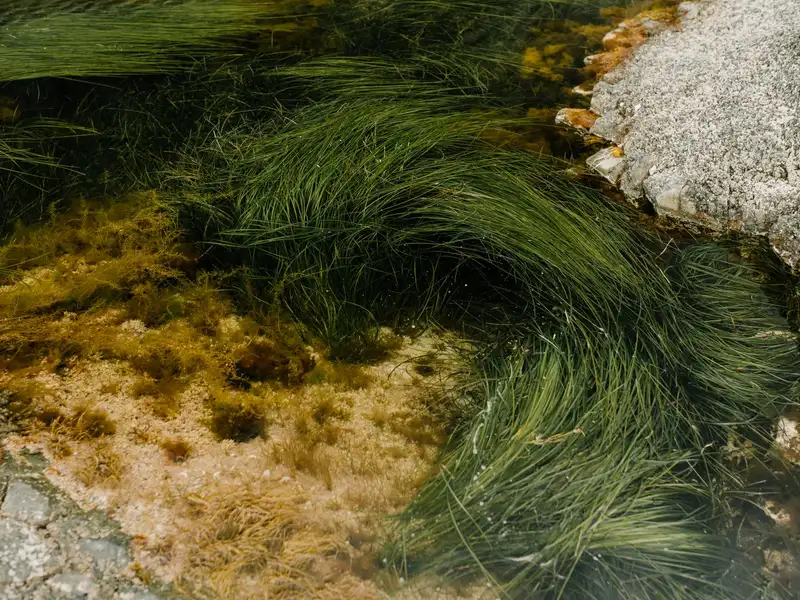
Light and algae
Light enters new tanks in the development because they are built quickly and the lid may not be properly sealed at first, encouraging algae growth on the interior walls.
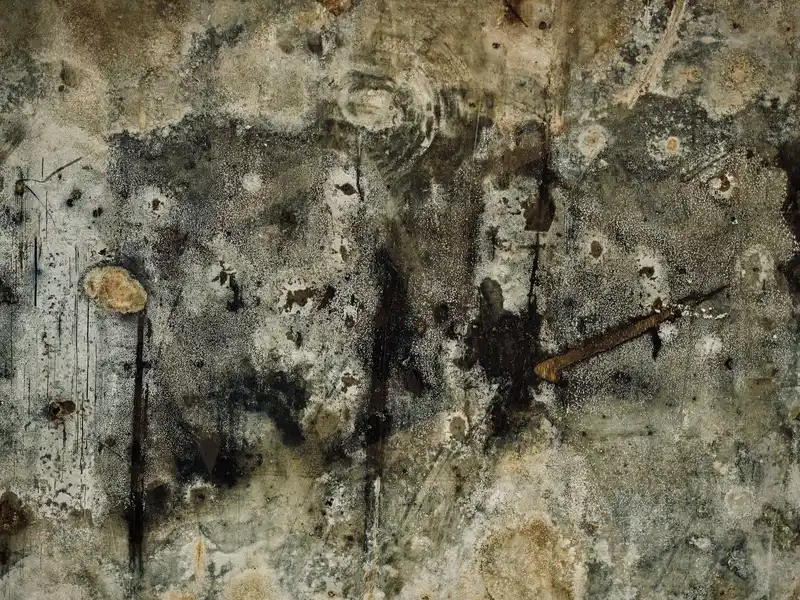
The deposit on the wall
Concrete walls release mineral deposits that form a grey film, and construction sediment accumulates as a thick coating because the water is so heavily laden.
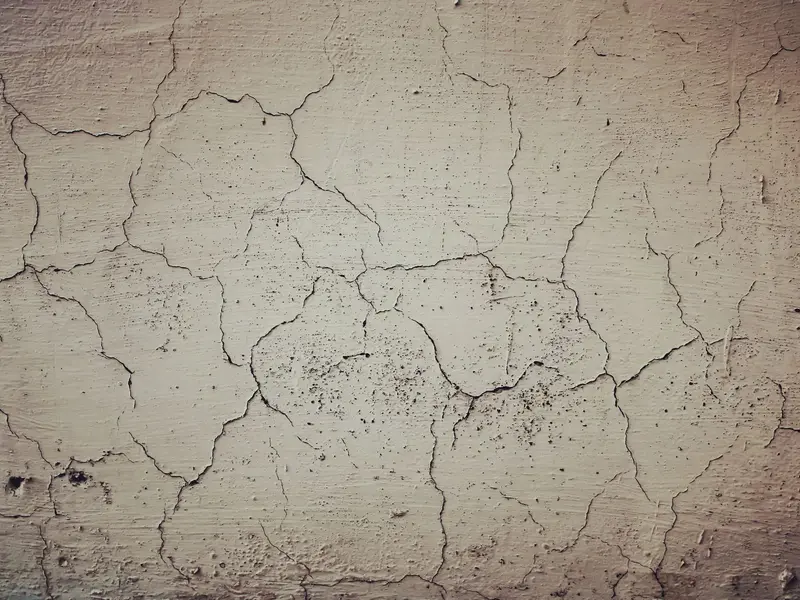
The lining and hairline cracks
Fresh concrete linings shrink and crack rapidly in intense heat before they have properly cured and hardened, and hairline cracks admit moisture and salt from the surrounding ground.
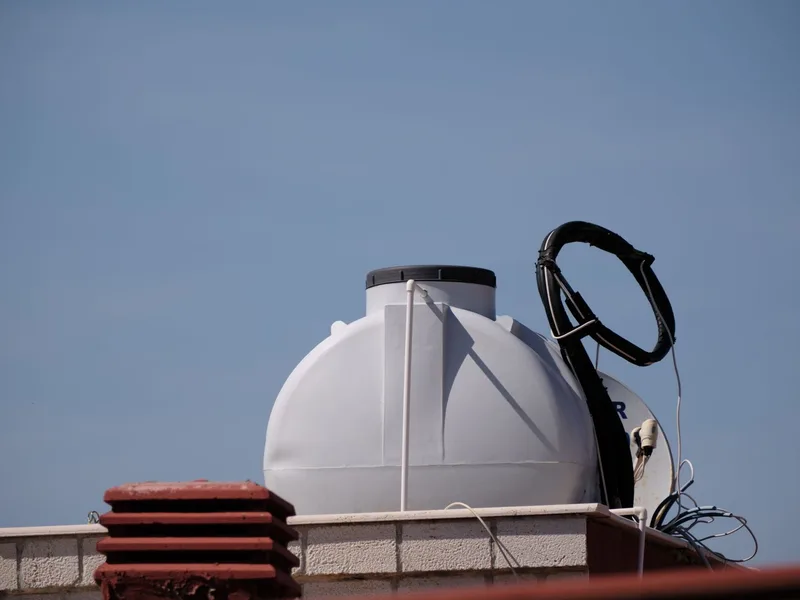
The lid and the access hatch
Lids are often temporary at first and poorly sealed, allowing construction dust and airborne sand from open building sites to enter freely.
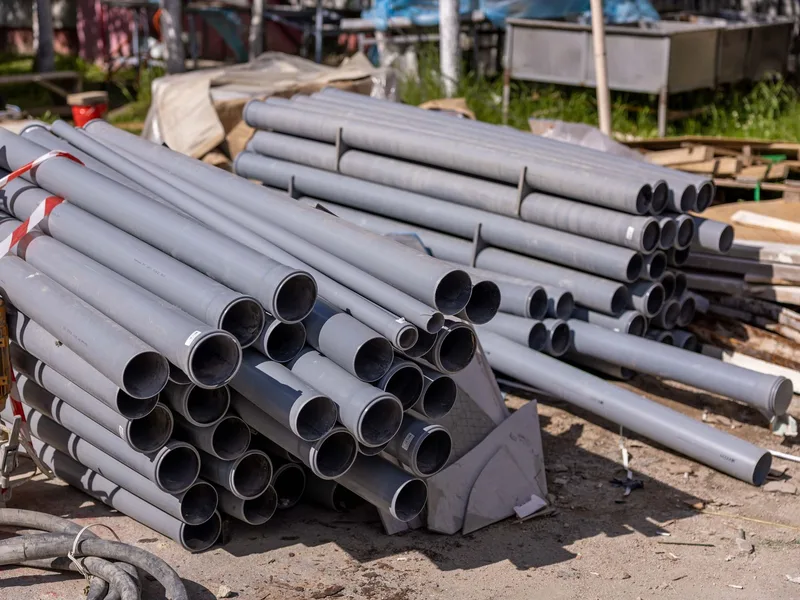
The vent and the overflow pipe
Vent openings clog quickly with construction dust and blown sand, and may become waterlogged from wadi moisture, reducing natural air circulation inside the tank.
How we work
-
1
Inspect before the drain
Tank type and material, the condition of the lining, the depth of the sediment, the lid and the vent, and where the drained water will go. We agree the window without supply before anything is opened.
-
2
Drain, then lift the sludge
The water leaves through the outlet, then the layer beneath it is taken out by hand and by suction. That layer is the reason for the visit, not the water that ran out ahead of it.
-
3
High pressure wash
Walls, floor and the joint where they meet, with a brush wherever the film resists, then the wash water is taken out completely so nothing we lifted settles again.
-
4
Disinfect and put back in service
Disinfectant over every internal surface, left for its contact time and then rinsed out, followed by the refill, a first draw off at the taps, and a report on what was inside the tank.
What water tank cleaning includes
-

An inspection before the valve
Tank type, lining condition, depth of sediment, lid and vent, recorded before any water leaves.
-

Full drain and sediment removal
The water through the outlet, and the layer below it by hand and by suction until the floor itself is showing.
-

Pressure washing walls and floor
High pressure across the surfaces and corners, and a brush on anything water alone will not lift.
-

Disinfection after the wash
A disinfectant intended for drinking water tanks, named to you before it is used, left for its contact time and then rinsed out.
-

Refill and the first draw off
We refill, run the taps so the new water moves through the pipework, and tell you when it is ready to use.
-

A report and the next date
What was inside the tank, anything on the lid or the lining that needs repair, and a sensible date for the next clean.
What is different about South Makkah Sub-Municipality
South Makkah sub municipality is the belt of Crown Prince schemes south of Al Ukayshiyah, along the Al Laith road and the extension of Ibrahim Al Khalil Road to the Fifth Ring Road and the Non Muslims bypass. Most of it is still bare: granted plots awaiting houses, new villas standing alone, open building sites and unfinished paving and drainage. Wadi Uranah and its tributaries cross the low ground and hold water after rain, hills close it in, and rodents, reptiles and scorpions shelter in stacked materials and foundation pits before the neighbourhoods fill up.
Questions about this district
We filled the new tank for the first time and the water is very cloudy. Is that normal?
Site well water and freshly excavated earth water carries high sediment and clay load. Clean the tank immediately after first filling, before connecting the water supply to the villa, to prevent this sediment from blocking pipes and damaging fixtures.
The villa is new and water is seeping from below the tank. Is it a leak or something else?
Fresh concrete linings crack under rapid drying stress in intense summer heat. A quick inspection will show whether true structural cracks need repair or whether the dampness is natural seepage through the fresh concrete.
The tank is ground level in a new development close to Wadi Uranah. Is that a problem?
Ground level tanks near wadis face high groundwater humidity and moisture ingress. Regular inspection is important to monitor the lining condition and check for water entry from outside the tank.
We started using the water and within two days it turned cloudy again. Why?
Construction sediment is very heavy and needs thorough deep cleaning. Water may stay cloudy for a time if the new lining was not properly flushed and cleaned in the first place.
The villa is still under construction and the tank has not been used. When should we clean it before moving in?
Clean the tank at least a week before first use to remove construction dust and residue from the new concrete lining, then flush all pipes thoroughly with clean water before connecting supplies.
Six months after we moved in the water has turned reddish from iron. Where is it coming from?
Iron in new tanks comes from reinforcement steel in the concrete or from brass and galvanised pipework. Acidic water from wadi moisture and salt slowly oxidises these metals over time.
How much does water tank cleaning in Harat Al Bab Al Jadid cost?
It is set after the inspection, because the price follows the type of infestation, the size of the space, how far it has spread and the number of visits it needs. Send a photo and a description on WhatsApp and we will give you an estimate before we reach Harat Al Bab Al Jadid.
Nearby districts we cover
Other services in Harat Al Bab Al Jadid
Other services we provide to residents of Harat Al Bab Al Jadid.
-
 Residential
Cockroach control
Residential
Cockroach control
-
 Residential
Bed bug control
Residential
Bed bug control
-
 Residential
Termite control
Residential
Termite control
-
 Residential
Rodents and mice
Residential
Rodents and mice
-
 Residential
Mosquito control
Residential
Mosquito control
-
 Residential
Fly control
Residential
Fly control
-
 Residential
Ant control
Residential
Ant control
-
 Residential
Gecko control
Residential
Gecko control
-
 Residential
Scorpion control
Residential
Scorpion control
-
 Residential
Snake control
Residential
Snake control
-
 Residential
Flea control
Residential
Flea control
-
 Residential
Bird and pigeon control
Residential
Bird and pigeon control
-
 Residential
Preventive treatment
Residential
Preventive treatment
-
 Residential
Disinfection
Residential
Disinfection
-
 Commercial
Annual contracts
Commercial
Annual contracts
-
 Commercial
Restaurants and cafes
Commercial
Restaurants and cafes
-
 Commercial
Hotels and apartments
Commercial
Hotels and apartments
-
 Commercial
Warehouses and factories
Commercial
Warehouses and factories
-
 Commercial
Schools and nurseries
Commercial
Schools and nurseries
-
 Commercial
Retail and malls
Commercial
Retail and malls
-
 Commercial
Rest houses and farms
Commercial
Rest houses and farms
-
 Commercial
Fumigation
Commercial
Fumigation
-
 Water tanks
Water tank sterilization
Water tanks
Water tank sterilization
-
 Water tanks
Water tank sealing
Water tanks
Water tank sealing
-
 Water tanks
Tank leak repair
Water tanks
Tank leak repair
Need water tank cleaning in Harat Al Bab Al Jadid? Tell us what you saw and we will tell you what it needs
We reach Harat Al Bab Al Jadid at a time we agree, and you get the full cost before we start.