
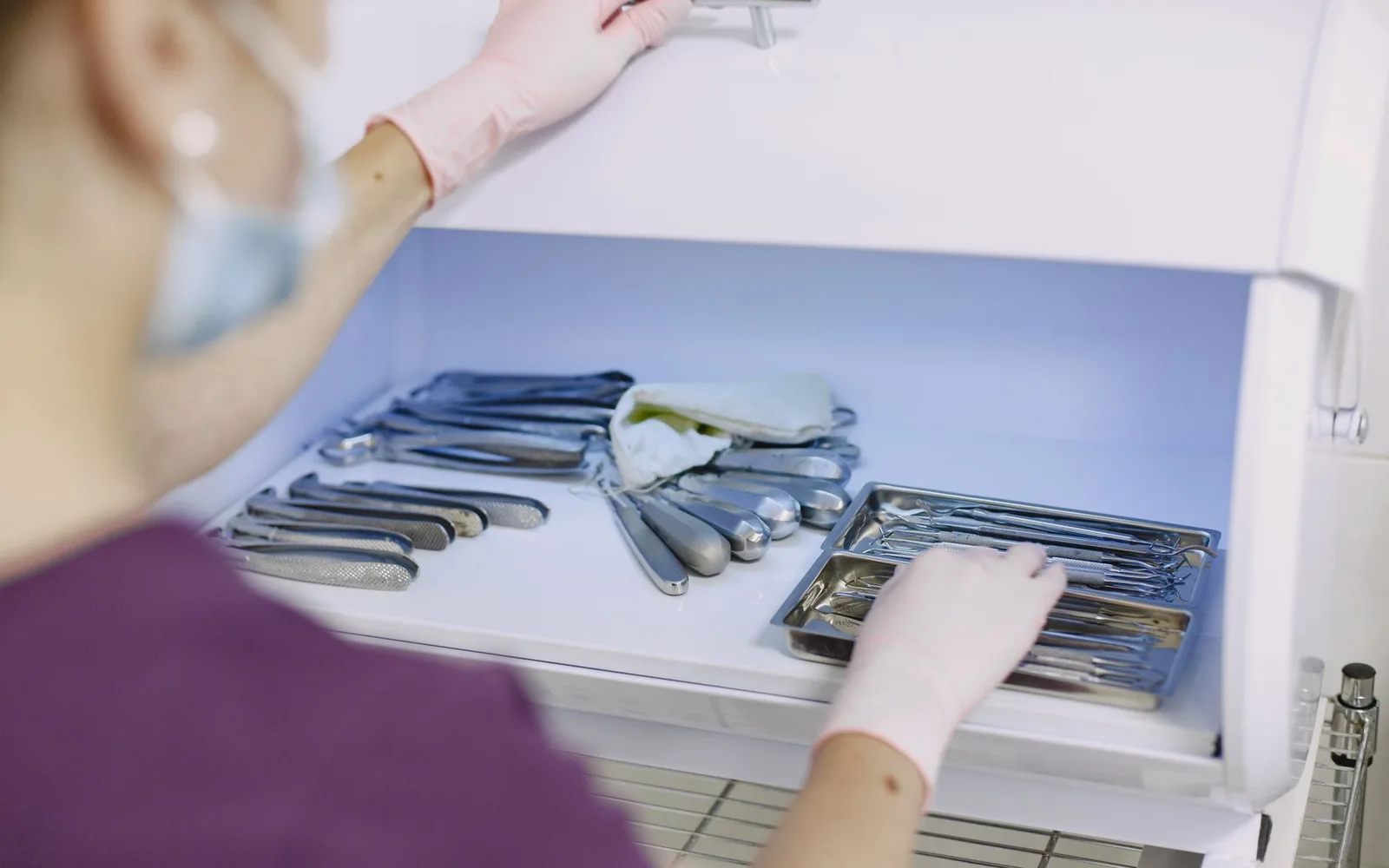
Water tank sterilization in Harat Al Bab Al Jadid Makkah
Harat Al Bab Al Jadid is a second-phase development project in south Jeddah on the Al Laith road. The district is under rapid construction with new villas and many apartment blocks still being built. Temporary and staged tanks are common here because building continues, and water itself is new in incomplete networks. The project needs special monitoring because tanks change and water requires sterilization due to dust and construction debris.
-
Potable-rated materials
Linings and disinfectants cleared for drinking water tanks, not general-purpose products.
-
You get the downtime first
How many hours the tank is out of service, told before we start rather than after we finish.
-
A first-draw flush
We run the first draw off after refilling, and the tank is not handed back until the water runs clear.
-
Ground and roof tanks
Villas, apartment blocks and premises that need a written record of each visit.
Why the job is different in Harat Al Bab Al Jadid
Early residents and construction workers report dust, silt and metallic impurities in water and tanks because building is ongoing and land is exposed. The method is set out in full on Water tank sterilization in detail.
Temporary and incomplete modern building infrastructure
The district is under active construction and many tanks are temporary or staged. Some villas and apartment blocks are not yet complete and their tanks are very new. Some may be connected to incomplete or temporary water lines.
Dust and silt from exposed construction sites
The entire project is under construction and land is exposed. Dust and silt enter tanks through ventilation and drainage openings. Wind from the desert carries sand and dust that clogs tank vents.
New water lines and unstable pressure
The water network in the project is new and may not yet be stable. Pressure fluctuates because lines are being added phase by phase. Water may carry particles from new pipes and construction debris.
Landmarks of Harat Al Bab Al Jadid
Harat Al Bab Al Jadid sits on the Al Laith road between Al Shamiyah and Al Ghazzah Al Jadid, with the southwest Haram boundary marker and Al Sajideen Mosque establishing the project boundary.
- Al Laith Road
- South Western Haram Boundary Marker
- Al Sajideen Mosque
- Security Course 44 Mosque
What we read inside the tank before anything starts
A new development project in south Jeddah on the Al Laith road between Al Shamiyah Al Jadid and Al Ghazzah Al Jadid. Plots are being granted and new villas are rising alongside multi-storey blocks still under construction. Al Sajideen Mosque serves the earliest residents, and the southwest Haram boundary marker stands within the district.
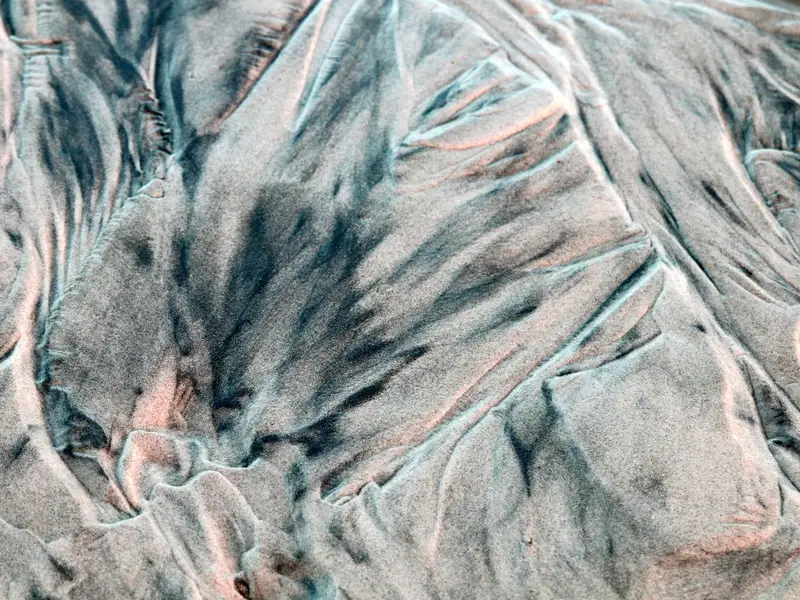
Sediment on the floor
Dust, silt and metallic particles from construction sites are present in every tank in the new project.
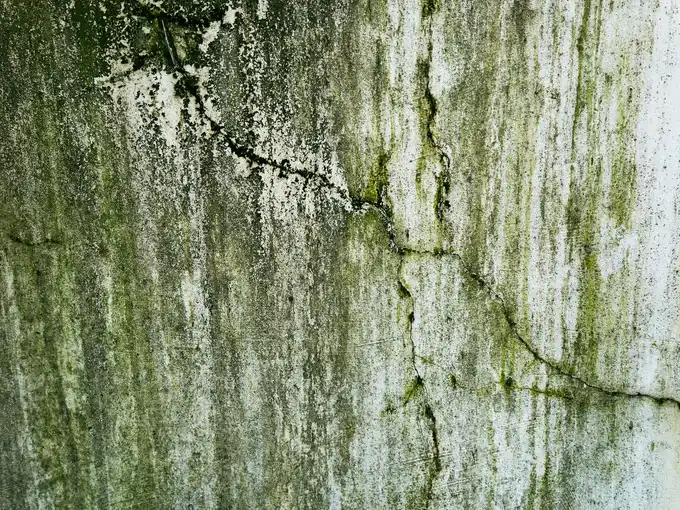
The slime film on the wall
Desert sand and blown earth enter tank vents and drainage when covers are not sealed properly.
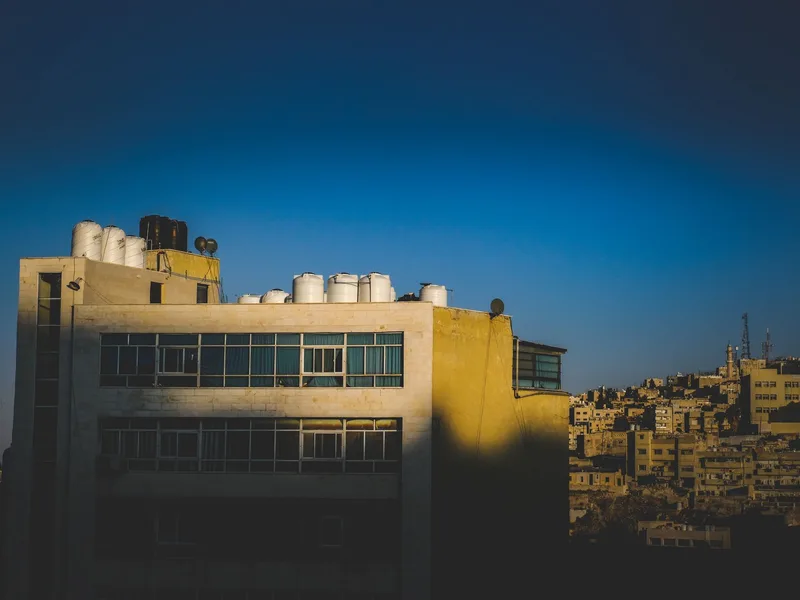
Light and heat
New water lines need full flushing to remove pipe particles, dirt and deposits from installation.
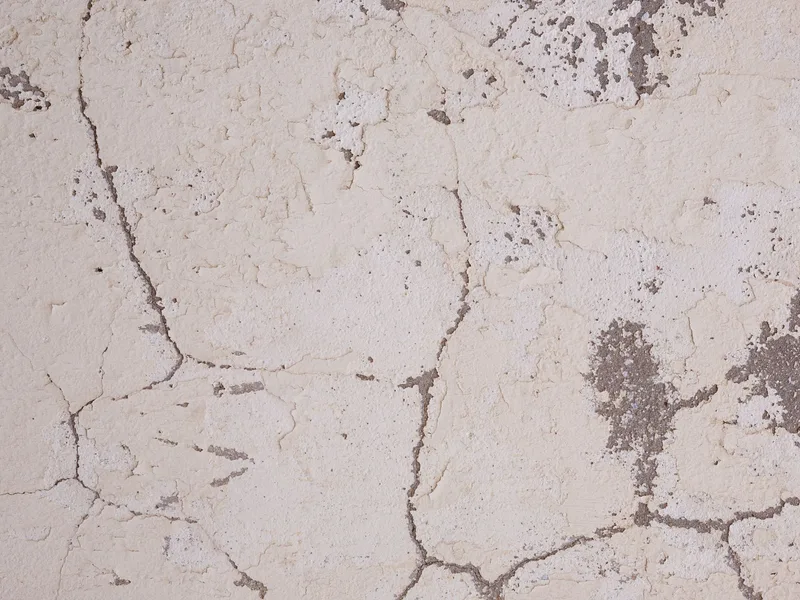
The lining and any cracking
Pressure fluctuations in an unstable new network cause particles to remain suspended in water.
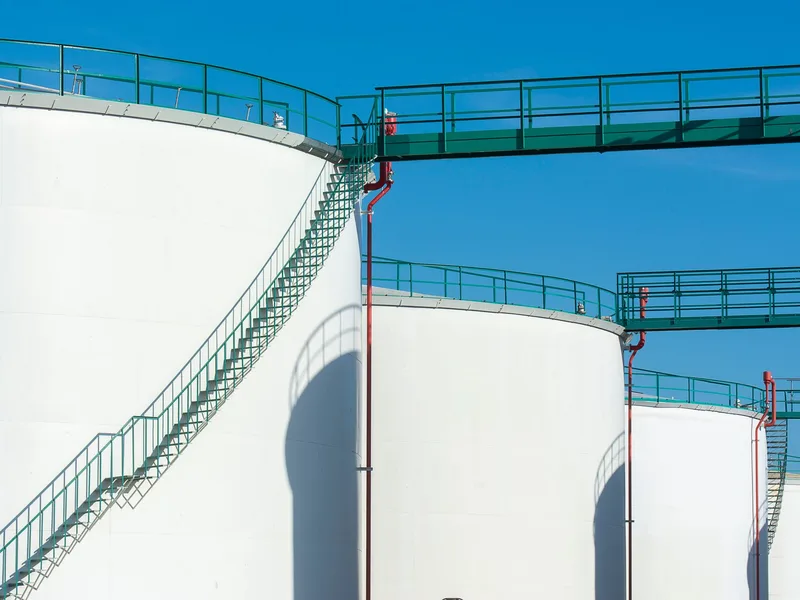
The lid and the openings
Sediment accumulates rapidly at tank base and corners because dust is continuous.
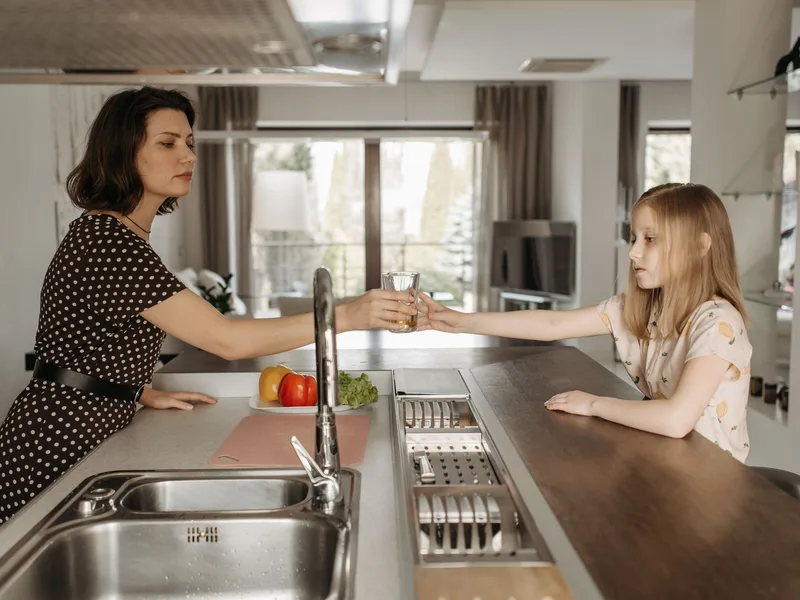
What shows up at the tap
Sterilization must repeat quickly in the under-construction district because tanks and lines are exposed to contamination from construction sites and exposed land.
How we work
-
1
Inspect and record the condition
We open the hatch and work through what the tank is made of and how big it is, how deep the sediment lies, the state of the lining, whether the lid and the overflow seal, and whether there is a crack that has to be repaired before any sterilizing.
-
2
Drain and lift the sediment out
The water goes out, then the silt and sand are lifted off the floor by suction rather than pushed toward the outlet, because pushing them sends them into the house pipework and the heater.
-
3
High pressure wash
Walls, floor, corners and the area around the outlet, until the slime film is completely gone. This is the step that makes the sterilizing after it mean anything.
-
4
Sterilize, rinse, then return to service
The sterilizing agent goes onto the walls, the floor and the underside of the lid and is left for its contact time, then we rinse, refill and run the furthest tap until the whole line is clear.
What water tank sterilization includes
-

A recorded inspection
Material, capacity, sediment depth, the state of the lining, the lid and the overflow, all before any work begins.
-

Draining and sediment removal
The water out, and the silt and sand lifted off the floor instead of being pushed into the outlet and the house pipework.
-

High pressure washing
Walls, corners and around the outlet, until the biofilm that no disinfectant penetrates has gone.
-
Sterilizing the internal surfaces
A sterilizing agent meant for drinking water tanks, applied to the walls, the floor and the underside of the lid, and left for its contact time.
-

Line flush and aftercare
Rinse, refill and a flush from the furthest tap, when the water is usable again, and what to change in the filter afterwards.
-

The next cycle
We agree the right interval for your tank from how it is filled, how much sun it takes and the condition of the lid.
What is different about South Makkah Sub-Municipality
South Makkah sub municipality is the belt of Crown Prince schemes south of Al Ukayshiyah, along the Al Laith road and the extension of Ibrahim Al Khalil Road to the Fifth Ring Road and the Non Muslims bypass. Most of it is still bare: granted plots awaiting houses, new villas standing alone, open building sites and unfinished paving and drainage. Wadi Uranah and its tributaries cross the low ground and hold water after rain, hills close it in, and rodents, reptiles and scorpions shelter in stacked materials and foundation pits before the neighbourhoods fill up.
Questions about this district
Do staged tanks in Harat Al Bab Al Jadid need special treatment?
Yes. Temporary and staged tanks need more frequent sterilization than permanent installations because they may be connected to temporary lines and exposed to dust.
Does construction dust affect tank quality?
Very much. Dust and silt enter the tank and settle at base and corners. Regular sterilization and cleaning are essential in a district under active construction.
How often do tanks in Harat Al Bab Al Jadid need sterilization?
Every month or two during active construction. After building ends and lines stabilize, every 3-4 months. Early phases require intensive monitoring.
Do new water lines need special inspection?
Yes. New lines may contain metal particles and installation debris. Comprehensive sterilization including full flushing from the furthest tap is necessary.
Can early residents drink water from new tanks?
After thorough sterilization yes, but water must be monitored and re-sterilized if cloudiness or impurities appear.
Does the Haram boundary marker in the district affect the water network?
The boundary itself does not directly affect supply, but the project's distance from main pumping stations means water travels far and may carry impurities.
How much does water tank sterilization in Harat Al Bab Al Jadid cost?
It is set after the inspection, because the price follows the type of infestation, the size of the space, how far it has spread and the number of visits it needs. Send a photo and a description on WhatsApp and we will give you an estimate before we reach Harat Al Bab Al Jadid.
Nearby districts we cover
Other services in Harat Al Bab Al Jadid
Other services we provide to residents of Harat Al Bab Al Jadid.
-
 Water tanks
Water tank cleaning
-
 Water tanks
Water tank sealing
-
 Water tanks
Tank leak repair
-
 Residential
Cockroach control
Need water tank sterilization in Harat Al Bab Al Jadid? Tell us what you saw and we will tell you what it needs
We reach Harat Al Bab Al Jadid at a time we agree, and you get the full cost before we start.