
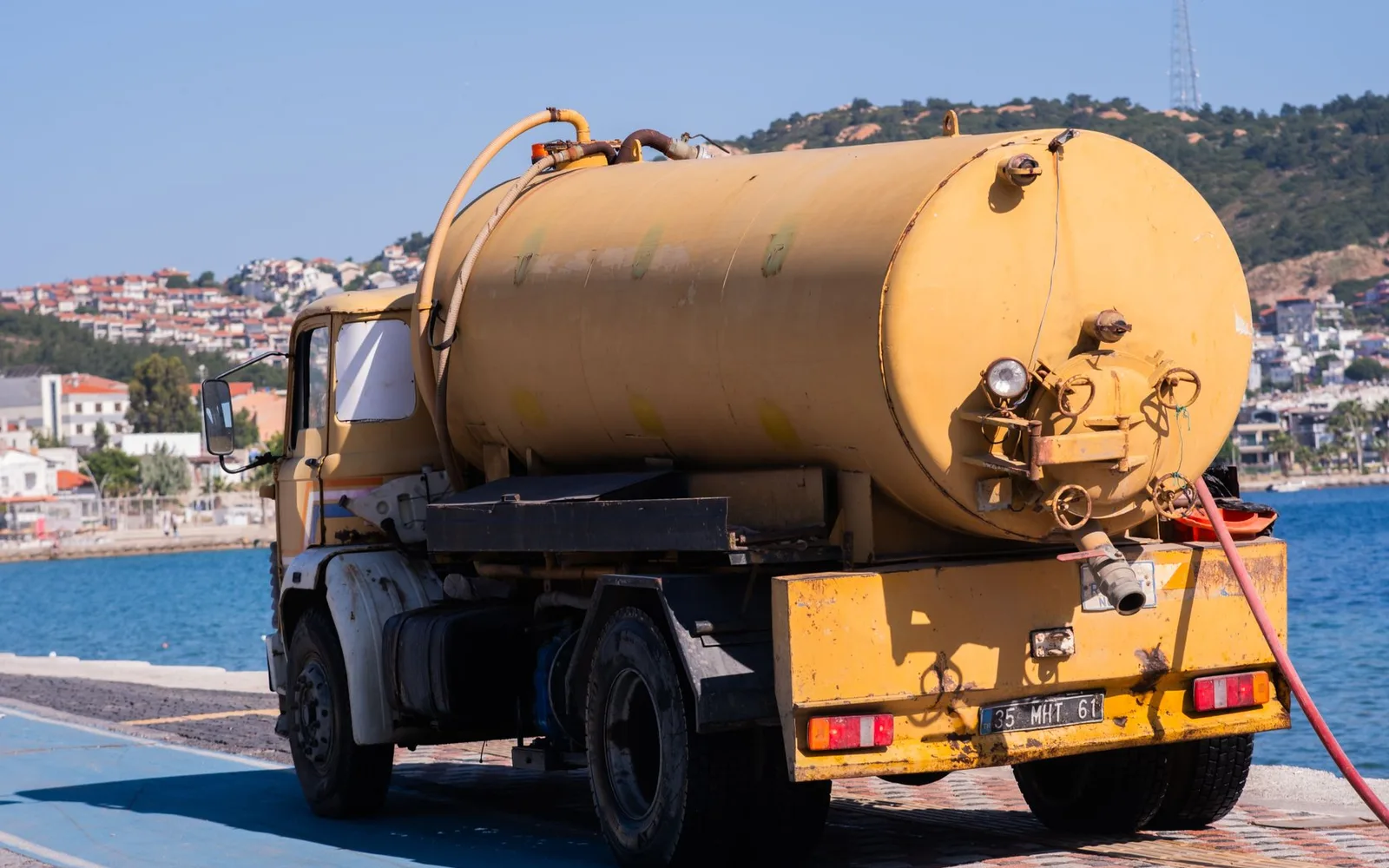
Water tank sealing in Harat Al Bab Al Jadid Makkah
Harat Al Bab Al Jadid is a new residential quarter in the Crown Prince scheme south of Jeddah. The villas are newly built and their tanks, whether buried or roof-mounted, are new and untested. Early cracks appear from soil settlement and construction defects, and water begins to leak before the building fully settles.
-
Potable-rated materials
Linings and disinfectants cleared for drinking water tanks, not general-purpose products.
-
You get the downtime first
How many hours the tank is out of service, told before we start rather than after we finish.
-
A first-draw flush
We run the first draw off after refilling, and the tank is not handed back until the water runs clear.
-
Ground and roof tanks
Villas, apartment blocks and premises that need a written record of each visit.
Why the job is different in Harat Al Bab Al Jadid
Most villas in the quarter are less than five years old. Tanks are new but sandy soil and natural settlement have already begun causing cracks in tank floors and walls. The method is set out in full on how we approach Water tank sealing.
Underground tanks and natural soil settlement
Sandy soil in the quarter settles over time under load and groundwater pressure. Underground tanks experience uneven stress that causes cracks in the floor and lower walls.
Pipe entries newly installed and loose
New villa pipe entries and connections are recent work and seals between pipe and tank may not be complete. Vibration from ongoing building works and machinery cause minor joint separation.
New villas need testing before final stability
Water in new villas may carry minerals and high moisture. New tanks have not run at full pressure for long periods, and fine cracks may not show until months pass.
Landmarks of Harat Al Bab Al Jadid
Access to Harat Al Bab Al Jadid runs via Al Laith Road south of Jeddah, where new landmarks such as Al Sajideen Mosque and local project mosques define the quarter. The south western Haram boundary marker stands in the district and anchors its southern edge.
- Al Laith Road
- South Western Haram Boundary Marker
- Al Sajideen Mosque
- Security Course 44 Mosque
What we read before any material is opened
A new development district south of Jeddah along Al Laith Road between Al Shamiyah Al Jadid and Al Ghazzah Al Jadid. Granted plots with new villas, many still under construction, served by new local mosques such as Al Sajideen. The south western Haram boundary marker stands in the district.
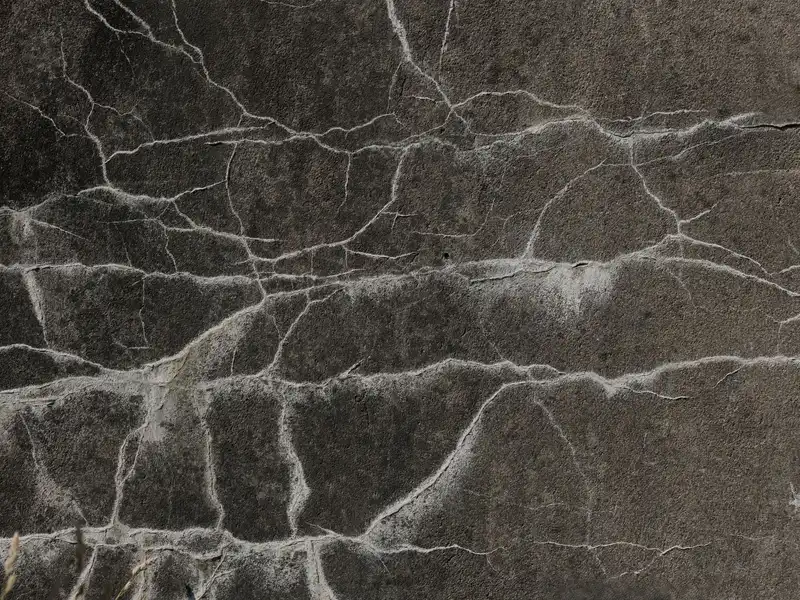
Cracking in the wall
Fine cracks start at the floor and lower walls where pressure is greatest, first visible months after construction.
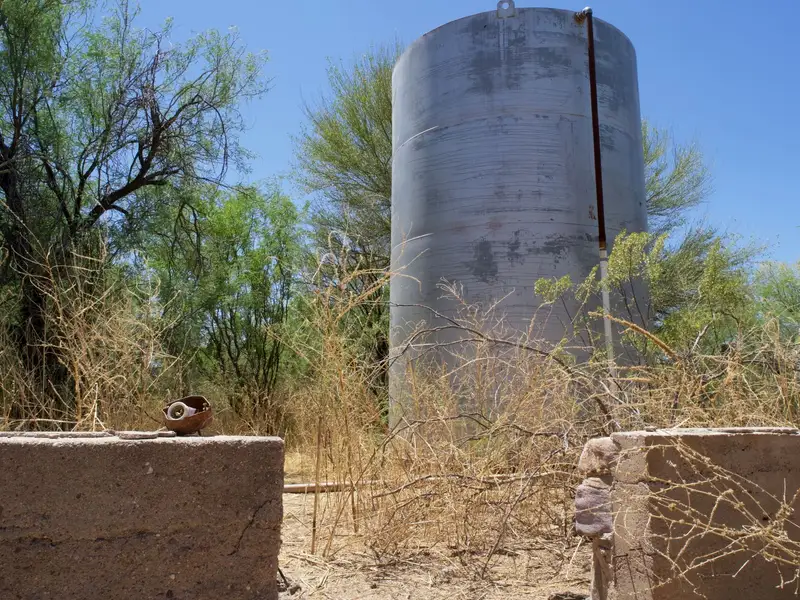
The floor to wall joint
New pipe joints are weak points and slow loosening of connections causes leakage from the side near inlet and outlet.
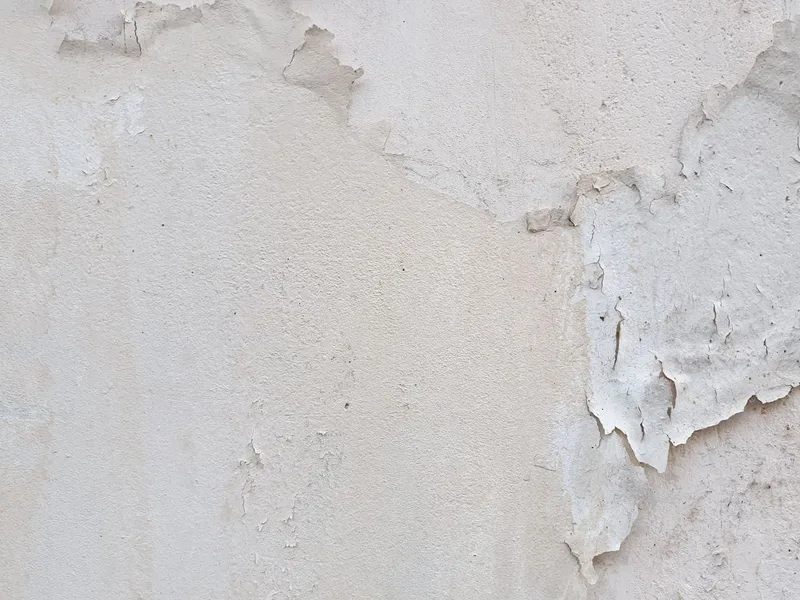
The condition of the old lining
Sandy soil moisture and groundwater pressure push on walls and floor from outside, especially after rain.
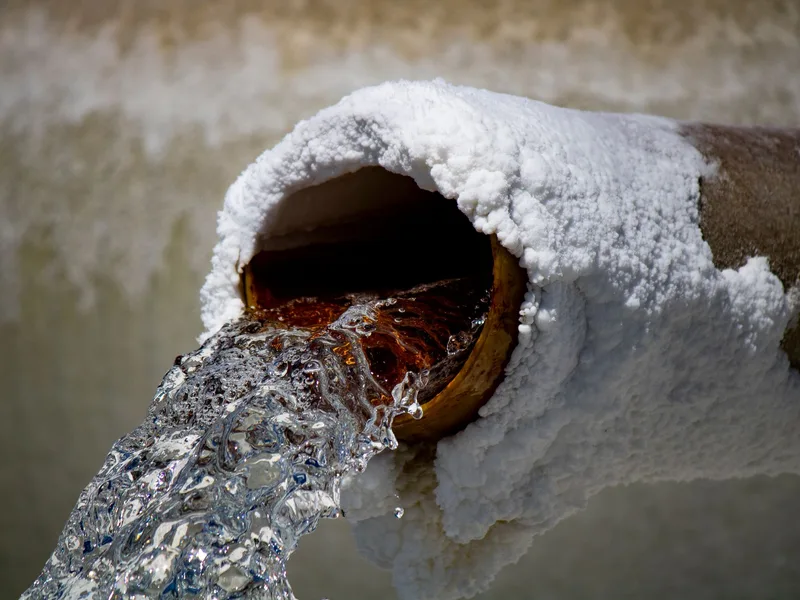
Sediment and scale
Water in new villas may carry construction debris and mineral salts, and internal sealing protects against chemical reaction between water and fresh concrete.
The pipe entries
Tank floor and wall junction corners are the first crack sites because pressure concentrates there due to uneven soil settlement.
The hatch and the vent
Early inspection in new villas finds fine cracks before they spread, and follow-up after building settles protects against renewed leakage after sealing.
How we work
-
1
Inspect with the tank empty
We drain it and read the surface dry: whether the water leaves through a crack, a joint or a pipe collar, and what the outer face of the wall and the ceiling below are telling us. A level test with the valves closed separates a leaking tank from leaking pipework.
-
2
Clean and prepare the substrate
Sediment out, a high pressure wash, the loose old lining and the weak surface layer of the concrete taken back, then dried. The material grips sound substrate and nothing else.
-
3
Make the cracks and joints good
Cracks are chased out and filled with a repair mortar, a cove is formed where the floor meets the wall, and every pipe collar is treated on its own.
-
4
Lining, fill test, sterilisation
Successive coats, each run across the one beneath it, on the face the water touches. Then a full cure, a fill with the level watched, and sterilisation with the first fill run to waste before the tank returns to use.
What water tank sealing includes
-

Finding where the water leaves
Carried out drained and dry: cracks, joints, pipe collars and the outer face of the wall.
-

Draining and sediment removal
The last of the water and the settled layer on the floor come out, because a lining does not stick over sediment.
-

Cracks and joints made good
The crack opened and filled, a cove formed at the floor to wall junction, and each pipe entry worked separately.
-

Lining coats on the water face
More than one coat, each crossing the one below, in material made for drinking water tanks rather than roof waterproofing.
-

Curing, fill test and sterilisation
The material is left to cure, the tank is filled and the level watched, then sterilised and the first fill run to waste. How long the cure takes follows the material and the weather, and we tell you before the date so you can plan around the supply.
-

A follow-up level check
We come back once it is in service to read the level and check the outer face, because any remaining loss shows up then rather than on the day of the work.
What is different about South Makkah Sub-Municipality
South Makkah sub municipality is the belt of Crown Prince schemes south of Al Ukayshiyah, along the Al Laith road and the extension of Ibrahim Al Khalil Road to the Fifth Ring Road and the Non Muslims bypass. Most of it is still bare: granted plots awaiting houses, new villas standing alone, open building sites and unfinished paving and drainage. Wadi Uranah and its tributaries cross the low ground and hold water after rain, hills close it in, and rodents, reptiles and scorpions shelter in stacked materials and foundation pits before the neighbourhoods fill up.
Questions about this district
Why did cracks appear in my new tank a year after building?
Sandy soil settles gradually under load and pressure. The tank settles unevenly with it, causing cracks in the floor and walls.
Do small cracks in a new tank need immediate sealing?
Yes. Fine cracks widen over time due to pressure, seasonal change and mineral salts in the water.
Does internal sealing stop leaks in new development villas?
It may not if soil settlement is ongoing. Re-inspection after one year may be needed because settlement continues gradually.
Do new villa pipe connections need special inspection?
Yes. New pipe joints may be weak. We inspect the connection between pipes and tank and check gasket wrap carefully.
Is internal sealing alone enough for new tanks or do we need external coating?
In new villas we focus on internal sealing because tanks have not been tested long. We inspect externally if leaks persist after soil settles completely.
How long before a new tank stabilises enough for final sealing?
Sandy soil settles gradually over two to three years. We may recommend a follow-up inspection one year after the first sealing.
How much does water tank sealing in Harat Al Bab Al Jadid cost?
It is set after the inspection, because the price follows the type of infestation, the size of the space, how far it has spread and the number of visits it needs. Send a photo and a description on WhatsApp and we will give you an estimate before we reach Harat Al Bab Al Jadid.
Nearby districts we cover
Other services in Harat Al Bab Al Jadid
Other services we provide to residents of Harat Al Bab Al Jadid.
-
 Water tanks
Water tank cleaning
-
 Water tanks
Water tank sterilization
-
 Water tanks
Tank leak repair
-
 Residential
Cockroach control
Need water tank sealing in Harat Al Bab Al Jadid? Tell us what you saw and we will tell you what it needs
We reach Harat Al Bab Al Jadid at a time we agree, and you get the full cost before we start.