
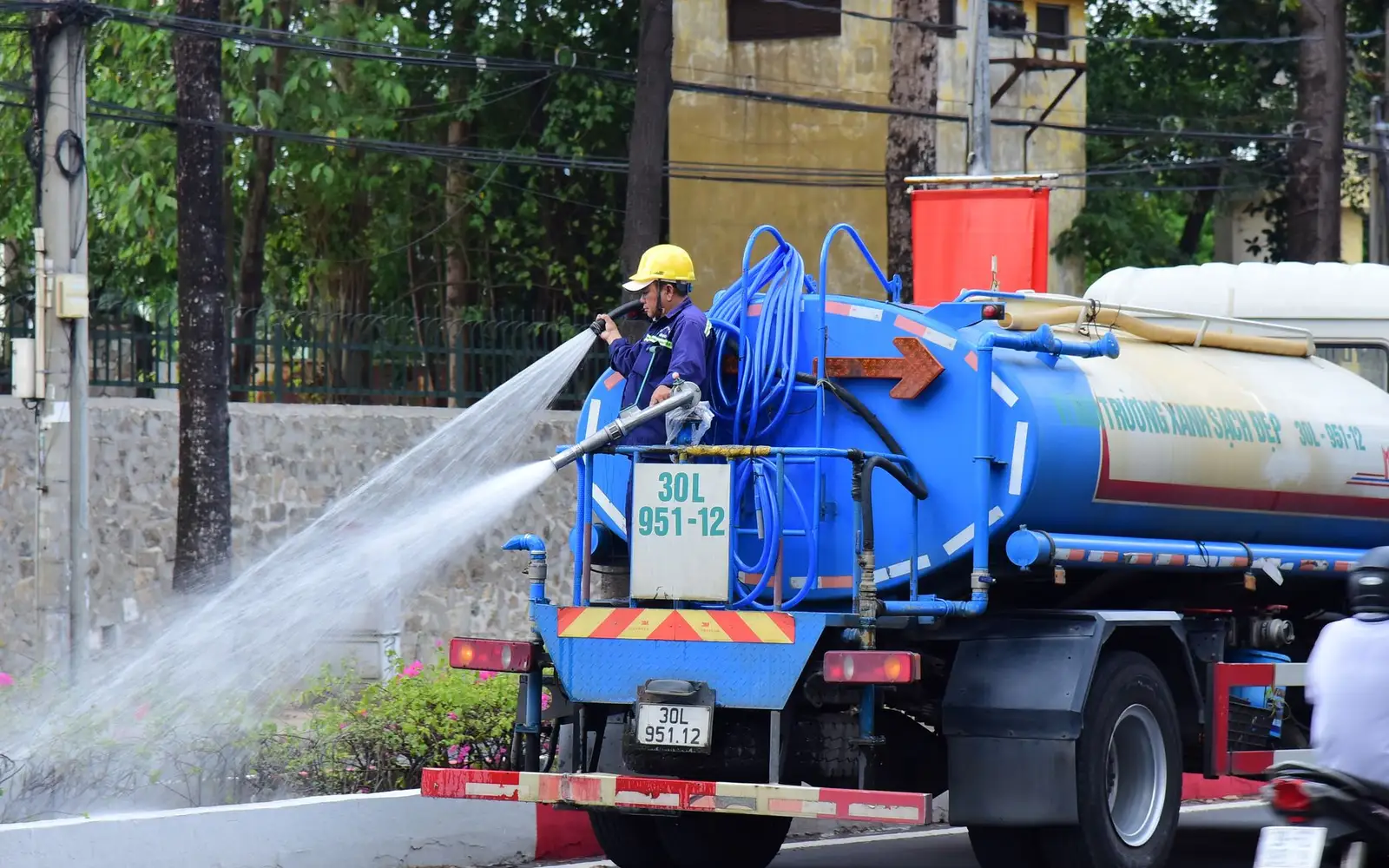
Water tank cleaning in Rai Adhakhir Makkah
Rai Adhakhir is built on steep slopes north east of the Grand Mosque, its apartment blocks stacked against the hillside where water climbs through shared risers from Al Shisha and Al Maabdah below. Your tank is not separate but part of a single residential network, and every blockage or contamination spreads to the flats above and below you.
-
Potable-rated materials
Linings and disinfectants cleared for drinking water tanks, not general-purpose products.
-
You get the downtime first
How many hours the tank is out of service, told before we start rather than after we finish.
-
A first-draw flush
We run the first draw off after refilling, and the tank is not handed back until the water runs clear.
-
Ground and roof tanks
Villas, apartment blocks and premises that need a written record of each visit.
Why the job is different in Rai Adhakhir
Tanks on these roofs sit cramped between cables, ducts and pipe bundles in spaces barely wide enough to work in, and reaching them requires knowledge of the tightly wound building structure. The method is set out in full on how we approach Water tank cleaning.
Shared risers serve flats stacked vertically
Water flows through a single pipe that feeds multiple flats in vertical sequence. If sediment settles in your tank without complete removal, bacteria breed in it and spread through shared pipework to every flat on that line. Cleaning is not just yours but shared across your building.
Rooftop tanks bake under the sun
Tanks on these exposed roofs face direct sunlight all day, and humidity wicks upward from the base into thin concrete. Black mould and algae growth begin on the inner walls before you taste anything wrong in the water. Disinfection after washing only kills what is visible, not the spores in the concrete pores.
Tight roofs crammed with infrastructure
Space between tank and risers leaves no room for a large crew. High pressure washing in a confined space rebounds off walls back onto wiring and antennae. Every angle and distance must be calculated so spray does not travel into electrical conduits running past the tank.
Rai Adhakhir on the map
Rai Adhakhir sits about 1 km from Al Khansa and about 1.5 km from Al Jumayzah.
Open in Google MapsThe condition of the tank decides the method
The district cascades from a high ridge down to the First Ring Road, and seasonal pilgrim housing along Al Ijabah Street puts intense peak demand on the shared tanks at certain times of year.
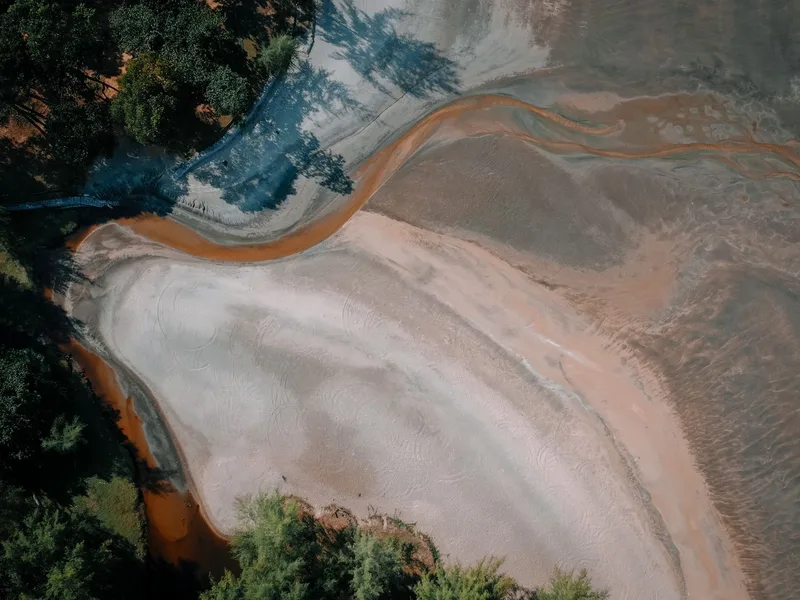
The layer on the floor
Sediment on the floor here is usually a mix of metal oxide and green algae together, because shared tanks stay full year round and rust forms steadily inside.
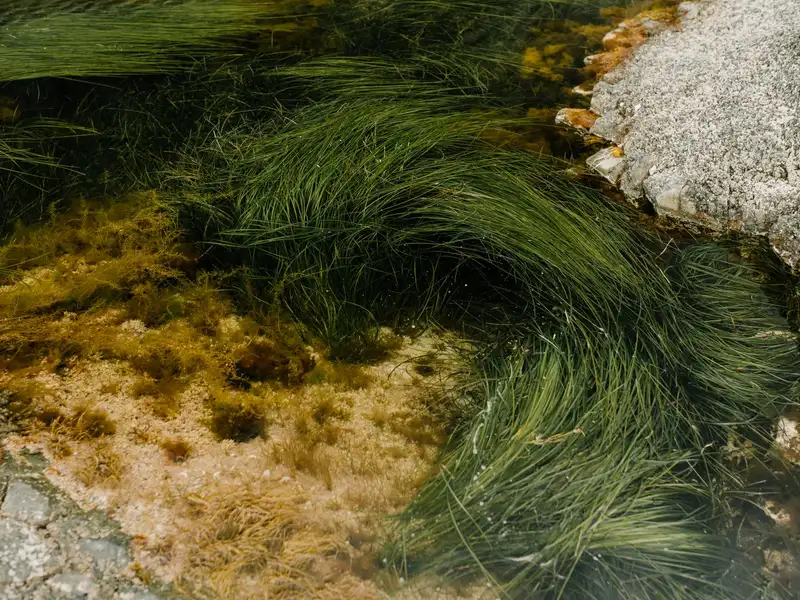
Light and algae
Sunlight reaches some rooftop tanks during the long daylight hours, especially in summer, and algae grows quickly on plastic-lined tank walls where it takes hold.
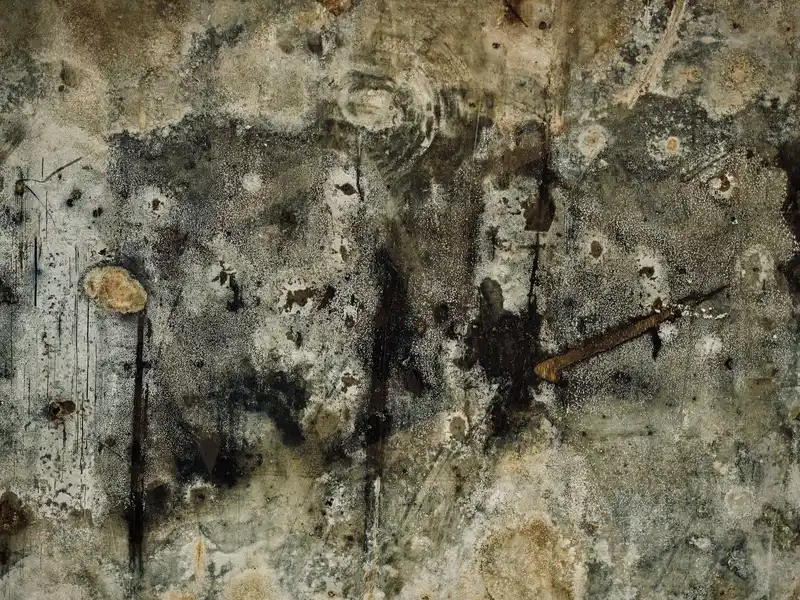
The deposit on the wall
The inner concrete surfaces carry a thick brown layer of calcium and mineral scale from hard water, which needs firm scrubbing and does not respond to light spraying.
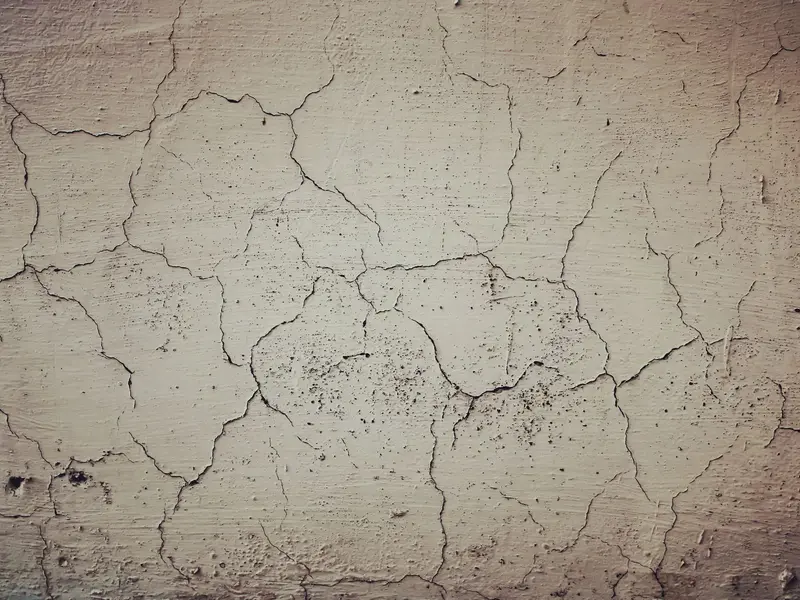
The lining and hairline cracks
Fine hairline cracks in the concrete emerge after years of seasonal swelling and shrinkage, and slow seepage through them means a steady drip even if the eye sees nothing.
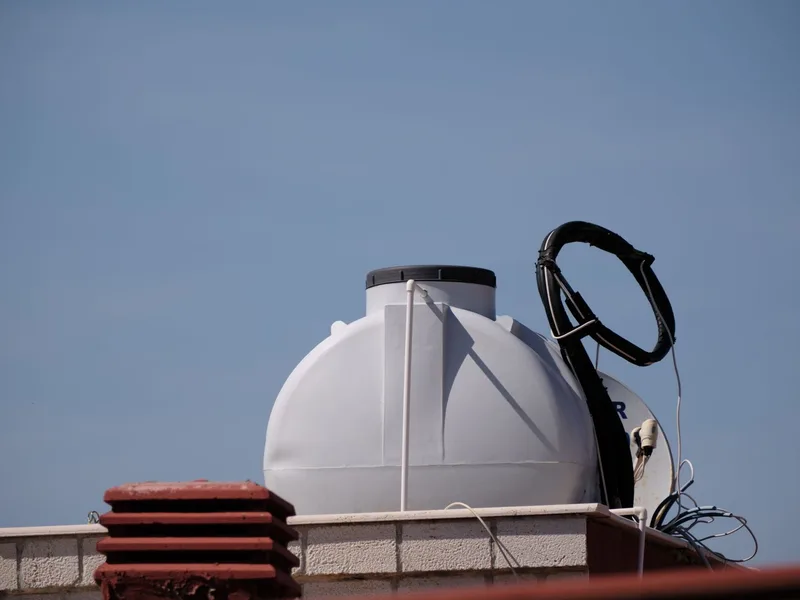
The lid and the access hatch
Tank lids on these buildings are usually heavy steel and the maintenance hatch is small and tight between surrounding pipes. Cleaning hinges and seals matters, so dust does not fall in from the roof.
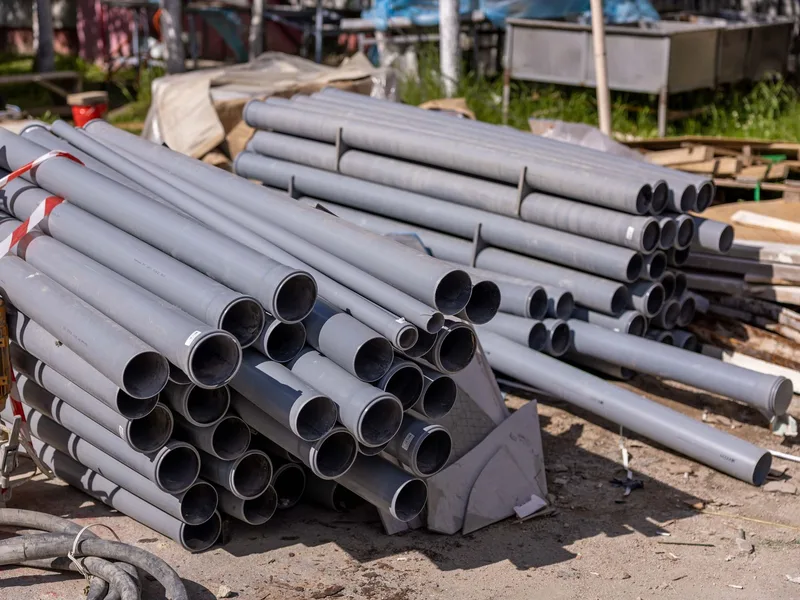
The vent and the overflow pipe
The vent is a thin pipe that does not provide enough air exchange, and overflow often backs into the tank instead of draining away. Redirecting the overflow pipe downward stops contaminated water from flowing back in.
How we work
-
1
Inspect before the drain
Tank type and material, the condition of the lining, the depth of the sediment, the lid and the vent, and where the drained water will go. We agree the window without supply before anything is opened.
-
2
Drain, then lift the sludge
The water leaves through the outlet, then the layer beneath it is taken out by hand and by suction. That layer is the reason for the visit, not the water that ran out ahead of it.
-
3
High pressure wash
Walls, floor and the joint where they meet, with a brush wherever the film resists, then the wash water is taken out completely so nothing we lifted settles again.
-
4
Disinfect and put back in service
Disinfectant over every internal surface, left for its contact time and then rinsed out, followed by the refill, a first draw off at the taps, and a report on what was inside the tank.
What water tank cleaning includes
-

An inspection before the valve
Tank type, lining condition, depth of sediment, lid and vent, recorded before any water leaves.
-

Full drain and sediment removal
The water through the outlet, and the layer below it by hand and by suction until the floor itself is showing.
-

Pressure washing walls and floor
High pressure across the surfaces and corners, and a brush on anything water alone will not lift.
-

Disinfection after the wash
A disinfectant intended for drinking water tanks, named to you before it is used, left for its contact time and then rinsed out.
-

Refill and the first draw off
We refill, run the taps so the new water moves through the pipework, and tell you when it is ready to use.
-

A report and the next date
What was inside the tank, anything on the lid or the lining that needs repair, and a sensible date for the next clean.
The character of Rai Adhakhir
Apartment district: residential blocks, repeated floors and shared entrances
Living in stacked flats means your tank is part of a shared system, so its cleanliness affects your neighbours directly. Cleaning here is not optional but a shared responsibility toward the people who drink from the same pipes you do every day.
Questions about this district
Do you service older apartment blocks with tanks like this one?
Yes, and these older buildings need closer inspection. Steel tanks are beginning to rust from inside, concrete tanks have cracked from seasonal expansion and contraction, so we check every connection before moving water back into service.
If water goes cloudy, is it all flats or just one?
Cloudiness in one flat only after cleaning points to that flat's internal pipes or its filter. If several flats cloud together, the main tank was not cleaned thoroughly enough, or the downpipes from it were not flushed out.
When can we use water in an occupied building after cleaning?
We wait at least an hour for disinfectant to settle and dead organisms to fall away. But if the tank held fish or live matter before cleaning, you need longer to let disinfectant smell drain out of the water.
Does cleaning a tank fix weak water pressure here?
Settled sediment at the base can partially block the outlet, so if pressure stays weak after cleaning despite sediment removal, the problem lies in the building's distribution valve or the mains network itself.
Do tanks fill and empty faster in the pilgrim season?
Yes. If a flat rents to pilgrims seasonally, the tank empties and refills much faster than normal. Sediment builds up rapidly and water clouds within a month. We recommend monthly cleaning during the season.
The tank is leaking from the base. Should it be cleaned or replaced?
A leak from the base is usually a hairline crack in the concrete at the drain fitting. Initial cleaning shows the crack's size, and sometimes a temporary seal stops it before permanent repair. If the crack is wide, replacement is safer than patching.
How much does water tank cleaning in Rai Adhakhir cost?
It is set after the inspection, because the price follows the type of infestation, the size of the space, how far it has spread and the number of visits it needs. Send a photo and a description on WhatsApp and we will give you an estimate before we reach Rai Adhakhir.
Nearby districts we cover
Other services in Rai Adhakhir
Other services we provide to residents of Rai Adhakhir.
-
 Residential
Cockroach control
Residential
Cockroach control
-
 Residential
Bed bug control
Residential
Bed bug control
-
 Residential
Termite control
Residential
Termite control
-
 Residential
Rodents and mice
Residential
Rodents and mice
-
 Residential
Mosquito control
Residential
Mosquito control
-
 Residential
Fly control
Residential
Fly control
-
 Residential
Ant control
Residential
Ant control
-
 Residential
Gecko control
Residential
Gecko control
-
 Residential
Scorpion control
Residential
Scorpion control
-
 Residential
Snake control
Residential
Snake control
-
 Residential
Flea control
Residential
Flea control
-
 Residential
Bird and pigeon control
Residential
Bird and pigeon control
-
 Residential
Preventive treatment
Residential
Preventive treatment
-
 Residential
Disinfection
Residential
Disinfection
-
 Commercial
Annual contracts
Commercial
Annual contracts
-
 Commercial
Restaurants and cafes
Commercial
Restaurants and cafes
-
 Commercial
Hotels and apartments
Commercial
Hotels and apartments
-
 Commercial
Warehouses and factories
Commercial
Warehouses and factories
-
 Commercial
Schools and nurseries
Commercial
Schools and nurseries
-
 Commercial
Retail and malls
Commercial
Retail and malls
-
 Commercial
Rest houses and farms
Commercial
Rest houses and farms
-
 Commercial
Fumigation
Commercial
Fumigation
-
 Water tanks
Water tank sterilization
Water tanks
Water tank sterilization
-
 Water tanks
Water tank sealing
Water tanks
Water tank sealing
-
 Water tanks
Tank leak repair
Water tanks
Tank leak repair
Need water tank cleaning in Rai Adhakhir? Tell us what you saw and we will tell you what it needs
We reach Rai Adhakhir at a time we agree, and you get the full cost before we start.