
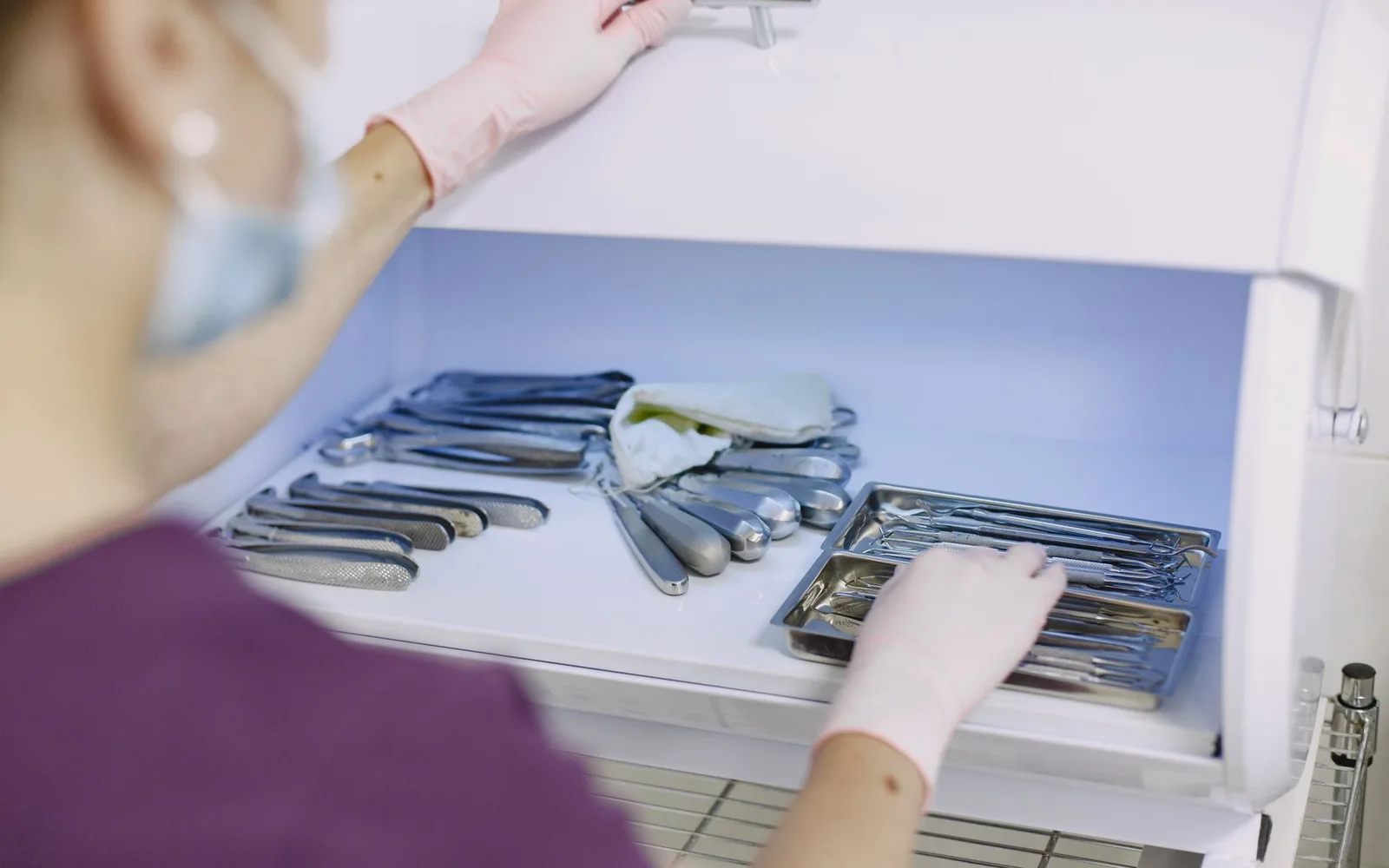
Water tank sterilization in Rai Adhakhir Makkah
Rai Adhakhir is a steep hillside district north-east of the Grand Mosque, with apartment blocks built at sharp angles on mountain slopes. Water in tanks here is pulled downward by gravity on sharply tilted pipes, causing rapid mineral sediment and faster corrosion. Tanks on high roofs endure sharp temperature swings between night and day.
-
Potable-rated materials
Linings and disinfectants cleared for drinking water tanks, not general-purpose products.
-
You get the downtime first
How many hours the tank is out of service, told before we start rather than after we finish.
-
A first-draw flush
We run the first draw off after refilling, and the tank is not handed back until the water runs clear.
-
Ground and roof tanks
Villas, apartment blocks and premises that need a written record of each visit.
Why the job is different in Rai Adhakhir
Buildings here sit on very steep slopes with varying foundation depths. Some tanks stand 15 metres or higher above street level. The method is set out in full on Water tank sterilization in detail.
Tilted pipes cause rapid sediment buildup
Sharp street angles and steep building siting mean pipes descend at extreme angles. Fast-moving water causes high friction and rapid metal oxidation.
Sharp temperature swings cause expansion and contraction
Rooftop tanks endure intense daytime heat and cold nights. Expansion and contraction creates small cracks in tank walls and pipe joints.
Small closely-spaced buildings share common water lines
High density and steep slopes mean several buildings share trunk water pipes. If one tank is contaminated, pollution spreads to neighbours easily through shared lines.
Rai Adhakhir on the map
Rai Adhakhir sits about 1 km from Al Khansa and about 1.5 km from Al Jumayzah.
Open in Google MapsWhat we read inside the tank before anything starts
A residential quarter on north-east slopes above the Grand Mosque, apartment blocks packed on steep hillsides, streets climbing from Al Shisha and Al Maabdah towards Al Khansa. Al Ijabah Mosque on Al Ijabah Street is a known landmark in the district.
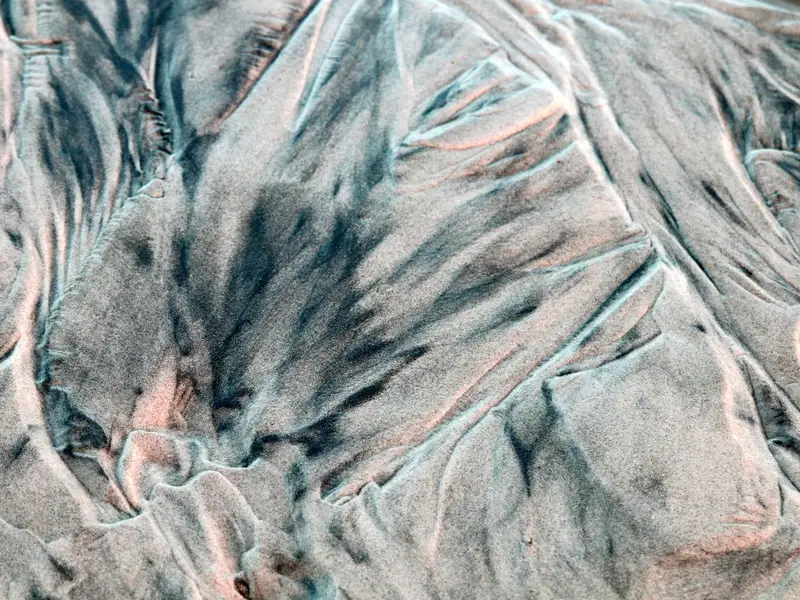
Sediment on the floor
Brown sediment forms rapidly because water moves forcefully in tilted pipes, and friction releases metals from pipe walls.
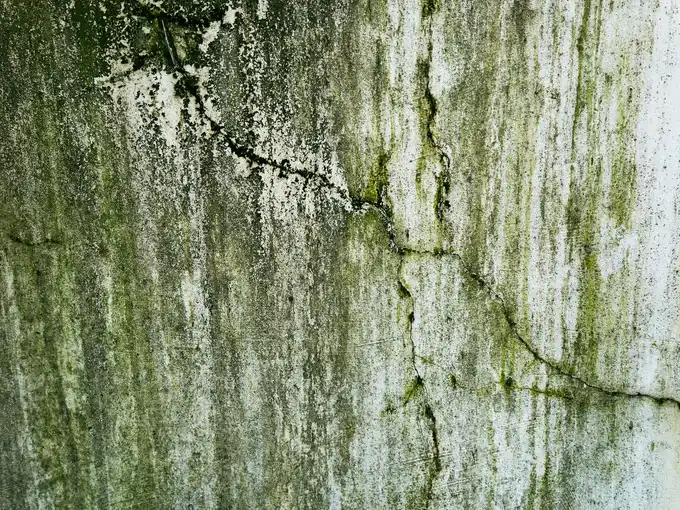
The slime film on the wall
Algae is relatively rare here because water does not stagnate, but mineral sediment is the main problem.
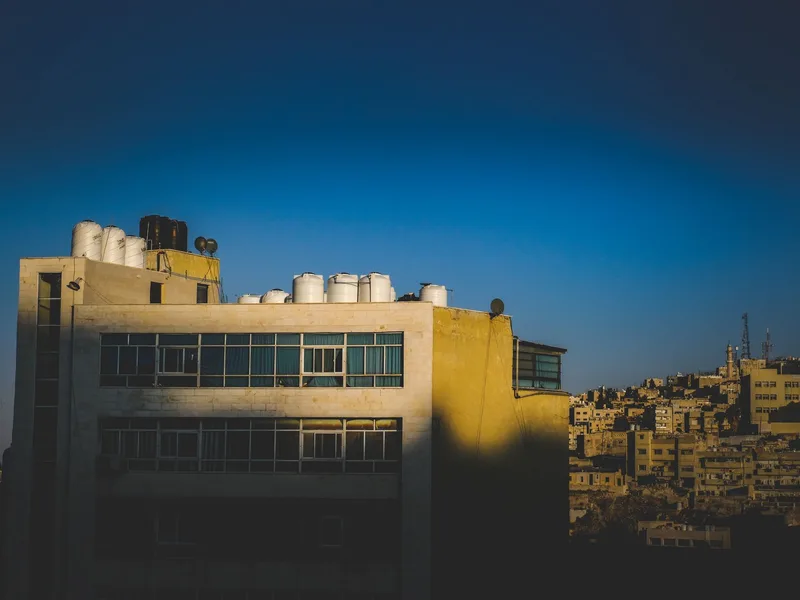
Light and heat
Shared pipe lines between buildings mean contamination spreads fast from tank to tank through flowing water.
The lining and any cracking
Temperature swings from 50 degrees Celsius by day to 20 at night cause expansion and contraction stress on metal and concrete tanks.
The lid and the openings
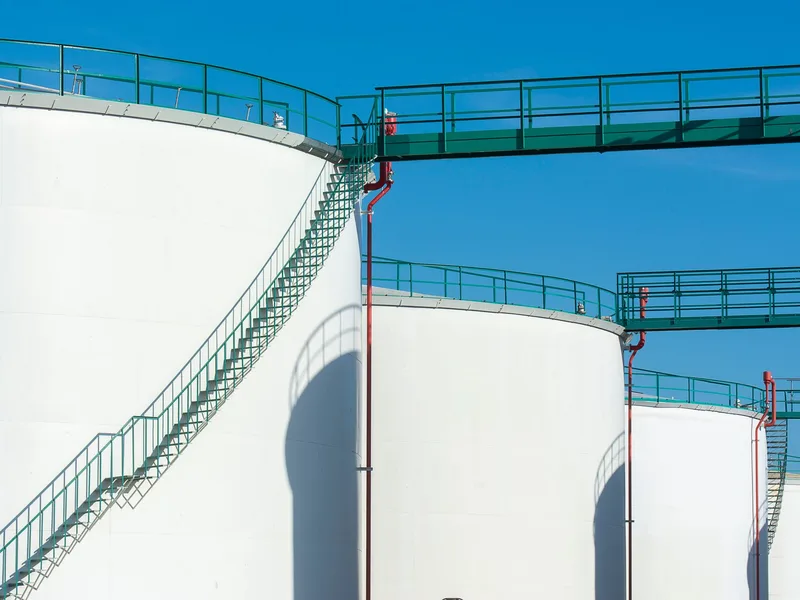
Tank floor contains thick, heavy mineral sediment that needs strong scrubbing and possibly manual removal.

What shows up at the tap
Water after sterilization needs testing because mineral traces may remain in pipes and require additional filtration.
How we work
-
1
Inspect and record the condition
We open the hatch and work through what the tank is made of and how big it is, how deep the sediment lies, the state of the lining, whether the lid and the overflow seal, and whether there is a crack that has to be repaired before any sterilizing.
-
2
Drain and lift the sediment out
The water goes out, then the silt and sand are lifted off the floor by suction rather than pushed toward the outlet, because pushing them sends them into the house pipework and the heater.
-
3
High pressure wash
Walls, floor, corners and the area around the outlet, until the slime film is completely gone. This is the step that makes the sterilizing after it mean anything.
-
4
Sterilize, rinse, then return to service
The sterilizing agent goes onto the walls, the floor and the underside of the lid and is left for its contact time, then we rinse, refill and run the furthest tap until the whole line is clear.
What water tank sterilization includes
-

A recorded inspection
Material, capacity, sediment depth, the state of the lining, the lid and the overflow, all before any work begins.
-

Draining and sediment removal
The water out, and the silt and sand lifted off the floor instead of being pushed into the outlet and the house pipework.
-

High pressure washing
Walls, corners and around the outlet, until the biofilm that no disinfectant penetrates has gone.
-
Sterilizing the internal surfaces
A sterilizing agent meant for drinking water tanks, applied to the walls, the floor and the underside of the lid, and left for its contact time.
-

Line flush and aftercare
Rinse, refill and a flush from the furthest tap, when the water is usable again, and what to change in the filter afterwards.
-

The next cycle
We agree the right interval for your tank from how it is filled, how much sun it takes and the condition of the lid.
The character of Rai Adhakhir
Apartment district: residential blocks, repeated floors and shared entrances
Rai Adhakhir is a residential quarter on very steep slopes, where sharply tilted pipes and high rooftop tanks mean sterilization needs high pressure and strong flushing to remove heavy sediment buildup.
Questions about this district
Why does water in Rai Adhakhir turn brown faster?
Steeply tilted pipes create high water friction, speeding metal oxidation and release of brown deposits.
Do tanks at high elevations need different maintenance?
Yes. High tanks endure harsher temperature swings, causing more cracks, requiring more frequent sterilization.
Do shared pipes between buildings affect water quality?
Yes greatly. One contaminated tank pollutes water in neighbouring buildings that share the same lines.
Is sterilizing one tank enough if pipes are shared?
No. All tanks connected to shared lines must be sterilized together, or water recontaminates through the lines.
How do we handle small cracks in tanks from temperature stress?
Small cracks need careful inspection during cleaning. If found, we recommend repair or sealing before sterilization.
Does tank elevation affect sterilization method?
Yes. High elevation means lower line pressure, so we may need additional pumps to flush pipes at sufficient pressure.
How much does water tank sterilization in Rai Adhakhir cost?
It is set after the inspection, because the price follows the type of infestation, the size of the space, how far it has spread and the number of visits it needs. Send a photo and a description on WhatsApp and we will give you an estimate before we reach Rai Adhakhir.
Nearby districts we cover
Other services in Rai Adhakhir
Other services we provide to residents of Rai Adhakhir.
-
 Water tanks
Water tank cleaning
-
 Water tanks
Water tank sealing
-
 Water tanks
Tank leak repair
-
 Residential
Cockroach control
Need water tank sterilization in Rai Adhakhir? Tell us what you saw and we will tell you what it needs
We reach Rai Adhakhir at a time we agree, and you get the full cost before we start.