
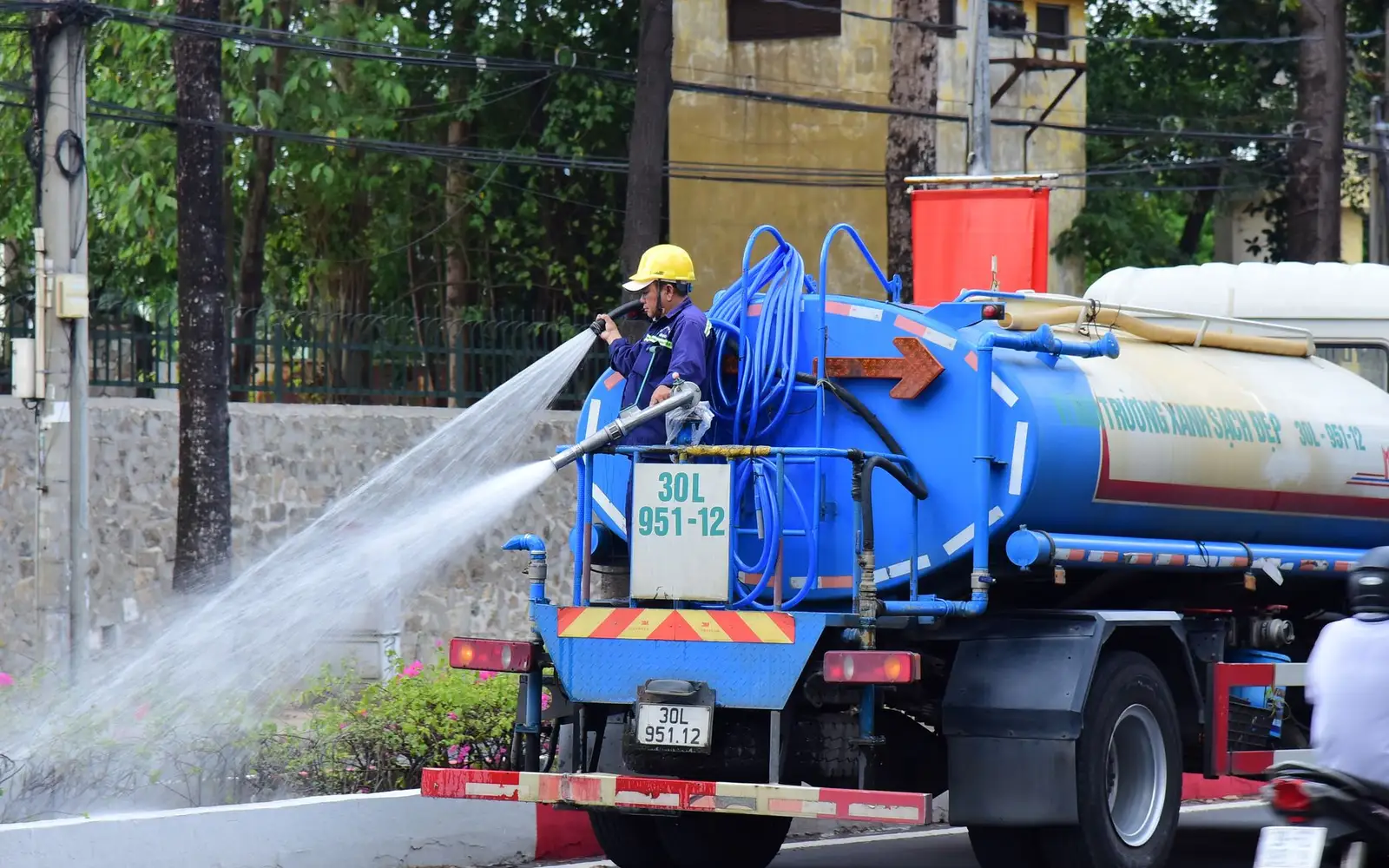
Water tank cleaning in Sharai Makkah
Sharai spreads across the north east of Makkah along King Faisal Road, a mixed district where shops occupy ground floors and apartments rise above them, with villas scattered among vacant plots. Tanks here serve shops and homes together, bearing usage patterns that swing wildly between opening hours and night, a pressure swing that does not occur in purely residential areas.
-
Potable-rated materials
Linings and disinfectants cleared for drinking water tanks, not general-purpose products.
-
You get the downtime first
How many hours the tank is out of service, told before we start rather than after we finish.
-
A first-draw flush
We run the first draw off after refilling, and the tank is not handed back until the water runs clear.
-
Ground and roof tanks
Villas, apartment blocks and premises that need a written record of each visit.
Why the job is different in Sharai
Shared tanks between shops and flats undergo dramatic consumption swings: ground floor shops drain the tank fast in daytime hours, then consumption stops almost entirely after dark as shops close. The method is set out in full on the full Water tank cleaning page.
Shops below and homes above mean variable pressure
A tank shared between a commercial unit and residential flats bears irregular consumption. The shop empties the tank quickly during business hours, then consumption drops sharply at night. This swinging pressure stirs the settled sludge at the bottom, lifting it and letting it sink again in layers. Each swing redistributes the sediment, speeding its compaction and increasing how often the tank must be cleaned to stay clear.
Proximity to the Haram boundary means extreme density
Part of Sharai sits inside the Haram boundary where outward expansion stops, compressing the resident population into a fixed area. Tanks here serve far more people per square metre than suburban tanks. Sediment builds faster in high-use tanks, and the cleaning cycle shortens. A tank serving one building in an outlying area may go a year between cleanings; here, tanks may need attention in half that time.
Seasonal wadis leave damp silt near the foundations
Wadi Al Sharai carries flash floods after rain then dries out, but the silt and moisture it deposits linger in the ground beneath buildings. This persistent damp near the tank foundation stresses the concrete, opening hairline cracks through which groundwater seeps. Water entering through these cracks carries soil and minerals that cloud the tank water. Deeper cleaning is needed to clear what seeps in.
Sharai on the map
Sharai sits about 1.5 km from Salam and about 2 km from Muad.
Open in Google MapsThe condition of the tank decides the method
The district lies on a regular street grid between a seasonal wadi that dries but leaves silt and damp, while the Haram boundary runs along its western edge where building density is at its highest.
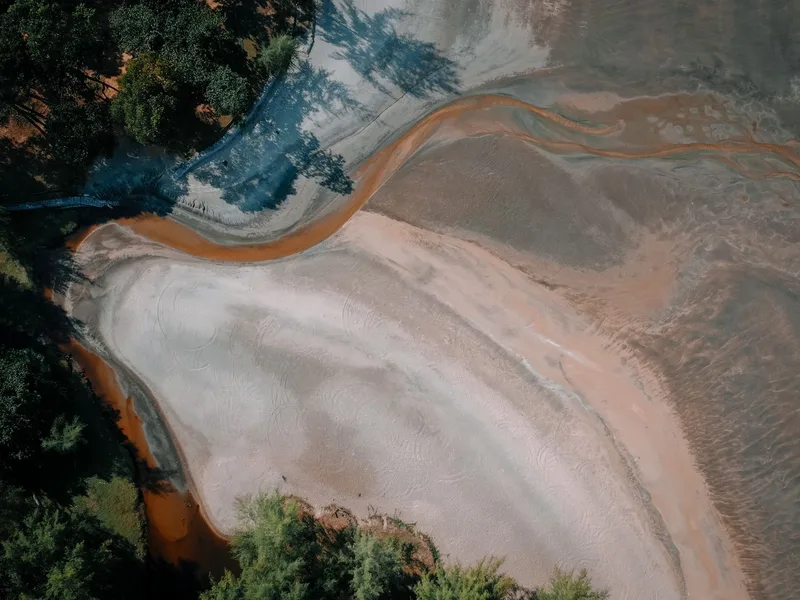
The layer on the floor
The floor layer is thick here because the shared tank endures stop-start consumption that lifts sludge and drops it again in strata, each cycle adding to the deposit on the bottom.
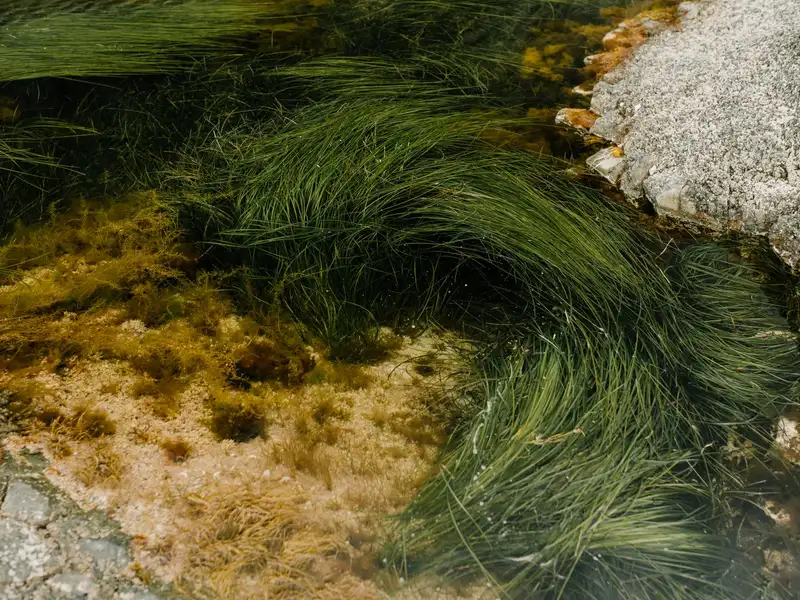
Light and algae
Algae rarely grow because the tank is always covered, but bacteria multiply fast in the sludge that settles from pressure swings day after day.
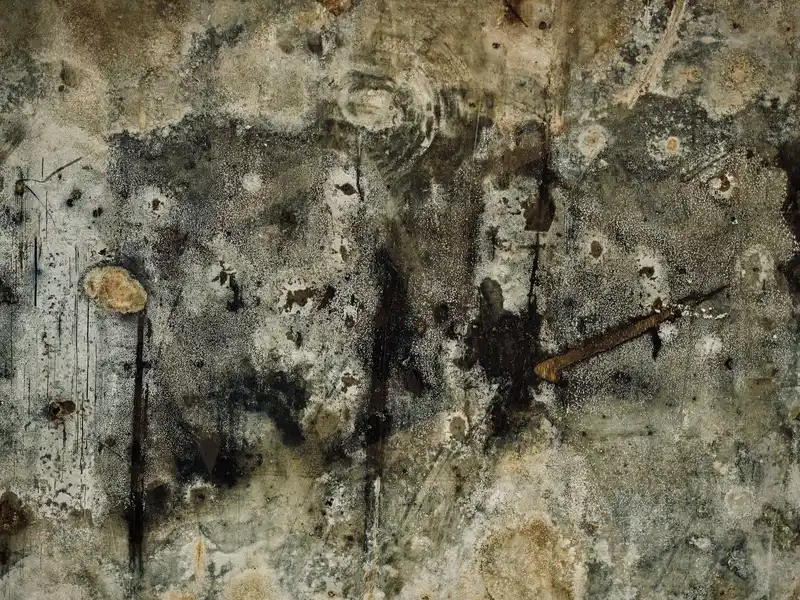
The deposit on the wall
The walls carry a brown film from suspended sediment that drops from water under variable pressure, creating distinct rings as levels change.
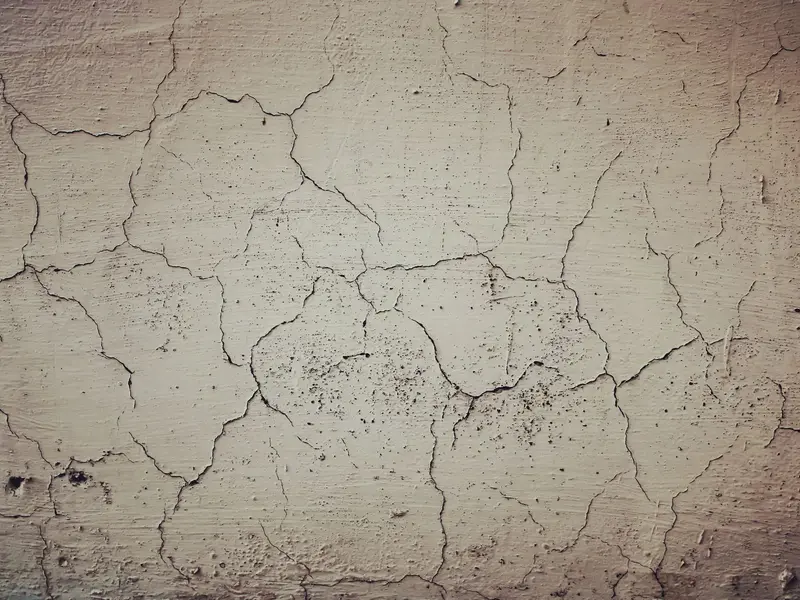
The lining and hairline cracks
The lining and hairline cracks appear from the variable pressure on the walls and from changing load on the foundations as moisture lingers from the seasonal wadi nearby.
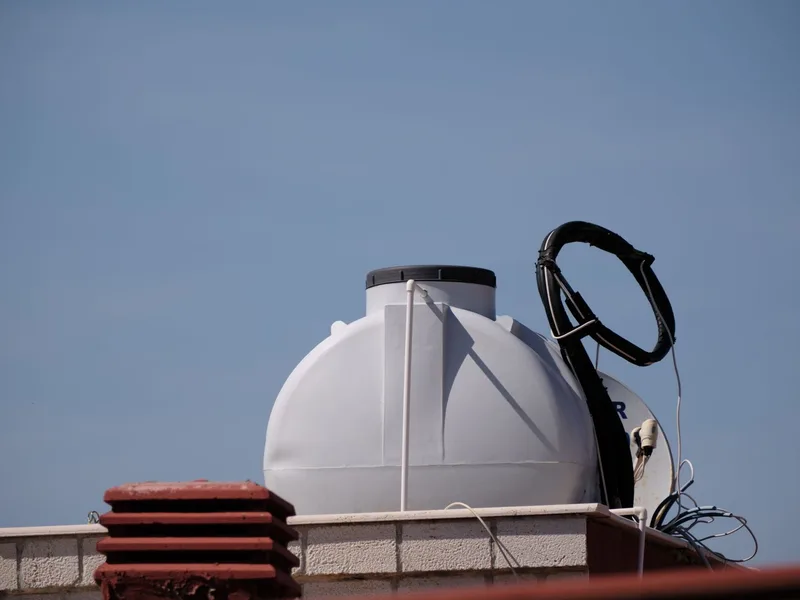
The lid and the access hatch
The lid and hatch are usually secure because the district is planned on a regular grid, but we inspect dust seals and insect barriers carefully each time.
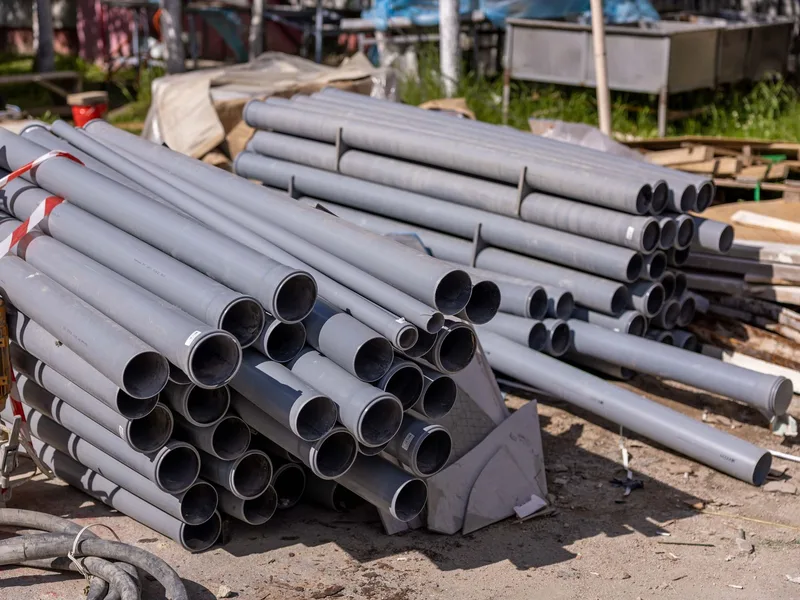
The vent and the overflow pipe
The vent and overflow pipe need checking because pressure swings can weaken the joints, and a leak at the vent can siphon contaminated air into the tank.
How we work
-
1
Inspect before the drain
Tank type and material, the condition of the lining, the depth of the sediment, the lid and the vent, and where the drained water will go. We agree the window without supply before anything is opened.
-
2
Drain, then lift the sludge
The water leaves through the outlet, then the layer beneath it is taken out by hand and by suction. That layer is the reason for the visit, not the water that ran out ahead of it.
-
3
High pressure wash
Walls, floor and the joint where they meet, with a brush wherever the film resists, then the wash water is taken out completely so nothing we lifted settles again.
-
4
Disinfect and put back in service
Disinfectant over every internal surface, left for its contact time and then rinsed out, followed by the refill, a first draw off at the taps, and a report on what was inside the tank.
What water tank cleaning includes
-

An inspection before the valve
Tank type, lining condition, depth of sediment, lid and vent, recorded before any water leaves.
-

Full drain and sediment removal
The water through the outlet, and the layer below it by hand and by suction until the floor itself is showing.
-

Pressure washing walls and floor
High pressure across the surfaces and corners, and a brush on anything water alone will not lift.
-

Disinfection after the wash
A disinfectant intended for drinking water tanks, named to you before it is used, left for its contact time and then rinsed out.
-

Refill and the first draw off
We refill, run the taps so the new water moves through the pipework, and tell you when it is ready to use.
-

A report and the next date
What was inside the tank, anything on the lid or the lining that needs repair, and a sensible date for the next clean.
Landmarks of Sharai
Sharai extends between King Faisal Road on the east and Al Sharai Cemetery on the west, with shared tanks between shops and flats distributed across the regular street grid between the mosques and parks. We navigate by the planned street pattern that runs through the whole district.
- King Faisal Road
- Al Sharai Park
- Al Sharai Cemetery
- Al Sudais Mosque
- Sheikh Yasin Khayyat Mosque
- Engineer Omar Qadi Street
Questions about this district
Our tank is shared between the shop and the flats above. Does it need different cleaning?
Yes, distinctly. Shared tanks endure swinging pressure all day long as the shop opens and closes, and this motion stirs the settled layer that other tanks leave undisturbed. We focus on clearing the sludge that gets lifted and resettled repeatedly. We also inspect the shared pipework between shop and flats to spot any leak that might let contaminated water feed into the tank.
Do commercial shops below the tank increase bacteria inside it?
The shops themselves do not directly increase bacteria, but the stop-start consumption and pressure swings cause settled sludge where bacteria thrive. If the shop handles food or paints, even a tiny pipe leak can introduce contaminants into a shared tank through the connected pipework below ground.
Water from the upper flat is cloudy but the lower flat is clear. Why?
This happens in shared tanks when sludge settles unevenly across the tank base. The flat nearest the tank outlet gets clear water; the other takes water that may carry the settled layer. Thorough cleaning removes all sludge and rebalances the tank so both users get the same quality.
The Haram boundary runs past our building. Does it affect the tank?
The boundary itself does not affect water quality, but it signals extreme residential density. More people means faster water turnover in the tank and faster sediment buildup. Tanks in this part of Sharai may need cleaning more often than tanks in less dense areas, because consumption is simply higher.
The tank empties fast during business hours then consumption stops. Is this harmful?
Very harmful over time. Swinging pressure lifts settled sludge off the bottom and lets it sink again in new places. The tank accumulates sludge faster than a steady-use tank. Cleaning must happen more often, and the pipework needs regular inspection because pressure swings can open small cracks in pipes underground.
Should we inspect the pipes at the same time as the tank cleaning?
Absolutely. Shared tanks between shops and homes bear pressure that stresses small cracks in underground pipework. During cleaning we inspect pipes and joints for leaks or weakness that might let unfiltered water into the tank. A crack that is small today can widen under repeated pressure swings.
How much does water tank cleaning in Sharai cost?
It is set after the inspection, because the price follows the type of infestation, the size of the space, how far it has spread and the number of visits it needs. Send a photo and a description on WhatsApp and we will give you an estimate before we reach Sharai.
Other services in Sharai
Other services we provide to residents of Sharai.
-
 Residential
Cockroach control
Residential
Cockroach control
-
 Residential
Bed bug control
Residential
Bed bug control
-
 Residential
Termite control
Residential
Termite control
-
 Residential
Rodents and mice
Residential
Rodents and mice
-
 Residential
Mosquito control
Residential
Mosquito control
-
 Residential
Fly control
Residential
Fly control
-
 Residential
Ant control
Residential
Ant control
-
 Residential
Gecko control
Residential
Gecko control
-
 Residential
Scorpion control
Residential
Scorpion control
-
 Residential
Snake control
Residential
Snake control
-
 Residential
Flea control
Residential
Flea control
-
 Residential
Bird and pigeon control
Residential
Bird and pigeon control
-
 Residential
Preventive treatment
Residential
Preventive treatment
-
 Residential
Disinfection
Residential
Disinfection
-
 Commercial
Annual contracts
Commercial
Annual contracts
-
 Commercial
Restaurants and cafes
Commercial
Restaurants and cafes
-
 Commercial
Hotels and apartments
Commercial
Hotels and apartments
-
 Commercial
Warehouses and factories
Commercial
Warehouses and factories
-
 Commercial
Schools and nurseries
Commercial
Schools and nurseries
-
 Commercial
Retail and malls
Commercial
Retail and malls
-
 Commercial
Rest houses and farms
Commercial
Rest houses and farms
-
 Commercial
Fumigation
Commercial
Fumigation
-
 Water tanks
Water tank sterilization
Water tanks
Water tank sterilization
-
 Water tanks
Water tank sealing
Water tanks
Water tank sealing
-
 Water tanks
Tank leak repair
Water tanks
Tank leak repair
Need water tank cleaning in Sharai? Tell us what you saw and we will tell you what it needs
We reach Sharai at a time we agree, and you get the full cost before we start.