
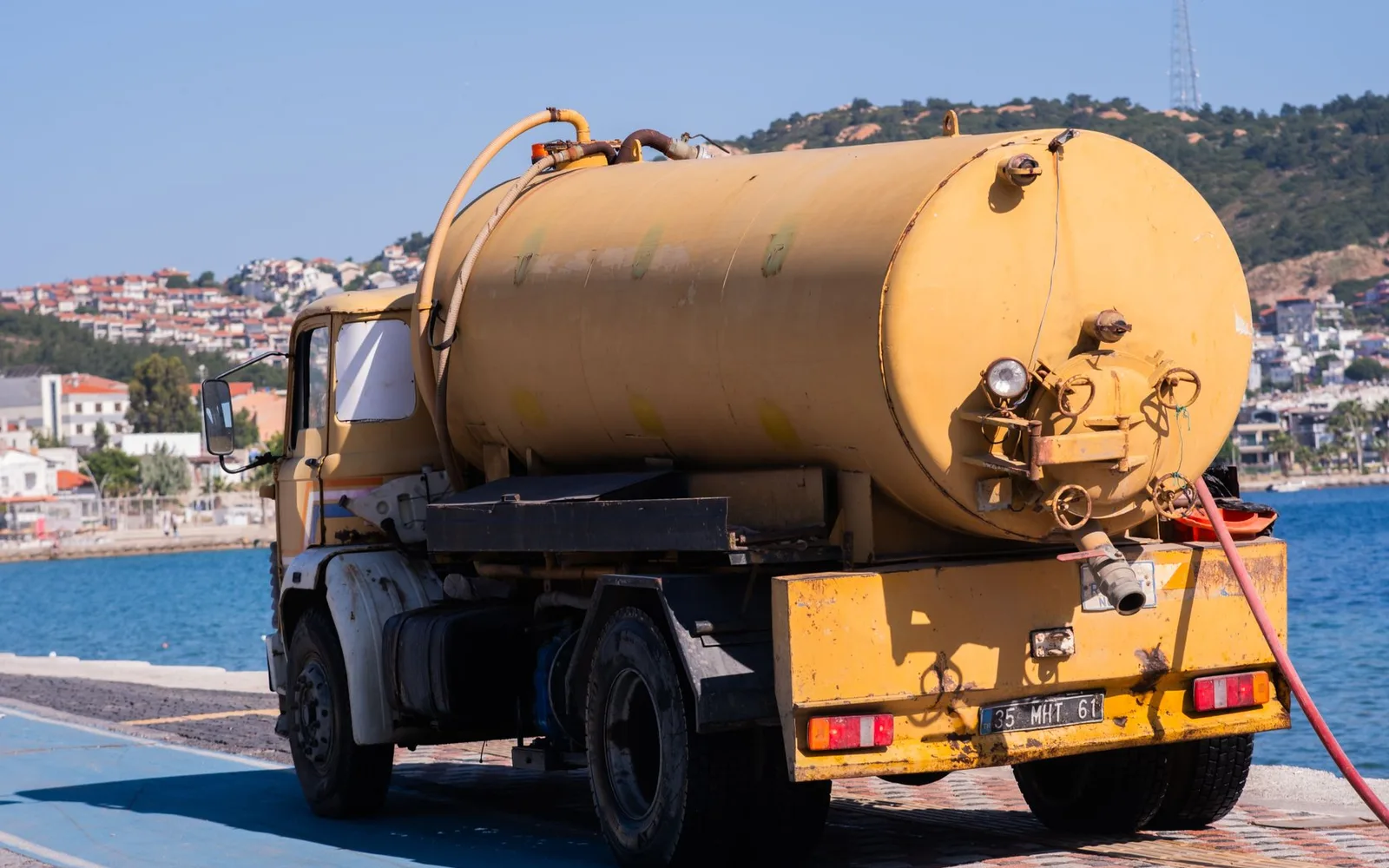
Water tank sealing in Al Hajlah Makkah
Al Hajlah is a narrow quarter along Ibrahim Al Khalil Street south west of the Grand Mosque, packed with pilgrim hotels and cramped apartment blocks. Tanks here endure constant water pressure and extreme summer heat, and cracks appear quickly in older tanks. Sealing becomes essential before leaks damage the weak walls and foundations below.
-
Potable-rated materials
Linings and disinfectants cleared for drinking water tanks, not general-purpose products.
-
You get the downtime first
How many hours the tank is out of service, told before we start rather than after we finish.
-
A first-draw flush
We run the first draw off after refilling, and the tank is not handed back until the water runs clear.
-
Ground and roof tanks
Villas, apartment blocks and premises that need a written record of each visit.
Why the job is different in Al Hajlah
The buildings mix older structures with modern towers, and most tanks are twenty years or older, all under very high water consumption pressure from hotel guests. The method is set out in full on what Water tank sealing involves.
Tanks scattered across hotel roofs and apartment blocks
Tanks sit on rooftops of hotels and residential buildings climbing towards the Haram. Old tanks endure constant stress from expansion and contraction due to extreme summer heat.
Water leaks damage walls and weakening foundations
Leaks from tanks reach interior and exterior walls and quickly weaken old foundations. Moisture spreads through the building structure and causes serious structural problems.
Very high water consumption in hotels
Pilgrim hotels consume water intensively year round, especially in Hajj seasons. Continuous pressure on tank pipes and joints accelerates tank deterioration.
The character of Al Hajlah
Apartment district: residential blocks, repeated floors and shared entrances
The mix of modern towers and old apartment buildings means varied tanks and pressures. Dense hotels consume water at very high intensity, and older tanks deteriorate faster than modern towers. Sealing must account for continuous pressure and sharp temperature swings.
What we read before any material is opened
A densely populated narrow quarter along Ibrahim Al Khalil Street, with pilgrim hotels and tightly built apartment blocks, squeezed between two hills and adjacent to the Jabal Omar towers on the west and Al Misfalah to the south.
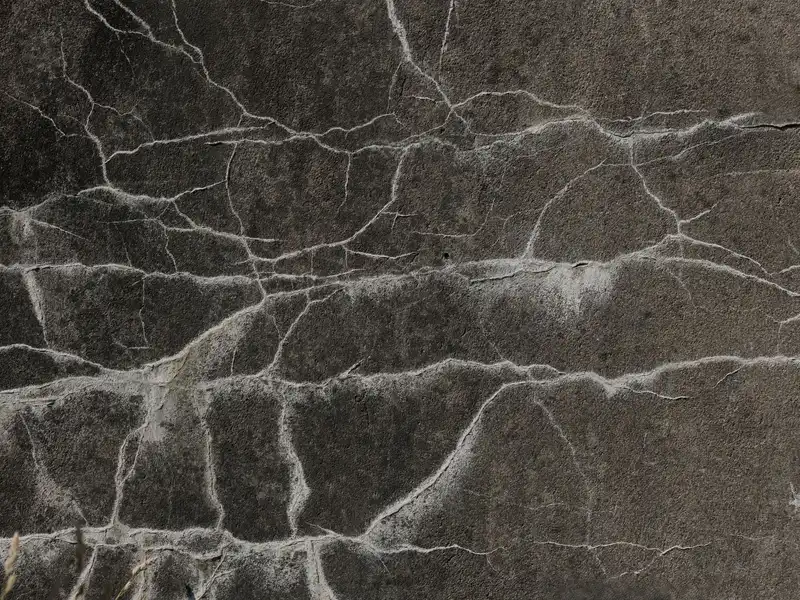
Cracking in the wall
Interior inspection begins by examining the floor and walls for fine cracks and leaks, especially in tank corners where salts accumulate.
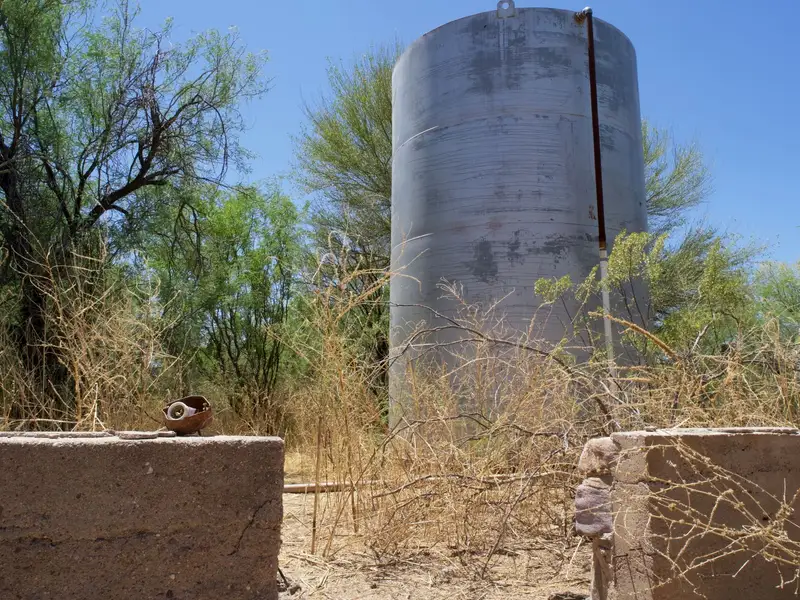
The floor to wall joint
Floor-to-wall joints are weakest because constant pressure causes separation in old joints.
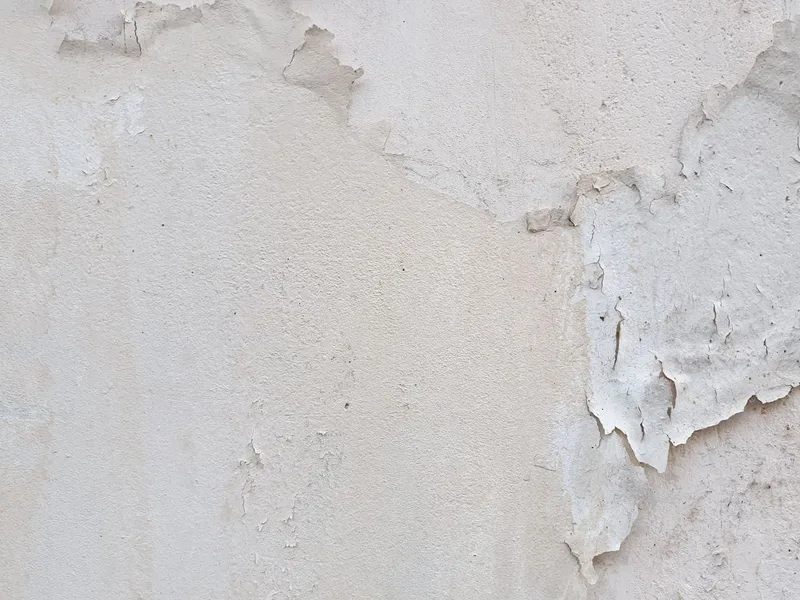
The condition of the old lining
Inlet and outlet pipes face very high pressure from hotel consumption, and leaks start there first.
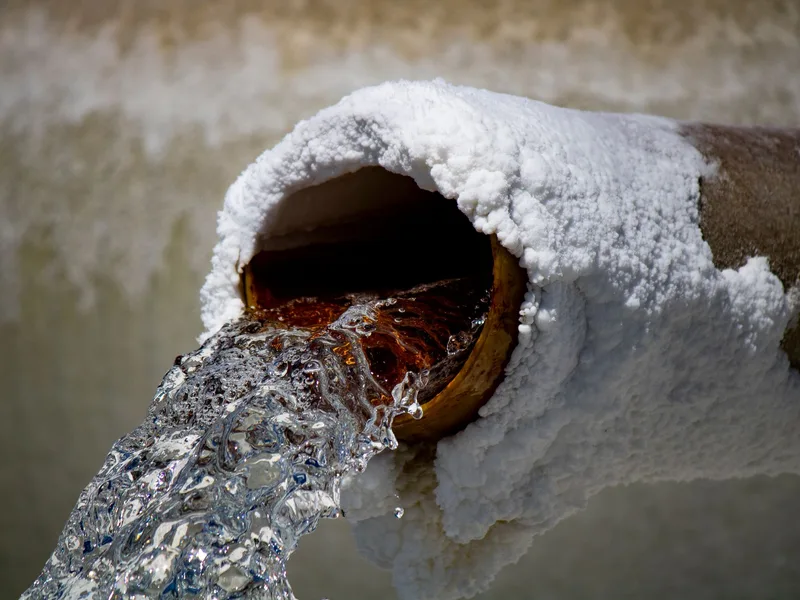
Sediment and scale
Moisture and dissolved salts deposit on walls, especially in fast-drying areas, accelerating corrosion.
The pipe entries
Hairline cracks spread from weak corners across the tank surface, and early treatment stops their spread.
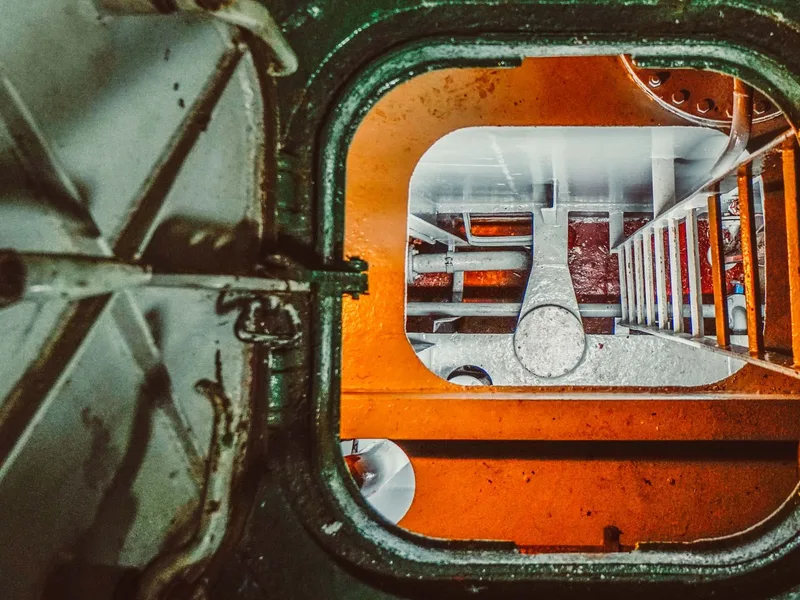
The hatch and the vent
Water testing after sealing involves filling the tank and waiting several hours to confirm no new leaks appear.
How we work
-
1
Inspect with the tank empty
We drain it and read the surface dry: whether the water leaves through a crack, a joint or a pipe collar, and what the outer face of the wall and the ceiling below are telling us. A level test with the valves closed separates a leaking tank from leaking pipework.
-
2
Clean and prepare the substrate
Sediment out, a high pressure wash, the loose old lining and the weak surface layer of the concrete taken back, then dried. The material grips sound substrate and nothing else.
-
3
Make the cracks and joints good
Cracks are chased out and filled with a repair mortar, a cove is formed where the floor meets the wall, and every pipe collar is treated on its own.
-
4
Lining, fill test, sterilisation
Successive coats, each run across the one beneath it, on the face the water touches. Then a full cure, a fill with the level watched, and sterilisation with the first fill run to waste before the tank returns to use.
What water tank sealing includes
-

Finding where the water leaves
Carried out drained and dry: cracks, joints, pipe collars and the outer face of the wall.
-

Draining and sediment removal
The last of the water and the settled layer on the floor come out, because a lining does not stick over sediment.
-
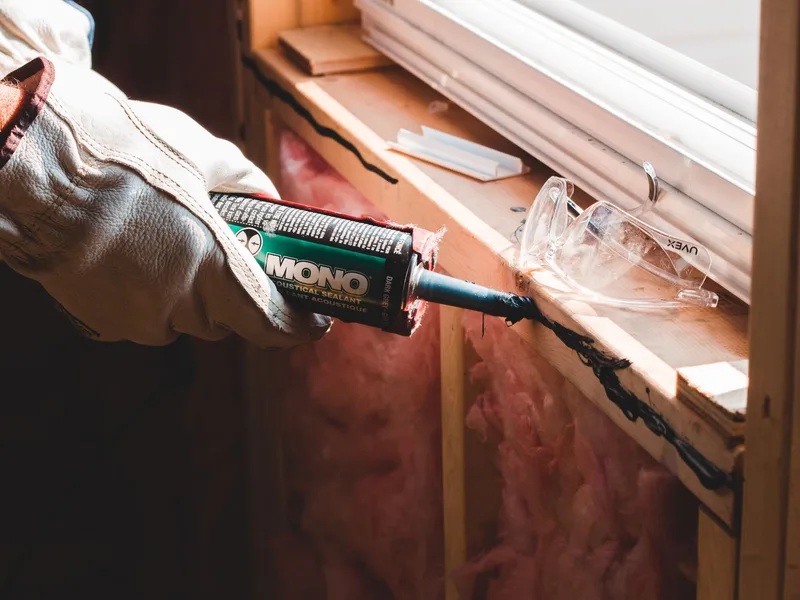
Cracks and joints made good
The crack opened and filled, a cove formed at the floor to wall junction, and each pipe entry worked separately.
-

Lining coats on the water face
More than one coat, each crossing the one below, in material made for drinking water tanks rather than roof waterproofing.
-

Curing, fill test and sterilisation
The material is left to cure, the tank is filled and the level watched, then sterilised and the first fill run to waste. How long the cure takes follows the material and the weather, and we tell you before the date so you can plan around the supply.
-

A follow-up level check
We come back once it is in service to read the level and check the outer face, because any remaining loss shows up then rather than on the day of the work.
What is different about Ajyad Sub-Municipality
Ajyad sub municipality takes in the districts that press against the Grand Mosque from the south and west: Ajyad, Al Hajlah, Al Shubaikah, Al Tandabawi and Al Mansour. Hotels and rented apartment blocks for Umrah visitors stack up along Ajyad Street and Ibrahim Al Khalil Street, with kitchens and restaurants running aday and night in season. Behind them, Al Shubaikah and Al Tandabawi keep narrow old lanes on hillside ground where buildings and drains are ageing, and demolition and construction sites are a constant presence around Jabal Omar and the central zone.
Questions about this district
Why do cracks appear quickly in Al Hajlah tanks?
Extreme summer heat causes continuous expansion and contraction of the tank. High pressure from constant hotel water consumption adds stress to old tank walls.
Does a slow tank leak need immediate repair?
Yes, even slow leaks must be treated quickly. Water will reach foundations and walls and cause much greater structural damage than sealing costs.
Is sealing the tank interior alone enough?
It may be if cracks are only surface-level. But if cracks are deep or at floor-wall joints and pipe entries, the underlying structure must be treated first.
How do you handle pipe entries and fittings in the tank?
We disconnect old pipes and treat the entry point with special sealant before reconnecting. New joints are airtight and treated with strong waterproofing compound.
Are modern tanks in the towers less prone to leaking?
Yes, but even modern tanks may need sealing if under very high consumption pressure or if the original material is poor quality.
How long does sealing a tank in an operating hotel take?
The tank must first be emptied completely. Cleaning and sealing may take one or two days depending on tank size. Work can be scheduled at night to minimise hotel disruption.
How much does water tank sealing in Al Hajlah cost?
It is set after the inspection, because the price follows the type of infestation, the size of the space, how far it has spread and the number of visits it needs. Send a photo and a description on WhatsApp and we will give you an estimate before we reach Al Hajlah.
Nearby districts we cover
Other services in Al Hajlah
Other services we provide to residents of Al Hajlah.
-
 Water tanks
Water tank cleaning
-
 Water tanks
Water tank sterilization
-
 Water tanks
Tank leak repair
-
 Residential
Cockroach control
Need water tank sealing in Al Hajlah? Tell us what you saw and we will tell you what it needs
We reach Al Hajlah at a time we agree, and you get the full cost before we start.