
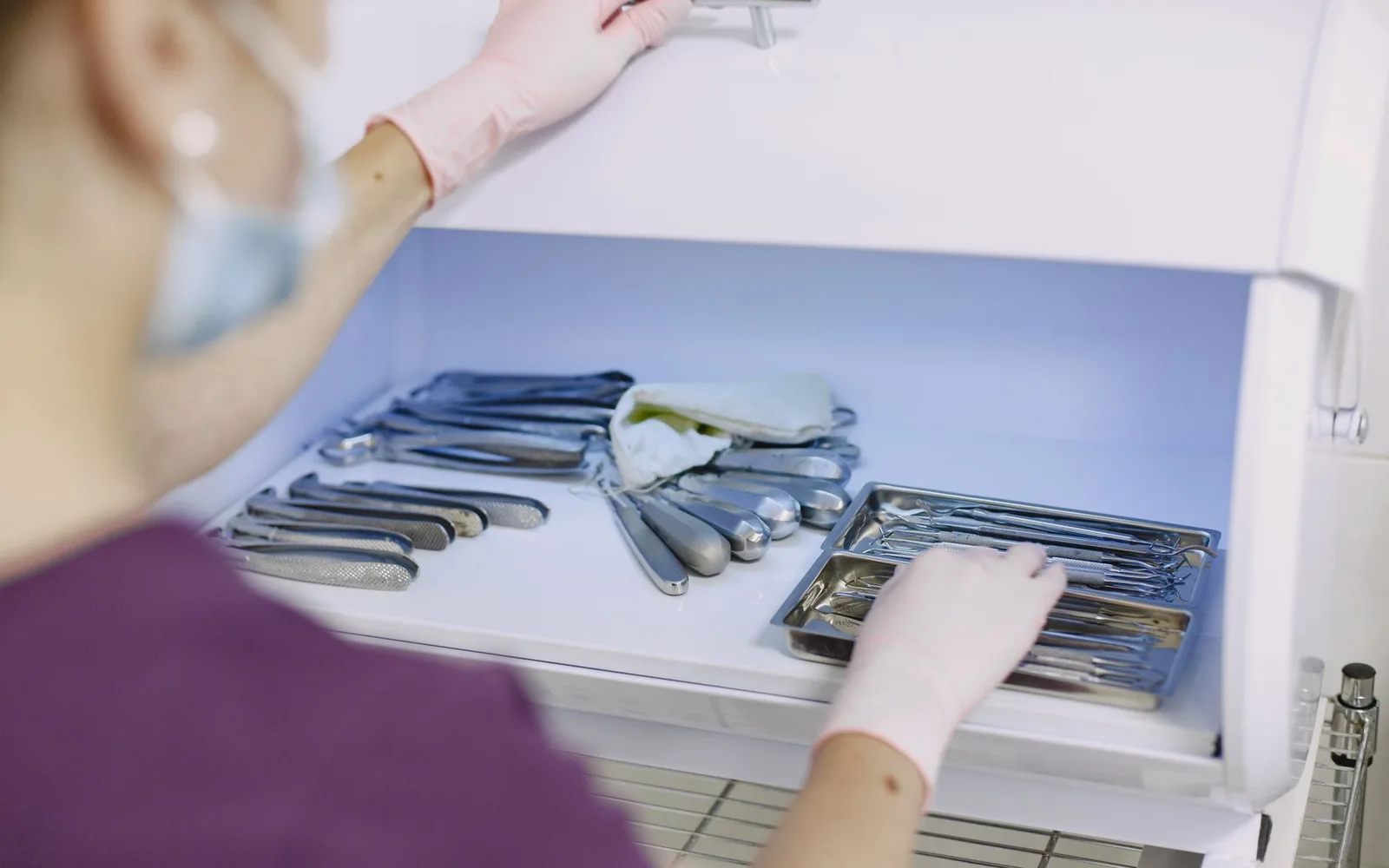
Water tank sterilization in Al Hajlah Makkah
Al Hajlah is a narrow deep district squeezed between the Ibrahim Al Khalil hill and Jabal Khandamah south west of the Sacred Mosque. It once held the firewood market and now forms a wall of pilgrim hotels and apartment blocks climbing toward the mosque courtyards. Tanks here are wedged into tight spaces and the structure is complex because the quarter is extremely narrow, buildings are very tall and cracking and moisture are everywhere.
-
Potable-rated materials
Linings and disinfectants cleared for drinking water tanks, not general-purpose products.
-
You get the downtime first
How many hours the tank is out of service, told before we start rather than after we finish.
-
A first-draw flush
We run the first draw off after refilling, and the tank is not handed back until the water runs clear.
-
Ground and roof tanks
Villas, apartment blocks and premises that need a written record of each visit.
Why the job is different in Al Hajlah
Tanks here are tucked into very tight spaces between foundations and walls, many are old and pressed directly against damp soil. The method is set out in full on how we approach Water tank sterilization.
Tanks wedged against foundations and damp soil
Tanks in Al Hajlah sit in extremely tight corners under buildings or pressed directly against soil walls. Soil around the tank is very damp and salt seeps from soil into the tank's external walls.
Cracking and moisture in deep foundations
The quarter lies between two hills and groundwater is very high. Deep foundations have many cracks and water seeps from the outer soil ring into the tank interior.
Tightly packed tall buildings and severe consumption
Hotels and towers are very tall and the tank needs extreme pressure to push water to upper floors. Pilgrimage season consumption is severe and the tank suffers extreme mechanical pressure.
The character of Al Hajlah
Apartment district: residential blocks, repeated floors and shared entrances
A district of hotels and towers crammed into an extremely narrow passage means old tanks pressed against very damp soil. Sterilization needs very deep washing from both outside and inside, and inspection for seepage and cracking in foundations because continuous seepage can re-contaminate the tank.
What we read inside the tank before anything starts
A narrow compressed quarter along Ibrahim Al Khalil Street south west of the Sacred Mosque, squeezed between two hills. Once the firewood market, now a wall of pilgrim hotels and packed apartment blocks climbing toward the mosque courtyards, with Al Shubaikah and modern towers on the west and Al Misfalah below to the south.
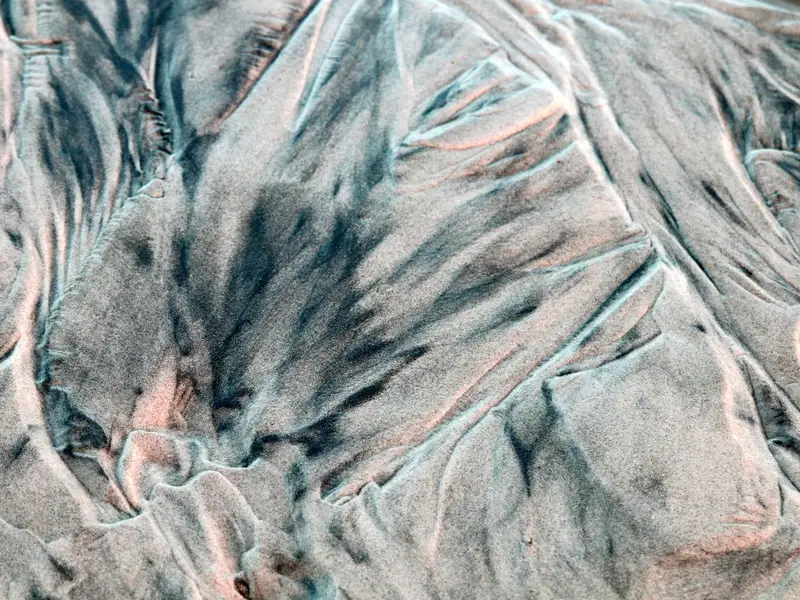
Sediment on the floor
Salt and minerals from damp soil seep from outside and accumulate on the tank's external walls in a white layer.
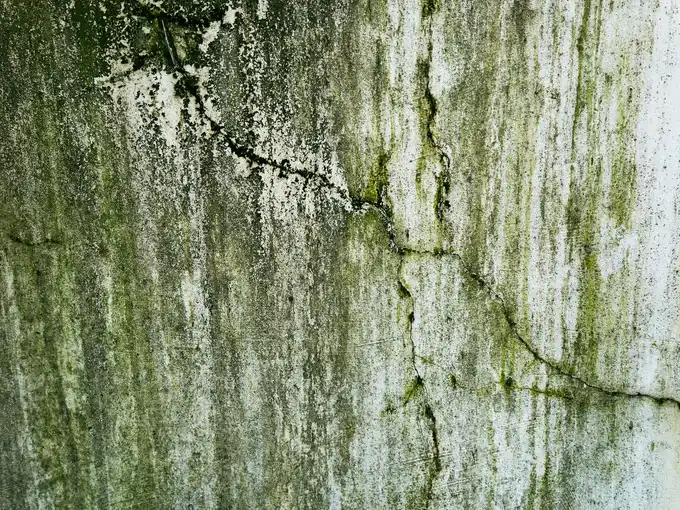
The slime film on the wall
Algae and fine organisms grow on the external tank walls because soil is damp and water seeps slowly.
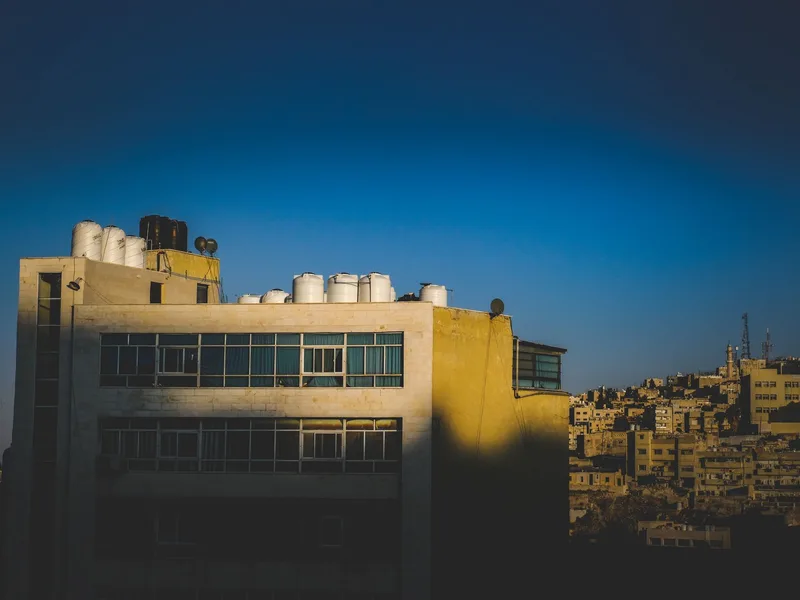
Light and heat
Deep cracks in the tank base and foundations allow groundwater seepage from outside into the interior.
The lining and any cracking
Moisture is very high outside the tank and soil retains permanent dampness because the quarter is trapped between hills.
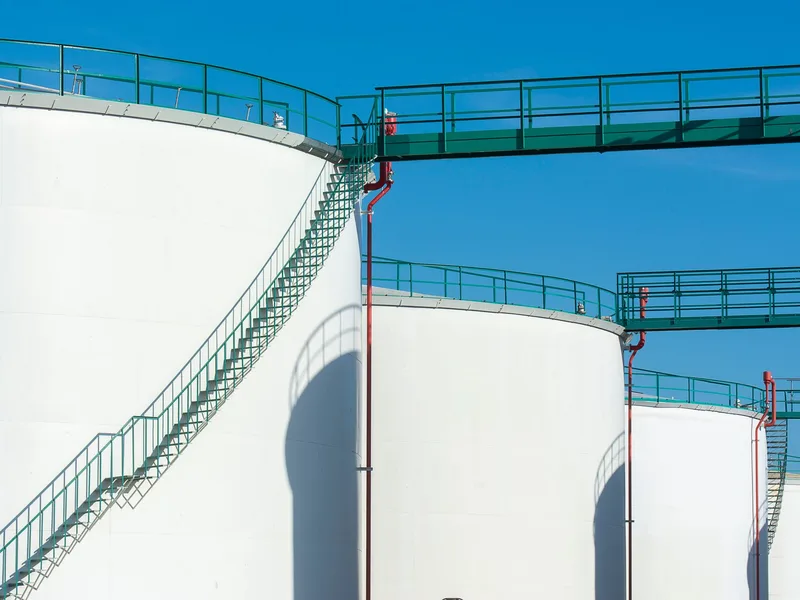
The lid and the openings
Sediment and scale may mix with salt and minerals from outside due to continuous seepage.

What shows up at the tap
Aerobic bacteria grow on the external tank surface and anaerobic organisms grow from inside due to continuous seepage.
How we work
-
1
Inspect and record the condition
We open the hatch and work through what the tank is made of and how big it is, how deep the sediment lies, the state of the lining, whether the lid and the overflow seal, and whether there is a crack that has to be repaired before any sterilizing.
-
2
Drain and lift the sediment out
The water goes out, then the silt and sand are lifted off the floor by suction rather than pushed toward the outlet, because pushing them sends them into the house pipework and the heater.
-
3
High pressure wash
Walls, floor, corners and the area around the outlet, until the slime film is completely gone. This is the step that makes the sterilizing after it mean anything.
-
4
Sterilize, rinse, then return to service
The sterilizing agent goes onto the walls, the floor and the underside of the lid and is left for its contact time, then we rinse, refill and run the furthest tap until the whole line is clear.
What water tank sterilization includes
-

A recorded inspection
Material, capacity, sediment depth, the state of the lining, the lid and the overflow, all before any work begins.
-

Draining and sediment removal
The water out, and the silt and sand lifted off the floor instead of being pushed into the outlet and the house pipework.
-

High pressure washing
Walls, corners and around the outlet, until the biofilm that no disinfectant penetrates has gone.
-
Sterilizing the internal surfaces
A sterilizing agent meant for drinking water tanks, applied to the walls, the floor and the underside of the lid, and left for its contact time.
-

Line flush and aftercare
Rinse, refill and a flush from the furthest tap, when the water is usable again, and what to change in the filter afterwards.
-

The next cycle
We agree the right interval for your tank from how it is filled, how much sun it takes and the condition of the lid.
What is different about Ajyad Sub-Municipality
Ajyad sub municipality takes in the districts that press against the Grand Mosque from the south and west: Ajyad, Al Hajlah, Al Shubaikah, Al Tandabawi and Al Mansour. Hotels and rented apartment blocks for Umrah visitors stack up along Ajyad Street and Ibrahim Al Khalil Street, with kitchens and restaurants running aday and night in season. Behind them, Al Shubaikah and Al Tandabawi keep narrow old lanes on hillside ground where buildings and drains are ageing, and demolition and construction sites are a constant presence around Jabal Omar and the central zone.
Questions about this district
Why are moisture and seepage such problems in Al Hajlah?
The quarter is trapped between two hills and groundwater is very high. Old tanks have cracks and groundwater seeps from outside into the tank interior easily.
Do tanks pressed against soil need special treatment?
Yes heavily, salt and minerals from damp soil seep into the tank's external walls. Sterilization must focus on removing sediment from both inside and outside.
How do we handle seepage from the outer soil?
If seepage comes from outside, we focus on washing the tank's external walls and removing accumulated algae and salt. We may need to inspect the soil around the tank.
Is the tank base pressed directly against groundwater?
It may be, especially in old Al Hajlah tanks where foundations are deep and groundwater is very high.
What is the difference between washing an Al Hajlah tank and a modern-area tank?
Al Hajlah tanks are older and pressed against very damp soil, so washing must focus on removing salt and algae from soil and external walls. Modern tanks are cleaner on the outside.
Can high water pressure cause extra cracking in an old tank?
Yes, old tanks may be brittle and high pressure from upper floors may cause additional cracking or new leaks.
How much does water tank sterilization in Al Hajlah cost?
It is set after the inspection, because the price follows the type of infestation, the size of the space, how far it has spread and the number of visits it needs. Send a photo and a description on WhatsApp and we will give you an estimate before we reach Al Hajlah.
Nearby districts we cover
Other services in Al Hajlah
Other services we provide to residents of Al Hajlah.
-
 Water tanks
Water tank cleaning
-
 Water tanks
Water tank sealing
-
 Water tanks
Tank leak repair
-
 Residential
Cockroach control
Need water tank sterilization in Al Hajlah? Tell us what you saw and we will tell you what it needs
We reach Al Hajlah at a time we agree, and you get the full cost before we start.