
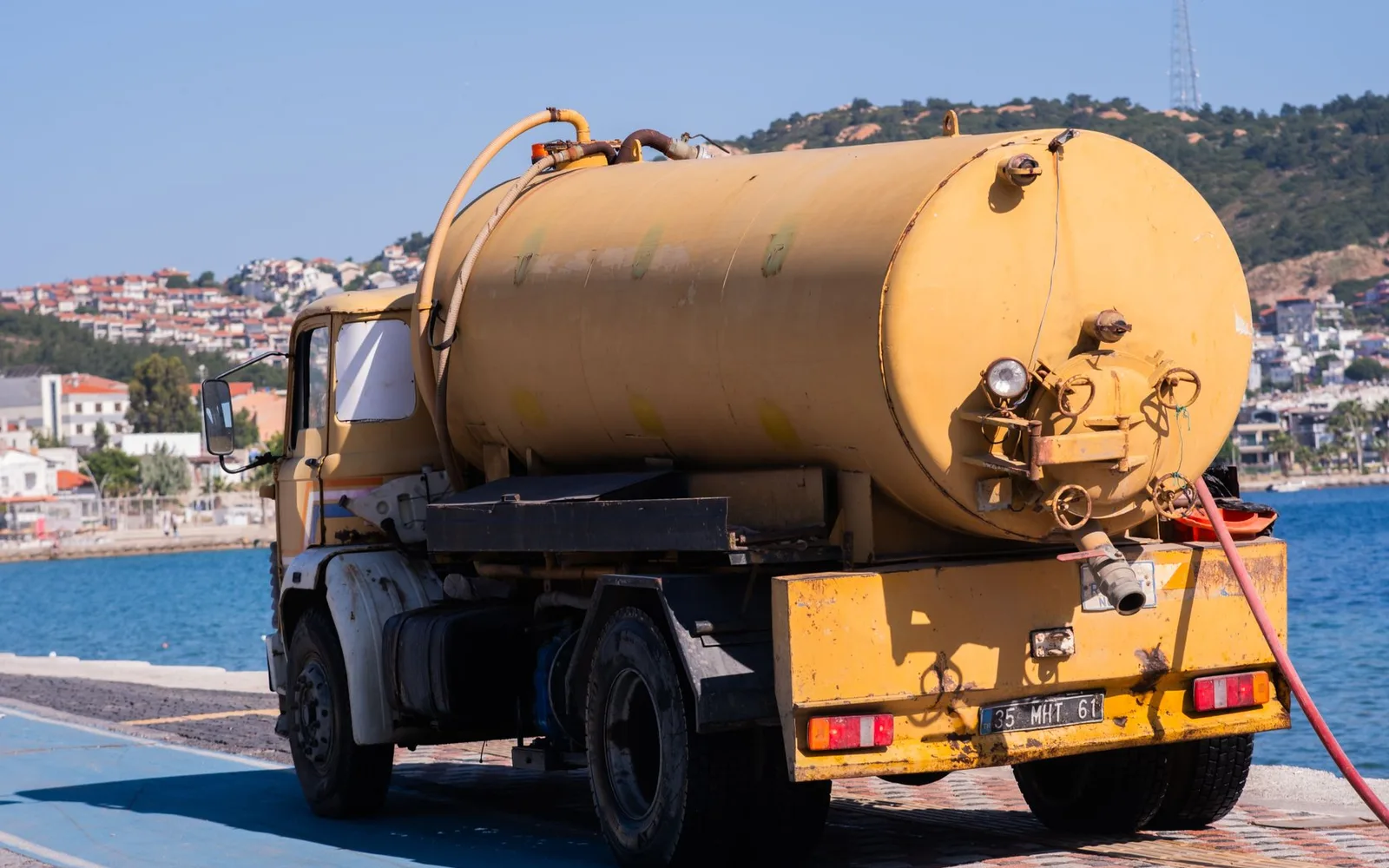
Water tank sealing in Ajyad Makkah
Ajyad is a dense quarter pressed against the Grand Mosque courtyards, crowded with hotel towers, pilgrim lodgings and cramped residential lanes. The Abraj Al Bait clock tower rises above Ajyad Street and the district is known for height and density. Tanks here face extreme demand from hotels and packed housing, and seasonal flash flooding from slopes.
-
Potable-rated materials
Linings and disinfectants cleared for drinking water tanks, not general-purpose products.
-
You get the downtime first
How many hours the tank is out of service, told before we start rather than after we finish.
-
A first-draw flush
We run the first draw off after refilling, and the tank is not handed back until the water runs clear.
-
Ground and roof tanks
Villas, apartment blocks and premises that need a written record of each visit.
Why the job is different in Ajyad
The district balances many hotels with tightly packed housing and year-round residents. Tanks must supply both transient visitors and permanent occupants continuously. The method is set out in full on how we approach Water tank sealing.
Extreme demand from hotels and pilgrims
Hotels supply thousands of guests daily and tanks empty rapidly. Continuous drainage stresses the lining and cracks spread quickly from repeated pressure cycles.
Flash floods and rain from Jabal Khandamah
Jabal Khandamah rises to the south and torrents flow during heavy rain. Acidic rainwater and debris seep into tanks and corrode the lining externally.
Seasonal surge during Hajj and low demand off-season
The district transforms seasonally: during Hajj millions arrive, tanks need large capacity and constant refilling. Off-season, demand falls but tanks remain large and stagnant water causes corrosion.
Ajyad on the map
Ajyad sits about 0.5 km from Al Hajlah and about 1 km from Al Shubaikah.
Open in Google MapsWhat we read before any material is opened
A dense residential and hotel quarter surrounding the mosque courts from the south and south-east, bounded by Ajyad Street and the Grand Mosque on one side and Jabal Khandamah rising to the south-east.
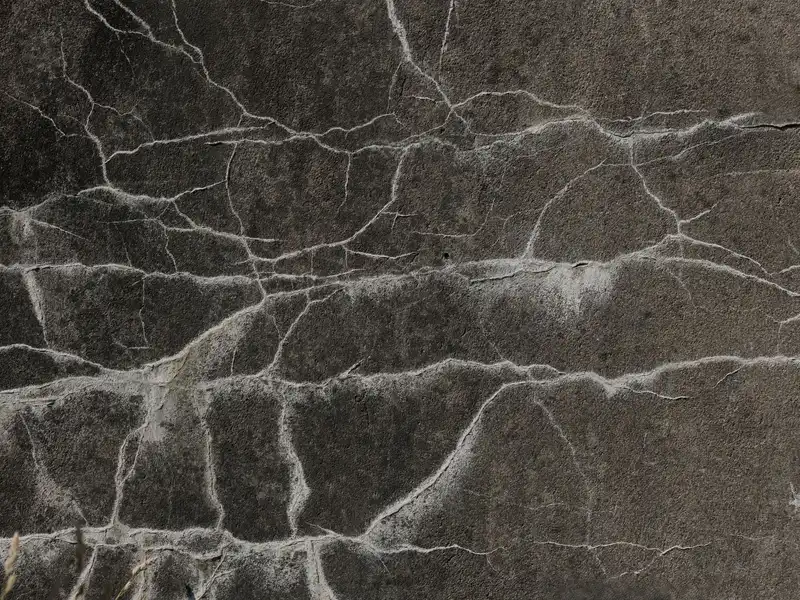
Cracking in the wall
Surface lining inspection reveals salt deposits from stagnant water and sustained high pressure, plus erosion from continuous drainage.
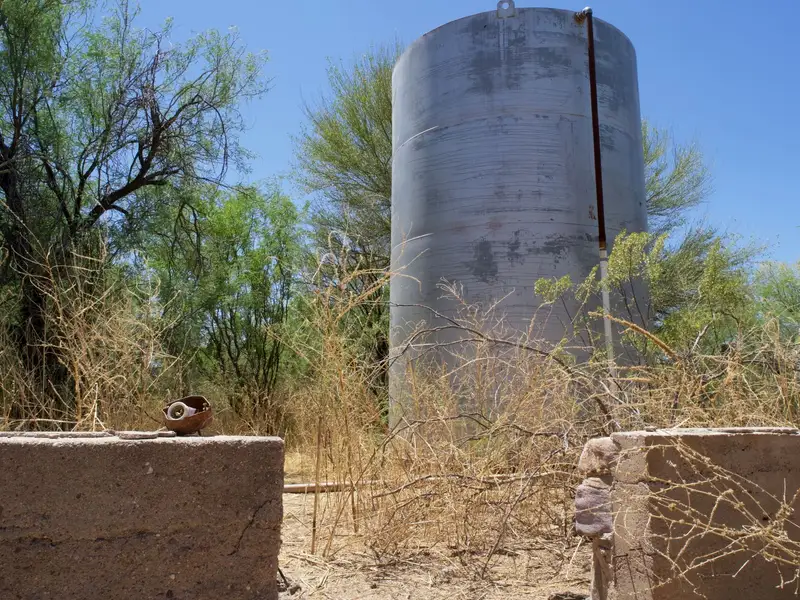
The floor to wall joint
Crack and joint inspection focuses on rainwater and debris entry and leaks from upper openings during heavy rain.
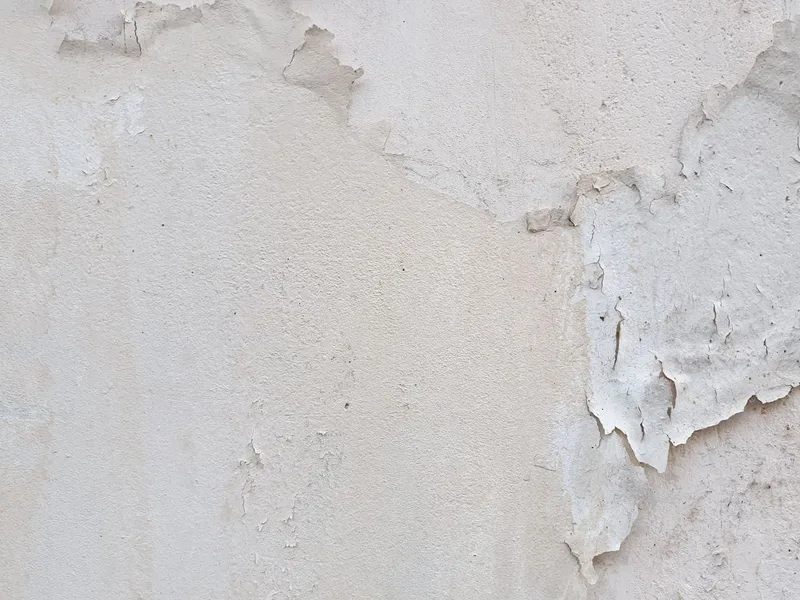
The condition of the old lining
Pipe coupling inspection detects high-pressure stress marks and joint leaks widened by continuous drainage cycles.
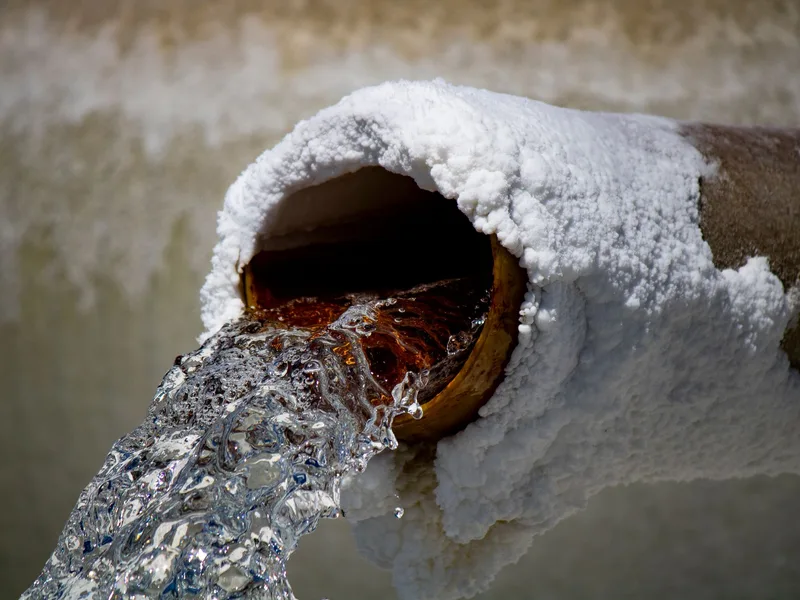
Sediment and scale
Moisture is high from stagnant water and constant throughput. The tank rarely empties completely and interior moisture stays constant.
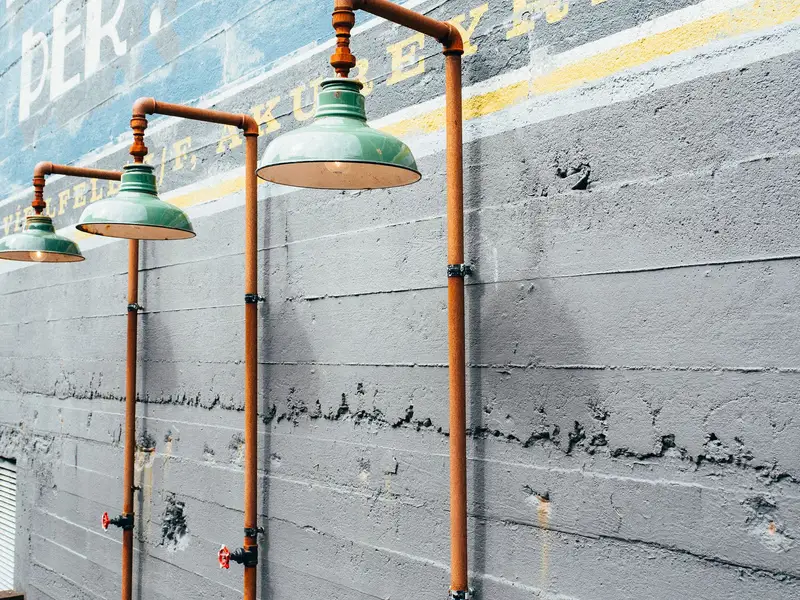
The pipe entries
The base and long walls are under sustained high hydraulic pressure. Small cracks have widened from repeated pressure cycles.
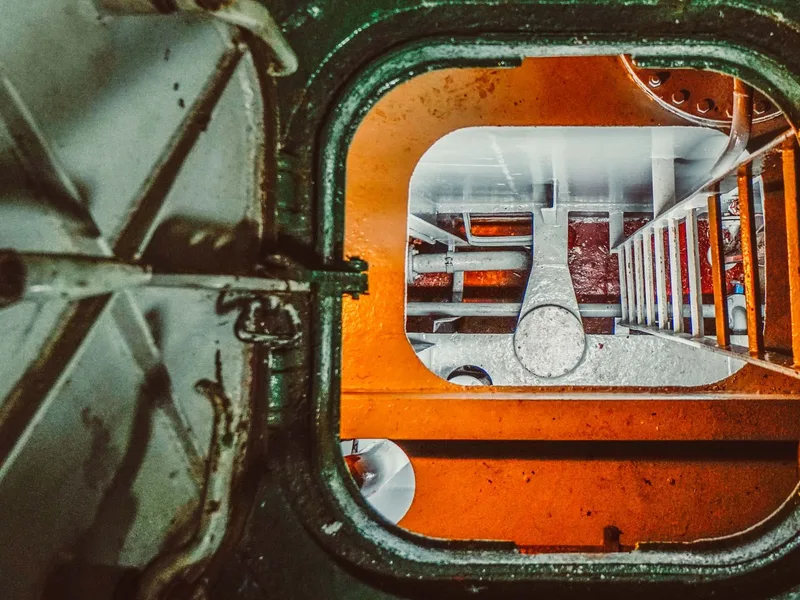
The hatch and the vent
Leaks emerge from base and sides because water pressure finds the weakest point in the lining. Leakage can be continuous and rapid under high pressure.
How we work
-
1
Inspect with the tank empty
We drain it and read the surface dry: whether the water leaves through a crack, a joint or a pipe collar, and what the outer face of the wall and the ceiling below are telling us. A level test with the valves closed separates a leaking tank from leaking pipework.
-
2
Clean and prepare the substrate
Sediment out, a high pressure wash, the loose old lining and the weak surface layer of the concrete taken back, then dried. The material grips sound substrate and nothing else.
-
3
Make the cracks and joints good
Cracks are chased out and filled with a repair mortar, a cove is formed where the floor meets the wall, and every pipe collar is treated on its own.
-
4
Lining, fill test, sterilisation
Successive coats, each run across the one beneath it, on the face the water touches. Then a full cure, a fill with the level watched, and sterilisation with the first fill run to waste before the tank returns to use.
What water tank sealing includes
-

Finding where the water leaves
Carried out drained and dry: cracks, joints, pipe collars and the outer face of the wall.
-

Draining and sediment removal
The last of the water and the settled layer on the floor come out, because a lining does not stick over sediment.
-

Cracks and joints made good
The crack opened and filled, a cove formed at the floor to wall junction, and each pipe entry worked separately.
-

Lining coats on the water face
More than one coat, each crossing the one below, in material made for drinking water tanks rather than roof waterproofing.
-

Curing, fill test and sterilisation
The material is left to cure, the tank is filled and the level watched, then sterilised and the first fill run to waste. How long the cure takes follows the material and the weather, and we tell you before the date so you can plan around the supply.
-

A follow-up level check
We come back once it is in service to read the level and check the outer face, because any remaining loss shows up then rather than on the day of the work.
The character of Ajyad
Apartment district: residential blocks, repeated floors and shared entrances
A district of extreme density, hotels and housing packed around the mosque means tanks face unique pressure demands. High seasonal demand and constant throughput cause rapid decay, and sealing must withstand sustained high hydraulic pressure and systematic drainage.
Questions about this district
Does flash flood water from Jabal Khandamah enter tanks directly?
Yes. During heavy rain, flood water and debris can enter through cracks and openings. Existing fractures provide a pathway.
How do we manage erosion from continuous drainage and pressure?
Repeated pressure widens old cracks. Lining repair must happen before corrosion becomes deep.
Is rainwater harder on lining than tap water?
Rainwater is slightly acidic and the salts it carries corrode lining differently than fresh water.
How often do hotel tanks need inspection?
Hotel tanks need monthly inspection at minimum because demand is high and decay is rapid.
Does seasonal Hajj demand cause additional tank stress?
Yes. High-demand periods cause rapid drainage and stagnant water afterward promotes salt buildup and corrosion.
Can we increase tank capacity or must we rely on repair?
Larger capacity provides convenience but accurate lining repair is more critical. Balancing capacity and maintenance gives best results.
How much does water tank sealing in Ajyad cost?
It is set after the inspection, because the price follows the type of infestation, the size of the space, how far it has spread and the number of visits it needs. Send a photo and a description on WhatsApp and we will give you an estimate before we reach Ajyad.
Nearby districts we cover
Other services in Ajyad
Other services we provide to residents of Ajyad.
-
 Water tanks
Water tank cleaning
-
 Water tanks
Water tank sterilization
-
 Water tanks
Tank leak repair
-
 Residential
Cockroach control
Need water tank sealing in Ajyad? Tell us what you saw and we will tell you what it needs
We reach Ajyad at a time we agree, and you get the full cost before we start.