
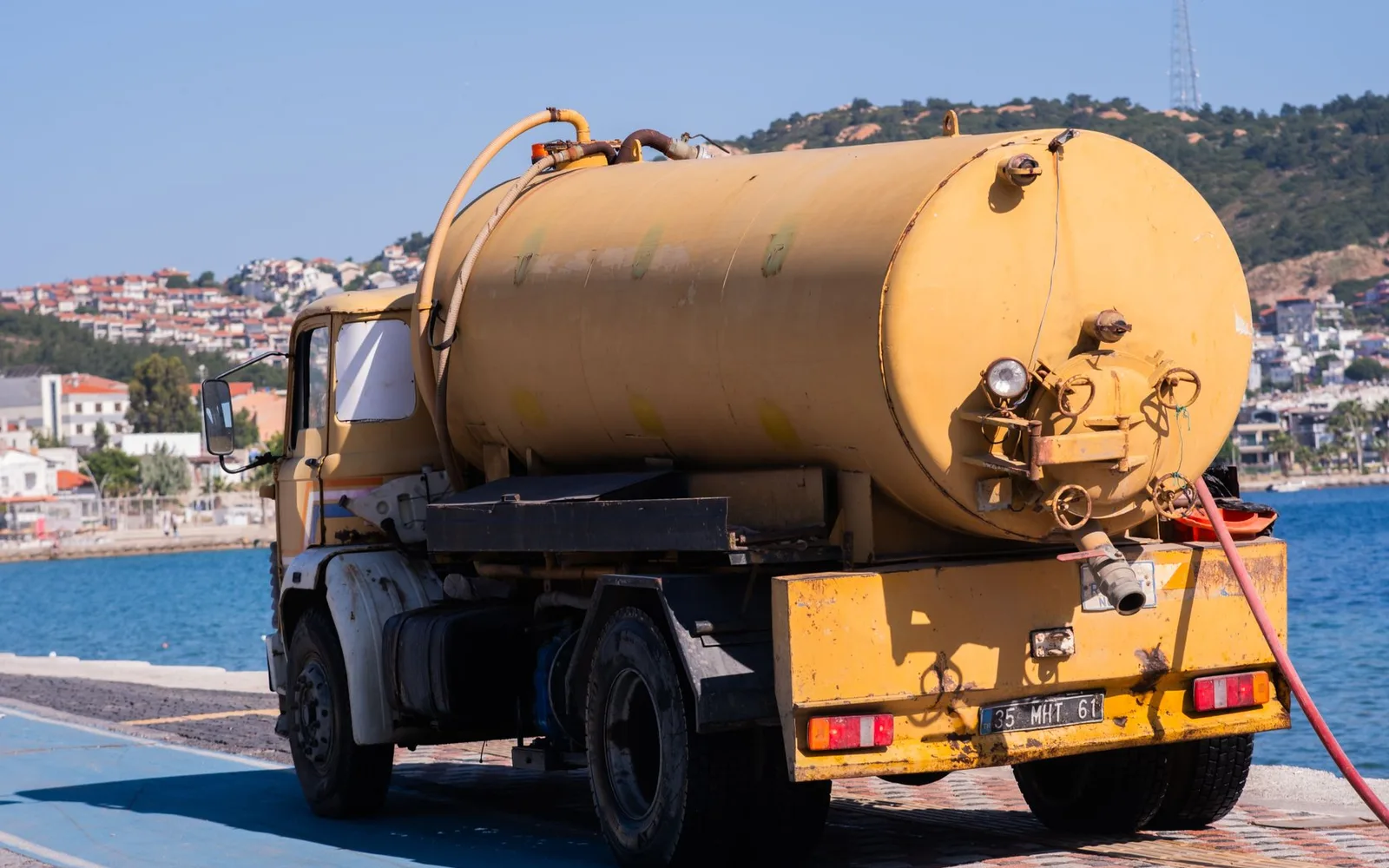
Water tank sealing in Al Qararah Wa Al Naqa Makkah
Al Qararah Wa Al Naqa is an old quarter north east of the Grand Mosque, once known as Qararat Al Madha, now split between historic lanes and rapid new building under the Rua Al Haram project. Tanks here are often new but face high water pressure and seasonal moisture from proximity to the mosque and ongoing construction. Sealing and repair must account for the damp environment and fast-paced building cycle.
-
Potable-rated materials
Linings and disinfectants cleared for drinking water tanks, not general-purpose products.
-
You get the downtime first
How many hours the tank is out of service, told before we start rather than after we finish.
-
A first-draw flush
We run the first draw off after refilling, and the tank is not handed back until the water runs clear.
-
Ground and roof tanks
Villas, apartment blocks and premises that need a written record of each visit.
Why the job is different in Al Qararah Wa Al Naqa
New construction and ongoing expansion mean tanks are usually new but salt air and seasonal moisture from proximity to the mosque cause premature cracking. The method is set out in full on our Water tank sealing service.
New tanks in damp and salt-laden air
The quarter lies very close to the Grand Mosque and seasonal humidity and salt in the air accelerate coating and lining failure. New tanks may show cracks within one or two years of installation.
Rapid building and foundation stress
The Rua Al Haram project means fast construction, deep excavation and changes in ground level. Tanks can shift or crack due to pressure changes on the foundations.
High water pressure from modern building systems
Modern systems pump water at high pressure to reach many floors. This pressure strains the lining and joints, and cracking begins at corners and seams.
Al Qararah Wa Al Naqa on the map
Al Qararah Wa Al Naqa sits about 0.5 km from Shaib Amir Wa Shaib Ali and about 0.5 km from Harat Al Bab Wa Al Shamiyah.
Open in Google MapsWhat we read before any material is opened
A newly developing quarter north east of the Grand Mosque, bordered by Masjid Al Rayah and Masjid Al Jinn where Al Masjid Al Haram Road climbs towards Al Mualla, with part now falling within the Rua Al Haram redevelopment zone.
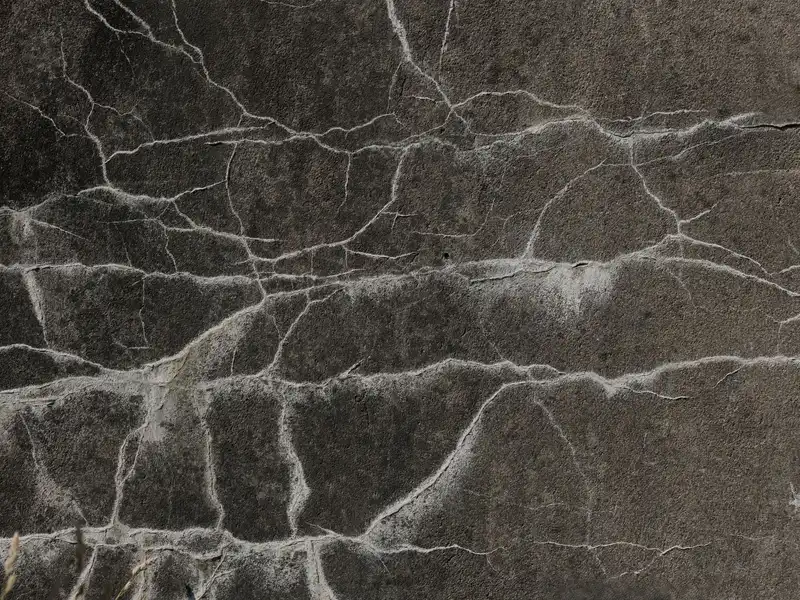
Cracking in the wall
Pipe entry and exit inspection focuses on feed and outlet joints in the new walls, where water pressure concentrates and leaks begin.
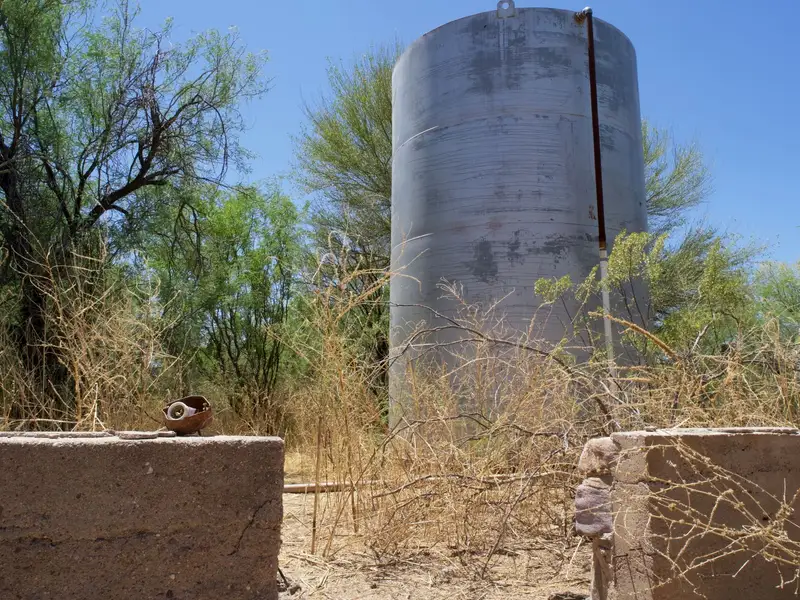
The floor to wall joint
Vertical cracks start at corners due to high water pressure and minor foundation movement from ongoing construction.
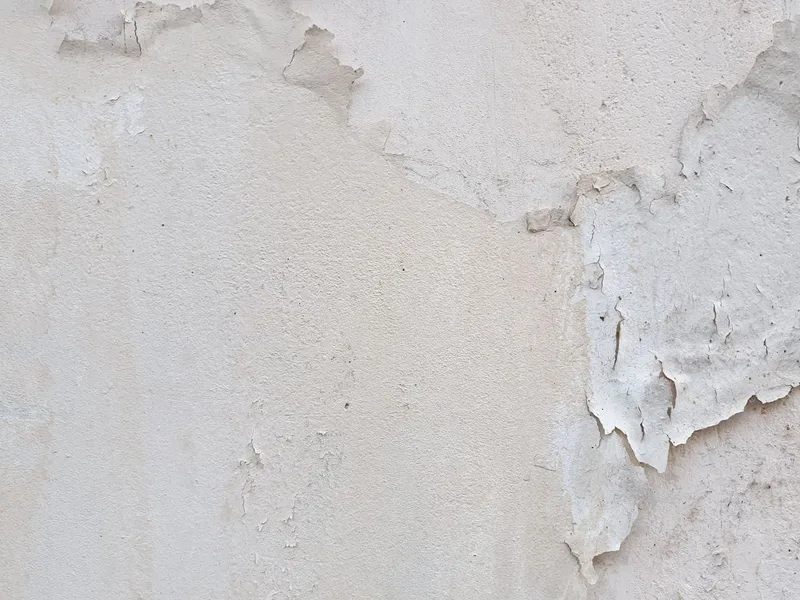
The condition of the old lining
Inspection of floor-to-wall seams reveals early leaks, especially at corners where pressure concentrates.
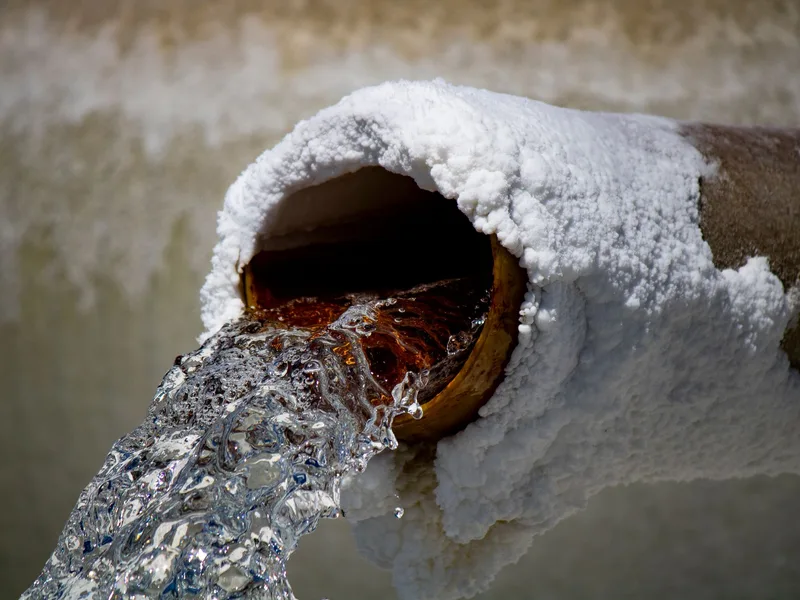
Sediment and scale
High seasonal moisture near the mosque causes lining shrinkage and loss of adhesion to the inner surface.
The pipe entries
Salts from damp air and salt spray accumulate and penetrate the lining, especially at joints and fine cracks.
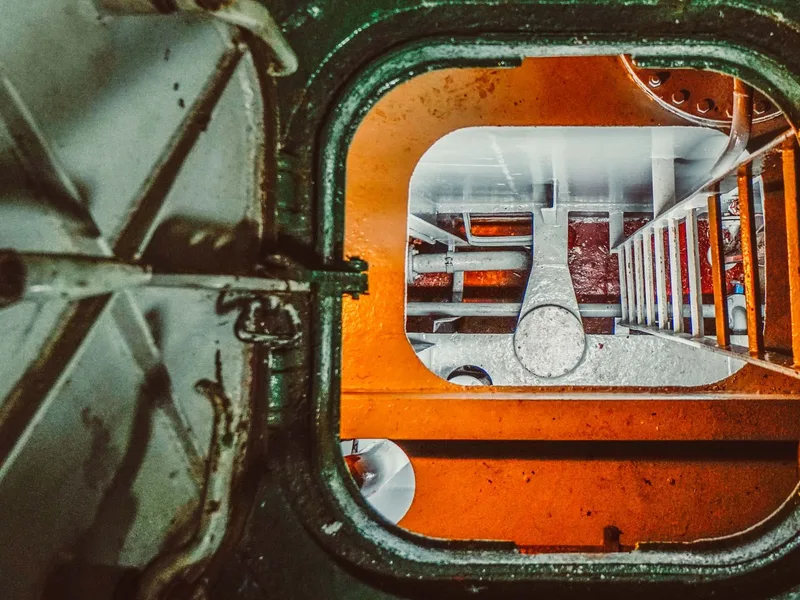
The hatch and the vent
Floor inspection reveals sediment and early corrosion from water quality and suspended salts.
How we work
-
1
Inspect with the tank empty
We drain it and read the surface dry: whether the water leaves through a crack, a joint or a pipe collar, and what the outer face of the wall and the ceiling below are telling us. A level test with the valves closed separates a leaking tank from leaking pipework.
-
2
Clean and prepare the substrate
Sediment out, a high pressure wash, the loose old lining and the weak surface layer of the concrete taken back, then dried. The material grips sound substrate and nothing else.
-
3
Make the cracks and joints good
Cracks are chased out and filled with a repair mortar, a cove is formed where the floor meets the wall, and every pipe collar is treated on its own.
-
4
Lining, fill test, sterilisation
Successive coats, each run across the one beneath it, on the face the water touches. Then a full cure, a fill with the level watched, and sterilisation with the first fill run to waste before the tank returns to use.
What water tank sealing includes
-

Finding where the water leaves
Carried out drained and dry: cracks, joints, pipe collars and the outer face of the wall.
-

Draining and sediment removal
The last of the water and the settled layer on the floor come out, because a lining does not stick over sediment.
-
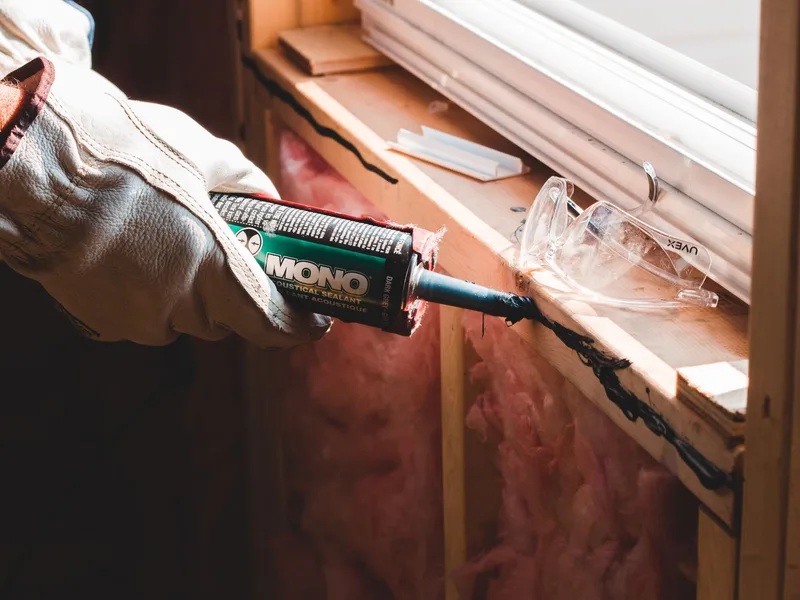
Cracks and joints made good
The crack opened and filled, a cove formed at the floor to wall junction, and each pipe entry worked separately.
-

Lining coats on the water face
More than one coat, each crossing the one below, in material made for drinking water tanks rather than roof waterproofing.
-

Curing, fill test and sterilisation
The material is left to cure, the tank is filled and the level watched, then sterilised and the first fill run to waste. How long the cure takes follows the material and the weather, and we tell you before the date so you can plan around the supply.
-

A follow-up level check
We come back once it is in service to read the level and check the outer face, because any remaining loss shows up then rather than on the day of the work.
The character of Al Qararah Wa Al Naqa
New development: ongoing construction and vacant plots between the homes
A newly developing quarter means rapid construction and foundations that may not yet be stable. Modern tanks may need reinforced sealing because pressure and foundation movement impose greater stress on new linings than on older tanks.
Questions about this district
Why does my tank crack even though it is new and the quarter is newly built?
The damp and salt-laden air near the mosque accelerates deterioration. High water pressure and rapid construction may have weakened the original lining.
Does sealing a new tank differ from an old one?
Yes. New tanks have smooth concrete bases but high pressure and moisture demand stronger sealing and tight joints.
How deep are the cracks that might appear in this quarter?
Cracks may be surface-level in the lining or deep in the walls themselves depending on build quality and water pressure.
Does moisture from the mosque cause the cracking?
Moisture accelerates deterioration but is not the sole cause. Water pressure and foundation stress are the main drivers.
What if the tank is near a well or excavation zone?
Proximity to dig sites means ground movement, and the tank can crack from the side. Full sealing must account for movement below ground.
Is one sealing enough or do I need to reseal every year?
Good sealing lasts years but annual inspection is essential. Salt and moisture may accelerate failure if the lining is weak.
How much does water tank sealing in Al Qararah Wa Al Naqa cost?
It is set after the inspection, because the price follows the type of infestation, the size of the space, how far it has spread and the number of visits it needs. Send a photo and a description on WhatsApp and we will give you an estimate before we reach Al Qararah Wa Al Naqa.
Nearby districts we cover
Other services in Al Qararah Wa Al Naqa
Other services we provide to residents of Al Qararah Wa Al Naqa.
-
 Water tanks
Water tank cleaning
-
 Water tanks
Water tank sterilization
-
 Water tanks
Tank leak repair
-
 Residential
Cockroach control
Need water tank sealing in Al Qararah Wa Al Naqa? Tell us what you saw and we will tell you what it needs
We reach Al Qararah Wa Al Naqa at a time we agree, and you get the full cost before we start.