
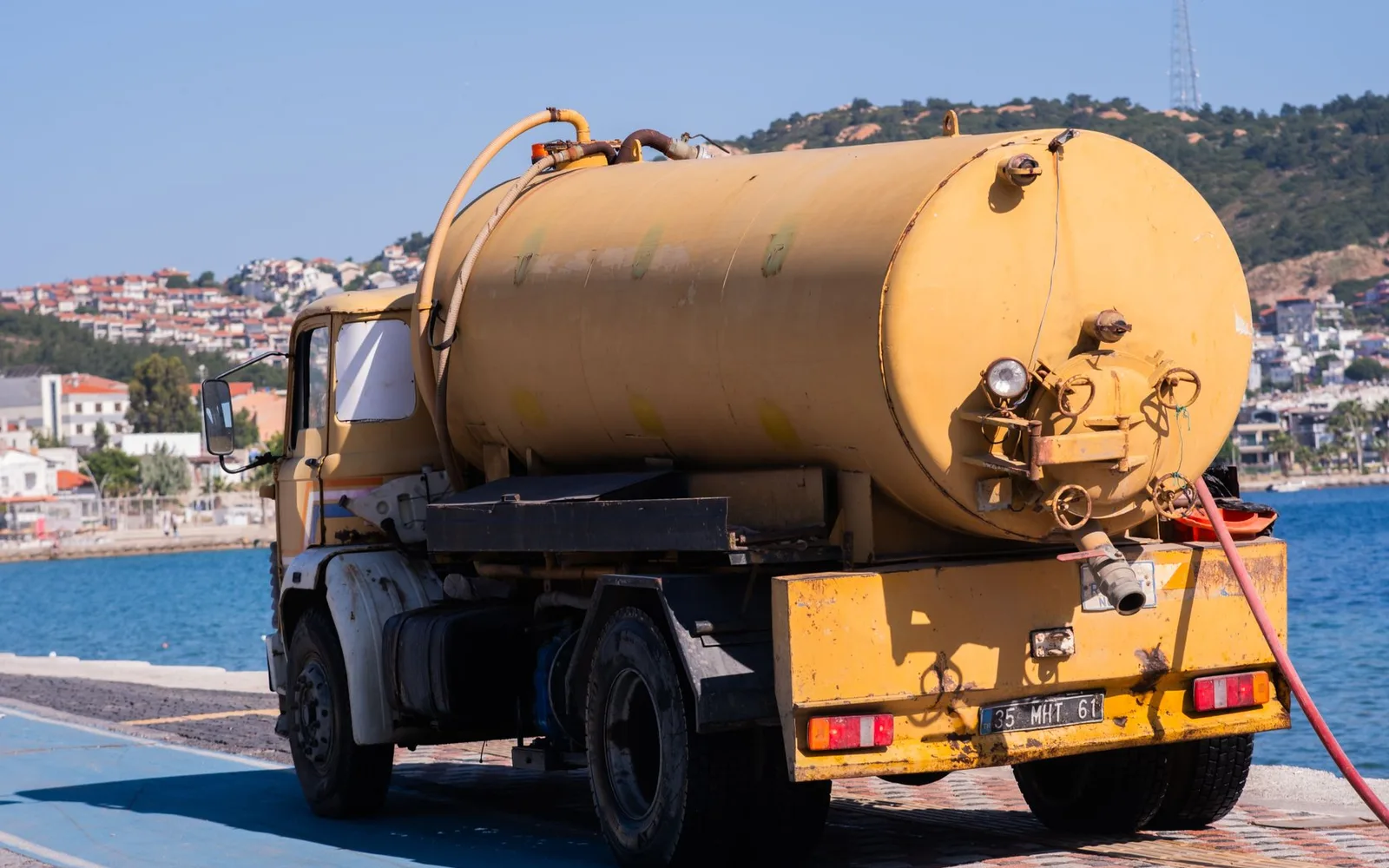
Water tank sealing in Al Haram Makkah
The Al Haram zone surrounds the Grand Mosque directly and holds massive hotel towers and plazas serving millions of pilgrims and Umrah visitors year-round. The giant tanks in these towers operate under very high water pressure from staggering daily consumption. Cracks and leaks appear faster here because pressure, heat and intense use never stop.
-
Potable-rated materials
Linings and disinfectants cleared for drinking water tanks, not general-purpose products.
-
You get the downtime first
How many hours the tank is out of service, told before we start rather than after we finish.
-
A first-draw flush
We run the first draw off after refilling, and the tank is not handed back until the water runs clear.
-
Ground and roof tanks
Villas, apartment blocks and premises that need a written record of each visit.
Why the job is different in Al Haram
Tanks here operate under doubled hydrostatic pressure because the towers are very tall and daily consumption exceeds ten thousand units per day. The method is set out in full on the full Water tank sealing page.
Towering buildings with massive rooftop tanks
Hotel and Umrah towers rise over forty storeys high and need giant tanks on the roofs. Water pressure must reach the tops of the towers and drain back down, so the tank carries enormous hydrostatic load.
Relentless water consumption around the clock
Pilgrims, Umrah performers and tourists use water without pause in bathrooms, restaurants and facilities. The tank fills and empties several times daily and variable pressure causes rapid cracking.
Extreme heat on exposed rooftops
Rooftops in Al Haram are fully exposed to sun and heat reaches over fifty degrees Celsius in summer. Severe expansion and contraction cycles speed concrete and sealant fatigue.
Al Haram on the map
Al Haram sits about 0.5 km from Harat Al Bab Wa Al Shamiyah and about 1 km from Al Qararah Wa Al Naqa.
Open in Google MapsWhat we read before any material is opened
A central religious and commercial zone around the Grand Mosque, framed by Jabal Abu Qubais and Jabal Qaiqaan to the south and west, with hotel towers rising towards Jabal Omar. Water demand is unceasing because of the flow of pilgrims, Umrah performers and tourists.
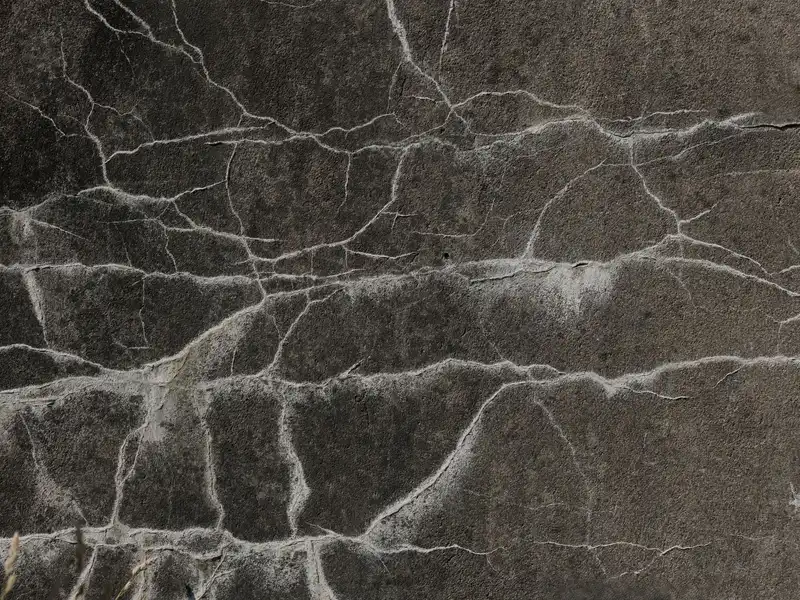
Cracking in the wall
Mineral and calcium deposits accumulate rapidly here because hard water flows at high pressure and speed through pipework.
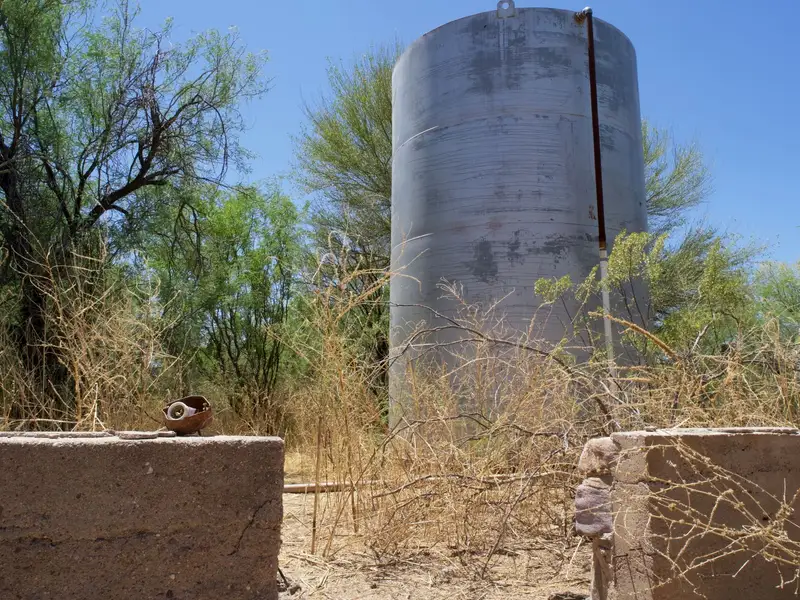
The floor to wall joint
Cracks appear first at tank floor level where water pools and pressure is highest and concrete is weakest.
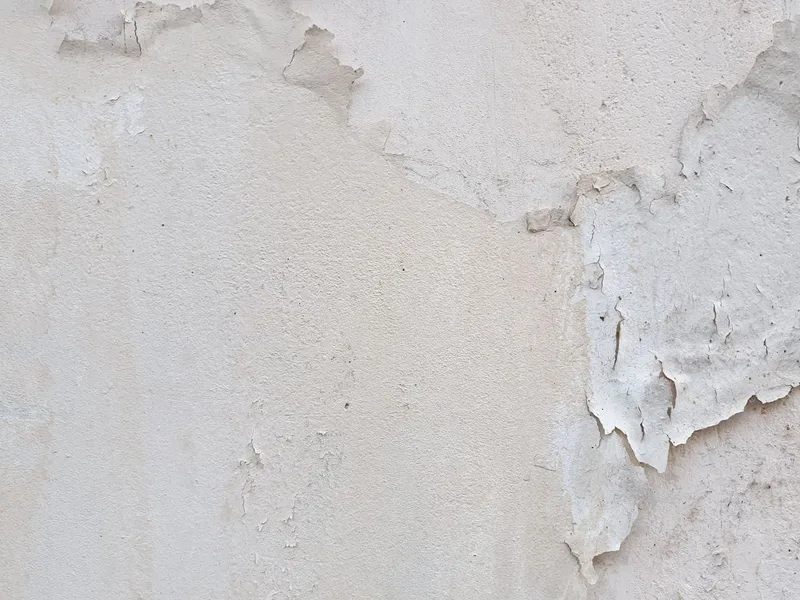
The condition of the old lining
Pipe joints and pump connections sit under constant very high pressure, causing leaks from joints before wall cracking.
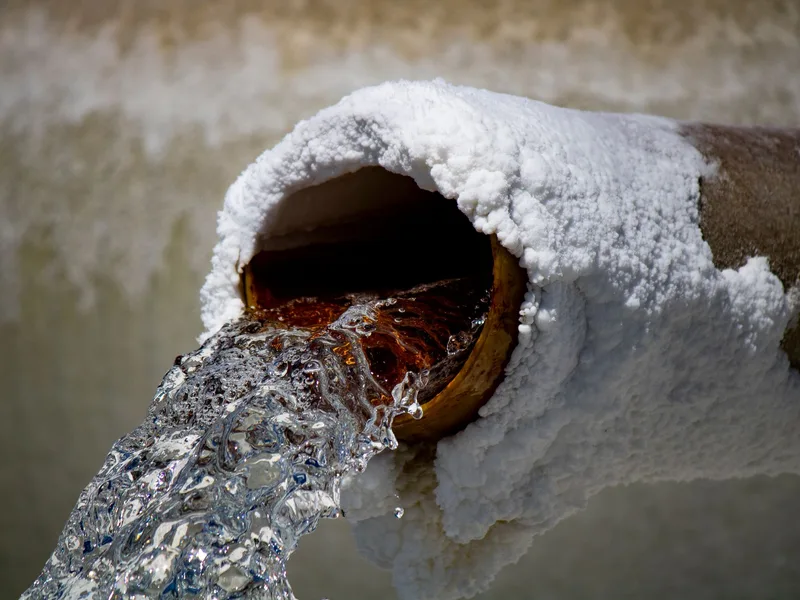
Sediment and scale
Moisture is high because of intense use, continuous bathing and running water around the clock on every floor.
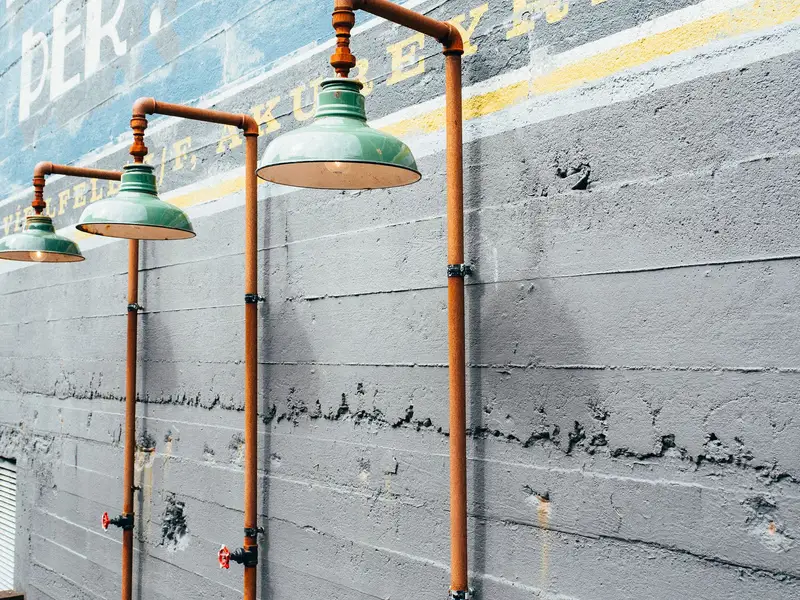
The pipe entries
The weak point or nest of failure lies at the floor and corners where water pools under highest pressure.
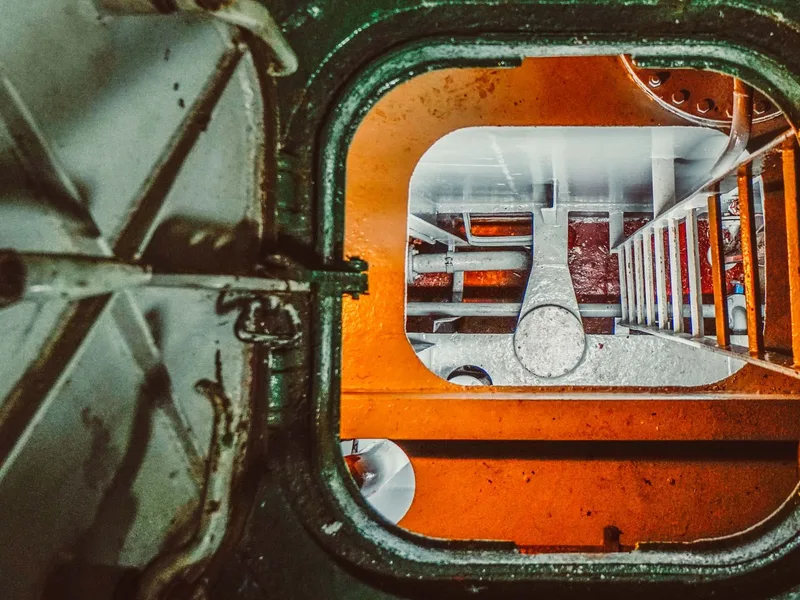
The hatch and the vent
Variable and constant hydrostatic pressure causes concrete fatigue and sealant does not last long without regular inspection.
How we work
-
1
Inspect with the tank empty
We drain it and read the surface dry: whether the water leaves through a crack, a joint or a pipe collar, and what the outer face of the wall and the ceiling below are telling us. A level test with the valves closed separates a leaking tank from leaking pipework.
-
2
Clean and prepare the substrate
Sediment out, a high pressure wash, the loose old lining and the weak surface layer of the concrete taken back, then dried. The material grips sound substrate and nothing else.
-
3
Make the cracks and joints good
Cracks are chased out and filled with a repair mortar, a cove is formed where the floor meets the wall, and every pipe collar is treated on its own.
-
4
Lining, fill test, sterilisation
Successive coats, each run across the one beneath it, on the face the water touches. Then a full cure, a fill with the level watched, and sterilisation with the first fill run to waste before the tank returns to use.
What water tank sealing includes
-

Finding where the water leaves
Carried out drained and dry: cracks, joints, pipe collars and the outer face of the wall.
-

Draining and sediment removal
The last of the water and the settled layer on the floor come out, because a lining does not stick over sediment.
-
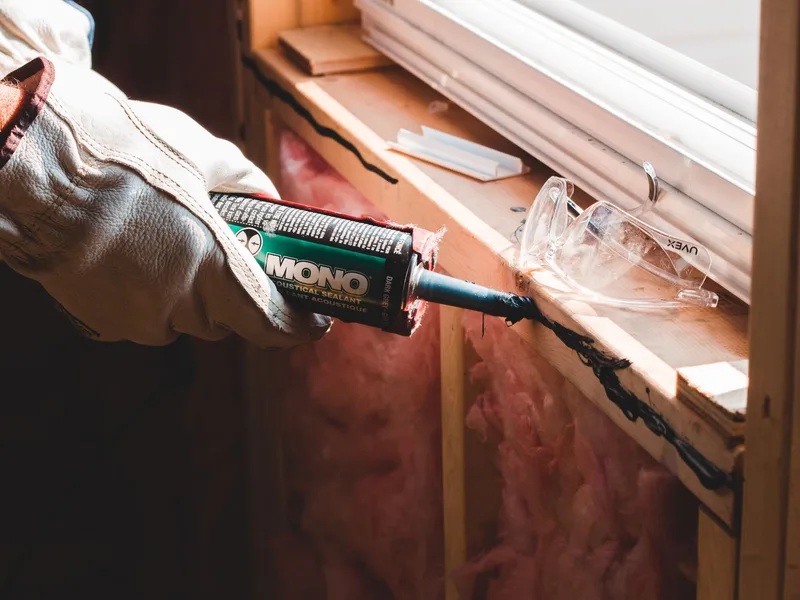
Cracks and joints made good
The crack opened and filled, a cove formed at the floor to wall junction, and each pipe entry worked separately.
-

Lining coats on the water face
More than one coat, each crossing the one below, in material made for drinking water tanks rather than roof waterproofing.
-

Curing, fill test and sterilisation
The material is left to cure, the tank is filled and the level watched, then sterilised and the first fill run to waste. How long the cure takes follows the material and the weather, and we tell you before the date so you can plan around the supply.
-

A follow-up level check
We come back once it is in service to read the level and check the outer face, because any remaining loss shows up then rather than on the day of the work.
The character of Al Haram
Commercial area: offices, showrooms and small stores
A central religious and commercial zone means tanks serve towering hotels and millions of pilgrims. Tanks here operate under enormous hydrostatic load and very high heat, and treatment needs advanced materials and frequent inspection because tank failure impacts service to thousands daily.
Questions about this district
Why do tanks in Al Haram leak more than ordinary hotels?
Hydrostatic pressure is doubled here because towers are tall and consumption is extremely high. The tank sits under constant pressure and high temperatures accelerate cracking.
Is sealing enough for towering buildings or do we need structural reinforcement?
Sealing protects against leaks but tall towers may need stronger hydrostatic support systems and balanced pump pressure.
How often do Al Haram tanks need inspection per year?
Because of intense use and high pressure, we recommend inspection every three months and preventive sealing every two years.
Is the water safe for pilgrims and Umrah visitors after sealing?
Yes, we sterilise the tank completely before the first refill to ensure no bacteria or contaminants remain.
Do tall towers need multiple tanks or is one large tank sufficient?
Tall towers usually need multiple tanks distributed across lower and upper levels to balance pressure.
Does the sealant withstand fifty-degree heat in summer?
We use advanced sealant materials rated for over sixty degrees Celsius and keep their flexibility without cracking.
How much does water tank sealing in Al Haram cost?
It is set after the inspection, because the price follows the type of infestation, the size of the space, how far it has spread and the number of visits it needs. Send a photo and a description on WhatsApp and we will give you an estimate before we reach Al Haram.
Nearby districts we cover
Other services in Al Haram
Other services we provide to residents of Al Haram.
-
 Water tanks
Water tank cleaning
-
 Water tanks
Water tank sterilization
-
 Water tanks
Tank leak repair
-
 Residential
Cockroach control
Need water tank sealing in Al Haram? Tell us what you saw and we will tell you what it needs
We reach Al Haram at a time we agree, and you get the full cost before we start.