
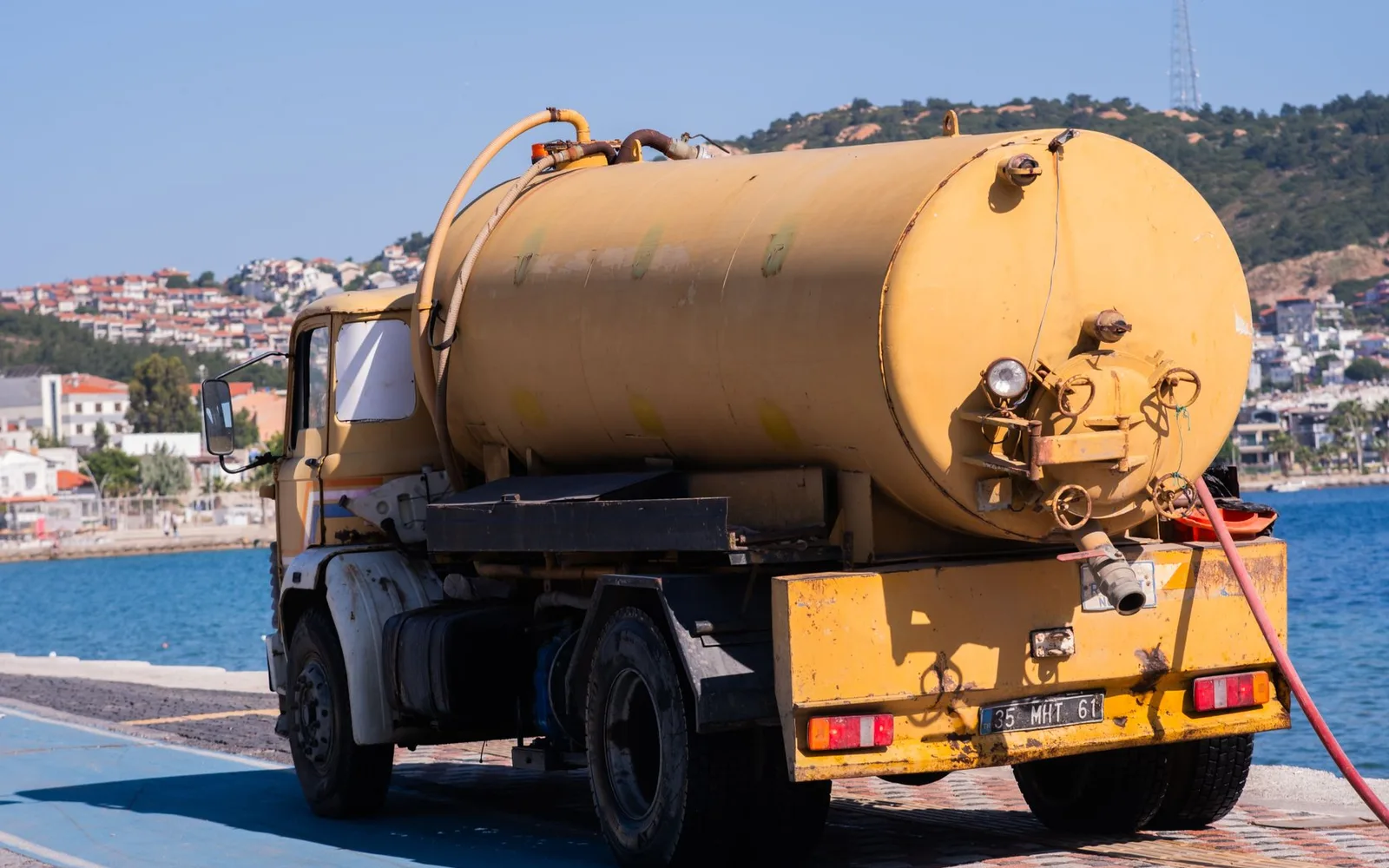
Water tank sealing in Al Sabil Jeddah
Al Sabil is an old densely packed quarter between King Fahd Road and Old Makkah Road, with buildings ranging from ancient houses to modern apartment towers. Tanks here endure constant pressure from salt water and seasonal swings, and old foundations beneath the district cause persistent dampness affecting tank bottoms. Treatment must account for the mixed building ages and handle each tank according to its structure.
-
Potable-rated materials
Linings and disinfectants cleared for drinking water tanks, not general-purpose products.
-
You get the downtime first
How many hours the tank is out of service, told before we start rather than after we finish.
-
A first-draw flush
We run the first draw off after refilling, and the tank is not handed back until the water runs clear.
-
Ground and roof tanks
Villas, apartment blocks and premises that need a written record of each visit.
Why the job is different in Al Sabil
Old apartment buildings and houses suffer from water seepage and high humidity, and rooftop tanks experience rapid deterioration from bearing loads beyond original design capacity. The method is set out in full on Water tank sealing in detail.
Tanks on closely spaced apartment roofs
Buildings in Al Sabil stand very close together, and rooftop tanks face intense sun heat and rapid night cooling. Gaps between concrete sections expand and contract continuously, opening cracks.
Old foundations leak moisture from below
Ancient houses and early apartment blocks rest on weak foundations, and ground moisture rises through the roof walls. The tank sits on damp substrate, accelerating corrosion both inside and out.
High water pressure from the old district grid
The old district has weak points in the municipal water network, causing pressure to swing between very high and very low. Small rooftop tanks bear high water pressure, causing leaks at joints and cracks.
Landmarks of Al Sabil
Access to tanks in Al Sabil runs via King Khalid Street and Old Makkah Road, with the old Sabil market as the central landmark. The quarter is bounded by Al Makhzoumi Street to the west and Khuzam Palace to the east.
- Old Makkah Road
- King Khalid Street
- Al Makhzoumi Street
- Bashar ibn Burd Street
- Bahlas Mosque
What we read before any material is opened
A central old quarter along Old Makkah Road with tightly clustered apartment blocks, ancient houses and small shops. It is bounded by King Khalid Street on its south and east sides and Al Makhzoumi Street to the west.
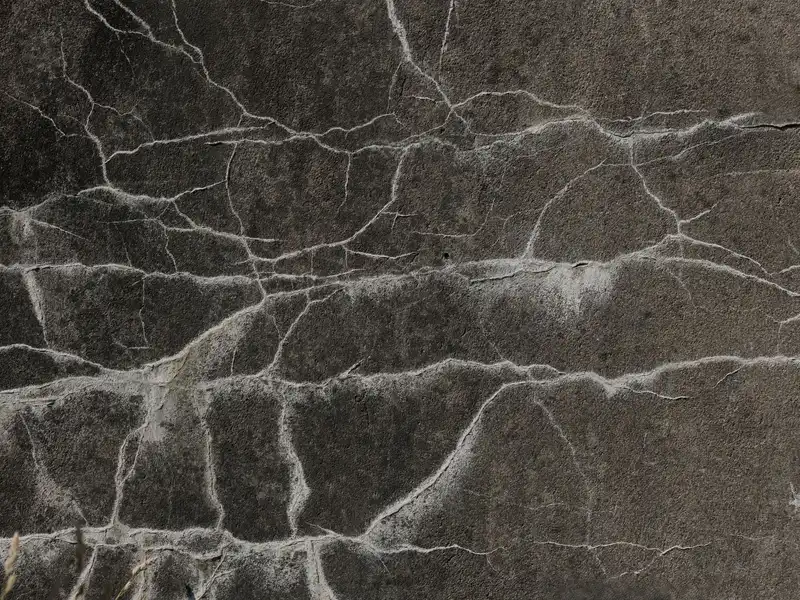
Cracking in the wall
Cracks at concrete joint gaps widen due to rapid temperature swings on roofs of tightly packed apartment buildings.
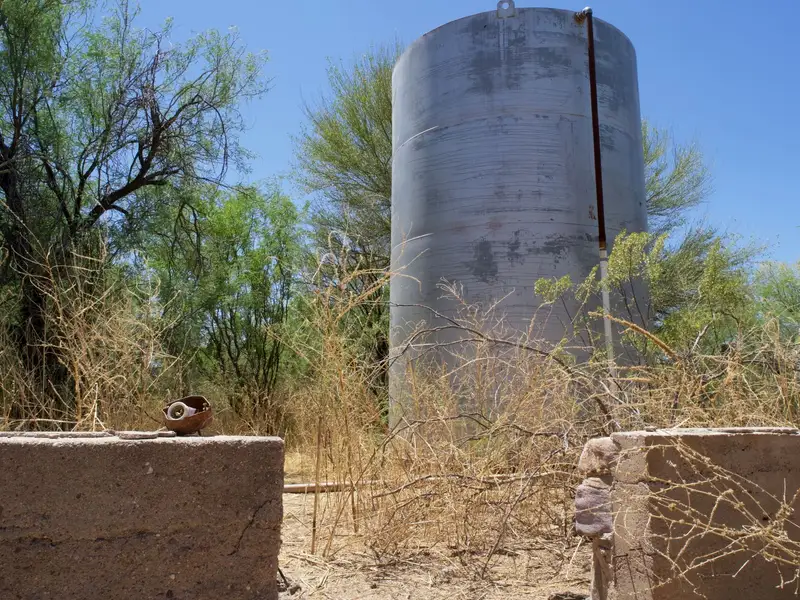
The floor to wall joint
Pipe entry joints bear high water pressure from the old district network, causing leaks.
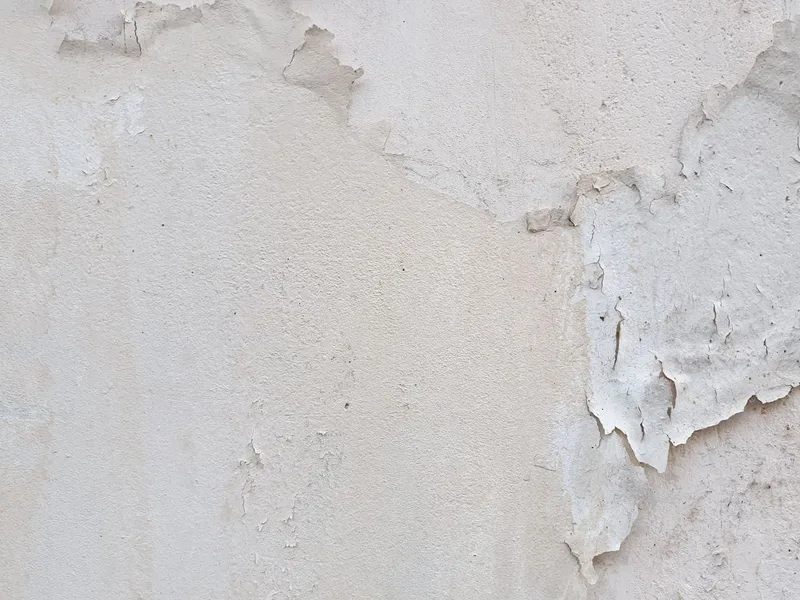
The condition of the old lining
Weak foundations beneath the tank supply continuous ground moisture penetrating the outer and bottom walls.
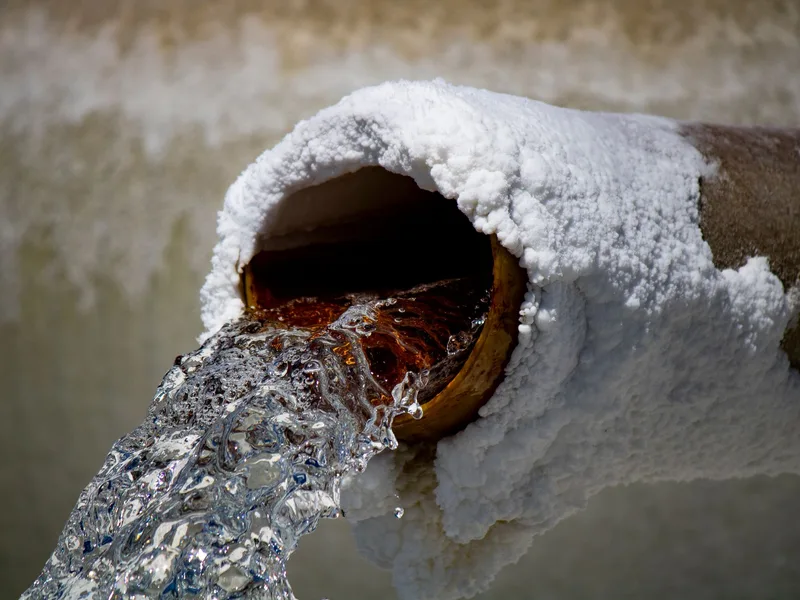
Sediment and scale
High ground humidity and saline soil accelerate rust formation on both outer and inner surfaces.
The pipe entries
Tank bottom and corners accumulate salt deposits and sediment from saline water and high pressure in the old district.
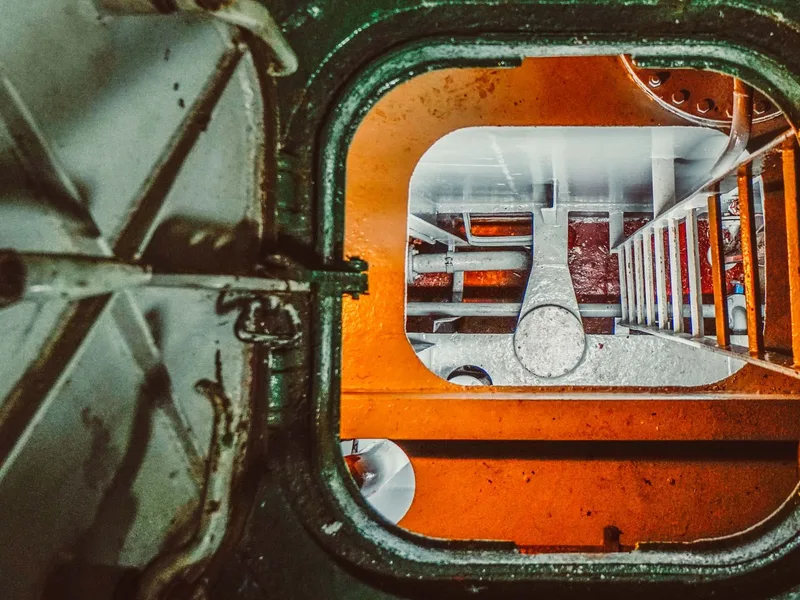
The hatch and the vent
Sterilisation is essential because old tanks harbour bacteria and algae, and persistent high humidity promotes contamination.
How we work
-
1
Inspect with the tank empty
We drain it and read the surface dry: whether the water leaves through a crack, a joint or a pipe collar, and what the outer face of the wall and the ceiling below are telling us. A level test with the valves closed separates a leaking tank from leaking pipework.
-
2
Clean and prepare the substrate
Sediment out, a high pressure wash, the loose old lining and the weak surface layer of the concrete taken back, then dried. The material grips sound substrate and nothing else.
-
3
Make the cracks and joints good
Cracks are chased out and filled with a repair mortar, a cove is formed where the floor meets the wall, and every pipe collar is treated on its own.
-
4
Lining, fill test, sterilisation
Successive coats, each run across the one beneath it, on the face the water touches. Then a full cure, a fill with the level watched, and sterilisation with the first fill run to waste before the tank returns to use.
What water tank sealing includes
-

Finding where the water leaves
Carried out drained and dry: cracks, joints, pipe collars and the outer face of the wall.
-

Draining and sediment removal
The last of the water and the settled layer on the floor come out, because a lining does not stick over sediment.
-

Cracks and joints made good
The crack opened and filled, a cove formed at the floor to wall junction, and each pipe entry worked separately.
-

Lining coats on the water face
More than one coat, each crossing the one below, in material made for drinking water tanks rather than roof waterproofing.
-

Curing, fill test and sterilisation
The material is left to cure, the tank is filled and the level watched, then sterilised and the first fill run to waste. How long the cure takes follows the material and the weather, and we tell you before the date so you can plan around the supply.
-

A follow-up level check
We come back once it is in service to read the level and check the outer face, because any remaining loss shows up then rather than on the day of the work.
What is different about Al Balad Sub-Municipality
Al Balad sub municipality covers the historic core of Jeddah and the districts that first grew outside its wall. Its building stock is the oldest in the city: heritage stone houses and apartment blocks from past decades, threaded with hotels, shops and crowded popular markets around Bab Makkah, Bab Sharif and the Kandarah Souq. Nearness to the sea, the Islamic Port and the Arbaeen lagoon keeps humidity high all year, water and drainage networks are old, and narrow lanes, dense eateries and commercial storerooms put food and shelter within reach at every corner.
Questions about this district
Does ground moisture affect the tank's outer seal?
Yes. Moisture penetrates the tank's outer layers. Before sealing, we ensure the outer surface is fully dry and address moisture sources in the foundation.
Must we strip all old paint and coating before lining?
Yes. We remove all old, cracked paint and surface rust. The substrate must be sound before new lining begins.
Why do tanks in Al Sabil crack faster than in newer areas?
Close building spacing means rooftop temperature is very high, and the rapid temperature swing between night and day causes faster cracking.
Is crack repair alone enough or must we line the entire tank?
Cracks return if the whole surface is not lined. Full lining protects the concrete from ongoing corrosion and prevents new cracks.
How long must we empty and drain the tank before work starts?
We need complete emptying and full internal drying, which may take several hours depending on tank size and internal moisture.
Is sterilisation after lining necessary in an old quarter?
Yes. Old districts hold high concentrations of salt, moisture and bacteria. Sterilisation ensures fresh water is clean and contaminant-free.
How much does water tank sealing in Al Sabil cost?
It is set after the inspection, because the price follows the type of infestation, the size of the space, how far it has spread and the number of visits it needs. Send a photo and a description on WhatsApp and we will give you an estimate before we reach Al Sabil.
Nearby districts we cover
Other services in Al Sabil
Other services we provide to residents of Al Sabil.
-
 Water tanks
Water tank cleaning
-
 Water tanks
Water tank sterilization
-
 Water tanks
Tank leak repair
-
 Residential
Cockroach control
Need water tank sealing in Al Sabil? Tell us what you saw and we will tell you what it needs
We reach Al Sabil at a time we agree, and you get the full cost before we start.