
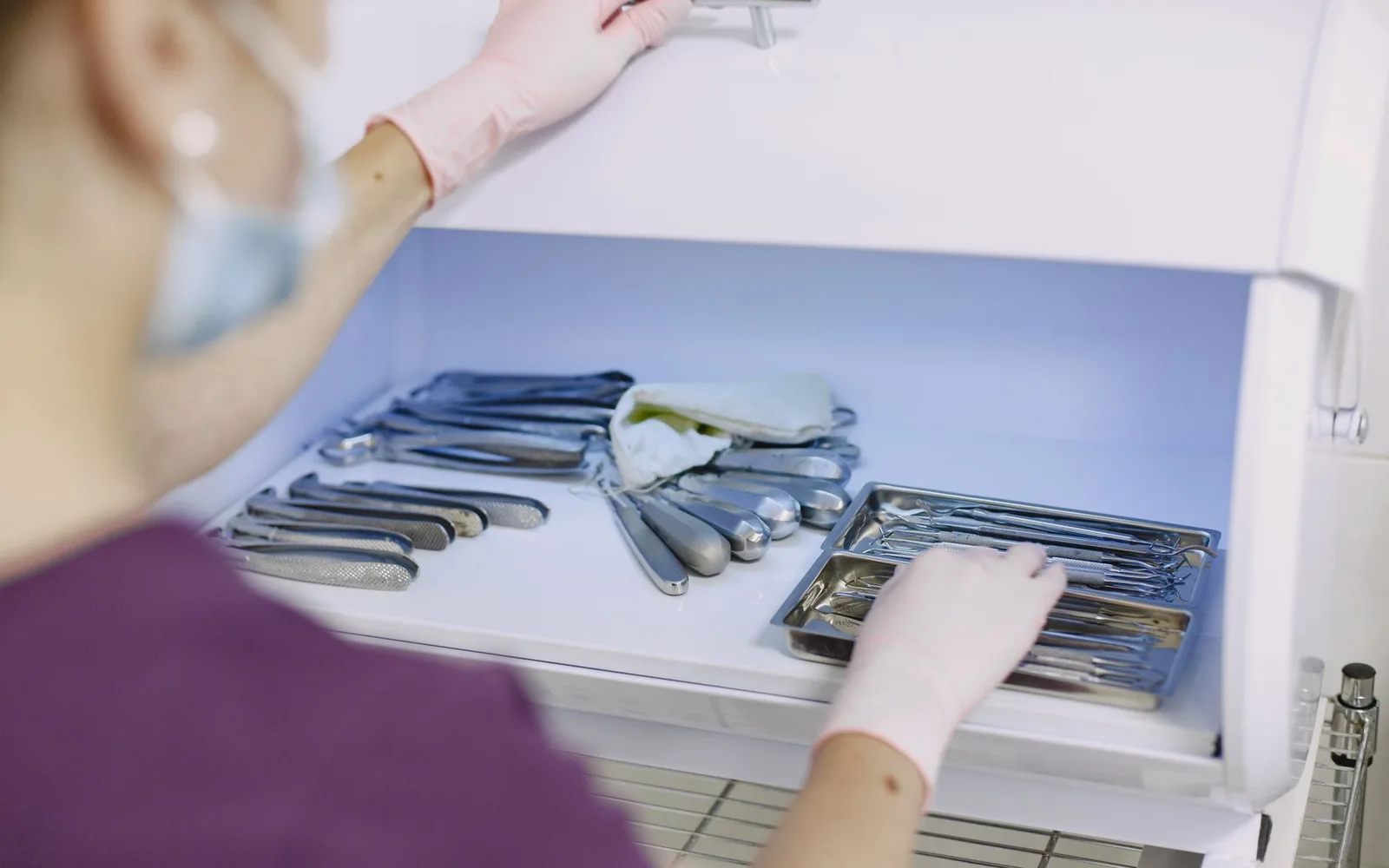
Water tank sterilization in Al Hamdaniyah Jeddah
Al Hamdaniyah is a dense mixed quarter stretching east of King Abdulaziz Airport, home to families in apartment blocks and villas, with shops and hypermarkets in continuous operation year-round. Water tanks here face high usage pressure from both residents and shops, and the heat and humidity accelerate sediment and biofilm buildup on tank walls.
-
Potable-rated materials
Linings and disinfectants cleared for drinking water tanks, not general-purpose products.
-
You get the downtime first
How many hours the tank is out of service, told before we start rather than after we finish.
-
A first-draw flush
We run the first draw off after refilling, and the tank is not handed back until the water runs clear.
-
Ground and roof tanks
Villas, apartment blocks and premises that need a written record of each visit.
Why the job is different in Al Hamdaniyah
Residents and shop owners rely on tanks at high intensity throughout the day, and water often stands static during the hot months. The method is set out in full on our Water tank sterilization service.
Residential tanks serving dense apartment blocks
Apartment buildings in Al Hamdaniyah house dozens of units and a single tank serves hundreds of people daily. Water stands for long periods and continuous demand leads to rapid sediment deposition.
Commercial tanks for shops on main roads
Shops and hypermarkets along Al Hamdaniyah and Al Masurah Streets use water intensively for facilities and cleaning. Commercial tanks foul faster than residential ones.
Heat and moisture accelerate biofilm growth
The quarter lies in a warm coastal zone where even winter temperatures remain high. Algae and bacteria grow rapidly in warm static water.
The character of Al Hamdaniyah
Mixed district: shops at street level with homes above them
Al Hamdaniyah is a mixed quarter blending residential and commercial use, meaning tanks vary in size and purpose across the neighbourhood. Dense apartment blocks need large tanks and commercial premises demand precision in sterilization. Treatment must account for differences between residential and commercial tank systems.
What we read inside the tank before anything starts
A densely built mixed quarter east of King Abdulaziz Airport, with apartment buildings, villas and diverse retail shops along Al Hamdaniyah Street, Al Masurah Street and Al Haramain Road on its western edge.
Sediment on the floor
Silt and sediment on the floor accumulate from static water and form thick layers in apartment and shop tanks.
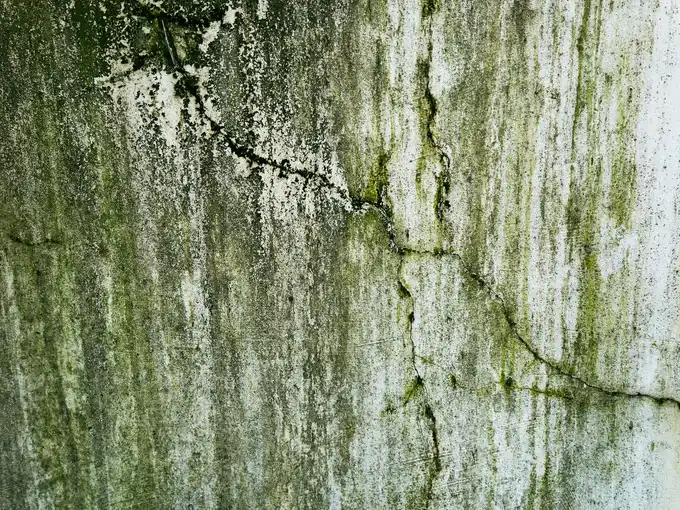
The slime film on the wall
Slime biofilms coat tank walls especially at water lines and contain harmful bacteria and algae.
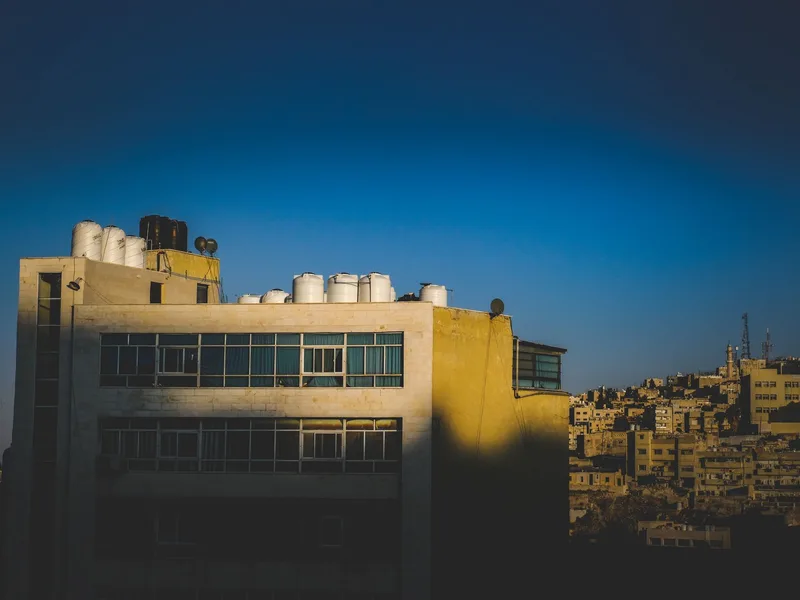
Light and heat
Supply lines from tank to distant taps may hold deposits and need strong flushing to clear them.
The lining and any cracking
High heat in Al Hamdaniyah speeds microbial growth and effective sterilization is essential to eliminate it.
The lid and the openings
Tank bases may contain mineral and organic deposits; mechanical lift removes these sediments before sterilization.

What shows up at the tap
Distribution lines need final flush from the furthest outlet to ensure the sterilant reaches all pipes and taps.
How we work
-
1
Inspect and record the condition
We open the hatch and work through what the tank is made of and how big it is, how deep the sediment lies, the state of the lining, whether the lid and the overflow seal, and whether there is a crack that has to be repaired before any sterilizing.
-
2
Drain and lift the sediment out
The water goes out, then the silt and sand are lifted off the floor by suction rather than pushed toward the outlet, because pushing them sends them into the house pipework and the heater.
-
3
High pressure wash
Walls, floor, corners and the area around the outlet, until the slime film is completely gone. This is the step that makes the sterilizing after it mean anything.
-
4
Sterilize, rinse, then return to service
The sterilizing agent goes onto the walls, the floor and the underside of the lid and is left for its contact time, then we rinse, refill and run the furthest tap until the whole line is clear.
What water tank sterilization includes
-

A recorded inspection
Material, capacity, sediment depth, the state of the lining, the lid and the overflow, all before any work begins.
-

Draining and sediment removal
The water out, and the silt and sand lifted off the floor instead of being pushed into the outlet and the house pipework.
-

High pressure washing
Walls, corners and around the outlet, until the biofilm that no disinfectant penetrates has gone.
-
Sterilizing the internal surfaces
A sterilizing agent meant for drinking water tanks, applied to the walls, the floor and the underside of the lid, and left for its contact time.
-

Line flush and aftercare
Rinse, refill and a flush from the furthest tap, when the water is usable again, and what to change in the filter afterwards.
-

The next cycle
We agree the right interval for your tank from how it is filled, how much sun it takes and the condition of the lid.
What is different about Taybah Sub-Municipality
Taybah sub municipality covers the newly built districts of north east Jeddah along Al Haramain Road and Asfan Road. New villas and apartment buildings stand among vacant plots, building sites and half finished subdivisions. Al Hamdaniyah is the oldest and densest part with its markets and shops, while Al Furusiyah, Al Bashair, Al Rahmaniyah, Al Falah and Al Salihiyah are mostly recent. The ground is inland and away from the sea, dry and dusty, rest houses, camps and stables on the fringes draw flies and crawling insects, and constant digging and construction stirs rodents out of the empty plots.
Questions about this district
Why does a residential tank in an apartment block foul faster than others?
Apartment blocks house dozens of units and water demand is continuous throughout the day. Water does not circulate well in the tank and sediment accumulates rapidly.
Is municipal water clean when it reaches the tank?
Water may be clean in the main supply lines, but the tank fouls from within due to algae and bacteria that grow in warm static water.
How often should a tank be sterilized per year in Al Hamdaniyah?
In a densely used mixed quarter, at least twice per year. Commercial shops may need sterilization more frequently.
Is removing grey sediment from the base enough or must we sterilize?
Cleaning removes visible silt, but bacteria and algae remain in biofilm layers on the walls. Sterilization kills these organisms.
Will apartment residents notice a different smell or taste after sterilization?
They may detect a faint chlorine smell for a few days. This is normal and the water becomes safe to drink.
How do we know a tank needs urgent sterilization rather than waiting for routine service?
If you see cloudiness, foul odour or taste change, urgent sterilization is needed to prevent bacteria spread.
How much does water tank sterilization in Al Hamdaniyah cost?
It is set after the inspection, because the price follows the type of infestation, the size of the space, how far it has spread and the number of visits it needs. Send a photo and a description on WhatsApp and we will give you an estimate before we reach Al Hamdaniyah.
Nearby districts we cover
Other services in Al Hamdaniyah
Other services we provide to residents of Al Hamdaniyah.
-
 Water tanks
Water tank cleaning
-
 Water tanks
Water tank sealing
-
 Water tanks
Tank leak repair
-
 Residential
Cockroach control
Need water tank sterilization in Al Hamdaniyah? Tell us what you saw and we will tell you what it needs
We reach Al Hamdaniyah at a time we agree, and you get the full cost before we start.