
Water tank sterilization in Al Falah Jeddah
Al Falah is a recently established district in north Jeddah beside King Abdullah Sports City, with villas, apartment blocks and shops on main streets. The tanks here are relatively new but direct sunlight and coastal humidity accelerate algae and sediment buildup. Regular sterilization maintains water purity in this growing area.
-
Potable-rated materials
Linings and disinfectants cleared for drinking water tanks, not general-purpose products.
-
You get the downtime first
How many hours the tank is out of service, told before we start rather than after we finish.
-
A first-draw flush
We run the first draw off after refilling, and the tank is not handed back until the water runs clear.
-
Ground and roof tanks
Villas, apartment blocks and premises that need a written record of each visit.
Why the job is different in Al Falah
Most tanks are mounted on roofs of new villas and apartment blocks, exposed directly to sun and desert dust carried by strong winds. The method is set out in full on our Water tank sterilization service.
Tanks on open roofs exposed to sun and dust
Villas and apartment blocks in Al Falah were built recently with tanks on roofs lacking adequate shelter. Direct sun and dust cause green algae to grow inside tanks rapidly.
Sediment and silt from new water lines
The district's main water network is new but contains iron deposits and construction silt. These deposits settle at the tank base and create an environment for bacterial growth.
Varied residential and commercial demand at different pressures
Villas, apartments and retail shops consume water at different rates. Tanks may sit unused for long periods, allowing a slime film to form on walls.
The character of Al Falah
Mixed district: shops at street level with homes above them
The mixed-use district means tanks vary in size and location. Villas have tanks on fully exposed roofs, while apartment blocks may house tanks in internal rooms. Sterilization requires assessment of each case based on tank position and exposure to external factors.
What we read inside the tank before anything starts
A relatively new residential quarter in north Jeddah between King Abdullah Sports City to the north-west, Al Bashair to the north, Al Hamdaniyah and Al Salihiyah to the south, and Al Rahmaniyah to the east, with mixed residential and commercial use.
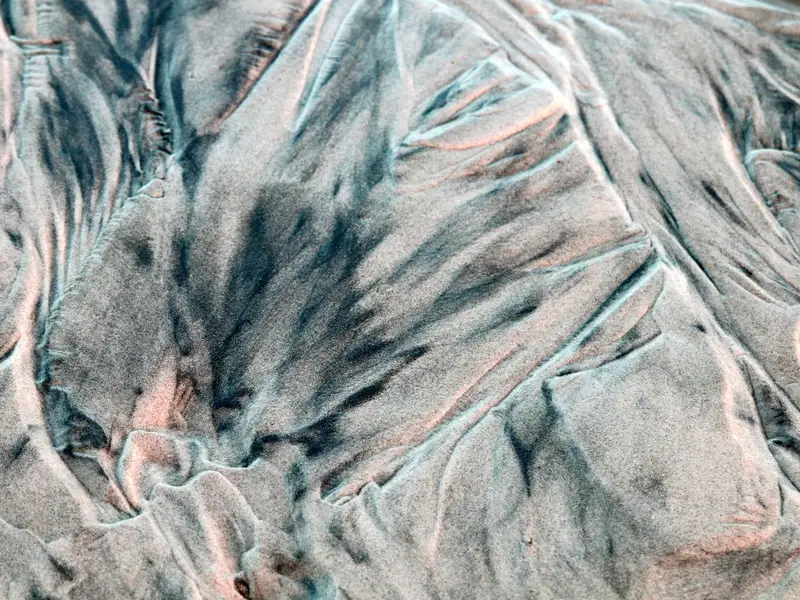
Sediment on the floor
Iron deposits and silt from the new water network settle at the tank base due to low flow velocity.
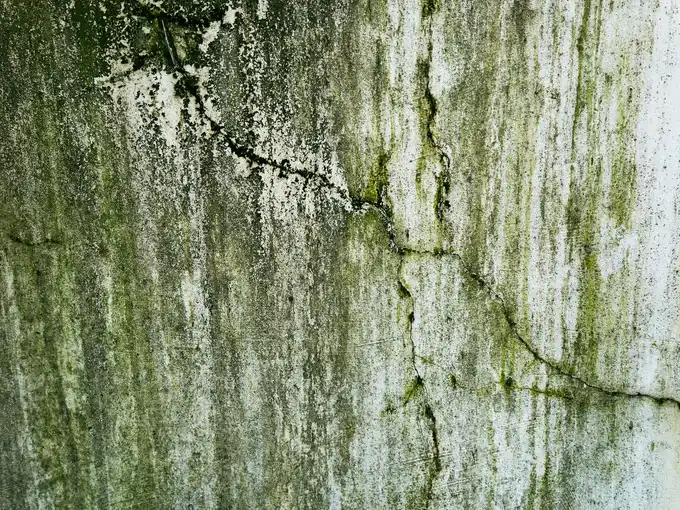
The slime film on the wall
Green algae and organic matter grow on tank walls exposed to direct sunlight and dust.
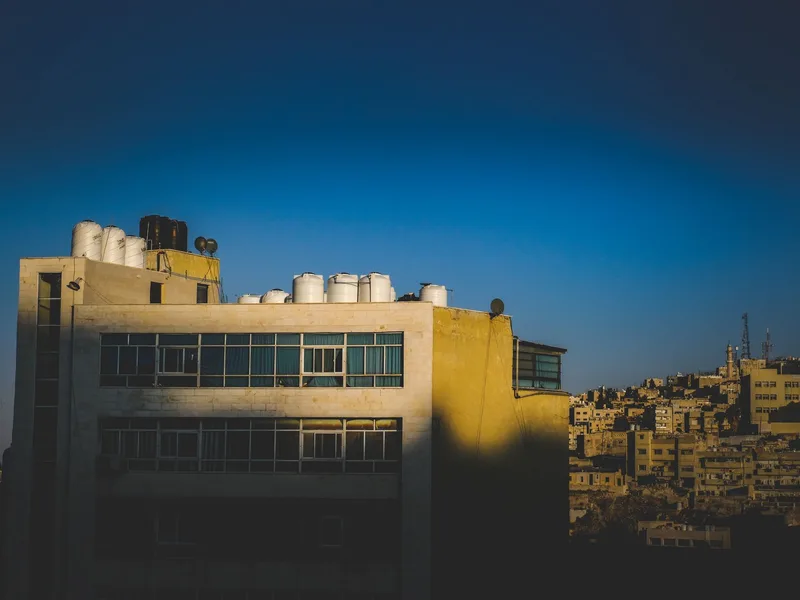
Light and heat
The lines contain air pockets from initial filling and uneven pressure in the new network.
The lining and any cracking
Moisture inside the tank is always high but natural ventilation is limited in sealed tanks.
The lid and the openings
The tank base collects sediment layers and a slime film forms from stagnant water residue.

What shows up at the tap
Early warning signs are strange taste, slight colour change and faint odour, appearing two to three months after the last sterilization.
How we work
-
1
Inspect and record the condition
We open the hatch and work through what the tank is made of and how big it is, how deep the sediment lies, the state of the lining, whether the lid and the overflow seal, and whether there is a crack that has to be repaired before any sterilizing.
-
2
Drain and lift the sediment out
The water goes out, then the silt and sand are lifted off the floor by suction rather than pushed toward the outlet, because pushing them sends them into the house pipework and the heater.
-
3
High pressure wash
Walls, floor, corners and the area around the outlet, until the slime film is completely gone. This is the step that makes the sterilizing after it mean anything.
-
4
Sterilize, rinse, then return to service
The sterilizing agent goes onto the walls, the floor and the underside of the lid and is left for its contact time, then we rinse, refill and run the furthest tap until the whole line is clear.
What water tank sterilization includes
-

A recorded inspection
Material, capacity, sediment depth, the state of the lining, the lid and the overflow, all before any work begins.
-

Draining and sediment removal
The water out, and the silt and sand lifted off the floor instead of being pushed into the outlet and the house pipework.
-

High pressure washing
Walls, corners and around the outlet, until the biofilm that no disinfectant penetrates has gone.
-
Sterilizing the internal surfaces
A sterilizing agent meant for drinking water tanks, applied to the walls, the floor and the underside of the lid, and left for its contact time.
-

Line flush and aftercare
Rinse, refill and a flush from the furthest tap, when the water is usable again, and what to change in the filter afterwards.
-

The next cycle
We agree the right interval for your tank from how it is filled, how much sun it takes and the condition of the lid.
What is different about Taybah Sub-Municipality
Taybah sub municipality covers the newly built districts of north east Jeddah along Al Haramain Road and Asfan Road. New villas and apartment buildings stand among vacant plots, building sites and half finished subdivisions. Al Hamdaniyah is the oldest and densest part with its markets and shops, while Al Furusiyah, Al Bashair, Al Rahmaniyah, Al Falah and Al Salihiyah are mostly recent. The ground is inland and away from the sea, dry and dusty, rest houses, camps and stables on the fringes draw flies and crawling insects, and constant digging and construction stirs rodents out of the empty plots.
Questions about this district
Do new tanks need sterilizing from the start?
Yes. Even new tanks contain construction debris and residue from transport. Initial sterilization removes these impurities and clears the lines.
Why do algae grow faster in Al Falah than in older districts?
Tanks here sit on roofs fully exposed to sun and desert dust. The district is new and tanks lack the age to develop natural protective layers.
Is one annual treatment enough in this climate?
It may be adequate in normal cases, but if consumption is low and the tank faces direct sun, additional treatment may be needed.
Do white particles floating in the water mean the last sterilization failed?
They may indicate that mechanical cleaning did not remove all sediment from the base. Complete mechanical scrubbing is essential before sterilization.
How long does a tank need to settle before use after sterilization?
After sterilization we run the lines fully and flush until the water runs clear.
Do apartment tanks and villa tanks need the same method?
The method is the same but tank size differs. Villas typically have larger tanks that may take longer to scrub mechanically.
How much does water tank sterilization in Al Falah cost?
It is set after the inspection, because the price follows the type of infestation, the size of the space, how far it has spread and the number of visits it needs. Send a photo and a description on WhatsApp and we will give you an estimate before we reach Al Falah.
Nearby districts we cover
Other services in Al Falah
Other services we provide to residents of Al Falah.
-
 Water tanks
Water tank cleaning
-
 Water tanks
Water tank sealing
-
 Water tanks
Tank leak repair
-
 Residential
Cockroach control
Need water tank sterilization in Al Falah? Tell us what you saw and we will tell you what it needs
We reach Al Falah at a time we agree, and you get the full cost before we start.