
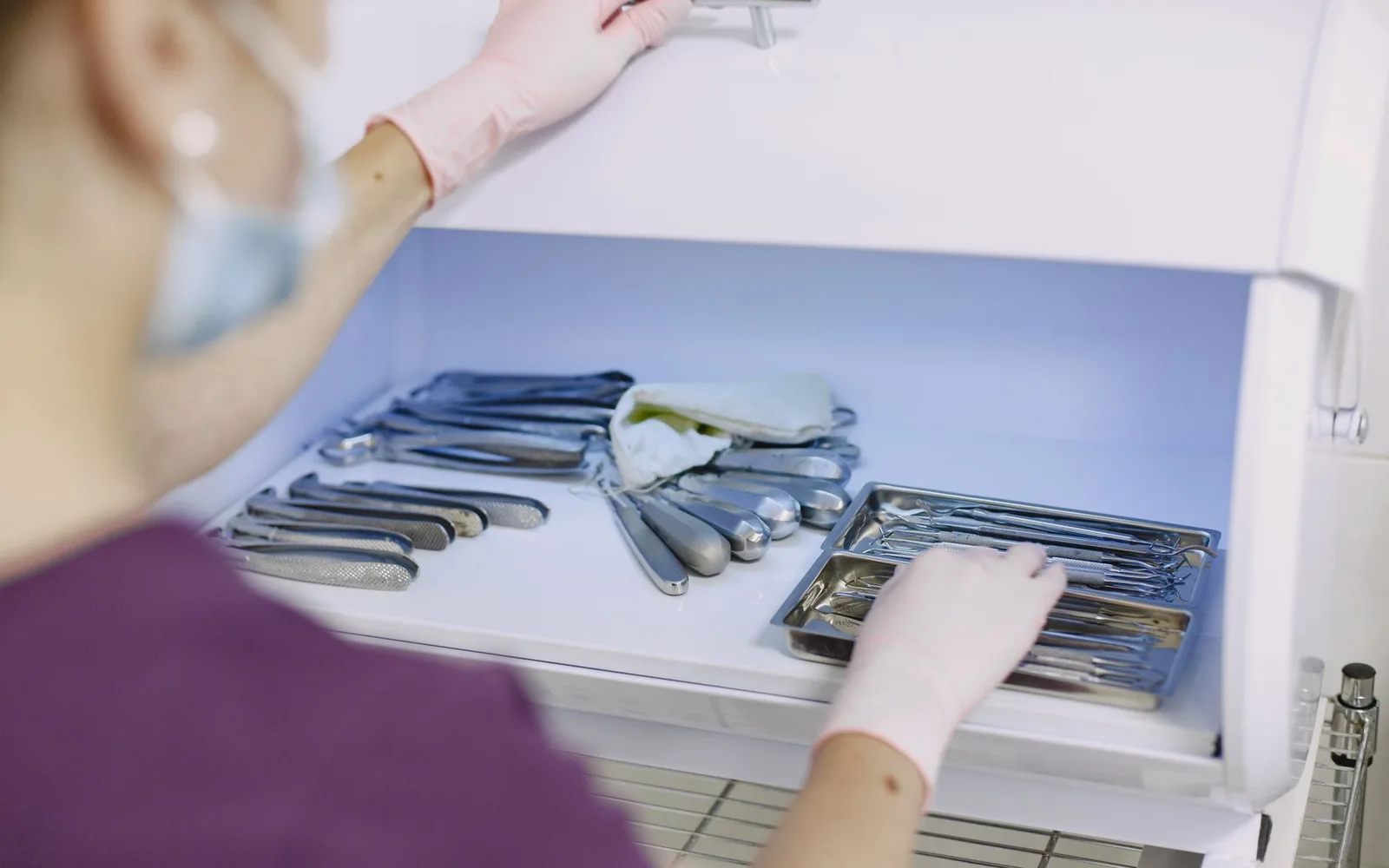
Water tank sterilization in Al Harazat Jeddah
Al Harazat is a densely built residential quarter in south-east Jeddah that grew on former farmland with informal subdivision, outside formal municipal planning. Low-rise apartment blocks line narrow streets, and tanks here are small and numerous, serving limited households. The water is heavy with sediment and sterilizing it requires patience and extensive manual labour.
-
Potable-rated materials
Linings and disinfectants cleared for drinking water tanks, not general-purpose products.
-
You get the downtime first
How many hours the tank is out of service, told before we start rather than after we finish.
-
A first-draw flush
We run the first draw off after refilling, and the tank is not handed back until the water runs clear.
-
Ground and roof tanks
Villas, apartment blocks and premises that need a written record of each visit.
Why the job is different in Al Harazat
Tanks in Al Harazat are typically old and small with very heavy sediment build-up, and residents neglect regular cleaning because of cost. The method is set out in full on how we approach Water tank sterilization.
Small and aged tanks on low buildings
Apartment buildings in Al Harazat are low and have small roof tanks. Many tanks are very old with rust and cracks, and the roof height is so low that access and work are difficult.
Narrow streets restrict access
Al Harazat streets are very narrow and buildings are tightly packed. Getting equipment and vehicles in is very hard and tanks may sit in awkward locations.
Moisture and sediment from old farmland
The quarter grew on old agricultural land with naturally high soil moisture and heavy minerals. Water from these tanks carries heavy sediment and odour.
Al Harazat on the map
Al Harazat sits about 4.5 km from Umm Al Salam and about 5.5 km from Al Mahamid.
Open in Google MapsWhat we read inside the tank before anything starts
A densely built residential quarter in south-east Jeddah grown on former farmland beyond formal municipal planning, with low-rise apartment blocks on narrow streets near the Old Makkah Road, served by neighbourhood mosques, health centres and everyday shops.
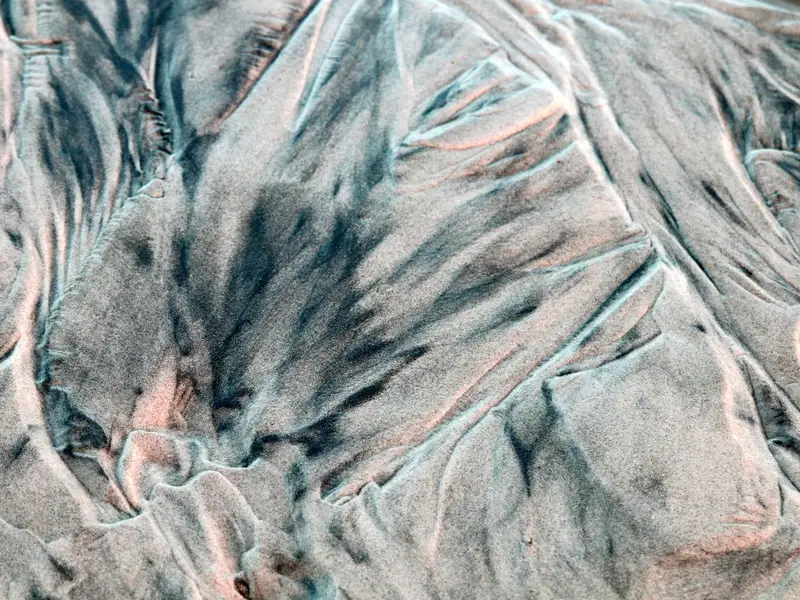
Sediment on the floor
Heavy sediment comes from minerals, calcium and iron in old farmland soil and builds quickly on the tank floor.
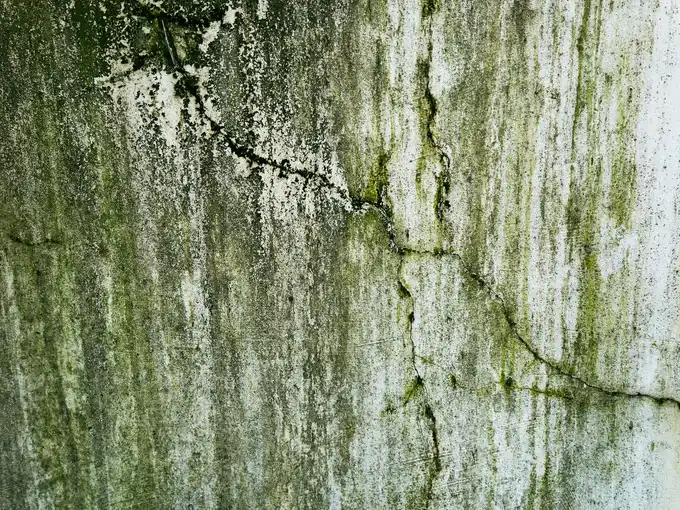
The slime film on the wall
Algae and bacteria grow in high humidity and low light, and small tanks provide ideal conditions.
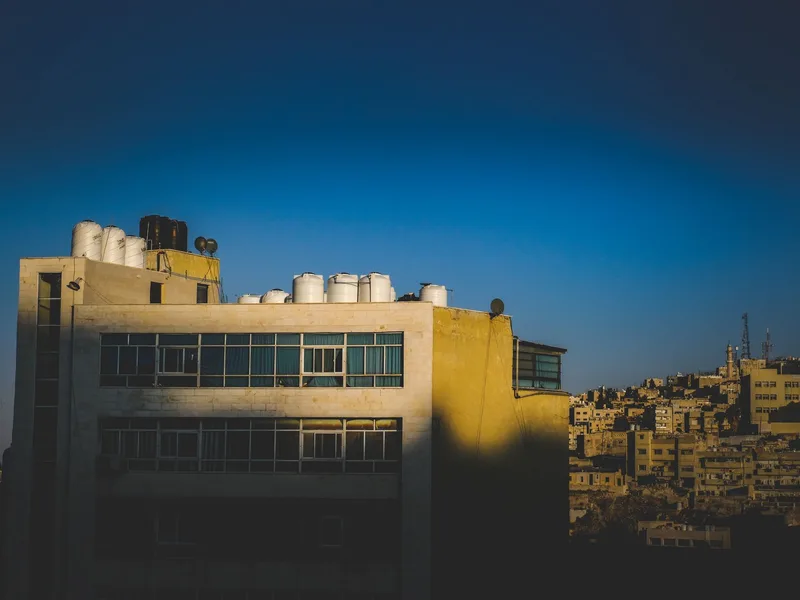
Light and heat
Water pipes from tank to units hold heavy sediment and need strong flushing from the furthest tap.
The lining and any cracking
Natural soil moisture keeps the tank humid continuously even when not in use.
The lid and the openings
Tank base holds a very thick layer of sediment, rust and heavy minerals needing strong scrubbing and mechanical removal.

What shows up at the tap
Water may show brown turbidity or metallic taste, full sterilization after complete cleaning is the only solution.
How we work
-
1
Inspect and record the condition
We open the hatch and work through what the tank is made of and how big it is, how deep the sediment lies, the state of the lining, whether the lid and the overflow seal, and whether there is a crack that has to be repaired before any sterilizing.
-
2
Drain and lift the sediment out
The water goes out, then the silt and sand are lifted off the floor by suction rather than pushed toward the outlet, because pushing them sends them into the house pipework and the heater.
-
3
High pressure wash
Walls, floor, corners and the area around the outlet, until the slime film is completely gone. This is the step that makes the sterilizing after it mean anything.
-
4
Sterilize, rinse, then return to service
The sterilizing agent goes onto the walls, the floor and the underside of the lid and is left for its contact time, then we rinse, refill and run the furthest tap until the whole line is clear.
What water tank sterilization includes
-

A recorded inspection
Material, capacity, sediment depth, the state of the lining, the lid and the overflow, all before any work begins.
-

Draining and sediment removal
The water out, and the silt and sand lifted off the floor instead of being pushed into the outlet and the house pipework.
-

High pressure washing
Walls, corners and around the outlet, until the biofilm that no disinfectant penetrates has gone.
-
Sterilizing the internal surfaces
A sterilizing agent meant for drinking water tanks, applied to the walls, the floor and the underside of the lid, and left for its contact time.
-

Line flush and aftercare
Rinse, refill and a flush from the furthest tap, when the water is usable again, and what to change in the filter afterwards.
-

The next cycle
We agree the right interval for your tank from how it is filled, how much sun it takes and the condition of the lid.
The character of Al Harazat
Apartment district: residential blocks, repeated floors and shared entrances
Al Harazat is a popular dense residential quarter meaning tanks are old and small and residents have limited income. Treatment here focuses on removing heavy sediment by any means possible with simple, effective and cost-reasonable sterilization.
Questions about this district
Why is water in Al Harazat heavier than other districts?
The quarter grew on farmland with heavy minerals in soil and high moisture. Water absorbs these minerals and deposits them in the tank.
Do small tanks need sterilization more than large ones?
Yes, small tanks fill with sediment faster. Small volume means higher pollutant concentration.
Does tank rust mean it must be replaced?
Not necessarily if rust is surface only. Deep cleaning and sterilization may suffice, but if holes exist replacement is needed.
How do we handle narrow streets and difficult access?
We use portable equipment and long hoses. This increases time and labour required.
Does heavy sediment affect sterilization quality?
Yes greatly, pathogens hide under thick sediment. Complete sediment removal before sterilization is essential.
Is inside-only washing enough?
No, we must also clean pipes, connectors and filters externally. Primary contamination sources may be in the pipes.
How much does water tank sterilization in Al Harazat cost?
It is set after the inspection, because the price follows the type of infestation, the size of the space, how far it has spread and the number of visits it needs. Send a photo and a description on WhatsApp and we will give you an estimate before we reach Al Harazat.
Nearby districts we cover
Other services in Al Harazat
Other services we provide to residents of Al Harazat.
-
 Water tanks
Water tank cleaning
-
 Water tanks
Water tank sealing
-
 Water tanks
Tank leak repair
-
 Residential
Cockroach control
Need water tank sterilization in Al Harazat? Tell us what you saw and we will tell you what it needs
We reach Al Harazat at a time we agree, and you get the full cost before we start.