
Water tank sterilization in Al Khalidiyah Jeddah
Al Khalidiyah is an upmarket district on the northern coast with large villas, gated compounds and residential buildings on the fringes. Water tanks in the villas hold large volumes and are exposed to sun and dust from surrounding roads. Regular sterilization maintains water safety in these substantial homes.
-
Potable-rated materials
Linings and disinfectants cleared for drinking water tanks, not general-purpose products.
-
You get the downtime first
How many hours the tank is out of service, told before we start rather than after we finish.
-
A first-draw flush
We run the first draw off after refilling, and the tank is not handed back until the water runs clear.
-
Ground and roof tanks
Villas, apartment blocks and premises that need a written record of each visit.
Why the job is different in Al Khalidiyah
Villas here were built from the 1970s through 1990s and their tanks are large capacity, though many owners neglect regular tank maintenance. The method is set out in full on the full Water tank sterilization page.
Large tanks exposed to dust and sunlight
The big villas contain roof-mounted or subfloor tanks exposed to dust from surrounding roads and northern winds. Direct sun speeds algae growth on tank walls.
Gated compounds need rigorous maintenance protocols
Large compounds house central tanks serving multiple villas. These tanks are rarely cleaned professionally and sediment builds on the floor.
The groundwater here is hard and deposits minerals
Deep Jeddah water contains high salts and minerals. White and brown residues on tank walls mark calcium and magnesium buildup.
The character of Al Khalidiyah
Villa district: private plots, gardens and a boundary wall to every house
Large gated villas mean large-capacity tanks and sometimes multiple tanks per property. Treatment must account for villa layout, tank locations and long feed lines that may link the villa to a central compound supply.
What we read inside the tank before anything starts
An affluent residential quarter north of King Abdulaziz Road and Saud Al Faisal Road, bordered by Al Andalus, Al Rawdah, Al Salamah and Al Zahra, with large villas, gated compounds and the Al Khalidiyah commercial market.
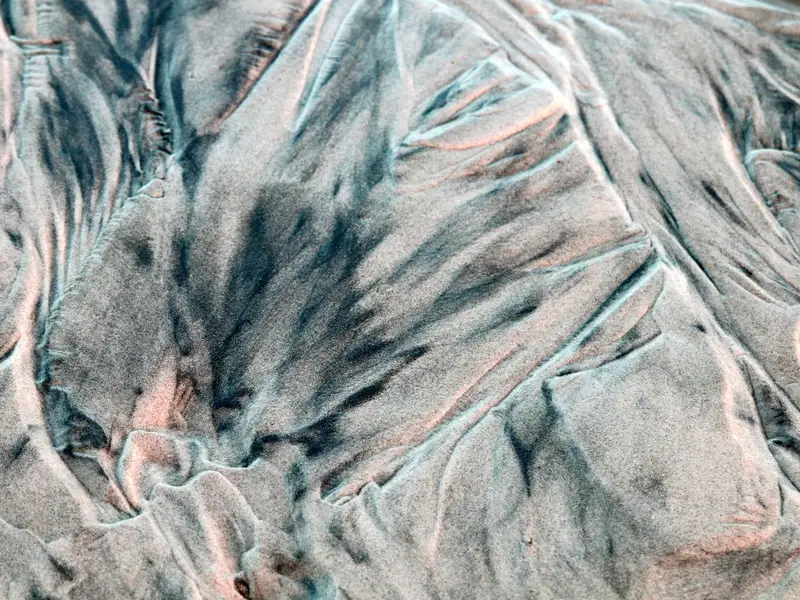
Sediment on the floor
Silt and sediment accumulate on the floor because large villa tanks are not flushed regularly.
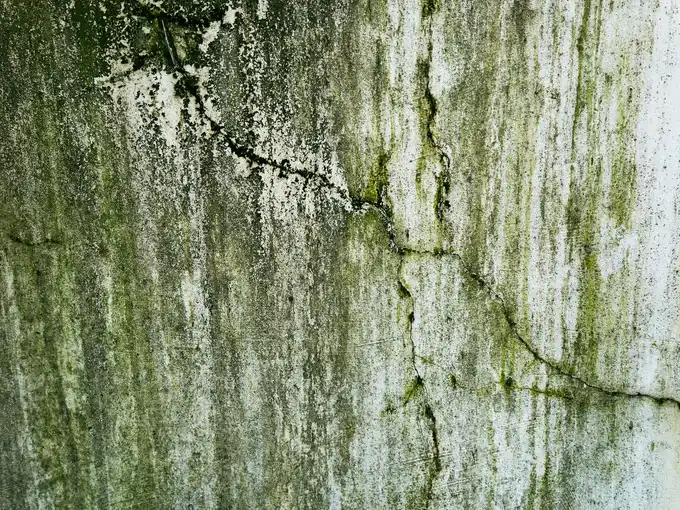
The slime film on the wall
Green algae and slime film grow on walls because tanks sit exposed to direct sun and heat from villa roofs.
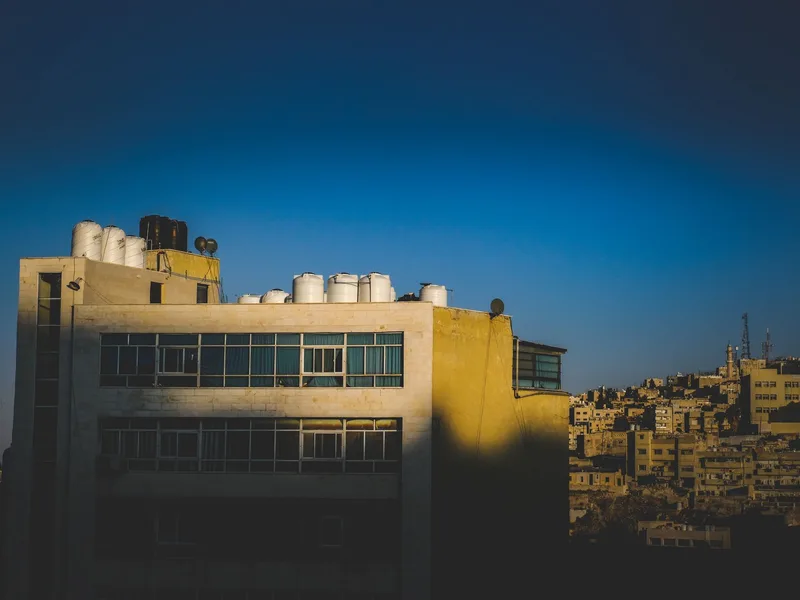
Light and heat
Lines and pipes hold mineral deposits and bacteria because the groundwater is very hard.
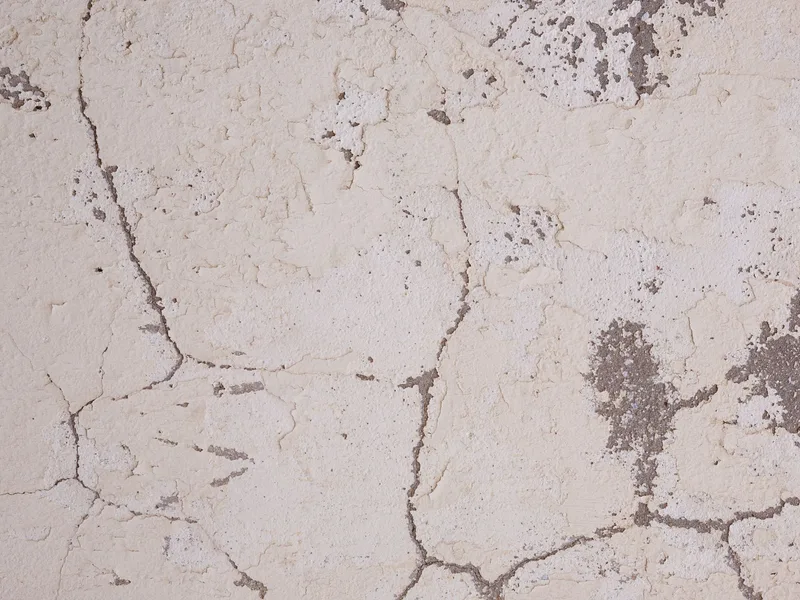
The lining and any cracking
Heat and moisture inside the tank create ideal conditions for blue-green and green bacterial blooms.
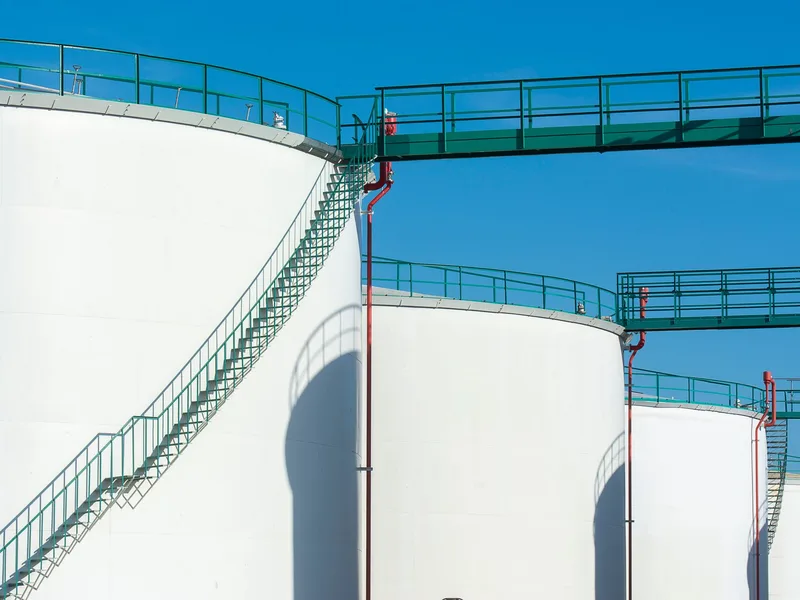
The lid and the openings
Biofilm develops in corners and on the floor where sediment and mud collect in anaerobic zones.
What shows up at the tap
Bacteria and pathogens appear when villa taps run after extended periods of non-use.
How we work
-
1
Inspect and record the condition
We open the hatch and work through what the tank is made of and how big it is, how deep the sediment lies, the state of the lining, whether the lid and the overflow seal, and whether there is a crack that has to be repaired before any sterilizing.
-
2
Drain and lift the sediment out
The water goes out, then the silt and sand are lifted off the floor by suction rather than pushed toward the outlet, because pushing them sends them into the house pipework and the heater.
-
3
High pressure wash
Walls, floor, corners and the area around the outlet, until the slime film is completely gone. This is the step that makes the sterilizing after it mean anything.
-
4
Sterilize, rinse, then return to service
The sterilizing agent goes onto the walls, the floor and the underside of the lid and is left for its contact time, then we rinse, refill and run the furthest tap until the whole line is clear.
What water tank sterilization includes
-

A recorded inspection
Material, capacity, sediment depth, the state of the lining, the lid and the overflow, all before any work begins.
-

Draining and sediment removal
The water out, and the silt and sand lifted off the floor instead of being pushed into the outlet and the house pipework.
-

High pressure washing
Walls, corners and around the outlet, until the biofilm that no disinfectant penetrates has gone.
-
Sterilizing the internal surfaces
A sterilizing agent meant for drinking water tanks, applied to the walls, the floor and the underside of the lid, and left for its contact time.
-

Line flush and aftercare
Rinse, refill and a flush from the furthest tap, when the water is usable again, and what to change in the filter afterwards.
-

The next cycle
We agree the right interval for your tank from how it is filled, how much sun it takes and the condition of the lid.
What is different about New Jeddah Sub-Municipality
New Jeddah sub-municipality lies at the heart of the northern city near the corniche and takes in Al Rawdah, Al Salamah, Al Zahra and Al Khalidiyah. These are established upmarket districts of villas, compounds and modern apartment blocks, crossed by Prince Sultan Road and Tahlia Street with their restaurants and hotels. The nearby sea keeps humidity high for most of the year and irrigated gardens hold moisture in the soil. Food waste and damp planted areas draw cockroaches, ants and mosquitoes, and in packed apartment blocks pests move between units through shared service shafts and refuse rooms.
Questions about this district
How often should a large villa tank be sterilized?
At least twice yearly is standard. If the tank sits in full sun and high dust exposure, three times per year may be needed.
Does green algae in a tank mean serious contamination?
Algae grows when tanks are exposed to light and heat. It is not always hazardous but signals the tank needs cleaning and better shading.
Is tank cleaning alone enough or must pipes be checked too?
Cleaning alone is not enough. Pipes may hold sediment and bacteria, and sterilization includes flushing lines from the furthest taps.
Do white deposits in the tank indicate hard water problems?
Yes, white residue is calcium and magnesium. You may need added water treatment alongside routine sterilization.
Does tank sterilization remove unusual taste and odour?
Yes if the smell comes from bacteria and algae. If it comes from the groundwater itself, you may need an extra filter.
Must the villa be closed during sterilization?
Water should not be used for several hours after treatment. If flushed completely, use can resume within a few hours.
How much does water tank sterilization in Al Khalidiyah cost?
It is set after the inspection, because the price follows the type of infestation, the size of the space, how far it has spread and the number of visits it needs. Send a photo and a description on WhatsApp and we will give you an estimate before we reach Al Khalidiyah.
Nearby districts we cover
Other services in Al Khalidiyah
Other services we provide to residents of Al Khalidiyah.
-
 Water tanks
Water tank cleaning
-
 Water tanks
Water tank sealing
-
 Water tanks
Tank leak repair
-
 Residential
Cockroach control
Need water tank sterilization in Al Khalidiyah? Tell us what you saw and we will tell you what it needs
We reach Al Khalidiyah at a time we agree, and you get the full cost before we start.