
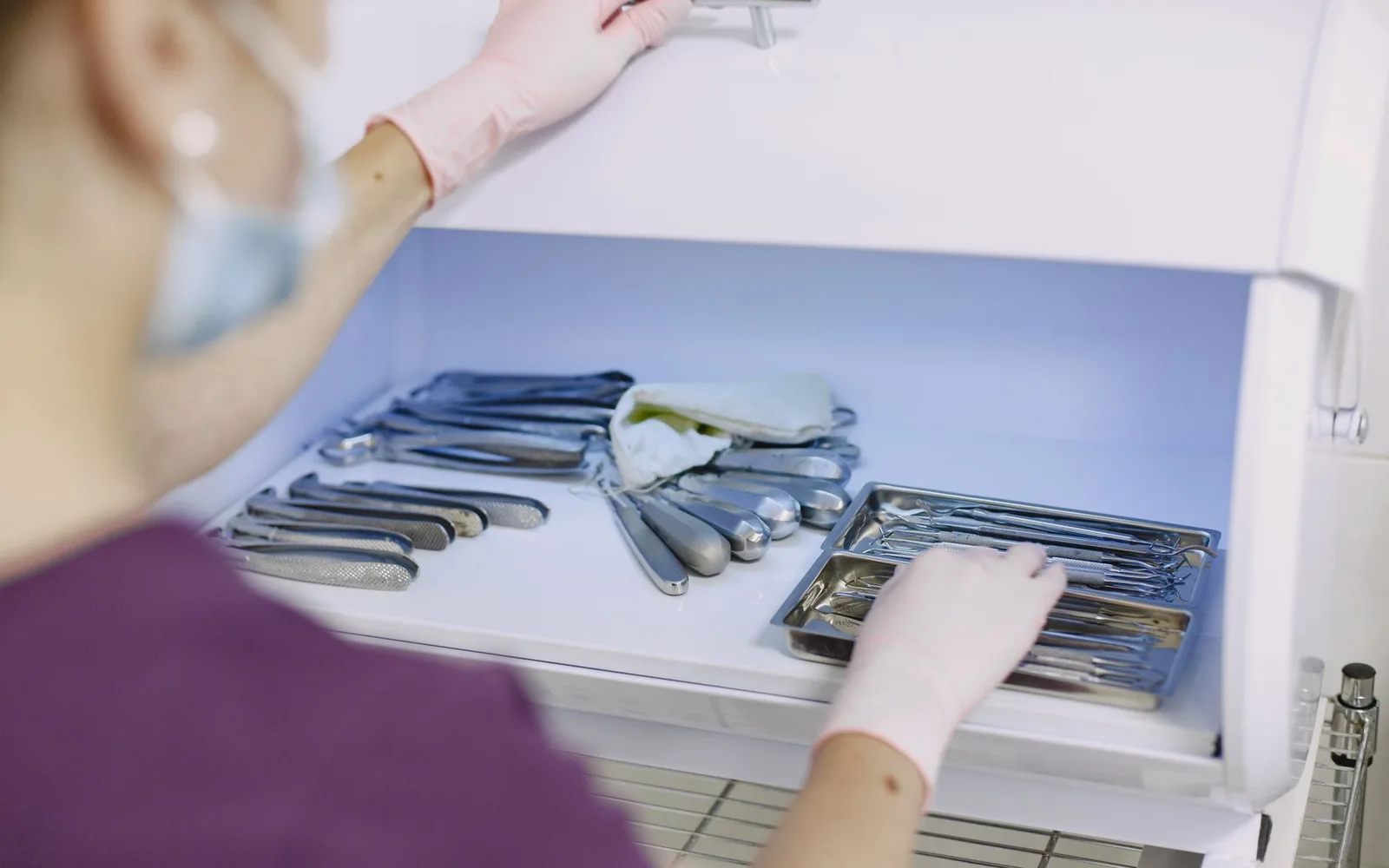
Water tank sterilization in Al Khansa Makkah
Al Khansa is a crowded mixed district where old popular houses stand among modern apartment blocks. Tanks here suffer heavy sediment buildup due to age and continuous use. Sterilization begins by emptying the tank fully and lifting sediment from the base before high-pressure washing.
-
Potable-rated materials
Linings and disinfectants cleared for drinking water tanks, not general-purpose products.
-
You get the downtime first
How many hours the tank is out of service, told before we start rather than after we finish.
-
A first-draw flush
We run the first draw off after refilling, and the tank is not handed back until the water runs clear.
-
Ground and roof tanks
Villas, apartment blocks and premises that need a written record of each visit.
Why the job is different in Al Khansa
Buildings are mixed between old and new, with traditional houses containing small tanks with poor ventilation and maintenance history. The method is set out in full on Water tank sterilization in detail.
Small tanks in traditional houses
Old popular houses in Al Khansa contain small narrow water tanks, causing sediment to accumulate rapidly. Humidity and heat encourage algae and dirt to build up on walls.
Heavy water and thick sediment layers
Water used in the district carries heavy minerals and salt deposits. Sediment collects on the tank base quickly and does not settle easily without full emptying and high-pressure flushing.
Tanks exposed on roofs and walls
Most tanks are mounted on house roofs or fixed to external walls, exposing them to direct sun and intense heat. Thermal expansion and contraction creates small cracks allowing dirt infiltration.
The character of Al Khansa
Mixed district: shops at street level with homes above them
A mixed quarter of old popular houses and modern blocks means tanks vary widely in size and condition. Traditional houses contain small poorly ventilated tanks, so treatment must account for heavy sediment that deposits quickly in confined spaces.
What we read inside the tank before anything starts
A densely populated quarter between Al Hajj Street and Al Abtah, linking Al Hajj Street with Al Maabdah Street towards the Grand Mosque. It contains old popular houses, modern residential buildings and the edge of Al Adl cemetery, with properties along the main street subject to road-widening expropriation.
Sediment on the floor
Heavy sediment accumulates on the tank base rapidly due to mineral-laden water common in the district.
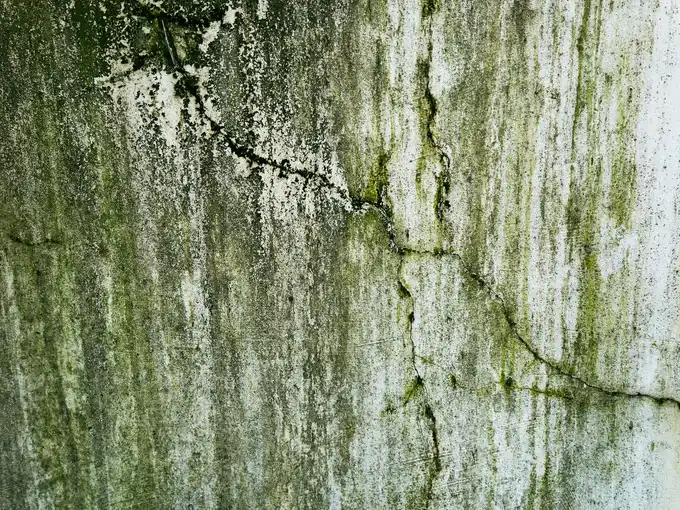
The slime film on the wall
Algae and biological slime coat rooftop tank walls exposed to direct sunlight year-round.
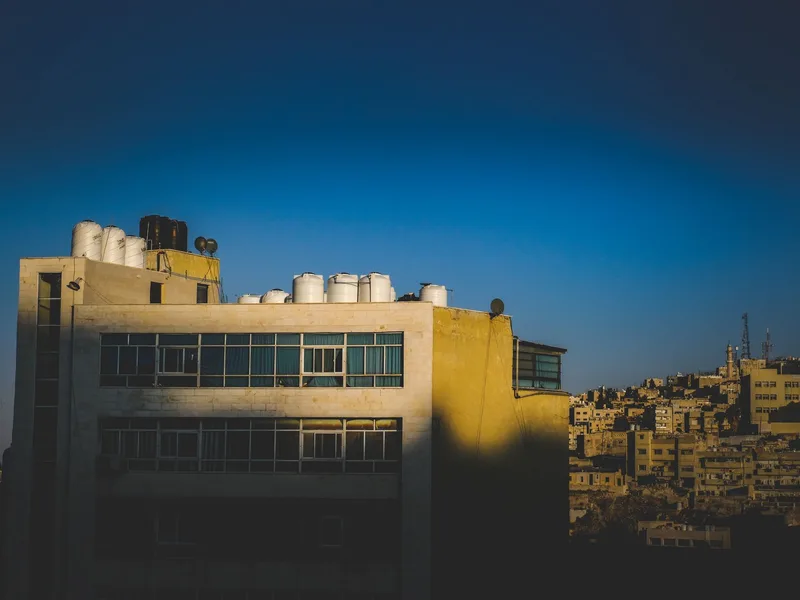
Light and heat
Narrow old pipes in traditional houses trap sediment and restrict clean water flow.
The lining and any cracking
Constant humidity and rooftop heat create ideal conditions for bacterial and fungal growth.
The lid and the openings
Small cracks in aged tanks allow dirt and insect entry into the water.

What shows up at the tap
Taps far from the tank require longer flushing to clear pipes of sediment and sterilizing agent.
How we work
-
1
Inspect and record the condition
We open the hatch and work through what the tank is made of and how big it is, how deep the sediment lies, the state of the lining, whether the lid and the overflow seal, and whether there is a crack that has to be repaired before any sterilizing.
-
2
Drain and lift the sediment out
The water goes out, then the silt and sand are lifted off the floor by suction rather than pushed toward the outlet, because pushing them sends them into the house pipework and the heater.
-
3
High pressure wash
Walls, floor, corners and the area around the outlet, until the slime film is completely gone. This is the step that makes the sterilizing after it mean anything.
-
4
Sterilize, rinse, then return to service
The sterilizing agent goes onto the walls, the floor and the underside of the lid and is left for its contact time, then we rinse, refill and run the furthest tap until the whole line is clear.
What water tank sterilization includes
-

A recorded inspection
Material, capacity, sediment depth, the state of the lining, the lid and the overflow, all before any work begins.
-

Draining and sediment removal
The water out, and the silt and sand lifted off the floor instead of being pushed into the outlet and the house pipework.
-

High pressure washing
Walls, corners and around the outlet, until the biofilm that no disinfectant penetrates has gone.
-
Sterilizing the internal surfaces
A sterilizing agent meant for drinking water tanks, applied to the walls, the floor and the underside of the lid, and left for its contact time.
-

Line flush and aftercare
Rinse, refill and a flush from the furthest tap, when the water is usable again, and what to change in the filter afterwards.
-

The next cycle
We agree the right interval for your tank from how it is filled, how much sun it takes and the condition of the lid.
What is different about Al Maabdah Sub-Municipality
Al Maabdah sub municipality climbs from Al Abtah and Al Jumayzah beside the Al Mualla cemetery up through Al Khansa and Rai Adhakhir to Al Adl, Jabal Al Nour, Wadi Jaleel and Qurtubah on the outer ring roads. It mixes hotels and pilgrim housing near the Grand Mosque with old popular houses on hillside passes, new housing schemes on valley floors that carry flash floods after rain, and industrial plots, workshops and warehouses along Al Hajj Street in Qurtubah. Street widening and expropriation leave partly demolished frontages in Al Khansa.
Questions about this district
Why is tank sediment thicker in Al Khansa than in other quarters?
Water in the district carries high mineral and salt content. Old houses and small tanks do not maintain clean water without regular sterilization.
Does emptying the tank alone remove all the dirt buildup?
No. Heavy sediment sticks to the base and walls and does not flush out with water alone. We must lift the sediment with tools and wash walls under high pressure.
Do rooftop tanks need more frequent sterilization than ground tanks?
Yes. Rooftop tanks face direct sun and heat, accelerating algae and bacterial growth.
How do we ensure the sterilizing agent reaches all pipes?
After applying the agent, we open taps from the furthest point in the network and run water until all pipes are cleaned.
Does heavy water quality change the sterilization method?
Yes. Heavy water requires longer emptying and washing cycles to fully remove sediment.
How often must a traditional house tank be sterilized per year?
In this dense and hot quarter, at least every three months. Continuous use and heat accelerate water contamination.
How much does water tank sterilization in Al Khansa cost?
It is set after the inspection, because the price follows the type of infestation, the size of the space, how far it has spread and the number of visits it needs. Send a photo and a description on WhatsApp and we will give you an estimate before we reach Al Khansa.
Nearby districts we cover
Other services in Al Khansa
Other services we provide to residents of Al Khansa.
-
 Water tanks
Water tank cleaning
-
 Water tanks
Water tank sealing
-
 Water tanks
Tank leak repair
-
 Residential
Cockroach control
Need water tank sterilization in Al Khansa? Tell us what you saw and we will tell you what it needs
We reach Al Khansa at a time we agree, and you get the full cost before we start.