
Water tank sterilization in Al Awali Makkah
Al Awali is a modern villa district built on high ground in the nineteen nineties. Each villa has its own independent tank, usually sited on the roof or in the basement. Mains water flows through these tanks before distribution, and sediment and silt accumulate quickly on tank floors because of the hardness of the incoming supply.
-
Potable-rated materials
Linings and disinfectants cleared for drinking water tanks, not general-purpose products.
-
You get the downtime first
How many hours the tank is out of service, told before we start rather than after we finish.
-
A first-draw flush
We run the first draw off after refilling, and the tank is not handed back until the water runs clear.
-
Ground and roof tanks
Villas, apartment blocks and premises that need a written record of each visit.
Why the job is different in Al Awali
The villas were built in the nineteen nineties and following decades, and their tanks are now aged or have accumulated mineral scale from the hard mains water supply. The method is set out in full on what Water tank sterilization involves.
Roof-mounted villa tanks
Most villas in Al Awali have tanks on the roof to ensure water pressure. These tanks face daily temperature swings, dust, bird droppings and insect entry from the open air.
Mineral scale from hard mains water
Jeddah mains water is hard and rich in calcium and magnesium. This scale coats tank floors and walls with a thick white or grey crust.
Black silt and biofilm slime
Older tanks accumulate black sediment on the floor and slippery biofilm on the walls. These films harbour bacteria and fungi growth.
The character of Al Awali
Villa district: private plots, gardens and a boundary wall to every house
Villas in Al Awali have independent, self-contained tanks serving each household. Treatment focuses on deep mineral scale and persistent biofilm because each tank operates in isolation throughout the day.
What we read inside the tank before anything starts
A planned residential district of individual villas along Prince Sultan Road and the Fourth Ring Road, in the south east of Jeddah, between the Haram boundary and the university campus.
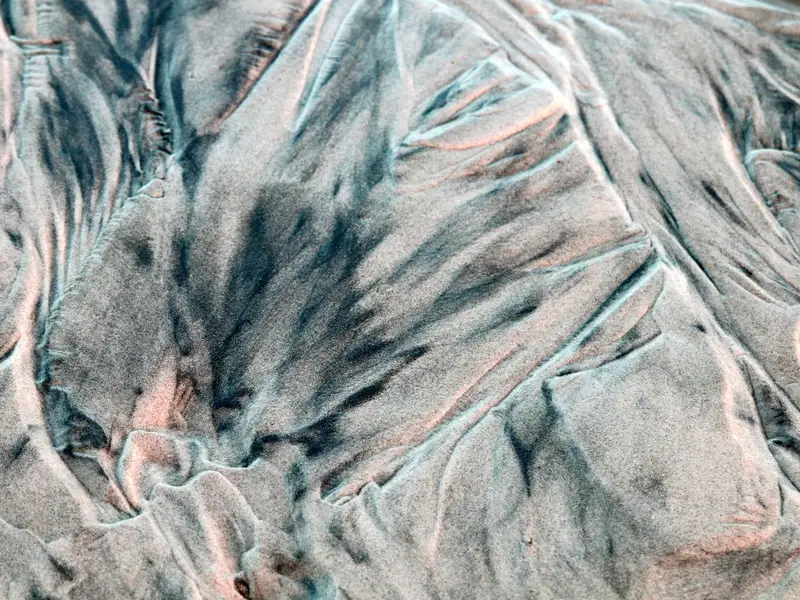
Sediment on the floor
White and grey mineral scale covers the tank floor in a thick layer of calcium, magnesium and rust from mains water.
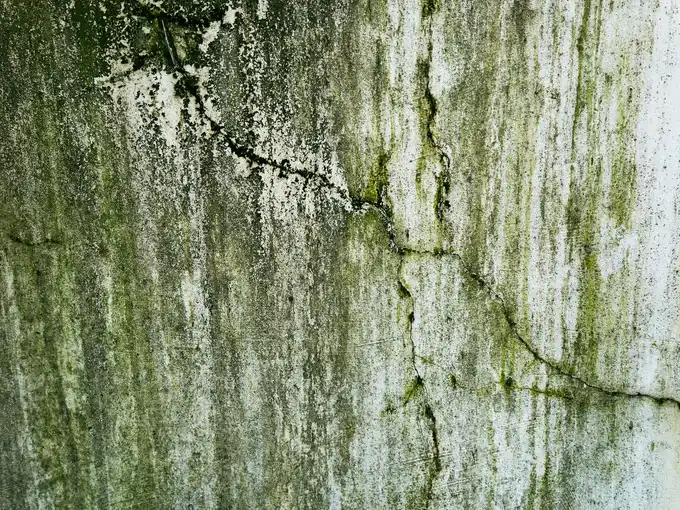
The slime film on the wall
Black silt settles in corners and the lowest points where heavy particles and iron oxides accumulate.
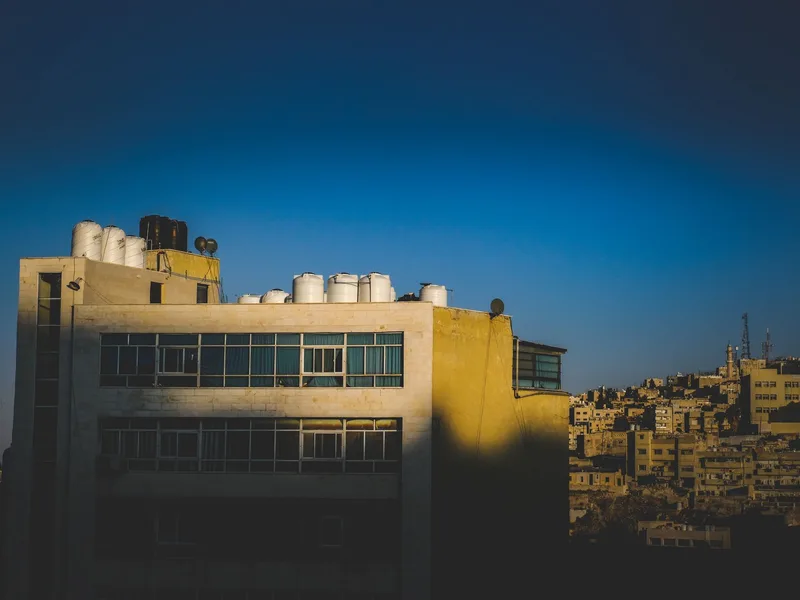
Light and heat
Slippery biofilm coats the inner walls, ceiling and pipe entries, harbouring bacterial and fungal colonies.
The lining and any cracking
Open roof tanks collect contamination from bird droppings, insects, dust and desert sand blown from outside.
The lid and the openings
Distant taps and slow drains create zones of standing water and secondary contamination if deep cleaning is skipped.

What shows up at the tap
Intense heat from the high ground location and dark roof surfaces accelerates bacterial growth and water quality decay.
How we work
-
1
Inspect and record the condition
We open the hatch and work through what the tank is made of and how big it is, how deep the sediment lies, the state of the lining, whether the lid and the overflow seal, and whether there is a crack that has to be repaired before any sterilizing.
-
2
Drain and lift the sediment out
The water goes out, then the silt and sand are lifted off the floor by suction rather than pushed toward the outlet, because pushing them sends them into the house pipework and the heater.
-
3
High pressure wash
Walls, floor, corners and the area around the outlet, until the slime film is completely gone. This is the step that makes the sterilizing after it mean anything.
-
4
Sterilize, rinse, then return to service
The sterilizing agent goes onto the walls, the floor and the underside of the lid and is left for its contact time, then we rinse, refill and run the furthest tap until the whole line is clear.
What water tank sterilization includes
-

A recorded inspection
Material, capacity, sediment depth, the state of the lining, the lid and the overflow, all before any work begins.
-

Draining and sediment removal
The water out, and the silt and sand lifted off the floor instead of being pushed into the outlet and the house pipework.
-

High pressure washing
Walls, corners and around the outlet, until the biofilm that no disinfectant penetrates has gone.
-
Sterilizing the internal surfaces
A sterilizing agent meant for drinking water tanks, applied to the walls, the floor and the underside of the lid, and left for its contact time.
-

Line flush and aftercare
Rinse, refill and a flush from the furthest tap, when the water is usable again, and what to change in the filter afterwards.
-

The next cycle
We agree the right interval for your tank from how it is filled, how much sun it takes and the condition of the lid.
What is different about Al Aziziyah (Makkah) Sub-Municipality
Al Aziziyah sub municipality runs from the Bin Dawood markets to the Al Hada road and carries pilgrim traffic to Mina. Hotel towers and furnished apartment blocks fill and empty with the Hajj and Ramadan seasons, and the kitchens, restaurants and markets along Al Masjid Al Haram Road and King Abdulaziz Road leave food waste at every peak. Southwards the fabric loosens into villas and planned streets in An Naseem and Al Awali, then Al Abidiyah's campus and the old farms of Al Husayniyah, where Wadi Uranah holds water after rain and farm enclosures shelter rodents and reptiles.
Questions about this district
Why does white scale form so quickly in Al Awali tanks?
Jeddah water is very hard and mineral-rich. Open roof tanks face intense heat that accelerates precipitation.
Is annual cleaning enough or do we need more often?
In Al Awali, because of hard water, twice-yearly cleaning is better, especially after the hot summer months.
How does high heat affect the tank?
Heat accelerates biofilm growth, increases scale formation, and degrades water quality during storage.
Is chemical disinfection alone enough or do we need mechanical scrubbing first?
Chemical alone is not enough. Hard mineral scale needs high-pressure washing first, then disinfection.
Do tank filters reduce mineral scale buildup?
Filters catch large debris but do not remove dissolved minerals. Scale forms despite filters.
Do newly installed villa tanks need sterilization?
Yes. Even new tanks need cleaning and disinfection before first use to remove construction dust and greases.
How much does water tank sterilization in Al Awali cost?
It is set after the inspection, because the price follows the type of infestation, the size of the space, how far it has spread and the number of visits it needs. Send a photo and a description on WhatsApp and we will give you an estimate before we reach Al Awali.
Nearby districts we cover
Other services in Al Awali
Other services we provide to residents of Al Awali.
-
 Water tanks
Water tank cleaning
-
 Water tanks
Water tank sealing
-
 Water tanks
Tank leak repair
-
 Residential
Cockroach control
Need water tank sterilization in Al Awali? Tell us what you saw and we will tell you what it needs
We reach Al Awali at a time we agree, and you get the full cost before we start.