
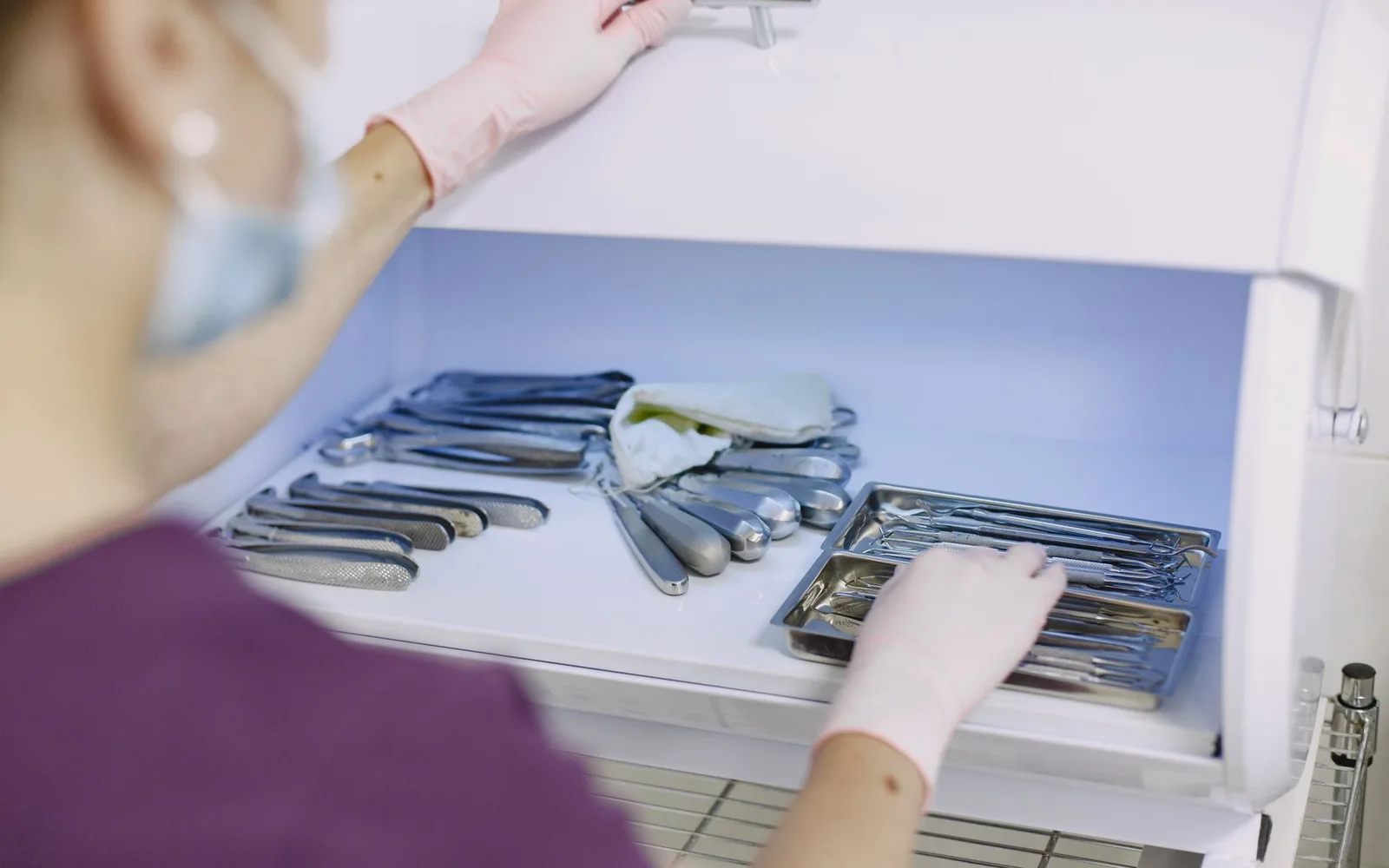
Water tank sterilization in East Al Baghdadiyah Jeddah
East Al Baghdadiyah is one of the first quarters built outside the old Jeddah wall, with dense apartment buildings, hotels and furnished flats. Tanks here face very high water consumption from hotels, restaurants and guests. High groundwater moisture and old soil beneath foundations affect water quality from the well.
-
Potable-rated materials
Linings and disinfectants cleared for drinking water tanks, not general-purpose products.
-
You get the downtime first
How many hours the tank is out of service, told before we start rather than after we finish.
-
A first-draw flush
We run the first draw off after refilling, and the tank is not handed back until the water runs clear.
-
Ground and roof tanks
Villas, apartment blocks and premises that need a written record of each visit.
Why the job is different in East Al Baghdadiyah
Buildings here are fifty years old or more, and tanks are old and often leak from high groundwater pressure. The method is set out in full on our Water tank sterilization service.
High consumption from hotels and restaurants
Hotels and restaurants in the quarter consume large volumes of water around the clock. Relatively small tanks face constant high pressure, and sediment and algae accumulate rapidly.
Old tanks and leaks from groundwater
Concrete tanks here crack under pressure and heat. High groundwater seeps through cracks, introducing soil and germs into the water.
Poor ventilation and pollution from narrow lanes
The quarter is very dense, lanes are narrow and roof spaces sit close to ground level. Stagnant air and dust from narrow streets enter tanks easily.
The character of East Al Baghdadiyah
Commercial area: offices, showrooms and small stores
A dense old commercial quarter means tanks are usually old and squeezed into tight, low-lying spaces. Treatment must account for weak old tanks, high groundwater pressure and heavy consumption from hotels and restaurants.
What we read inside the tank before anything starts
An old commercial quarter north of Al Balad along Madinah Road, with apartment buildings, hotels and shops, sitting above the Al Manqabah stone quarry.
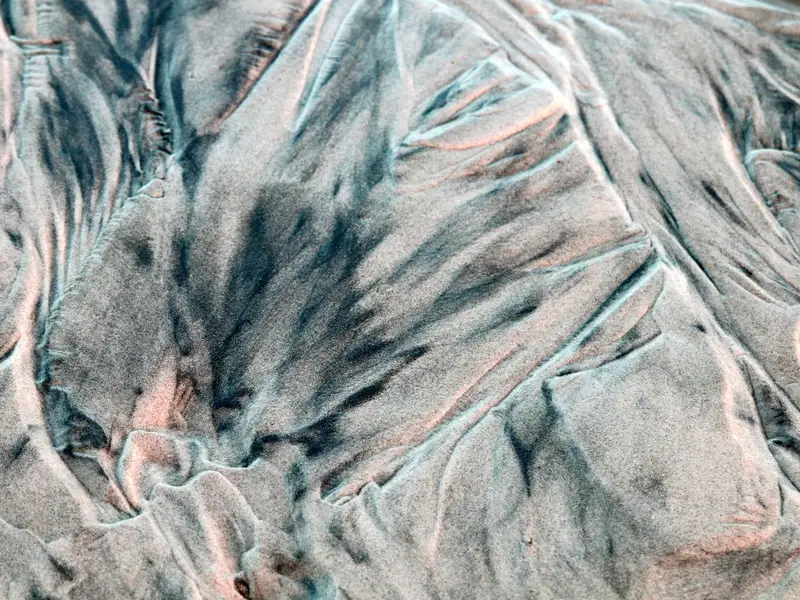
Sediment on the floor
Iron and salt sediment accumulates fast in tanks because the old well carries heavy minerals from deep soil.
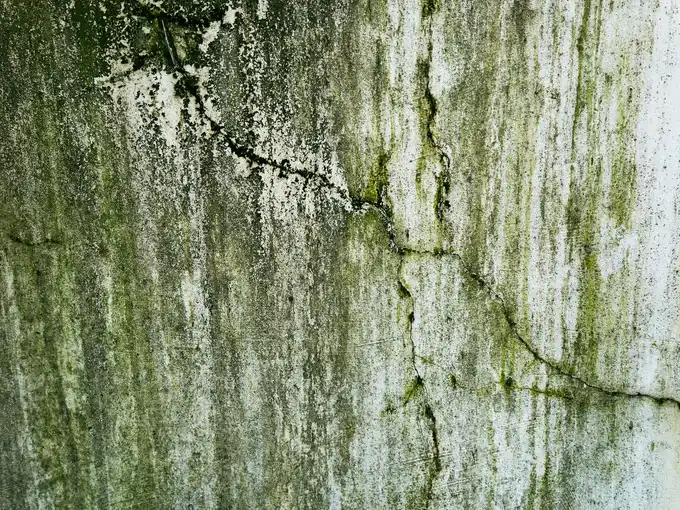
The slime film on the wall
Brown and black algae grow in tanks because high humidity and still water create ideal conditions.
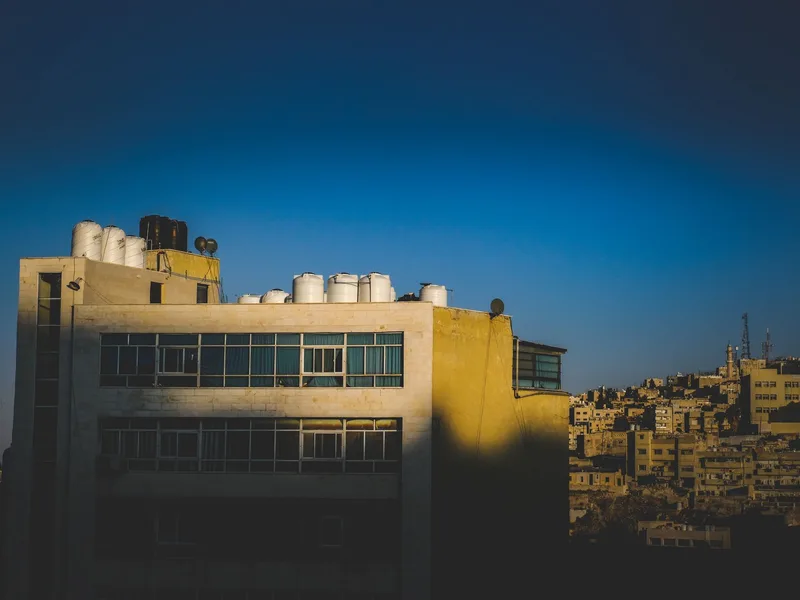
Light and heat
Flushing lines from distant taps is essential in hotels because intermittent consumption causes stagnation and buildup.
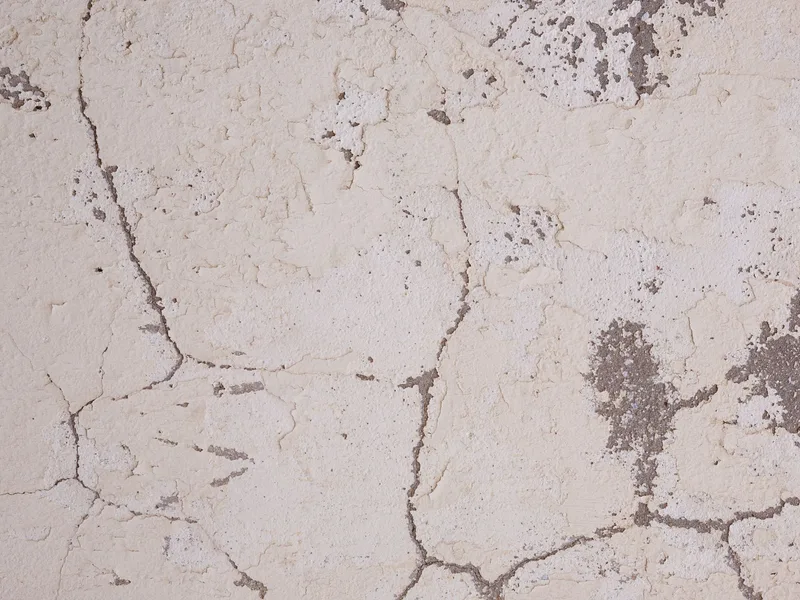
The lining and any cracking
High groundwater around the tank causes contaminated water entry from soil, especially during wet seasons.
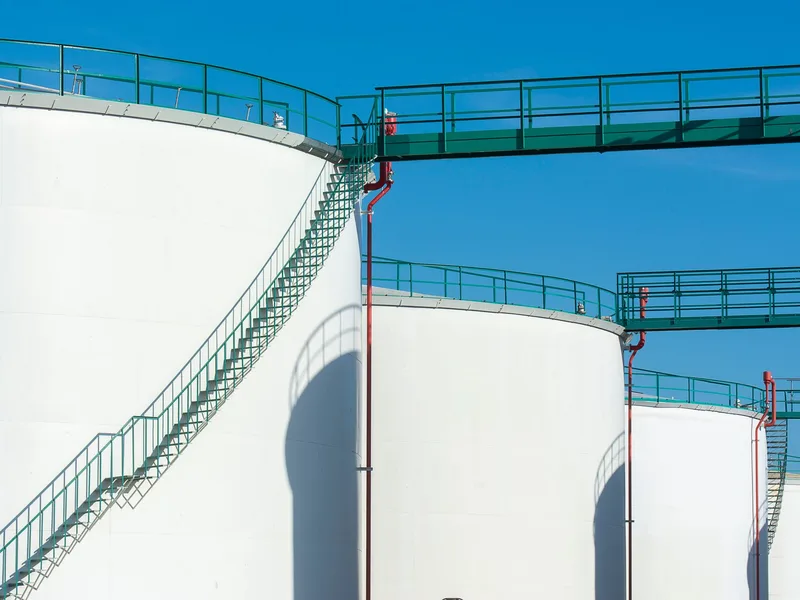
The lid and the openings
Tanks are often in basement rooms or close to ground level because the quarter is dense with no space for elevated tanks.
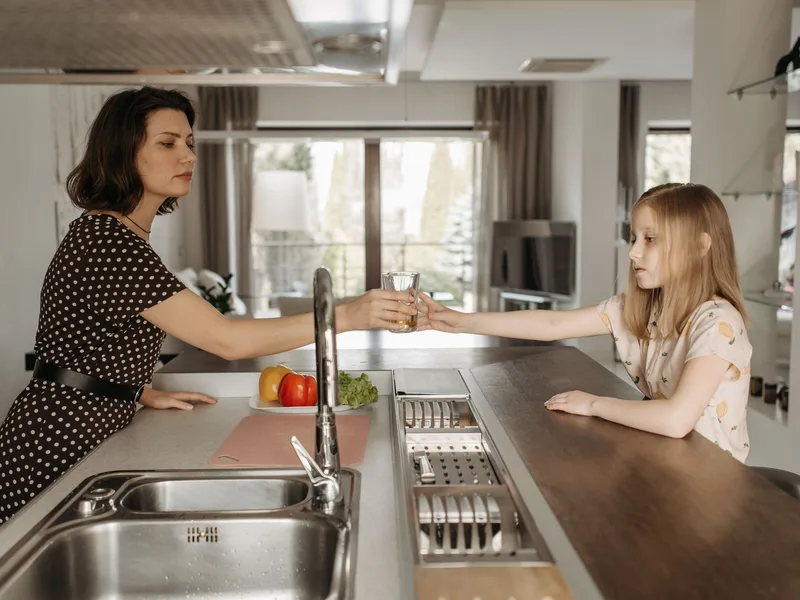
What shows up at the tap
Repeated cloudiness suggests the tank itself may be weak or cracked, not just sediment presence.
How we work
-
1
Inspect and record the condition
We open the hatch and work through what the tank is made of and how big it is, how deep the sediment lies, the state of the lining, whether the lid and the overflow seal, and whether there is a crack that has to be repaired before any sterilizing.
-
2
Drain and lift the sediment out
The water goes out, then the silt and sand are lifted off the floor by suction rather than pushed toward the outlet, because pushing them sends them into the house pipework and the heater.
-
3
High pressure wash
Walls, floor, corners and the area around the outlet, until the slime film is completely gone. This is the step that makes the sterilizing after it mean anything.
-
4
Sterilize, rinse, then return to service
The sterilizing agent goes onto the walls, the floor and the underside of the lid and is left for its contact time, then we rinse, refill and run the furthest tap until the whole line is clear.
What water tank sterilization includes
-

A recorded inspection
Material, capacity, sediment depth, the state of the lining, the lid and the overflow, all before any work begins.
-

Draining and sediment removal
The water out, and the silt and sand lifted off the floor instead of being pushed into the outlet and the house pipework.
-

High pressure washing
Walls, corners and around the outlet, until the biofilm that no disinfectant penetrates has gone.
-
Sterilizing the internal surfaces
A sterilizing agent meant for drinking water tanks, applied to the walls, the floor and the underside of the lid, and left for its contact time.
-

Line flush and aftercare
Rinse, refill and a flush from the furthest tap, when the water is usable again, and what to change in the filter afterwards.
-

The next cycle
We agree the right interval for your tank from how it is filled, how much sun it takes and the condition of the lid.
What is different about Al Balad Sub-Municipality
Al Balad sub municipality covers the historic core of Jeddah and the districts that first grew outside its wall. Its building stock is the oldest in the city: heritage stone houses and apartment blocks from past decades, threaded with hotels, shops and crowded popular markets around Bab Makkah, Bab Sharif and the Kandarah Souq. Nearness to the sea, the Islamic Port and the Arbaeen lagoon keeps humidity high all year, water and drainage networks are old, and narrow lanes, dense eateries and commercial storerooms put food and shelter within reach at every corner.
Questions about this district
Why does hotel water look cloudy one day after cleaning?
High consumption causes rapid water turnover and new sediment accumulates. The old tank may be weak and allow groundwater seepage.
Is tank cleaning enough or is the soil beneath the quarter contaminated?
Deep cleaning improves water quality. But if groundwater seeps in, you may also need to seal cracks in the tank.
How often must hotel tanks be disinfected?
Hotels need monthly disinfection at minimum due to high consumption and constant moisture from bathrooms and kitchens.
Would a new tank solve groundwater contamination?
A new sealed tank reduces seepage entry. But if groundwater remains high, you may need added insulation below the foundation.
Is water from the well in this quarter contaminated from the start?
The old well in the quarter sits near the quarry and deep soil. It may carry rust and mineral particles, so disinfection is essential.
What is the difference between cleaning and disinfection in a hotel?
Cleaning removes visible sediment. Disinfection kills invisible bacteria and viruses, and is essential for hotels and high-consumption settings.
How much does water tank sterilization in East Al Baghdadiyah cost?
It is set after the inspection, because the price follows the type of infestation, the size of the space, how far it has spread and the number of visits it needs. Send a photo and a description on WhatsApp and we will give you an estimate before we reach East Al Baghdadiyah.
Nearby districts we cover
Other services in East Al Baghdadiyah
Other services we provide to residents of East Al Baghdadiyah.
-
 Water tanks
Water tank cleaning
-
 Water tanks
Water tank sealing
-
 Water tanks
Tank leak repair
-
 Residential
Cockroach control
Need water tank sterilization in East Al Baghdadiyah? Tell us what you saw and we will tell you what it needs
We reach East Al Baghdadiyah at a time we agree, and you get the full cost before we start.