
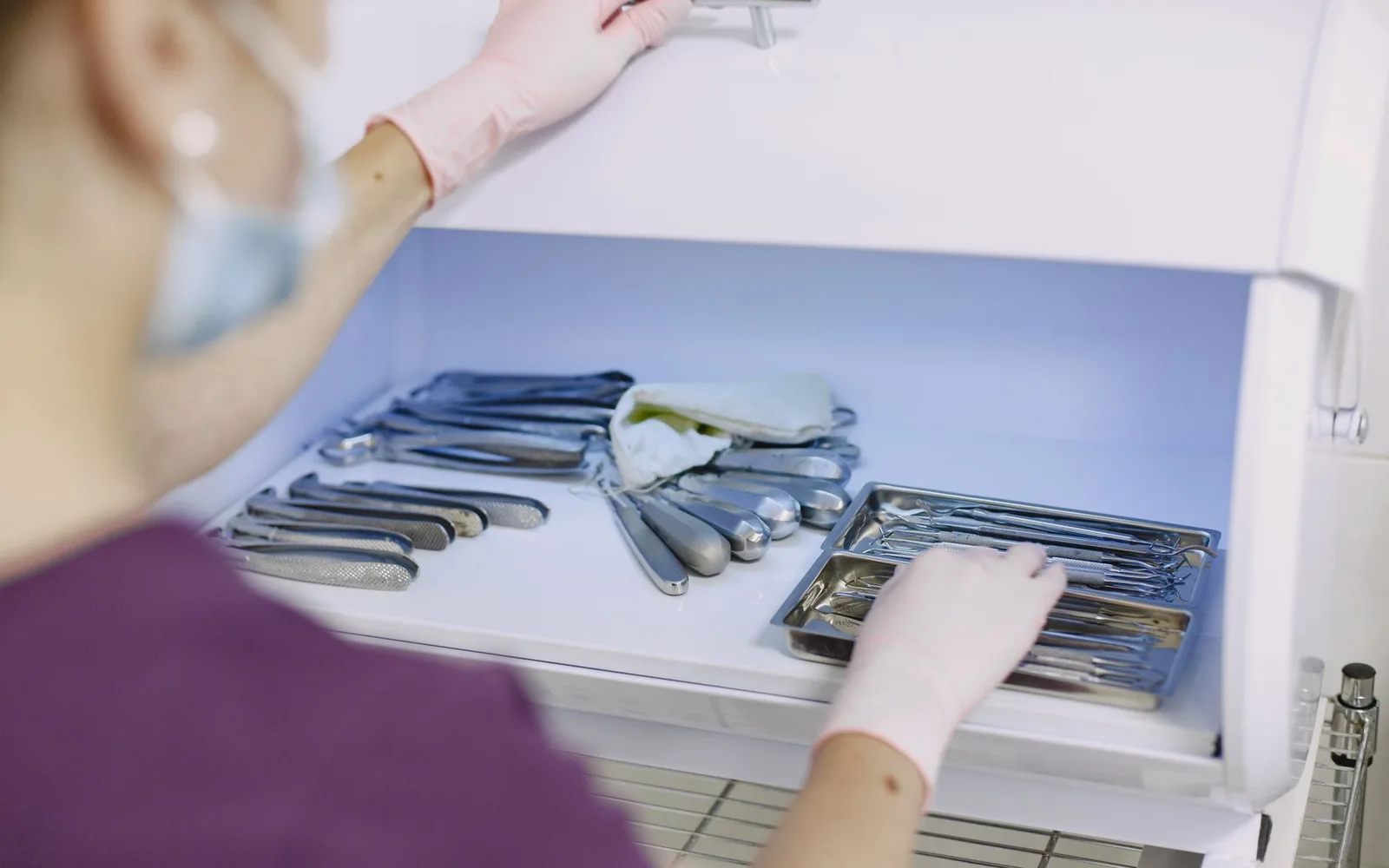
Water tank sterilization in Mughammas Makkah
Mughammas is an open industrial area on the eastern edge of Al Sharai, with warehouses and exposed land. Water tanks at warehouses and workshops face dust and sand from Wadi Al Mughammas and bare ground. Accumulated sand and dust accelerate mud formation in tanks, and water becomes cloudy and unsuitable for drinking and industrial use. Sterilization here focuses on removing mud and sediment under high pressure before disinfection.
-
Potable-rated materials
Linings and disinfectants cleared for drinking water tanks, not general-purpose products.
-
You get the downtime first
How many hours the tank is out of service, told before we start rather than after we finish.
-
A first-draw flush
We run the first draw off after refilling, and the tank is not handed back until the water runs clear.
-
Ground and roof tanks
Villas, apartment blocks and premises that need a written record of each visit.
Why the job is different in Mughammas
Dust and sand from bare soil and the wadi settle constantly in warehouse tanks, especially after dry spells and strong winds. The method is set out in full on the full Water tank sterilization page.
Dust and sand from the wadi and exposed ground
The wadi brings sand and dust into warehouse tanks, especially in summer and high winds. The area is open with no windbreak protection.
Old well intake pipes deliver heavy silt
Some warehouses draw water from old wells in the wadi. These wells bring more silt and impurities than the main distribution network.
Seasonal floods deposit contaminated water
Wadi Al Mughammas and Al Wadi Al Akhdar overflow in heavy rain periods. Floodwater enters ground and elevated tanks, carrying large volumes of silt and debris.
The character of Mughammas
Industrial area: workshops, warehouses and loading yards
An open industrial area means continuous exposure to dust, sand and flooding. Warehouse tanks need strong mechanical sand and silt removal before sterilization. Treatment focuses on high-pressure washing and intensive scrubbing because mineral and sand contamination is the core problem.
What we read inside the tank before anything starts
An industrial zone on the eastern fringe of Al Sharai, named after Wadi Al Mughammas, today known as Al Wadi Al Akhdar. The district is hemmed by Al Tariqi and Al Khatm hills, and is bordered by Al Rashidiyah and Al Kawthar to the south and west.
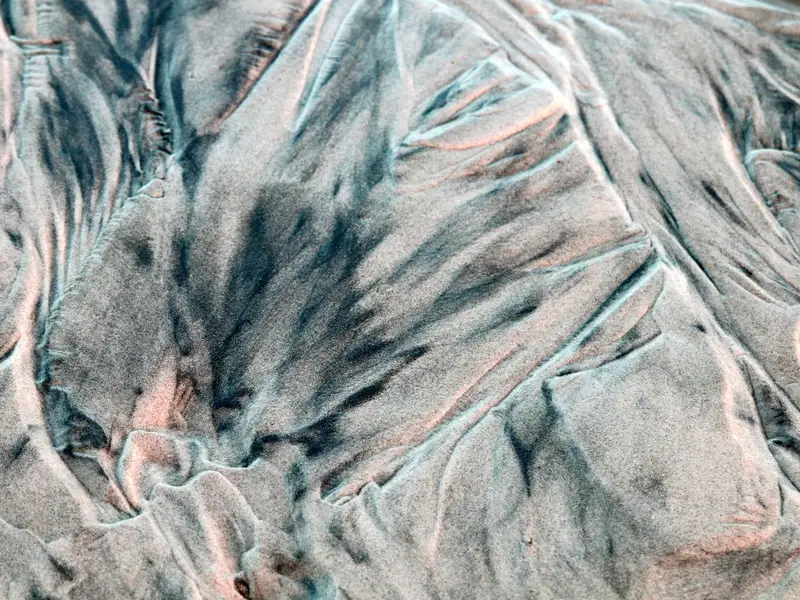
Sediment on the floor
Mineral deposits, sand and silt accumulate from airborne dust, exposed soil and seasonal floodwater.
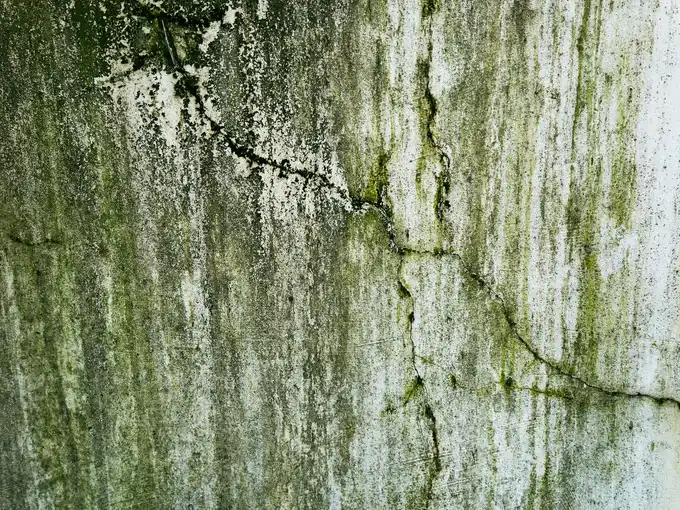
The slime film on the wall
Biofilm grows on accumulated sand and silt in the tank base, accelerating water degradation.
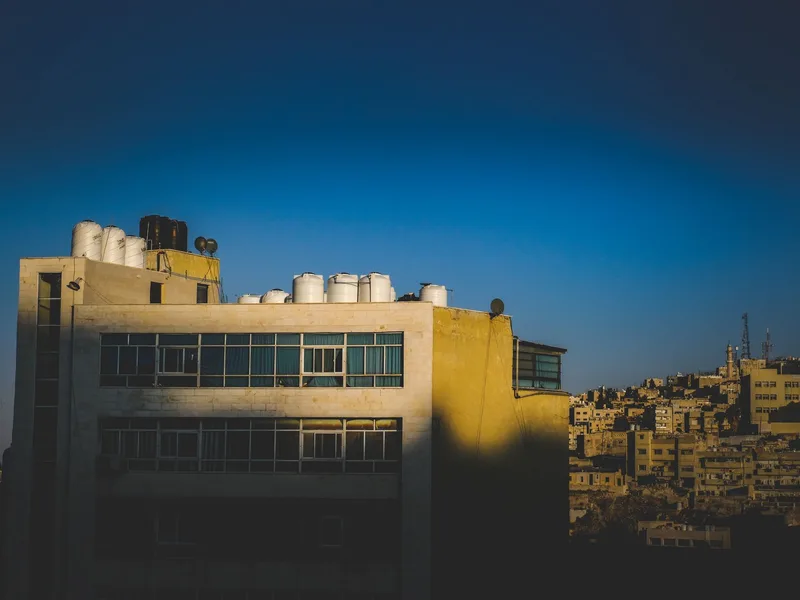
Light and heat
Intake lines from old wells and discharge lines carry sand buildup requiring separate cleaning.
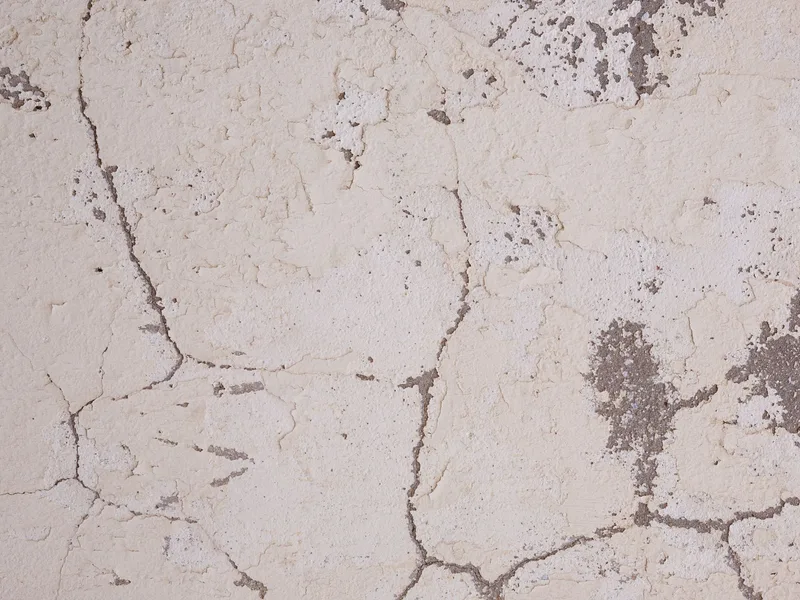
The lining and any cracking
Moisture and stagnant water mixed with sand provide ideal conditions for bacterial growth.
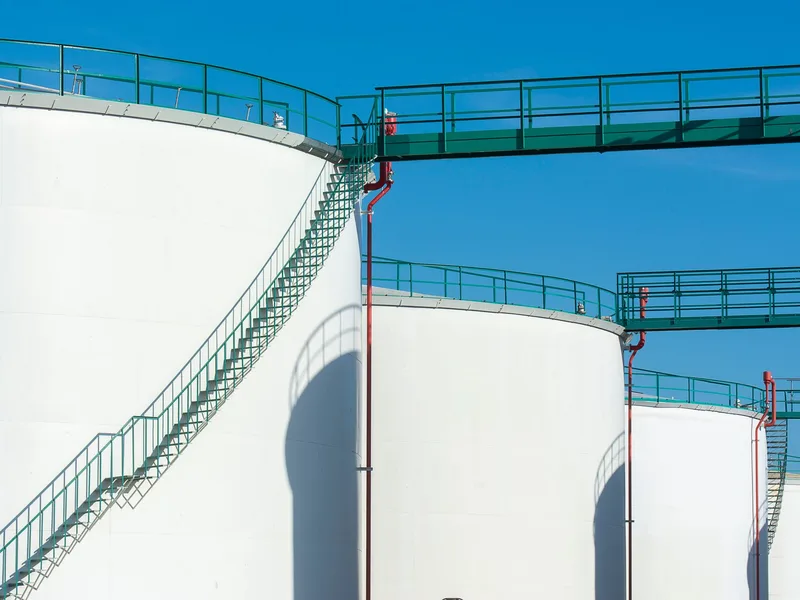
The lid and the openings
Silt and sand accumulations form on the tank floor and in corners, especially after floods.

What shows up at the tap
Cloudy water with earthy smell signals heavy sand and silt presence, and high-pressure washing must precede sterilization.
How we work
-
1
Inspect and record the condition
We open the hatch and work through what the tank is made of and how big it is, how deep the sediment lies, the state of the lining, whether the lid and the overflow seal, and whether there is a crack that has to be repaired before any sterilizing.
-
2
Drain and lift the sediment out
The water goes out, then the silt and sand are lifted off the floor by suction rather than pushed toward the outlet, because pushing them sends them into the house pipework and the heater.
-
3
High pressure wash
Walls, floor, corners and the area around the outlet, until the slime film is completely gone. This is the step that makes the sterilizing after it mean anything.
-
4
Sterilize, rinse, then return to service
The sterilizing agent goes onto the walls, the floor and the underside of the lid and is left for its contact time, then we rinse, refill and run the furthest tap until the whole line is clear.
What water tank sterilization includes
-

A recorded inspection
Material, capacity, sediment depth, the state of the lining, the lid and the overflow, all before any work begins.
-

Draining and sediment removal
The water out, and the silt and sand lifted off the floor instead of being pushed into the outlet and the house pipework.
-

High pressure washing
Walls, corners and around the outlet, until the biofilm that no disinfectant penetrates has gone.
-
Sterilizing the internal surfaces
A sterilizing agent meant for drinking water tanks, applied to the walls, the floor and the underside of the lid, and left for its contact time.
-

Line flush and aftercare
Rinse, refill and a flush from the furthest tap, when the water is usable again, and what to change in the filter afterwards.
-

The next cycle
We agree the right interval for your tank from how it is filled, how much sun it takes and the condition of the lid.
What is different about Al Sharai Sub-Municipality
Al Sharai is the eastern growth front of Makkah along King Faisal Road and the Taif road. Settled quarters sit beside recently renamed schemes where plots are still vacant and buildings are going up, so construction sites, fill and open excavations lie next to occupied homes. Wadi channels such as Wadi Mudarraja, Wadi Al Sharai and Wadi Al Mughammas carry flash floods after rain and dry out to damp silt, while dust blows off the open hills. Roadside shops, restaurants and warehouses line the Taif road, and to the east the area shades into villages, palm farms and springs.
Questions about this district
Why does water in warehouses turn cloudy so quickly?
The area is open and dust and sand settle from air and soil. Old well intake pipes and seasonal floods also bring heavy silt loads.
Does sterilization solve sand and silt problems?
Sterilization kills bacteria, but sand and silt require mechanical removal by strong washing before disinfection. Without removing sand, sterilization alone will not be effective.
How do warehouse tanks differ from domestic tanks?
Warehouse tanks are larger and sometimes draw from old wells. Silt and sediment are heavier because the area is exposed and floods affect it.
Is one treatment enough for a warehouse using water heavily?
It depends on daily usage volume. Heavy daily use may require treatment every three months instead of annually.
How do we protect a tank from floods and contaminated floodwater?
We ensure the tank sits above the expected flood level. We add a filter layer and protective screen on intake openings.
Do old wadi wells always affect water quality?
Yes, old wells in the wadi often bring heavy silt and trace minerals. If possible, we recommend drawing only from the main distribution network.
How much does water tank sterilization in Mughammas cost?
It is set after the inspection, because the price follows the type of infestation, the size of the space, how far it has spread and the number of visits it needs. Send a photo and a description on WhatsApp and we will give you an estimate before we reach Mughammas.
Nearby districts we cover
Other services in Mughammas
Other services we provide to residents of Mughammas.
-
 Water tanks
Water tank cleaning
-
 Water tanks
Water tank sealing
-
 Water tanks
Tank leak repair
-
 Residential
Cockroach control
Need water tank sterilization in Mughammas? Tell us what you saw and we will tell you what it needs
We reach Mughammas at a time we agree, and you get the full cost before we start.