

Annual contracts in Al Taysir Makkah
Al Taysir is a multi storey district west of the Grand Mosque with apartment blocks and hotel towers for Umrah visitors, where shared entries, narrow passages and constant guest movement make monitoring difficult. The annual contract places numbered monitoring points along entry routes and common passages, with monthly reports tracking activity before infestations reach individual flats.
-
Targeted, not broadcast
Product goes into cracks and runways, never sprayed across open surfaces.
-
Told before we start
What we will use, where it goes, and what to cover or move before we arrive.
-
A follow-up visit
We return after the first treatment, because what survives it does not show on the day.
-
Homes and businesses
Apartments and villas, and kitchens and stores that need a record of each visit.
Why they keep coming back in Al Taysir
Guests change constantly and cleanliness depends on the cooperation of new arrivals. Pests enter with luggage and clothing and settle in shared passages. Individual flat efforts fail when neighbours are unprotected. Fixed monitoring in common zones is the only effective approach. The method is set out in full on Annual contracts in detail.
Shared entries and passages expose every flat to pests from adjoining units
Flat 201 and flat 205 share the same stairwell, passage and rooftop tank. If one is unprotected, insects migrate to the other through common paths. The annual contract monitors all shared passages with numbered points, not just one flat at a time. Monthly reports show exactly where pests are entering.
Guests arrive and depart with luggage and infestations
A new guest may carry insect eggs in their suitcase from another stopover or hotel. Used clothing and old textiles hide live infestations. The building receives dozens of new arrivals each day. The contract focuses on reception zones and passages where luggage sits and goods accumulate before being taken upstairs.
High roof tanks and dark narrow passages are insect sanctuaries
Rooftop water tanks leak easily and passages between floors are tight, damp and warm. Insects colonise these spaces rapidly and stay hidden. Numbered points along passages, tanks and high vents track all this activity continuously.
Landmarks of Al Taysir
Flats and hotels along Al Taysir Street are close to Umm Al Qura Road and King Abdulaziz Hospital, major thoroughfares that attract pests from outside the district. Numbered monitoring points are placed on passages that connect the internal street to these main roads so insects arriving from traffic and surrounding areas are intercepted before they enter the building.
- Al Taysir Street
- Umm Al Qura Road
- King Abdulaziz Hospital
- The Grand Mosque
What sets the shape of the contract
The zone is densely built with high resident turnover. Pilgrims and residents mix in the same buildings, creating constant traffic. The humid and warm air flowing from the Grand Mosque and busy streets keeps insect activity elevated and continuous.
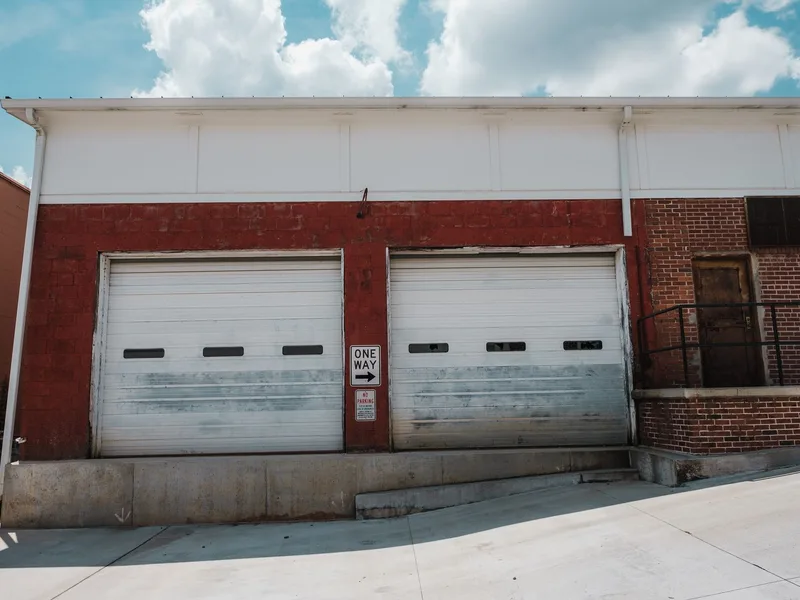
The goods-in door
The reception door in the hotel and residential section is the first entry point for pests carried in luggage and clothing, and the contract places a numbered monitoring point there to intercept insects before they spread through the common passages.
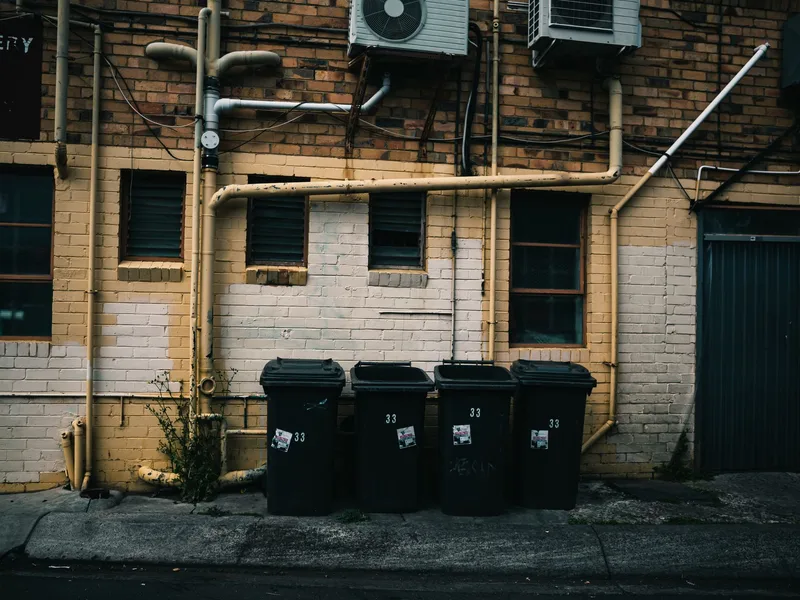
The waste area
The waste area in a multi storey building is complex because of high density, so points are positioned near refuse skips and corners where leftovers and abandoned bags collect and decompose quickly.
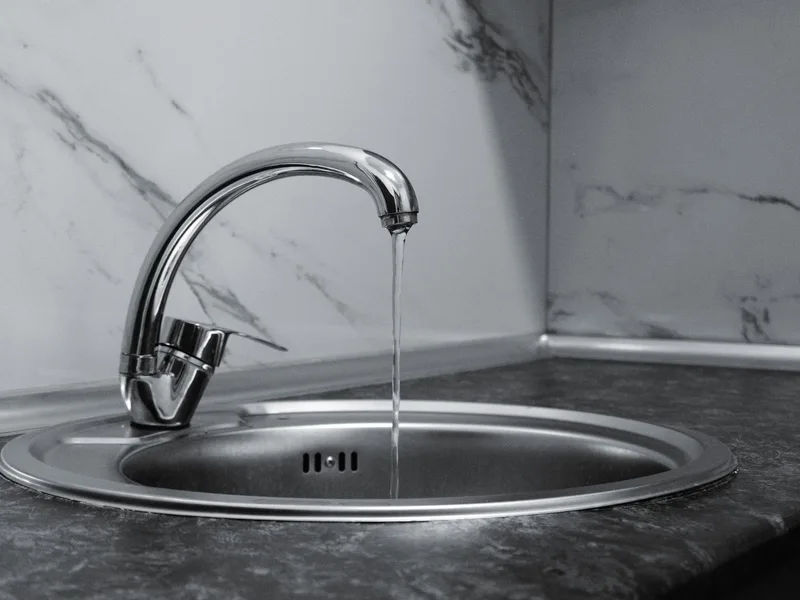
Drains and grease traps
Drains from dozens of flats converge on shared lines, and the contract places sealed traps on main drains and high level roof openings so pests cannot climb from the sewer into the building.
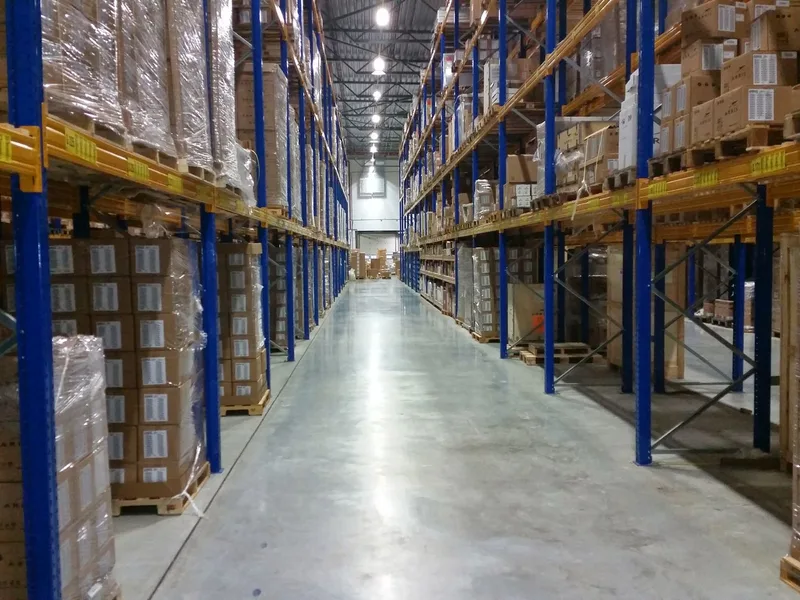
Dry store and pallets
Dry stores and food storage in the hotel-residential mix may be separated, but monitoring points are placed in both because constant movement and moisture accumulation under high ceilings create ideal conditions for rapid breeding.
Fixed, numbered points
Numbered points are distributed along common passages: floor passages, side passages, high vents and rooftop tanks, so every insect movement in shared zones is visible on the record.

The file itself
The file holds a building floor plan marking passages, tanks, vents and the location of every monitoring point by number, and monthly reports show which floors and zones recorded activity and the type of insect found.
How we work
-
1
Survey and risk assessment
We walk the building from the goods-in door through preparation, stores and washrooms, and record the species pressure, the entry routes, the moisture and which areas carry which level of risk.
-
2
The plan, the map and the frequency
We number the monitoring positions on a plan of the site, agree the visit frequency from what each area handles and how open the building is, and agree who receives and signs the report.
-
3
The scheduled visits
Every visit reads the same route, point by point, records the reading even when it is nil, and treats the area the reading calls for rather than the whole building.
-
4
Review and reading the trend
We read the visits together rather than one at a time: where the readings climbed, which corrective actions are still open, and whether an area needs more points or closer visits.
What the annual contract includes
-

Opening survey and site plan
A walk that fixes the risk areas and the entry routes, and a plan with the monitoring positions numbered before anything is installed.
-

Numbered monitoring points
Fixed positions on a set route, opened, read and logged every visit, and replaced when damaged.
-

Targeted treatment when called for
On the cracks, junctions and service areas the reading points to, and outside operating hours where that is needed.
-

Drains and waste areas
Floor gullies, grease traps and the ground around the containers on every visit, because that is the source that renews itself.
-

Report and corrective actions
After every visit: what was found, what was applied and where, and what the site needs to fix, such as a door gap or a missing drain cover.
-

Scheduled visits and visits in between
A schedule agreed in the contract, plus a visit when activity appears between two dates, logged like any other.
What is different about Al Ghazza Sub-Municipality
Al Ghazza sub municipality wraps around the north and west of the Grand Mosque, from Al Shamiyah, Al Qararah and Shaib Amir round to Jarwal and Al Taysir. Large tracts were cleared for the northern expansion and the Rua Al Haram scheme, leaving excavated ground and open construction sites beside ageing blocks that now serve as dense seasonal lodgings in Jarwal and Al Taysir. Old flood paths still fall from Jabal Qaiqaan and Jabal Khandamah towards the mosque, and markets and eateries crowd Al Masjid Al Haram Road and Umm Al Qura Road.
Questions about this district
The building has both hotel rooms and residential flats. Can one contract cover both?
No. Hotels and residential flats need different schedules. Hotels need closer visits because guests and luggage change daily. Residential flats may need a longer interval. If they share the building, contracts must be coordinated and monitoring points must overlap on shared passages so insects cannot escape from one section to the other.
A new guest arrives every day. Can we control the cleanliness inside guest rooms?
Complete control of room hygiene is not possible. The contract focuses on passages and shared zones where insects congregate. The primary defence is preventing pests from reaching the rooms at all by sealing passages and entry points.
Will numbered monitoring points annoy guests?
Points are small and placed in passages and corners where guests do not notice them. They remain visible for service and maintenance but stay out of sight lines. Large hotels use these systems routinely.
Our old flats are cracked and leak. Can monitoring points reveal this?
Yes. Points are positioned on visible cracks and openings, and the report describes the state of the building's physical barriers. If cracks are extensive, we recommend urgent repair or closer visit intervals.
Will the report help prove that cleanliness is the hotel's responsibility?
The report shows what was found in the passages, common zones and shared areas. Low activity demonstrates control of the building. High activity may indicate gaps in internal procedures or staff compliance.
When do we add monitoring points if we expand the building upwards?
The contract is adjustable. If you add floors, we survey the new passages and openings, then add points as needed. Changes take effect at the next scheduled inspection.
How much does annual contracts in Al Taysir cost?
It is set after the inspection, because the price follows the type of infestation, the size of the space, how far it has spread and the number of visits it needs. Send a photo and a description on WhatsApp and we will give you an estimate before we reach Al Taysir.
Other services in Al Taysir
Other services we provide to residents of Al Taysir.
-
 Residential
Cockroach control
Residential
Cockroach control
-
 Residential
Bed bug control
Residential
Bed bug control
-
 Residential
Termite control
Residential
Termite control
-
 Residential
Rodents and mice
Residential
Rodents and mice
-
 Residential
Mosquito control
Residential
Mosquito control
-
 Residential
Fly control
Residential
Fly control
-
 Residential
Ant control
Residential
Ant control
-
 Residential
Gecko control
Residential
Gecko control
-
 Residential
Scorpion control
Residential
Scorpion control
-
 Residential
Snake control
Residential
Snake control
-
 Residential
Flea control
Residential
Flea control
-
 Residential
Bird and pigeon control
Residential
Bird and pigeon control
-
 Residential
Preventive treatment
Residential
Preventive treatment
-
 Residential
Disinfection
Residential
Disinfection
-
 Commercial
Restaurants and cafes
Commercial
Restaurants and cafes
-
 Commercial
Hotels and apartments
Commercial
Hotels and apartments
-
 Commercial
Warehouses and factories
Commercial
Warehouses and factories
-
 Commercial
Schools and nurseries
Commercial
Schools and nurseries
-
 Commercial
Retail and malls
Commercial
Retail and malls
-
 Commercial
Rest houses and farms
Commercial
Rest houses and farms
-
 Commercial
Fumigation
Commercial
Fumigation
-
 Water tanks
Water tank cleaning
Water tanks
Water tank cleaning
-
 Water tanks
Water tank sterilization
Water tanks
Water tank sterilization
-
 Water tanks
Water tank sealing
Water tanks
Water tank sealing
-
 Water tanks
Tank leak repair
Water tanks
Tank leak repair
Need annual contracts in Al Taysir? Tell us what you saw and we will tell you what it needs
We reach Al Taysir at a time we agree, and you get the full cost before we start.