

Annual contracts in Al Haram Makkah
Al Haram is a dense commercial zone wrapped around the Grand Mosque and hotel towers, alive every day with pilgrims and Umrah visitors, crowded markets and narrow passages between the high-rises and ageing buildings. The annual contract tracks fixed monitoring points across offices, showrooms and small storage areas in an environment that never closes and moves continuously through the year.
-
Targeted, not broadcast
Product goes into cracks and runways, never sprayed across open surfaces.
-
Told before we start
What we will use, where it goes, and what to cover or move before we arrive.
-
A follow-up visit
We return after the first treatment, because what survives it does not show on the day.
-
Homes and businesses
Apartments and villas, and kitchens and stores that need a record of each visit.
Why they keep coming back in Al Haram
Daily foot traffic from Umrah visitors and tourists means small offices and storage areas are constantly exposed to insects moving through shared corridors, open courtyards and the plazas surrounding the hotel towers. The method is set out in full on Annual contracts in detail.
Insects spread from food markets and adjacent restaurant kitchens
Crowded markets and restaurants along Al Masjid Al Haram Road and Umm Al Qura Road emit insects directly into neighbouring offices, showrooms and storage areas. Fixed monitoring points track pest leakage from these high-risk sources into commercial and office spaces daily, measuring pressure at shared walls and doors.
Aged buildings converted to dense seasonal residential lodging
Old residential blocks next to commercial storage and office spaces now serve thousands of seasonal Umrah visitors, meaning insects constantly move between rented flats and adjoining commercial areas. The contract monitors shared entry points, stairwells and passages that link residential and office floors.
Ancient flood channels and damp building foundations beneath towers
Old watercourses descend from Jabal Qaiqaan and Jabal Khandamah beneath office floors and storage areas. Standing water and damp ground under deep foundations create ideal breeding conditions. Monitoring points must track activity at drainage pipes, foundation seals and areas prone to seepage.
The character of Al Haram
Commercial area: offices, showrooms and small stores
A commercial zone around the Grand Mosque means offices and showrooms under constant threat from insects moving in from markets, restaurants and shared passages. The contract prioritises entry points from outside and shared spaces over large internal storage rooms.
What sets the shape of the contract
The area is ringed by Jabal Abu Qubais, Jabal Qaiqaan and Jabal Omar, with old flood watercourses descending towards the mosque, wet ground in construction seasons, and continuous building activity alongside decades-old infrastructure.
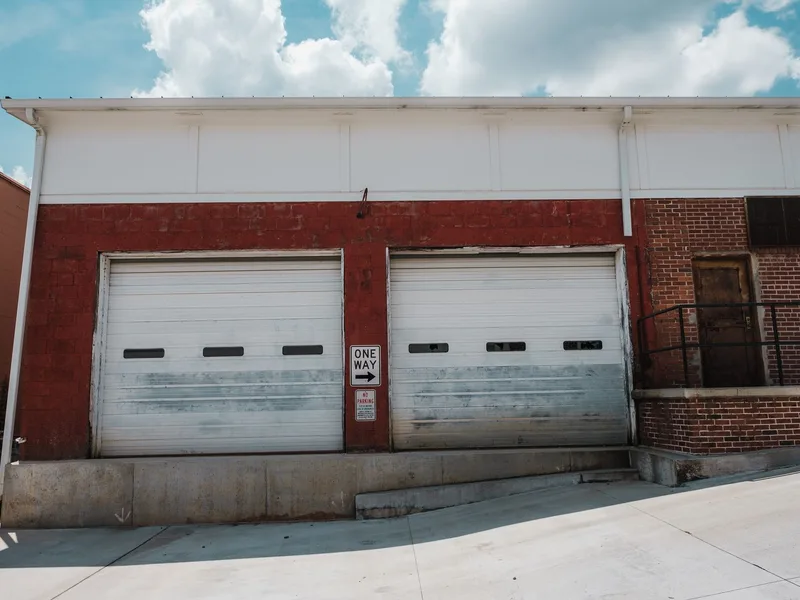
The goods-in door
The entrance to offices and showrooms opens directly onto shared passages and plazas, so the first fixed monitoring point sits right there to measure what enters from outside each day.
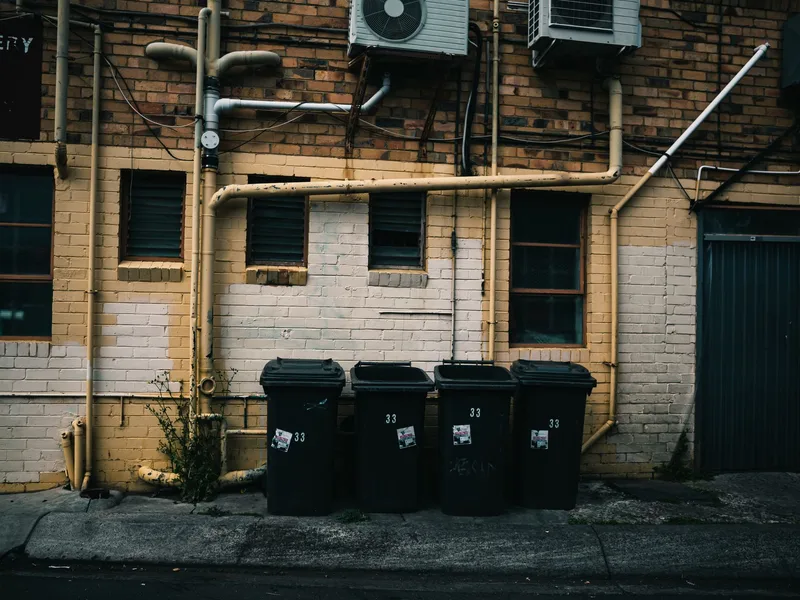
The waste area
Small storage areas often lack separate waste space. Rubbish bags pile in a corner or shared external passage. The second monitoring point sits right there, tracking the insects drawn to accumulated waste.
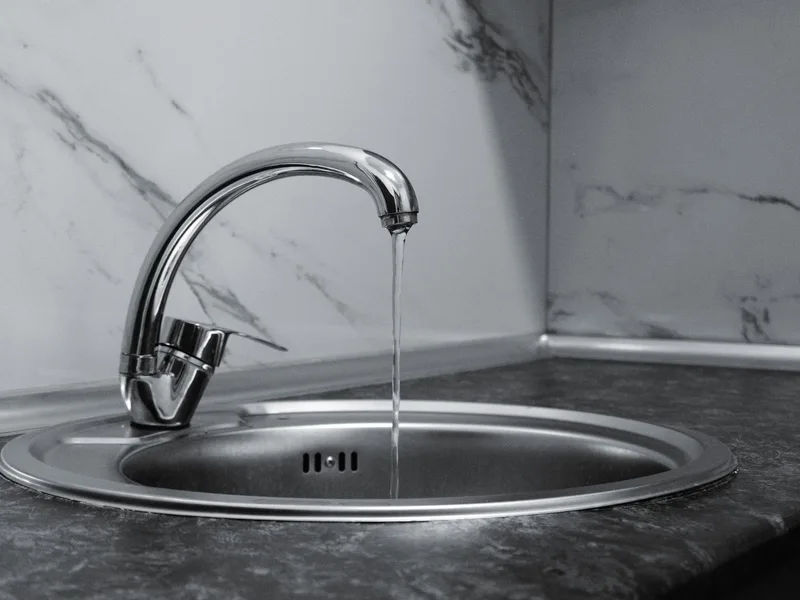
Drains and grease traps
Old shared drains running beneath floors are the main highway for insect movement between levels and buildings. Treatment targets grease traps and the pipes themselves to block transit routes.
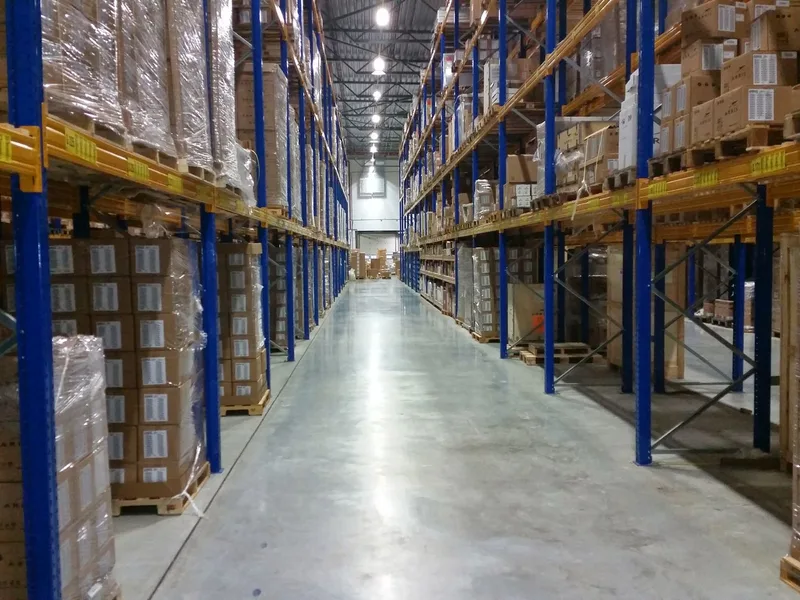
Dry store and pallets
Dry storage for offices and showrooms is often tiny, perhaps a corner shelf or under-stair cupboard. Pallets are rare, but if present the fixed point sits beside them to track pest activity.
Fixed, numbered points
Fixed points are placed at the office entrance, where the corridor opens to a plaza or courtyard, at any ventilation opening, and if there is a floor below, at its entrance as well.

The file itself
The file holds a numbered point map on a floor plan of the building, and a monthly report recording each point, read date, what was found and what was treated, suitable for inspection or audit.
How we work
-
1
Survey and risk assessment
We walk the building from the goods-in door through preparation, stores and washrooms, and record the species pressure, the entry routes, the moisture and which areas carry which level of risk.
-
2
The plan, the map and the frequency
We number the monitoring positions on a plan of the site, agree the visit frequency from what each area handles and how open the building is, and agree who receives and signs the report.
-
3
The scheduled visits
Every visit reads the same route, point by point, records the reading even when it is nil, and treats the area the reading calls for rather than the whole building.
-
4
Review and reading the trend
We read the visits together rather than one at a time: where the readings climbed, which corrective actions are still open, and whether an area needs more points or closer visits.
What the annual contract includes
-

Opening survey and site plan
A walk that fixes the risk areas and the entry routes, and a plan with the monitoring positions numbered before anything is installed.
-

Numbered monitoring points
Fixed positions on a set route, opened, read and logged every visit, and replaced when damaged.
-

Targeted treatment when called for
On the cracks, junctions and service areas the reading points to, and outside operating hours where that is needed.
-

Drains and waste areas
Floor gullies, grease traps and the ground around the containers on every visit, because that is the source that renews itself.
-

Report and corrective actions
After every visit: what was found, what was applied and where, and what the site needs to fix, such as a door gap or a missing drain cover.
-

Scheduled visits and visits in between
A schedule agreed in the contract, plus a visit when activity appears between two dates, logged like any other.
What is different about Al Ghazza Sub-Municipality
Al Ghazza sub municipality wraps around the north and west of the Grand Mosque, from Al Shamiyah, Al Qararah and Shaib Amir round to Jarwal and Al Taysir. Large tracts were cleared for the northern expansion and the Rua Al Haram scheme, leaving excavated ground and open construction sites beside ageing blocks that now serve as dense seasonal lodgings in Jarwal and Al Taysir. Old flood paths still fall from Jabal Qaiqaan and Jabal Khandamah towards the mosque, and markets and eateries crowd Al Masjid Al Haram Road and Umm Al Qura Road.
Questions about this district
Do rental offices and small showrooms need monitoring points on the outer walls too?
Yes. Open shopfronts facing courtyards and the narrow passages between towers are exposed to insects from the street and markets. External points placed at the office or showroom entrance measure activity before pests enter the interior.
Does the seasonal surge of Umrah visitors mean more frequent visits in peak season?
The contract maintains a fixed schedule of monitoring visits to the same numbered points. The report records differences in activity between seasons. If activity rises in peak months, treatments increase, but the visit schedule itself does not change.
Small spare-parts and decor stores need different handling than service offices?
Stores, showrooms and offices each sit at different points in the building. A storage room is monitored from below or the corner, an office from the corridor. Point locations differ but the calendar is one.
Does the report show which floor or office has the worst pest activity each month?
The report names each point by number, building and floor, recording what was found and what was treated. You can see which monitoring location shows concern from the first month onwards.
Shared plumbing between office spaces and flats above: does it mean constant pest migration?
Aged shared pipes are a highway for insects, and that is precisely what the fixed monitoring points track. Treatment targets entry points and pipe penetrations inside the walls themselves.
Can special treatment be added for damp storage rooms below plaza level?
Yes. If there is a basement or semi-sunken storage space, a monitoring point is added there and another at the nearby flood channel entrance. This is part of contract planning from the start.
How much does annual contracts in Al Haram cost?
It is set after the inspection, because the price follows the type of infestation, the size of the space, how far it has spread and the number of visits it needs. Send a photo and a description on WhatsApp and we will give you an estimate before we reach Al Haram.
Other services in Al Haram
Other services we provide to residents of Al Haram.
-
 Residential
Cockroach control
Residential
Cockroach control
-
 Residential
Bed bug control
Residential
Bed bug control
-
 Residential
Termite control
Residential
Termite control
-
 Residential
Rodents and mice
Residential
Rodents and mice
-
 Residential
Mosquito control
Residential
Mosquito control
-
 Residential
Fly control
Residential
Fly control
-
 Residential
Ant control
Residential
Ant control
-
 Residential
Gecko control
Residential
Gecko control
-
 Residential
Scorpion control
Residential
Scorpion control
-
 Residential
Snake control
Residential
Snake control
-
 Residential
Flea control
Residential
Flea control
-
 Residential
Bird and pigeon control
Residential
Bird and pigeon control
-
 Residential
Preventive treatment
Residential
Preventive treatment
-
 Residential
Disinfection
Residential
Disinfection
-
 Commercial
Restaurants and cafes
Commercial
Restaurants and cafes
-
 Commercial
Hotels and apartments
Commercial
Hotels and apartments
-
 Commercial
Warehouses and factories
Commercial
Warehouses and factories
-
 Commercial
Schools and nurseries
Commercial
Schools and nurseries
-
 Commercial
Retail and malls
Commercial
Retail and malls
-
 Commercial
Rest houses and farms
Commercial
Rest houses and farms
-
 Commercial
Fumigation
Commercial
Fumigation
-
 Water tanks
Water tank cleaning
Water tanks
Water tank cleaning
-
 Water tanks
Water tank sterilization
Water tanks
Water tank sterilization
-
 Water tanks
Water tank sealing
Water tanks
Water tank sealing
-
 Water tanks
Tank leak repair
Water tanks
Tank leak repair
Need annual contracts in Al Haram? Tell us what you saw and we will tell you what it needs
We reach Al Haram at a time we agree, and you get the full cost before we start.