

Annual contracts in Qurtubah Makkah
Qurtubah is an industrial northern district on Al Hajj Street at the third ring road, dominated by large workshops, warehouses and loading yards. The nearby Al Dawas and Souq Al Hijaz markets generate constant goods movement and waste streams that attract heavy pest pressure. The annual contract places numbered monitoring points on access routes, yards and warehouse floors, with weekly reports protecting stock from infestation.
-
Targeted, not broadcast
Product goes into cracks and runways, never sprayed across open surfaces.
-
Told before we start
What we will use, where it goes, and what to cover or move before we arrive.
-
A follow-up visit
We return after the first treatment, because what survives it does not show on the day.
-
Homes and businesses
Apartments and villas, and kitchens and stores that need a record of each visit.
Why they keep coming back in Qurtubah
Al Hajj Street moves constantly with delivery vehicles, goods in motion and unloading activity. Insects do not remain in single warehouses but migrate between shops, markets and adjoining storage areas. Numbered points record this constant daily movement and pressure across the industrial zone. The method is set out in full on Annual contracts in detail.
The old markets nearby are an inexhaustible source of pests
Al Dawas and Souq Al Hijaz are old, dense and unregulated. Waste accumulates and insects breed freely in them. Air, dust and flying insects drift from the markets into adjoining workshops and warehouses. The annual contract focuses on the boundary zones between market and workshop and deploys strong monitoring barriers there.
Al Hajj Street and the third ring road are open corridors bringing pests from outside
These are wide exposed thoroughfares with no barriers. Delivery trucks enter directly from street traffic and insects ride with them. Wind and dust carry insect eggs from main roads into the zone. Numbered points are positioned at street entry points so every truck arrival is tracked.
Large warehouses with high ceilings hide infestations invisibly from ground level
A large warehouse has high ceilings, distant corners and roof vents. Insects colonise these hidden zones and remain out of sight. Numbered points are placed on a regular grid throughout the warehouse, not just at the entry, so hidden infestations are caught by points far from the door.
Landmarks of Qurtubah
Workshops along Al Hajj Street sit close to Al Dawas and Souq Al Hijaz, the old markets that attract pests heavily. Numbered monitoring points are positioned to intercept pests drifting from the markets through shared openings and passages and to protect the yards and warehouses from the intense daily traffic on this industrial thoroughfare.
- Al Hajj Street
- Third Ring Road
- Al Dawas Market
- Souq Al Hijaz
What sets the shape of the contract
The zone is purely industrial, exposed to intense heat, dust and wind off the third ring road. The old markets nearby attract both pests and waste, and behind the workshops, lower density housing schemes sit under the same pest pressure as the industrial area.
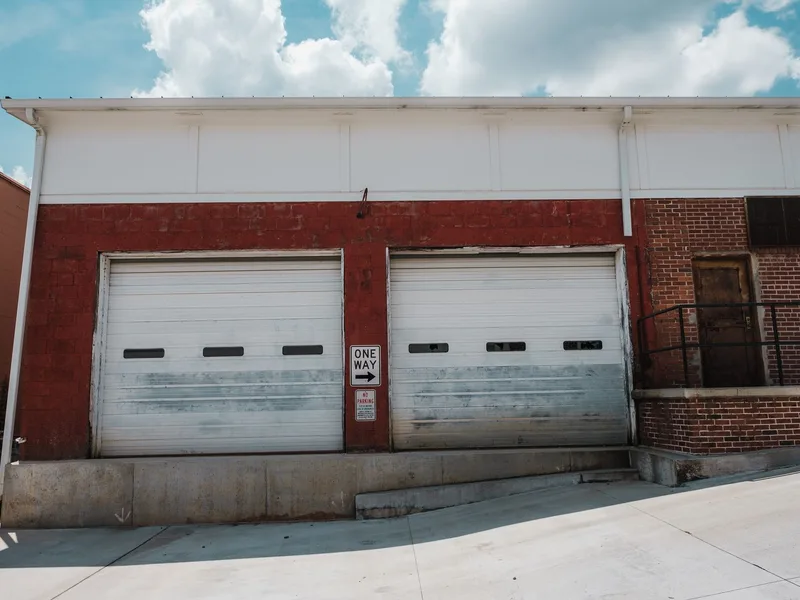
The goods-in door
The goods receiving door on Al Hajj Street faces directly onto the third ring road, and the contract places a numbered monitoring point there to intercept pests arriving on delivery trucks from main road traffic.
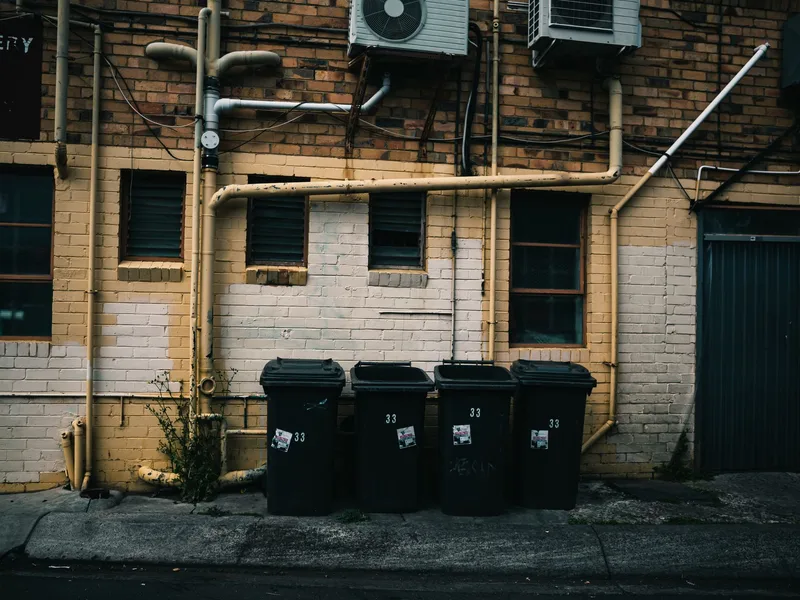
The waste area
The waste and unloading zone sits near open yards, and monitoring points are positioned at refuse skips and corners where cargo remnants and abandoned packaging accumulate.
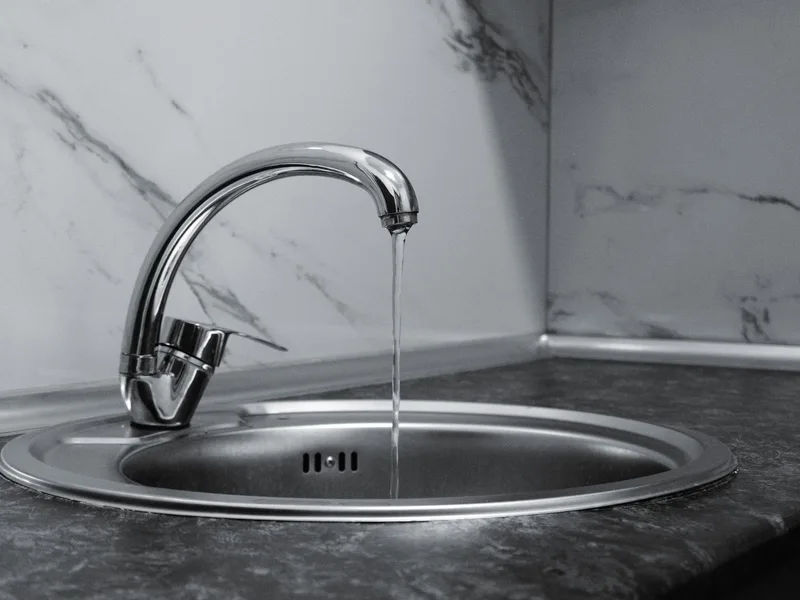
Drains and grease traps
Drainage from multiple workshops and roof runs may be complex along the ring road, and the contract places sealed traps on main drains and primary openings so pests cannot enter from the underground system.
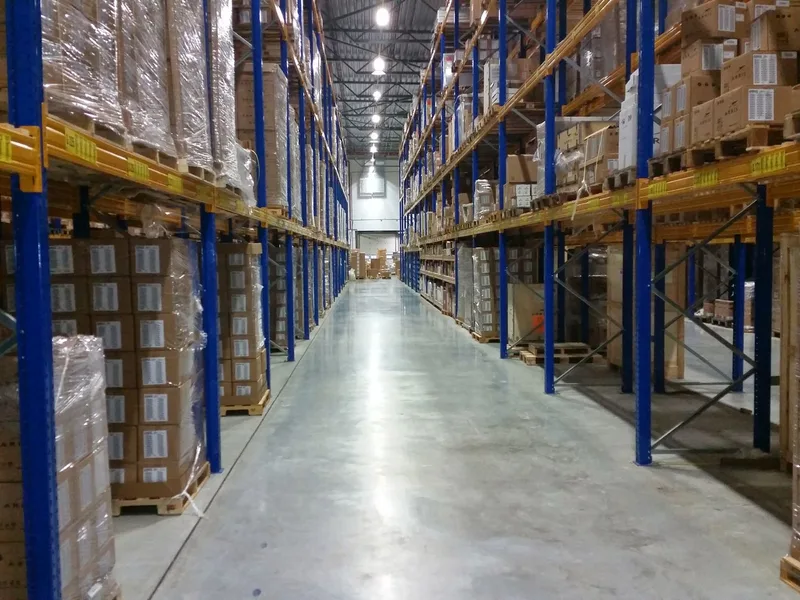
Dry store and pallets
The large dry warehouse needs monitoring points on racks, ceiling level, corners and high vents so moisture accumulating under high ceilings that supports insect development is tracked throughout the volume.

Fixed, numbered points
Numbered points are distributed on a regular grid through the warehouse at one point per 300 to 500 square metres of floor, with additional points on storage racks, corners, high level vents and roof access.

The file itself
The file holds a floor plan of the warehouse with each monitoring point location marked and numbered and photographed in place, and weekly reports show which points recorded activity and which zones may need additional treatment focus.
How we work
-
1
Survey and risk assessment
We walk the building from the goods-in door through preparation, stores and washrooms, and record the species pressure, the entry routes, the moisture and which areas carry which level of risk.
-
2
The plan, the map and the frequency
We number the monitoring positions on a plan of the site, agree the visit frequency from what each area handles and how open the building is, and agree who receives and signs the report.
-
3
The scheduled visits
Every visit reads the same route, point by point, records the reading even when it is nil, and treats the area the reading calls for rather than the whole building.
-
4
Review and reading the trend
We read the visits together rather than one at a time: where the readings climbed, which corrective actions are still open, and whether an area needs more points or closer visits.
What the annual contract includes
-

Opening survey and site plan
A walk that fixes the risk areas and the entry routes, and a plan with the monitoring positions numbered before anything is installed.
-

Numbered monitoring points
Fixed positions on a set route, opened, read and logged every visit, and replaced when damaged.
-

Targeted treatment when called for
On the cracks, junctions and service areas the reading points to, and outside operating hours where that is needed.
-

Drains and waste areas
Floor gullies, grease traps and the ground around the containers on every visit, because that is the source that renews itself.
-

Report and corrective actions
After every visit: what was found, what was applied and where, and what the site needs to fix, such as a door gap or a missing drain cover.
-

Scheduled visits and visits in between
A schedule agreed in the contract, plus a visit when activity appears between two dates, logged like any other.
What is different about Al Maabdah Sub-Municipality
Al Maabdah sub municipality climbs from Al Abtah and Al Jumayzah beside the Al Mualla cemetery up through Al Khansa and Rai Adhakhir to Al Adl, Jabal Al Nour, Wadi Jaleel and Qurtubah on the outer ring roads. It mixes hotels and pilgrim housing near the Grand Mosque with old popular houses on hillside passes, new housing schemes on valley floors that carry flash floods after rain, and industrial plots, workshops and warehouses along Al Hajj Street in Qurtubah. Street widening and expropriation leave partly demolished frontages in Al Khansa.
Questions about this district
The old markets nearby are very close. Can we protect the workshop from pests drifting from there?
Complete protection from old markets is impossible. The contract focuses on boundary zones between you and them and deploys strong monitoring barriers. Visits are frequent and treatment is rapid if insects are traced back to the market.
Trucks arrive every day from the street. Do they carry pests with them?
Yes. Trucks carry goods and insects and eggs. Workers and clothing may carry pests from previous stops. Monitoring points are placed on receiving and loading zones where trucks stop. Weekly reports show whether pests are arriving with deliveries or originating inside the warehouse.
The warehouse has narrow passages and dark corners. Do monitoring points watch these?
Yes. These are the most important zones. Points are placed in passages, corners and high vents so all hidden insect activity is recorded. Large warehouses need more points than small workshops.
Goods stored high on racks. Can insects reach them?
Yes. Some insects climb and others fly. Monitoring points are placed at different heights so insects at ground level, on raised racks and at ceiling level are all tracked.
Will the report show whether pests are arriving with trucks or breeding inside?
The report shows which points recorded activity and on what date. If all insects are at receiving points near street doors, the source is outside. If activity is scattered throughout the warehouse, the source may be internal or from dormant eggs.
How many monitoring points does a large warehouse need?
The contract determines point density based on warehouse volume and identified risks. A 1,000 square metre space may need five points; a 5,000 square metre warehouse may need fifteen or more. The initial survey determines the exact number.
How much does annual contracts in Qurtubah cost?
It is set after the inspection, because the price follows the type of infestation, the size of the space, how far it has spread and the number of visits it needs. Send a photo and a description on WhatsApp and we will give you an estimate before we reach Qurtubah.
Nearby districts we cover
Other services in Qurtubah
Other services we provide to residents of Qurtubah.
-
 Residential
Cockroach control
Residential
Cockroach control
-
 Residential
Bed bug control
Residential
Bed bug control
-
 Residential
Termite control
Residential
Termite control
-
 Residential
Rodents and mice
Residential
Rodents and mice
-
 Residential
Mosquito control
Residential
Mosquito control
-
 Residential
Fly control
Residential
Fly control
-
 Residential
Ant control
Residential
Ant control
-
 Residential
Gecko control
Residential
Gecko control
-
 Residential
Scorpion control
Residential
Scorpion control
-
 Residential
Snake control
Residential
Snake control
-
 Residential
Flea control
Residential
Flea control
-
 Residential
Bird and pigeon control
Residential
Bird and pigeon control
-
 Residential
Preventive treatment
Residential
Preventive treatment
-
 Residential
Disinfection
Residential
Disinfection
-
 Commercial
Restaurants and cafes
Commercial
Restaurants and cafes
-
 Commercial
Hotels and apartments
Commercial
Hotels and apartments
-
 Commercial
Warehouses and factories
Commercial
Warehouses and factories
-
 Commercial
Schools and nurseries
Commercial
Schools and nurseries
-
 Commercial
Retail and malls
Commercial
Retail and malls
-
 Commercial
Rest houses and farms
Commercial
Rest houses and farms
-
 Commercial
Fumigation
Commercial
Fumigation
-
 Water tanks
Water tank cleaning
Water tanks
Water tank cleaning
-
 Water tanks
Water tank sterilization
Water tanks
Water tank sterilization
-
 Water tanks
Water tank sealing
Water tanks
Water tank sealing
-
 Water tanks
Tank leak repair
Water tanks
Tank leak repair
Need annual contracts in Qurtubah? Tell us what you saw and we will tell you what it needs
We reach Qurtubah at a time we agree, and you get the full cost before we start.