
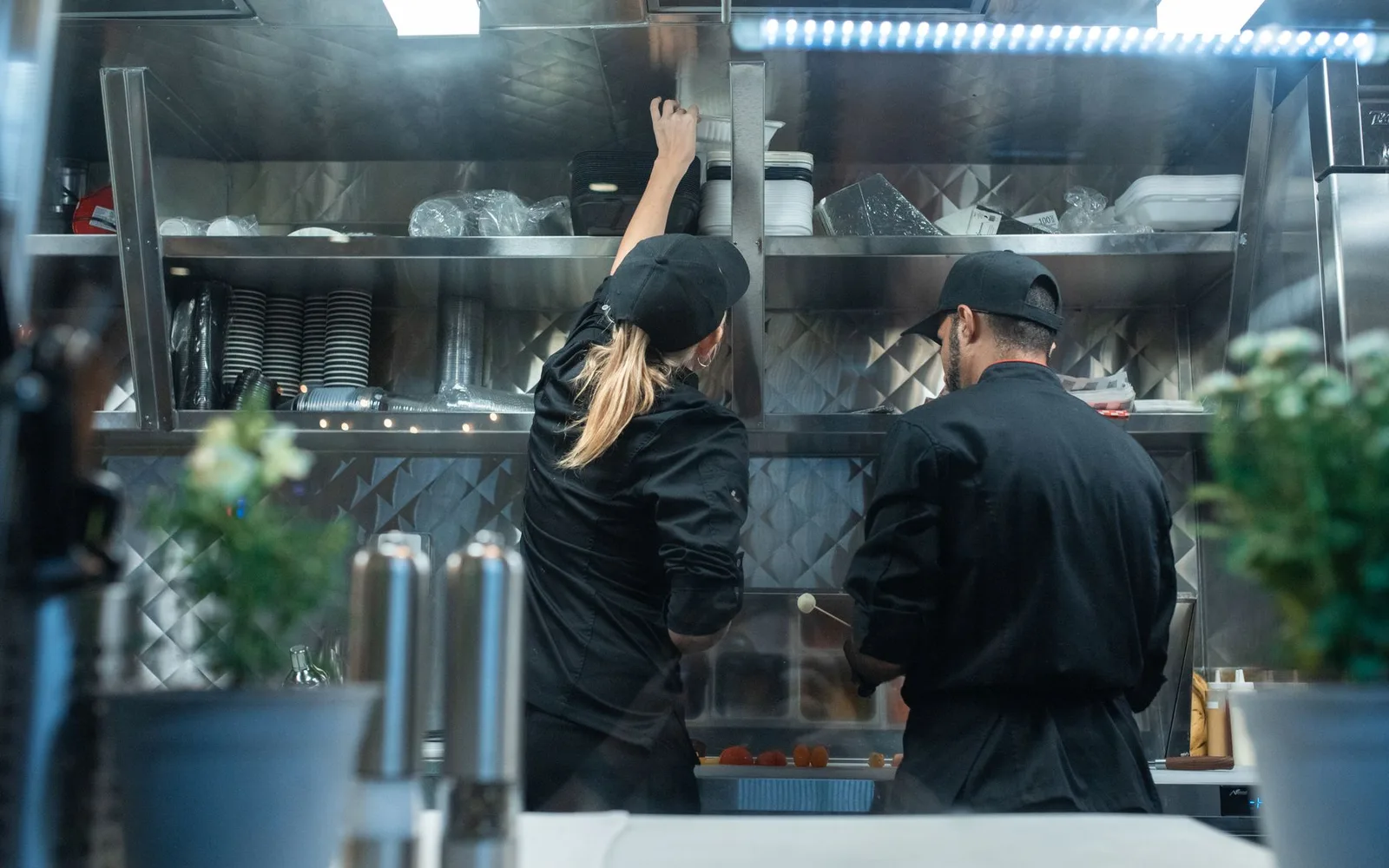
Restaurants and cafes in Qurtubah Makkah
Qurtubah is an industrial district on Al Hajj Street at the third ring road, with workshops, warehouses, the old Al Dawas market and Souq Al Hijaz spread across wide industrial land. Restaurants here serve workers and visitors. Old flood paths descend from nearby hills toward the district, creating a permanently damp environment and continuous insect pressure from the surrounding mountains.
-
Targeted, not broadcast
Product goes into cracks and runways, never sprayed across open surfaces.
-
Told before we start
What we will use, where it goes, and what to cover or move before we arrive.
-
A follow-up visit
We return after the first treatment, because what survives it does not show on the day.
-
Homes and businesses
Apartments and villas, and kitchens and stores that need a record of each visit.
Why they keep coming back in Qurtubah
Old flood paths run down from Jabal Qaiqaan and Jabal Khandamah toward the district, providing permanently damp channels for insects and mosquitoes even during dry seasons. The method is set out in full on Restaurants and cafes in detail.
Old flood paths offer permanent damp insect refuges
The ancient wadi running from the northern hills provides damp conditions year round. Even in dry seasons small pools remain, creating ideal mosquito breeding conditions.
Wide industrial land drives constant contamination pressure
Nearby workshops, warehouses and old markets provide permanent contamination sources for the restaurants. Daily deliveries from different locations may carry insects.
Old markets cluster waste and insect cycles
Al Dawas market and Souq Al Hijaz are very close to the restaurants. Accumulated waste and exposed goods provide permanent food and shelter for insects and rodents.
Landmarks of Qurtubah
Restaurants in Qurtubah sit on Al Hajj Street near Al Dawas market and Souq Al Hijaz, enclosed by the third ring road to the north and east and ancient flood paths from the surrounding hills. The treatment route starts from goods inwards on Al Hajj Street and extends toward the yard and boundaries with adjoining markets.
- Al Hajj Street
- Third Ring Road
- Al Dawas Market
- Souq Al Hijaz
The places that decide the programme
A northern industrial district on Al Hajj Street at the third ring road, with industrial plots, old markets and workshops along the wide street, backed by lower density housing schemes toward the ring road.
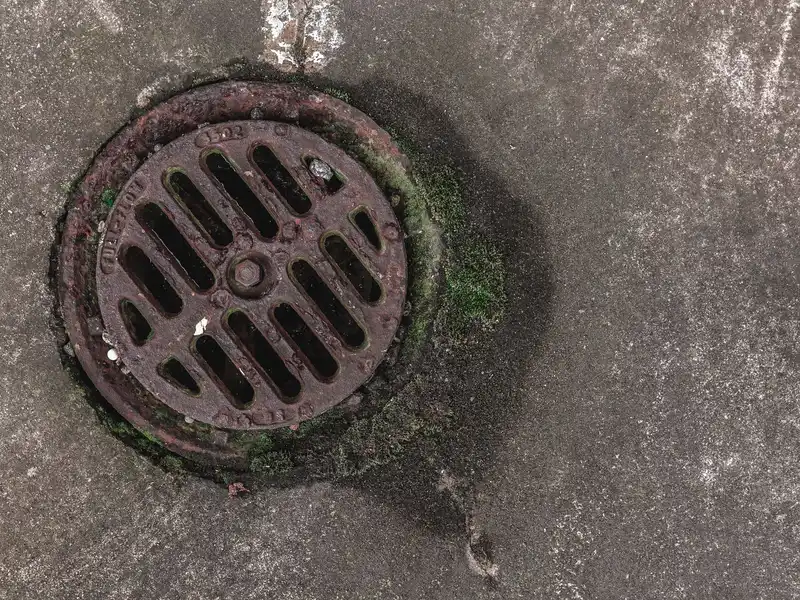
Gullies and the grease trap
Gullies in Qurtubah are close to flood paths and often damp permanently, clogged with aquatic insects. We focus on opening inspection, barriers and drainage.
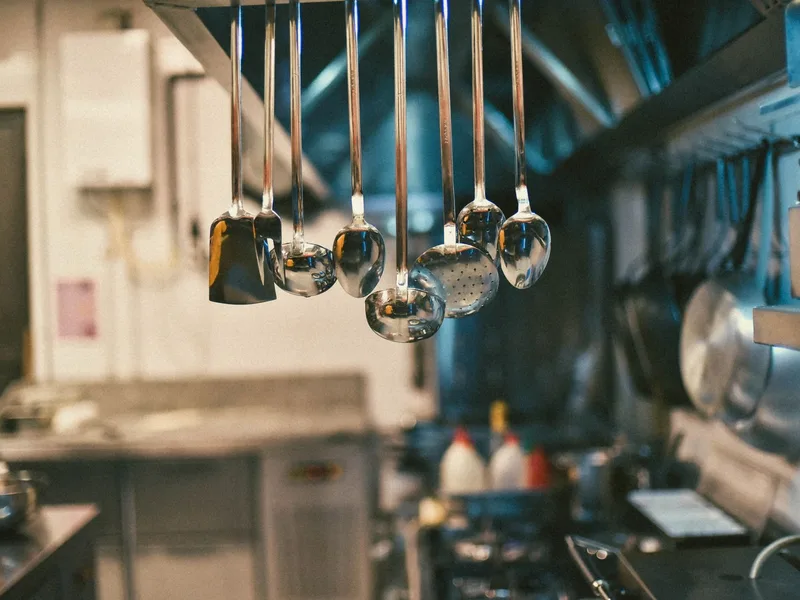
The cooking line and plinths
Equipment bases in industrial restaurants usually sit on wide cement floors. Gaps beneath may be large and need careful inspection and strong barriers.
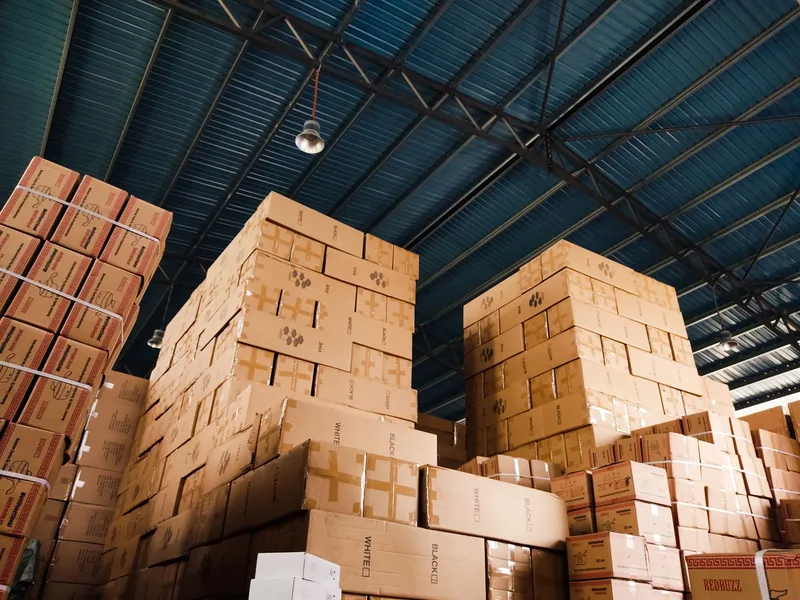
Cardboard at goods inwards
Cardboard arrives from markets and workshops and may already be contaminated. We advise breaking it down immediately and not storing it in the kitchen.
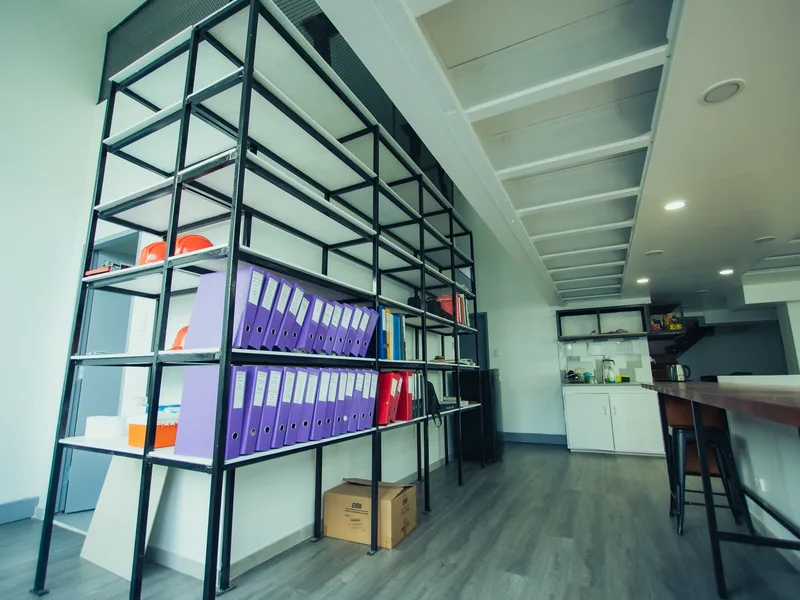
Dry store shelving
Dry store shelving may sit in a storeroom close to the open yard. We focus on ventilation and isolation from insects entering from the markets.
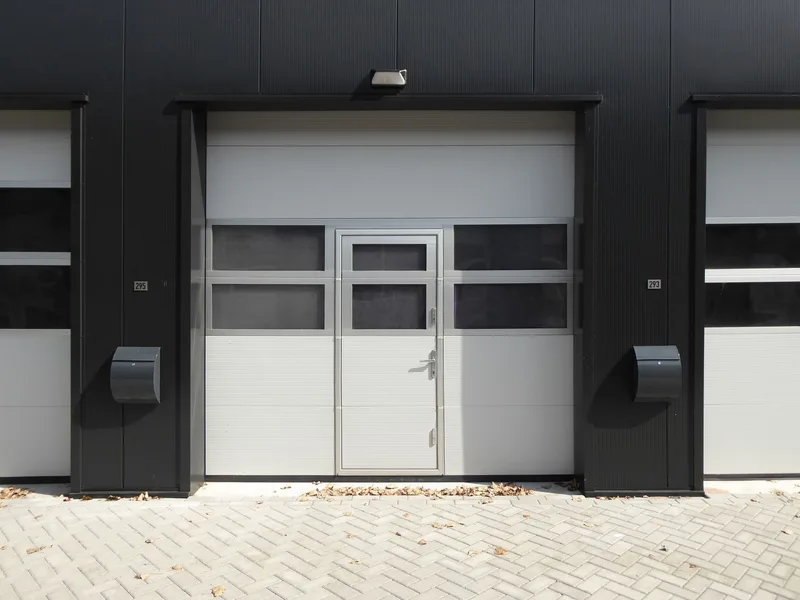
The back service door
The back service door may open onto a large yard or industrial area. We fit strong sweeps, ensure tight closure and inspect closely.
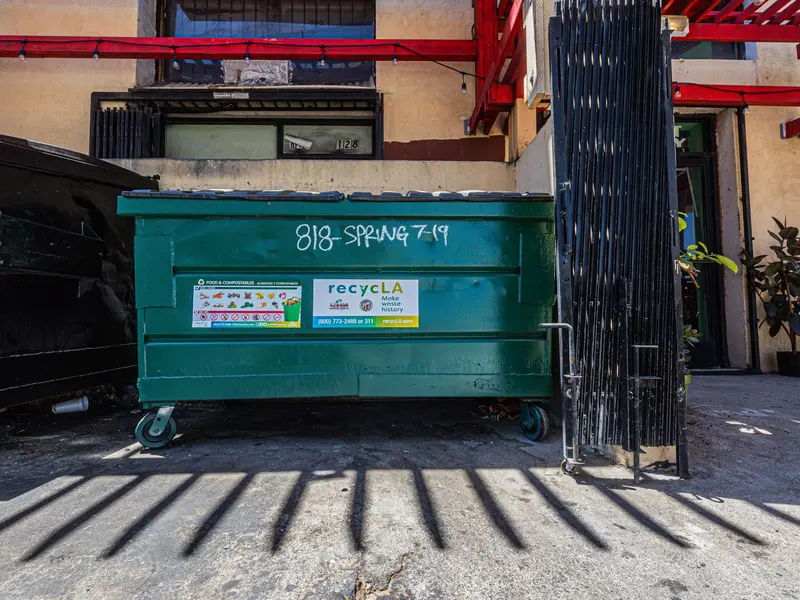
The bin area
The bin area in Qurtubah usually sits in a large yard close to the markets. We focus on bin closure, continuous cleaning and rapid waste disposal.
How we work
-
1
Survey and site plan
We follow the food route from delivery to waste, establish which species are present and where the moisture is, and mark the station positions on a plan of the kitchen and the store.
-
2
Install numbered monitoring points
Sealed, numbered stations in fixed positions, read in the same order every visit so the file shows a trend rather than an impression.
-
3
Treatment outside service hours
Gel bait into joints and voids, foam into the gullies and the grease trap, and nothing applied to preparation surfaces, with equipment covered and surfaces wiped down before service resumes.
-
4
Scheduled visits and the site file
Every visit reads the stations and records what was found, the corrective action needed, who owns it and by when, and the file stays on site to be shown at an inspection.
What a restaurant programme includes
-

Opening survey and site plan
Species, entry points and moisture sources, with a plan showing where every station sits.
-

Sealed, numbered stations
Bait held inside closed stations in food areas, never open product near preparation or storage.
-

Gully and grease trap treatment
Foam that contacts the pipe wall where small flies breed, which is the step most contracts skip.
-

Targeted application after closing
Into joints, voids and the store perimeter, at a time with no exposed food and no team in the kitchen.
-

Reopening instructions for the team
What to cover before, what to wipe after, and what not to wash so the treatment is not undone.
-

A visit report and a running log
Every station read, corrective actions with an owner and a date, and a continuous file to show at an inspection.
What is different about Al Maabdah Sub-Municipality
Al Maabdah sub municipality climbs from Al Abtah and Al Jumayzah beside the Al Mualla cemetery up through Al Khansa and Rai Adhakhir to Al Adl, Jabal Al Nour, Wadi Jaleel and Qurtubah on the outer ring roads. It mixes hotels and pilgrim housing near the Grand Mosque with old popular houses on hillside passes, new housing schemes on valley floors that carry flash floods after rain, and industrial plots, workshops and warehouses along Al Hajj Street in Qurtubah. Street widening and expropriation leave partly demolished frontages in Al Khansa.
Questions about this district
The old flood paths from the hills bring insects towards us. What is the plan?
The permanently damp paths create ideal conditions for mosquitoes and dampness-loving insects. We focus on treating the entrance and yard, especially the areas facing the paths.
The nearby markets have open waste. Does this directly affect our restaurant?
Yes directly. Accumulated waste feeds insects and rodents constantly. We focus on strengthening your restaurant boundary and rapid removal of your own waste.
Is monthly treatment enough in an industrial zone like Qurtubah?
Pressure from the markets, industry and damp paths needs closer visits. We assess after the first inspection and recommend a tighter visit schedule.
The nearby hills and wadi bring insects seasonally. Is this constant?
Yes, after rain mosquitoes and aquatic insects surge, but damp paths provide permanent breeding habitat even in dry seasons.
Do deliveries from nearby workshops and warehouses carry insects?
Yes, high probability, especially from workshops that may not monitor pests. We focus on strict inspection at goods inwards.
Does cleaning a yard or garden area around the restaurant reduce insects?
Yes, daily cleaning removes shelters and food sources, but external pressure is constant, so we focus on strong boundaries and careful monitoring.
How much does restaurants and cafes in Qurtubah cost?
It is set after the inspection, because the price follows the type of infestation, the size of the space, how far it has spread and the number of visits it needs. Send a photo and a description on WhatsApp and we will give you an estimate before we reach Qurtubah.
Nearby districts we cover
Other services in Qurtubah
Other services we provide to residents of Qurtubah.
-
 Commercial
Annual contracts
-
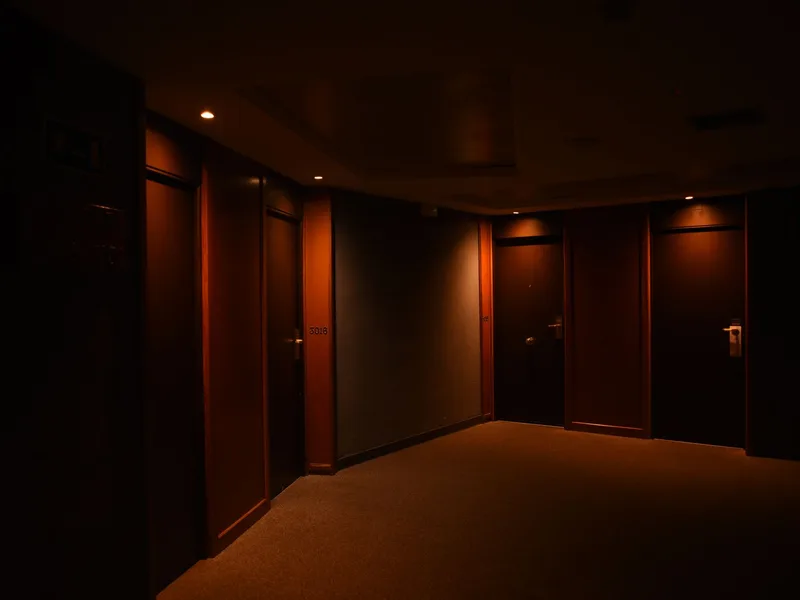 Commercial
Hotels and apartments
-
 Commercial
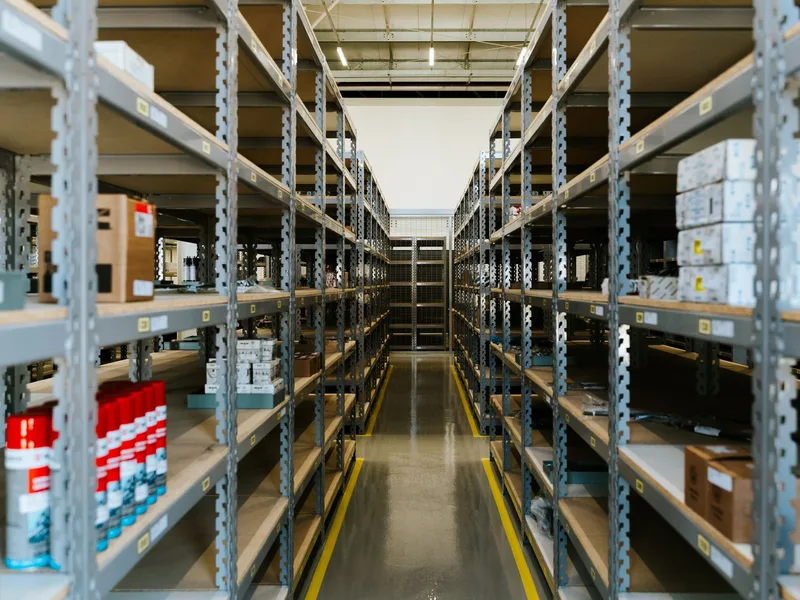
Warehouses and factories
-
 Commercial
Schools and nurseries
Need restaurants and cafes in Qurtubah? Tell us what you saw and we will tell you what it needs
We reach Qurtubah at a time we agree, and you get the full cost before we start.