
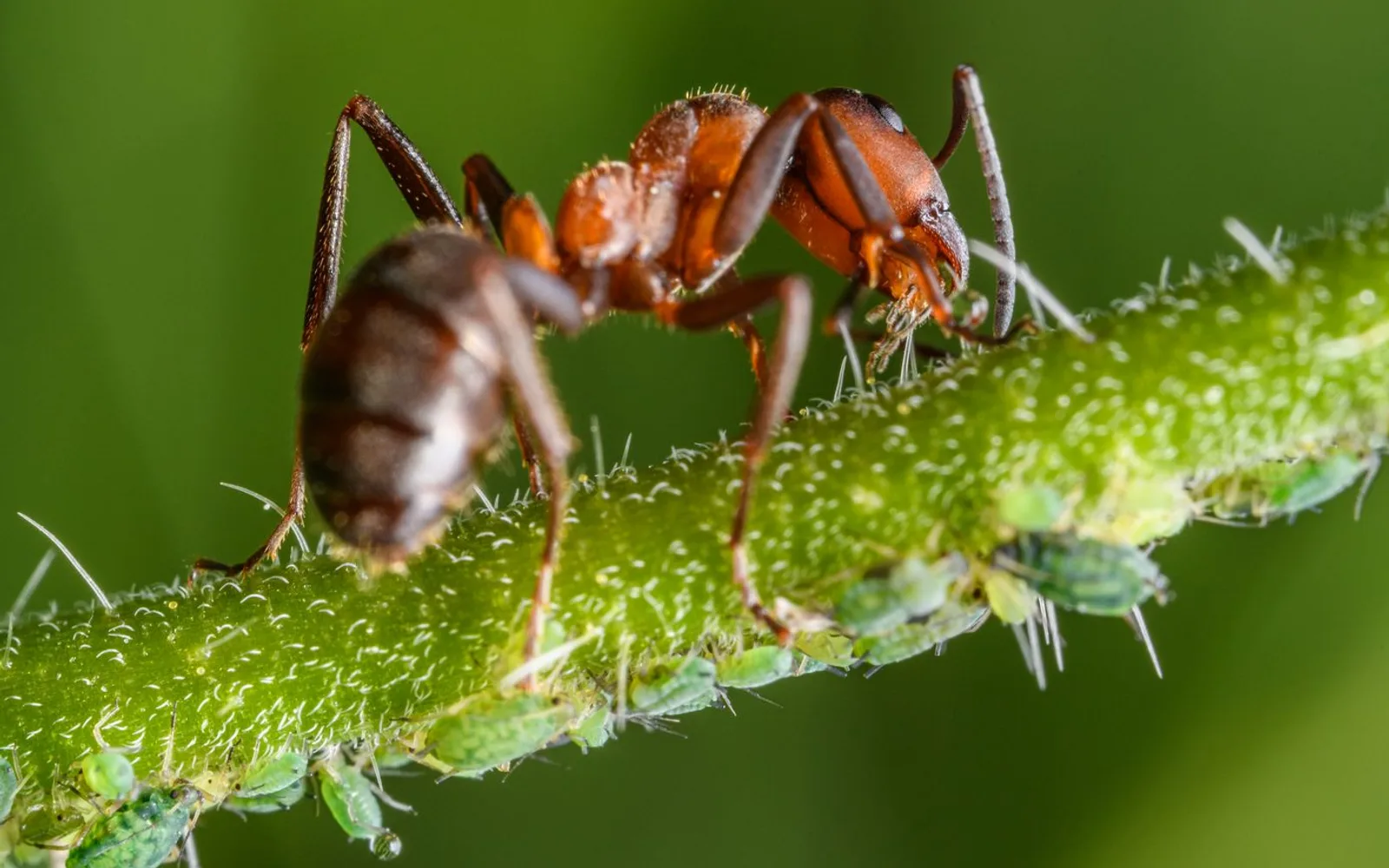
Ant control in Al Aziziyah Makkah
Al Aziziyah is a vibrant commercial district about six kilometres from the Haram on the pilgrims' route to Mina, with hotel towers, busy markets and shops and crowds of pilgrims and Umrah visitors throughout the year. Ants thrive on crumbs and scraps in hotels and restaurants and market stalls, splitting into many species because food sources are diverse and movement never stops.
-
Targeted, not broadcast
Product goes into cracks and runways, never sprayed across open surfaces.
-
Told before we start
What we will use, where it goes, and what to cover or move before we arrive.
-
A follow-up visit
We return after the first treatment, because what survives it does not show on the day.
-
Homes and businesses
Apartments and villas, and kitchens and stores that need a record of each visit.
Why they keep coming back in Al Aziziyah
Ants here are somewhat seasonal, multiplying fast in Hajj and Ramadan and quieter in other months, but hotels and shops supply continuous food. The method is set out in full on how we approach Ant control.
Hotels and markets provide rich seasonal food
Al Aziziyah hotels do not hold permanent guests but visitors rotate quickly during dense seasons, markets see heavy buying and selling, and restaurants operate at full capacity leaving plenty of waste.
The huge bus station is a permanent food source
Mahbas Al Jinn station hosts thousands of visitors daily creating accumulation points of crumbs and waste, and nearby small hotels and shops provide constant food for ants.
Nearness to old Umm Al Qura campus attracts different ant species
The old university campus and mixed housing around it make Al Aziziyah a meeting point for ant species from different zones converging on the dense food sources.
Al Aziziyah on the map
Al Aziziyah sits about 2.5 km from Al Sanabel and about 3 km from Al Mursalat.
Open in Google MapsThe species and the trail decide the bait
The zone is entirely commercial, hemmed by main roads, heat rises from the sun and congestion peaks in Hajj and Ramadan seasons, with old central drainage and accumulated food waste in markets and shops.
The sweet feeders
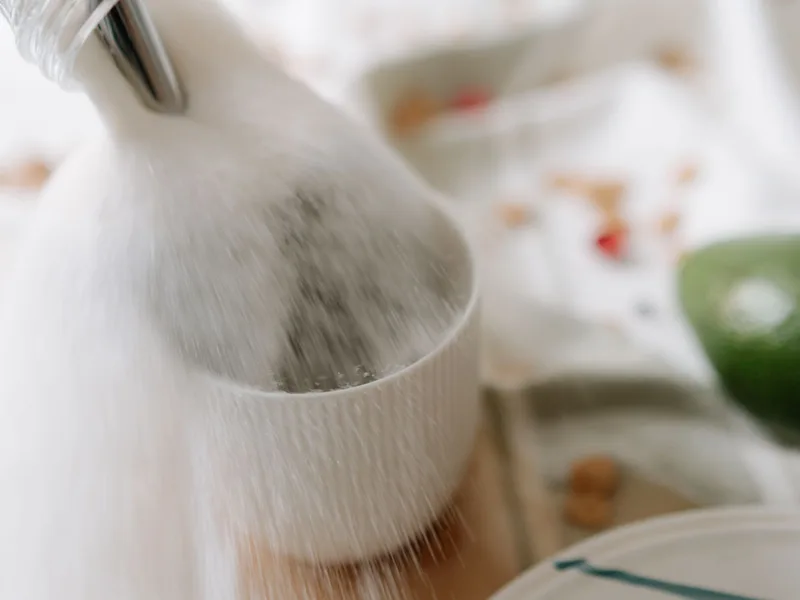
Sugar seeking ants concentrate on restaurants and sweet shops and juice outlets in hotels and markets, active throughout the day because of continuous foot traffic.
The grease and protein feeders
Protein seeking ants come from restaurants and shops selling meat, poultry and oils, concentrated close to their immediate food sources.
The trail and its direction
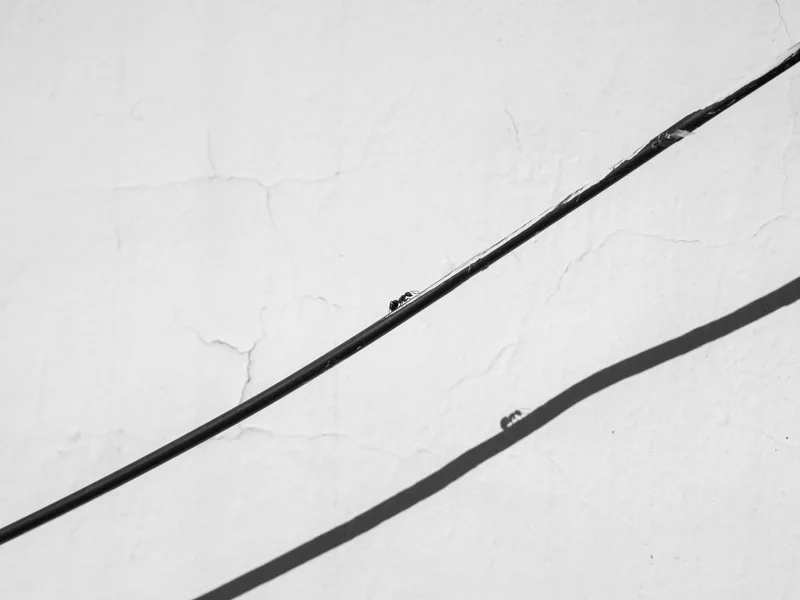
The trail begins around the bus station and spreads to adjoining shops and hotels through floor cracks and shared pipes and drains.
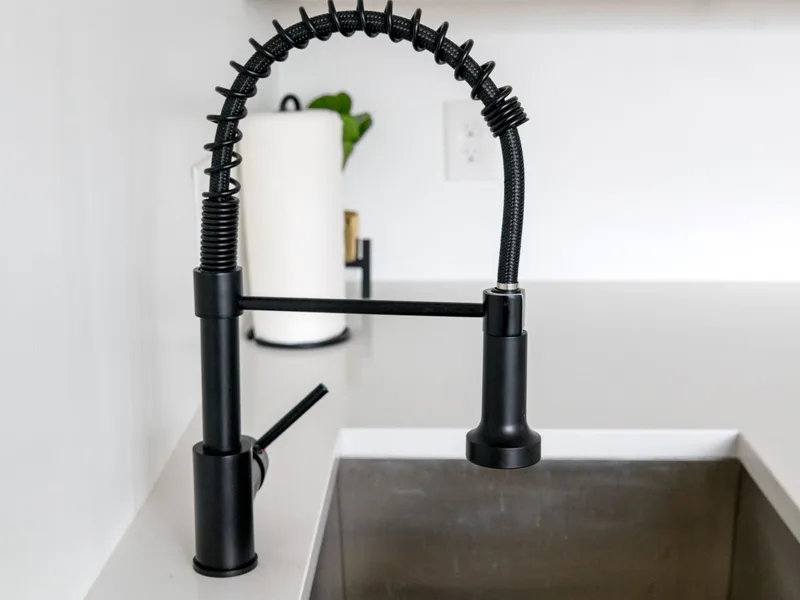
Moisture before food
Humidity here is moderate but high heat and central drainage create warm wet conditions encouraging intense ant activity.
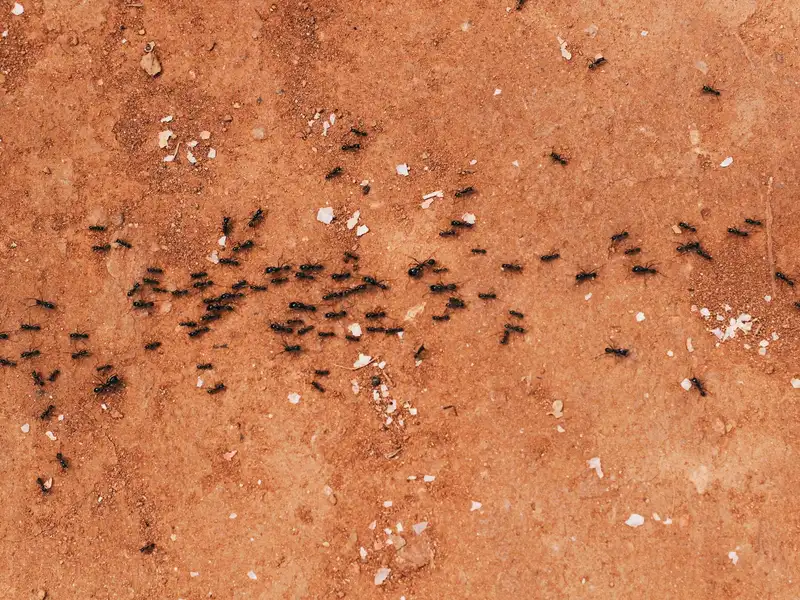
The nest outside the building
Outside nests sit around the bus station and beneath markets and may be near the surface because the zone was built on relatively high ground.
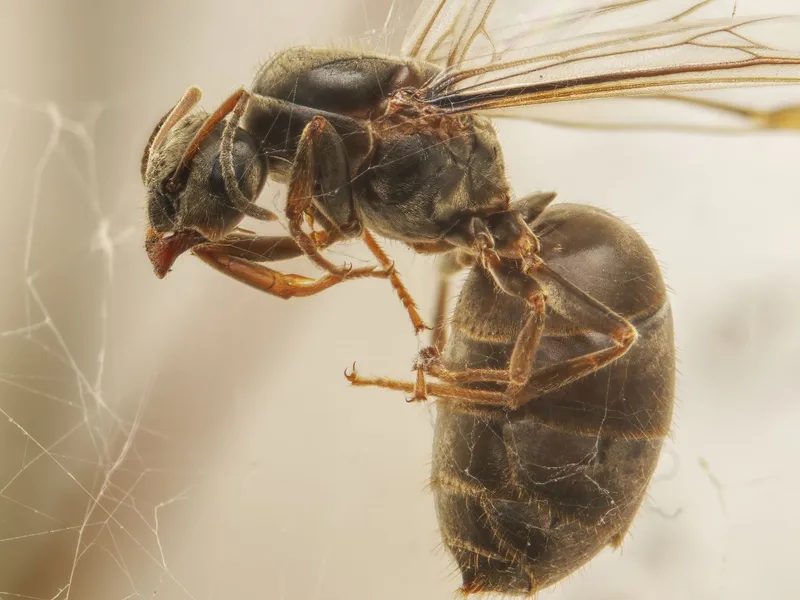
Winged ants
Winged ants emerge powerfully in Al Aziziyah during Hajj and Ramadan, signalling rapid colony growth driven by abundant food.
How we work
-
1
Inspect and follow the trail
We follow the line from where you see it to where it enters, and establish the species, what it is feeding on and the moisture keeping the nest close.
-
2
Matched bait placed on the trail
We choose the matrix from the feeding preference and place it on the trail itself, leaving the trail intact so the workers carry it to the queen and the brood.
-
3
Treat the perimeter and close the ways in
An external treatment at the wall base and the openings, and we point out the cracks, pipe entries and any branch touching the building.
-
4
The follow-up visit
We come back once the bait has worked through the nest, check the trail is gone, and look for a satellite nest if a new line has appeared.
What ant control includes
-

Following the trail to its source
Species, entry point and the direction of the nest, established before anything is applied.
-

Bait matched to the colony
Sugar or protein according to what the workers are carrying, placed on the trail rather than near it.
-

An external perimeter treatment
A band at the wall base and the outside openings, with the indoor trail left unsprayed so it keeps carrying bait.
-

Moisture points and entries
Condensate lines, sink surrounds, weep holes and pipe entries, which are what keeps a nest against the building.
-

Aftercare instructions
What not to wipe until the bait has been taken, what to cover, and when normal cleaning can resume.
-

A scheduled follow-up
A set date to check the nest and re-bait anywhere still active.
The character of Al Aziziyah
Commercial area: offices, showrooms and small stores
The commercial zone in Al Aziziyah is complex because hotels, shops, markets and the bus station all connect through a central drainage system and share food sources, so treatment must cover this entire area as one integrated network rather than addressing isolated locations.
Questions about this district
Al Aziziyah is very dense with hotels and shops. Do ants come from one hotel or everywhere?
Ants are present in all hotels and shops in numbers, but the biggest problem comes from concentrations around the bus station and dense markets.
The bus station has many ants. Does it need special treatment?
Yes, Mahbas Al Jinn station requires special focus because it is a massive food source, but we focus on the exterior and not inside so we do not disturb travellers.
In Hajj season, ants multiply fast. Does treatment need more frequent repetition?
Yes, in Hajj and Ramadan we repeat treatment every three to four weeks rather than four to six, because food increases and colonies grow rapidly.
I see winged ants around the bus station. Do they come from an old nest?
Yes, large colonies around the station produce winged ants when they grow fast, a sign that the problem is serious and needs quick treatment.
Markets close at night. Is treatment better at night when foot traffic drops?
Yes, we focus on treating markets and shops during closing hours to avoid disturbing vendors and customers.
After treating the hotel and the adjacent market, do ants return from the neighbouring hotel?
If neighbouring hotels are also treated, return will be slow, but in hot season individuals from distant colonies may arrive via bait stations.
How much does ant control in Al Aziziyah cost?
It is set after the inspection, because the price follows the type of infestation, the size of the space, how far it has spread and the number of visits it needs. Send a photo and a description on WhatsApp and we will give you an estimate before we reach Al Aziziyah.
Nearby districts we cover
Other services in Al Aziziyah
Other services we provide to residents of Al Aziziyah.
-
 Residential
Cockroach control
Residential
Cockroach control
-
 Residential
Bed bug control
Residential
Bed bug control
-
 Residential
Termite control
Residential
Termite control
-
 Residential
Rodents and mice
Residential
Rodents and mice
-
 Residential
Mosquito control
Residential
Mosquito control
-
 Residential
Fly control
Residential
Fly control
-
 Residential
Gecko control
Residential
Gecko control
-
 Residential
Scorpion control
Residential
Scorpion control
-
 Residential
Snake control
Residential
Snake control
-
 Residential
Flea control
Residential
Flea control
-
 Residential
Bird and pigeon control
Residential
Bird and pigeon control
-
 Residential
Preventive treatment
Residential
Preventive treatment
-
 Residential
Disinfection
Residential
Disinfection
-
 Commercial
Annual contracts
Commercial
Annual contracts
-
 Commercial
Restaurants and cafes
Commercial
Restaurants and cafes
-
 Commercial
Hotels and apartments
Commercial
Hotels and apartments
-
 Commercial
Warehouses and factories
Commercial
Warehouses and factories
-
 Commercial
Schools and nurseries
Commercial
Schools and nurseries
-
 Commercial
Retail and malls
Commercial
Retail and malls
-
 Commercial
Rest houses and farms
Commercial
Rest houses and farms
-
 Commercial
Fumigation
Commercial
Fumigation
-
 Water tanks
Water tank cleaning
Water tanks
Water tank cleaning
-
 Water tanks
Water tank sterilization
Water tanks
Water tank sterilization
-
 Water tanks
Water tank sealing
Water tanks
Water tank sealing
-
 Water tanks
Tank leak repair
Water tanks
Tank leak repair
Need ant control in Al Aziziyah? Tell us what you saw and we will tell you what it needs
We reach Al Aziziyah at a time we agree, and you get the full cost before we start.