
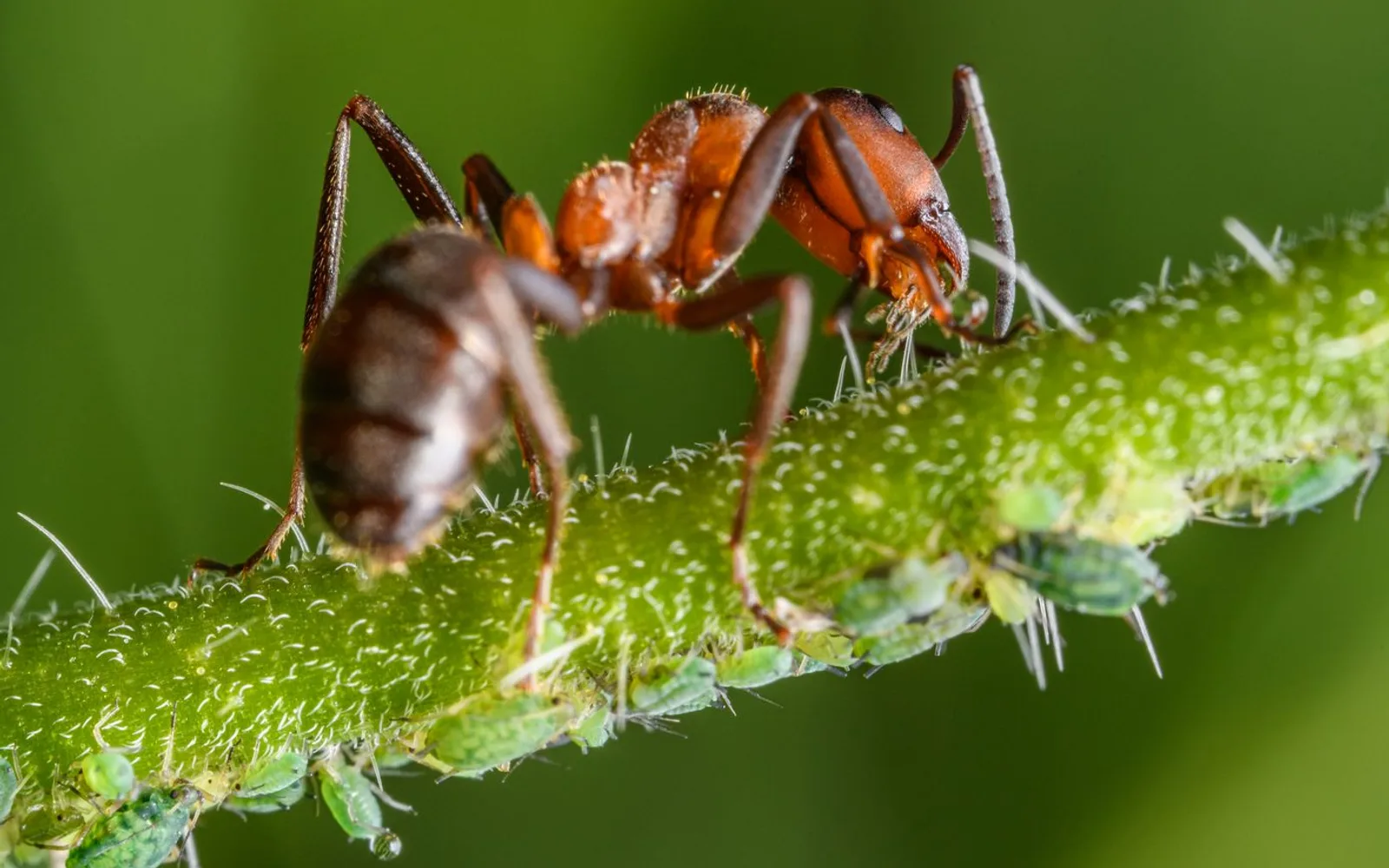
Ant control in Al Fayha Jeddah
Al Fayha is a planned residential district south Jeddah combining villas and apartment blocks on a regular grid with public parks and green spaces. Ants here take advantage of routine garden irrigation and close spacing between homes to spread unchecked.
-
Targeted, not broadcast
Product goes into cracks and runways, never sprayed across open surfaces.
-
Told before we start
What we will use, where it goes, and what to cover or move before we arrive.
-
A follow-up visit
We return after the first treatment, because what survives it does not show on the day.
-
Homes and businesses
Apartments and villas, and kitchens and stores that need a record of each visit.
Why they keep coming back in Al Fayha
Villas and flats closest to public parks see higher ant activity, especially during watering times and in the hot humid seasons when moisture levels peak. The method is set out in full on Ant control in detail.
Irrigated gardens and planted green areas
The Old Airport Park and Al Fayha Park supply continuous water and damp vegetation that draws ants. Scheduled irrigation raises soil and grass moisture, encouraging nests under planted areas close to home gardens. The green spaces feed the surrounding colonies.
Close spacing between villas, apartments and gardens
Homes laid out on a measured grid mean short distances between each one. Ants breach gaps between villa and villa or flat and park readily, and the nest may be under public plantings while the food source is your kitchen. Distance offers little protection.
Shallow foundations and side irrigation
Modern villa and flat foundations may be damp from sideways irrigation of small private gardens. Ants build nests under wet footings and climb into the house from there through cracks and utility penetrations. Moisture in the soil invites them upward.
Al Fayha on the map
Al Fayha sits about 2.5 km from Al Nazlah Al Sharqiyah and about 3 km from Al Thaghr.
Open in Google MapsThe species and the trail decide the bait
The organised district has aligned streets and publicly irrigated gardens maintained on regular watering schedules, and drainage channels supply constant moisture that creates perfect breeding grounds for ant colonies.
The sweet feeders
Sugar ants are attracted to fallen fruit in garden trees and spilled juice in landscaped areas, following trails to nests under planted ground or beneath villa foundations.
The grease and protein feeders
Grease ants focus on decaying plant matter and organic debris in damp soil, thriving in moist environments far more than dry ones.
The trail and its direction
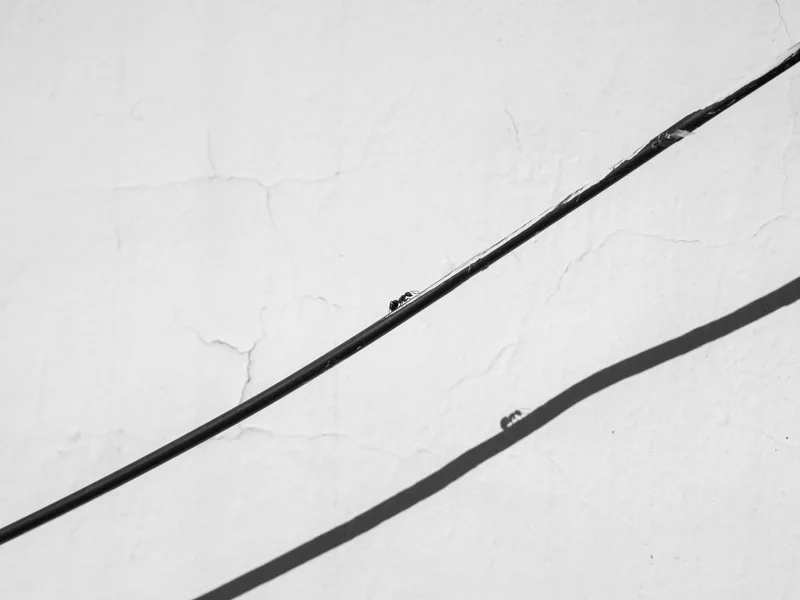
The trail begins in public plantings or private garden beds and climbs the house exterior along moisture lines, entering through vents and cracks at or below grade level.
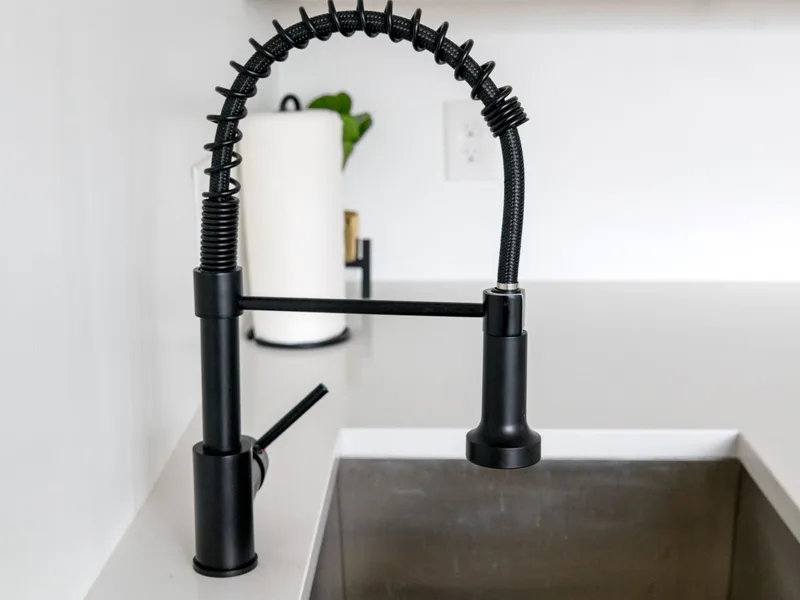
Moisture before food
Moisture from routine irrigation and damp soil around the foundation supplies the water ants need more urgently than food in a well-planned residential zone.
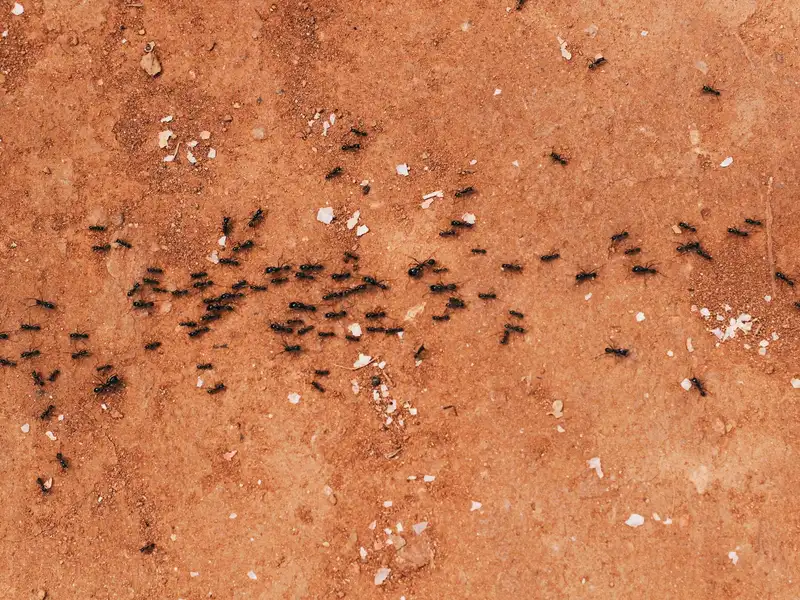
The nest outside the building
The nest typically lies under grass and planted beds close to the foundation line or in the private garden immediately adjacent to the house, with daily commutes to and from it.
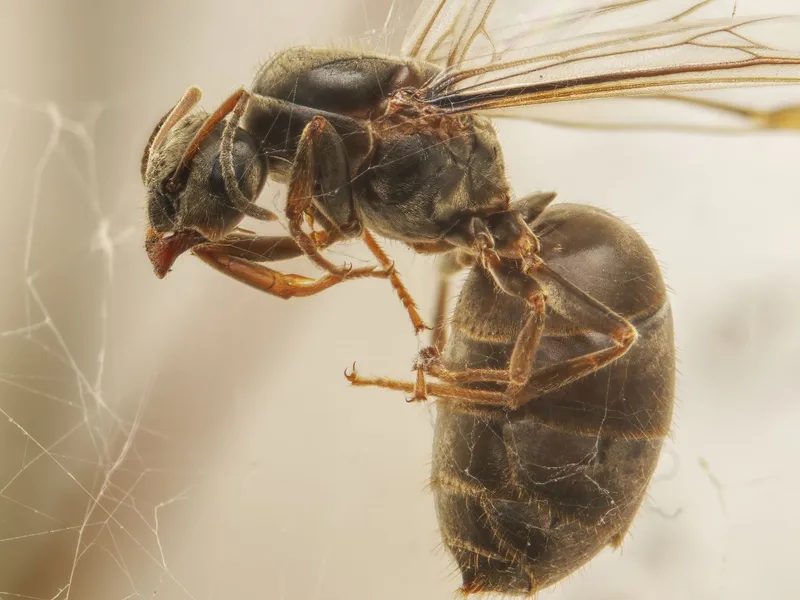
Winged ants
Winged ants appear in gardens at mating times and often after heavy rain or intense watering, signalling a strong active colony in the soil and plantings nearby.
How we work
-
1
Inspect and follow the trail
We follow the line from where you see it to where it enters, and establish the species, what it is feeding on and the moisture keeping the nest close.
-
2
Matched bait placed on the trail
We choose the matrix from the feeding preference and place it on the trail itself, leaving the trail intact so the workers carry it to the queen and the brood.
-
3
Treat the perimeter and close the ways in
An external treatment at the wall base and the openings, and we point out the cracks, pipe entries and any branch touching the building.
-
4
The follow-up visit
We come back once the bait has worked through the nest, check the trail is gone, and look for a satellite nest if a new line has appeared.
What ant control includes
-

Following the trail to its source
Species, entry point and the direction of the nest, established before anything is applied.
-

Bait matched to the colony
Sugar or protein according to what the workers are carrying, placed on the trail rather than near it.
-

An external perimeter treatment
A band at the wall base and the outside openings, with the indoor trail left unsprayed so it keeps carrying bait.
-

Moisture points and entries
Condensate lines, sink surrounds, weep holes and pipe entries, which are what keeps a nest against the building.
-

Aftercare instructions
What not to wipe until the bait has been taken, what to cover, and when normal cleaning can resume.
-

A scheduled follow-up
A set date to check the nest and re-bait anywhere still active.
The character of Al Fayha
Mixed district: shops at street level with homes above them
Mixed districts combining villas, flats and public gardens shift ant control from an indoor problem to a landscape one. Adjacent irrigated parks are constant sources of recolonisation, and close spacing between properties means coordinated action with neighbours often improves results.
Questions about this district
Does watering my private garden attract ants to the house?
Regular watering raises soil moisture around the home perimeter. Ants are drawn to moisture before food, so you may notice heavier activity near the house immediately after irrigation.
Why are ants so abundant in parks and gardens near the house?
Public irrigated gardens provide water, dampness and dense grass that attract many ant colonies. Vegetation masks their nests and water is supplied on schedule throughout the year.
Would reducing garden watering lower ant problems in the landscape?
Partly yes. Less watering cuts the moisture ants favour. But if a large nest is active in a nearby district or park, reducing home watering alone may not stop reinfestation.
Do ants from public parks migrate to nearby house gardens and homes?
Yes. When colony density rises in a park, ants spread to neighbouring homes seeking additional food and space for growth.
Is treating my private garden enough or must public parks be treated too?
Treating your garden stops entry from that direction, but ants may arrive from public parks. We focus on blocking entry routes around the house itself.
Is there a difference between ants in the garden and ants entering the house?
Garden ants may be moisture seekers attracted to damp soil and vegetation. Ants inside the home usually hunt food and sugar, arriving from outdoor nests in soil or under foundations.
How much does ant control in Al Fayha cost?
It is set after the inspection, because the price follows the type of infestation, the size of the space, how far it has spread and the number of visits it needs. Send a photo and a description on WhatsApp and we will give you an estimate before we reach Al Fayha.
Nearby districts we cover
Other services in Al Fayha
Other services we provide to residents of Al Fayha.
-
 Residential
Cockroach control
Residential
Cockroach control
-
 Residential
Bed bug control
Residential
Bed bug control
-
 Residential
Termite control
Residential
Termite control
-
 Residential
Rodents and mice
Residential
Rodents and mice
-
 Residential
Mosquito control
Residential
Mosquito control
-
 Residential
Fly control
Residential
Fly control
-
 Residential
Gecko control
Residential
Gecko control
-
 Residential
Scorpion control
Residential
Scorpion control
-
 Residential
Snake control
Residential
Snake control
-
 Residential
Flea control
Residential
Flea control
-
 Residential
Bird and pigeon control
Residential
Bird and pigeon control
-
 Residential
Preventive treatment
Residential
Preventive treatment
-
 Residential
Disinfection
Residential
Disinfection
-
 Commercial
Annual contracts
Commercial
Annual contracts
-
 Commercial
Restaurants and cafes
Commercial
Restaurants and cafes
-
 Commercial
Hotels and apartments
Commercial
Hotels and apartments
-
 Commercial
Warehouses and factories
Commercial
Warehouses and factories
-
 Commercial
Schools and nurseries
Commercial
Schools and nurseries
-
 Commercial
Retail and malls
Commercial
Retail and malls
-
 Commercial
Rest houses and farms
Commercial
Rest houses and farms
-
 Commercial
Fumigation
Commercial
Fumigation
-
 Water tanks
Water tank cleaning
Water tanks
Water tank cleaning
-
 Water tanks
Water tank sterilization
Water tanks
Water tank sterilization
-
 Water tanks
Water tank sealing
Water tanks
Water tank sealing
-
 Water tanks
Tank leak repair
Water tanks
Tank leak repair
Need ant control in Al Fayha? Tell us what you saw and we will tell you what it needs
We reach Al Fayha at a time we agree, and you get the full cost before we start.