
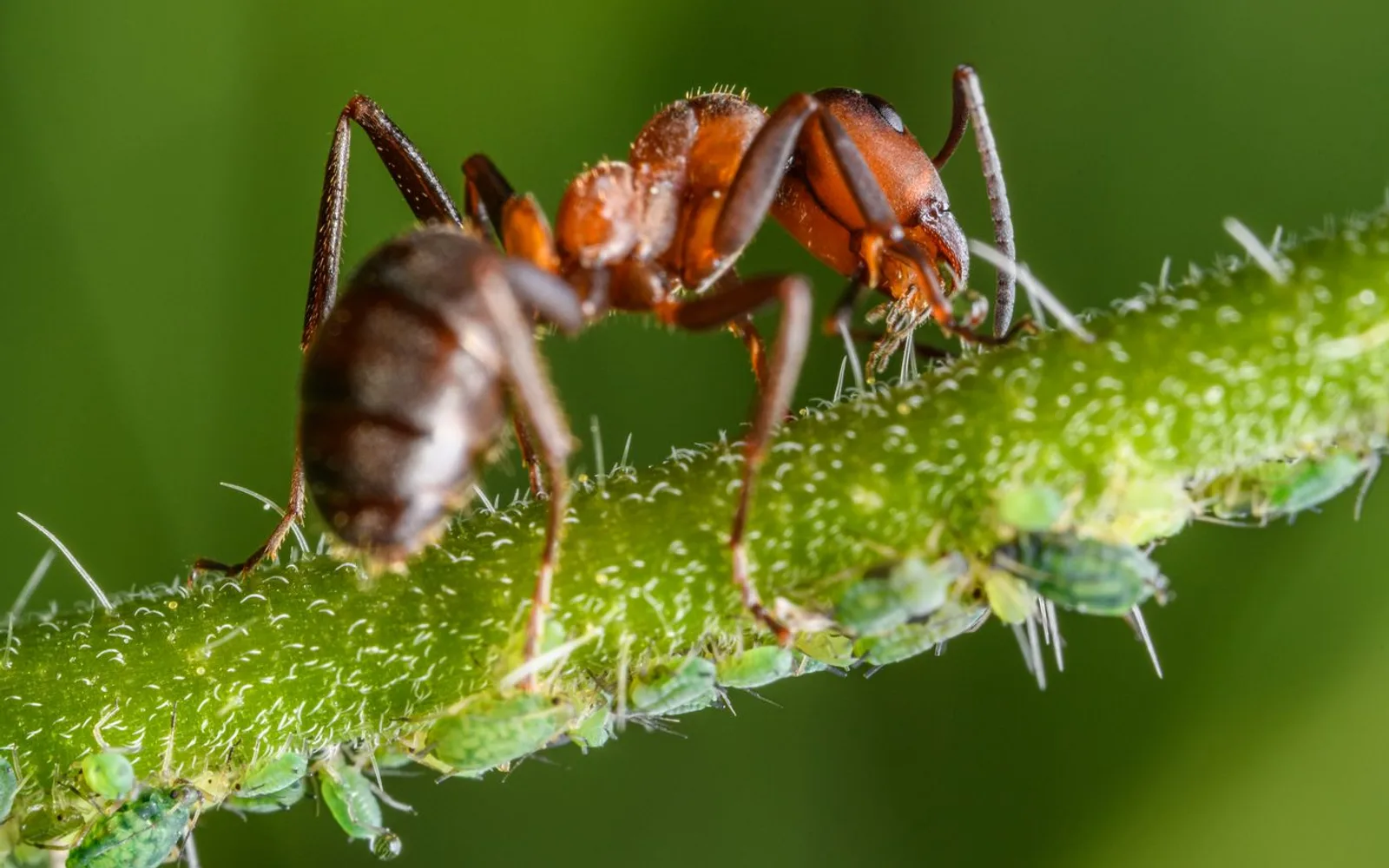
Ant control in Al Rayyan Jeddah
Al Rayyan is a district of multi-storey apartment blocks where homes are stacked vertically, making ants easily mobile between units through shared pipes and conduits. A single treatment in one flat does not stop ants arriving from neighbours, and common stairwells become natural distribution hubs for trails moving from one level to another and between blocks.
-
Targeted, not broadcast
Product goes into cracks and runways, never sprayed across open surfaces.
-
Told before we start
What we will use, where it goes, and what to cover or move before we arrive.
-
A follow-up visit
We return after the first treatment, because what survives it does not show on the day.
-
Homes and businesses
Apartments and villas, and kitchens and stores that need a record of each visit.
Why they keep coming back in Al Rayyan
Ants in flats here do not come from a single source. They move between units through tiny holes and cracks opened up by incomplete drainage work, travelling upward through shared infrastructure. The method is set out in full on how we approach Ant control.
Shared infestation between flats and apartment blocks
In an apartment district, treating your unit alone is insufficient because the ant colony lives in the shared walls and under the entire building's foundations. The work must identify entry points from below and the conduits between units, and often requires coordination with directly adjoining neighbours to contain the population.
High moisture and incomplete drainage underneath
Flats here stand on damp soil due to unfinished drainage networks, so ants reach ground floor apartments first, then spread upward. Treating the foundation and the ground-level zone outside each building comes before entering the flats themselves, because the nest source is usually underneath the entire structure.
Shared entrances as major ant thoroughfares
Building stairwells, communal corridors and underground service tunnels are all open highways where ants travel between units and between floors. Treatment focuses on blocking these routes and placing bait at distribution points rather than spraying common areas, which would only drive the trail to a different passage.
Landmarks of Al Rayyan
In Al Rayyan, treatment starts outside the foundations of the building, especially near Al Thuraya Scheme and Al Sultan Scheme where most apartment blocks are concentrated, then moves inside after entry points are sealed and mapped.
- Air Base Bridge
- Al Thuraya Scheme
- Al Sultan Scheme
- Al Rayyan Health Centre
- Uqbah ibn Nafi Mosque
The species and the trail decide the bait
Al Rayyan's wide internal streets sit over incomplete drainage networks, so soil around foundations stays consistently damp, making it easy for ants to tunnel underground beneath entire buildings and move between structures undetected.

The sweet feeders
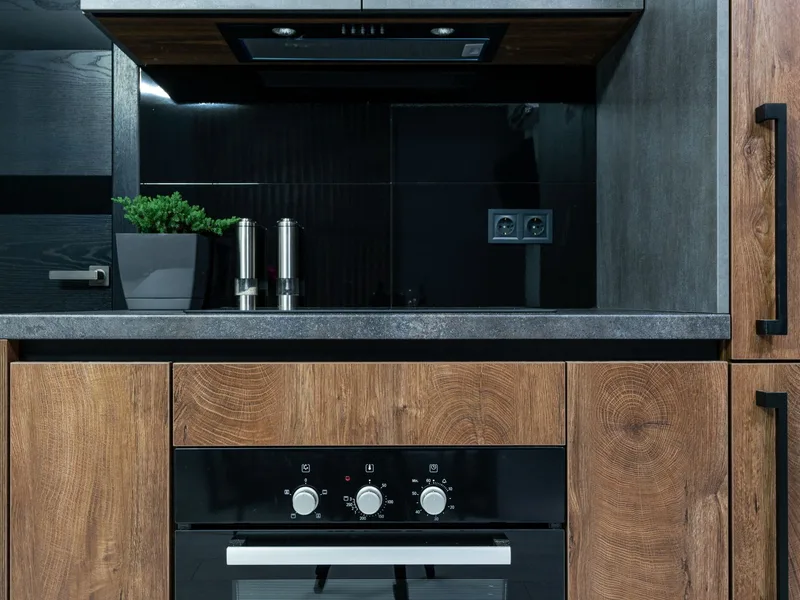
Sweet-feeding ants in these flats scavenge crumbs in kitchens and stores, but move freely between units through shared conduits as they search for food sources, making isolation of a single flat ineffective.
The grease and protein feeders
Grease-feeding ants love food residue and the damp service runs beneath the building, moving through shared foundations where moisture persists from incomplete drainage.
The trail and its direction
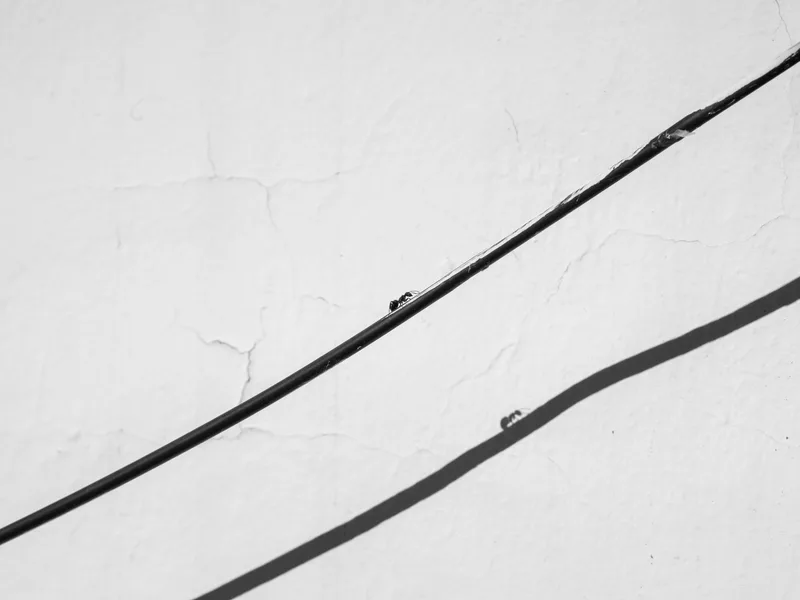
The trail starts from the shared foundation beneath the block and climbs through holes and cracks in floor slabs, then spreads from flat to flat via shared entrance ways and service shafts.
Moisture before food
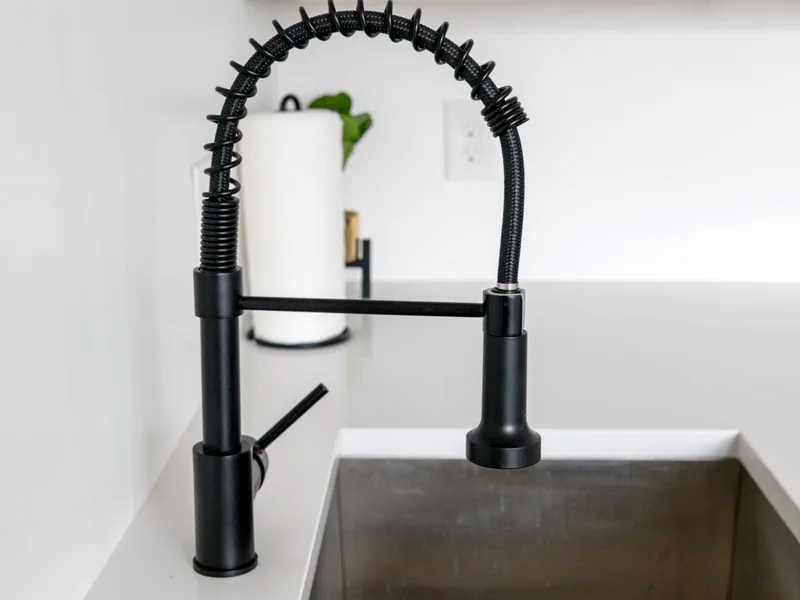
Moisture from incomplete drainage under the building is what keeps ants present year round. A single spray does not solve the problem unless the foundation zone outside is also treated.
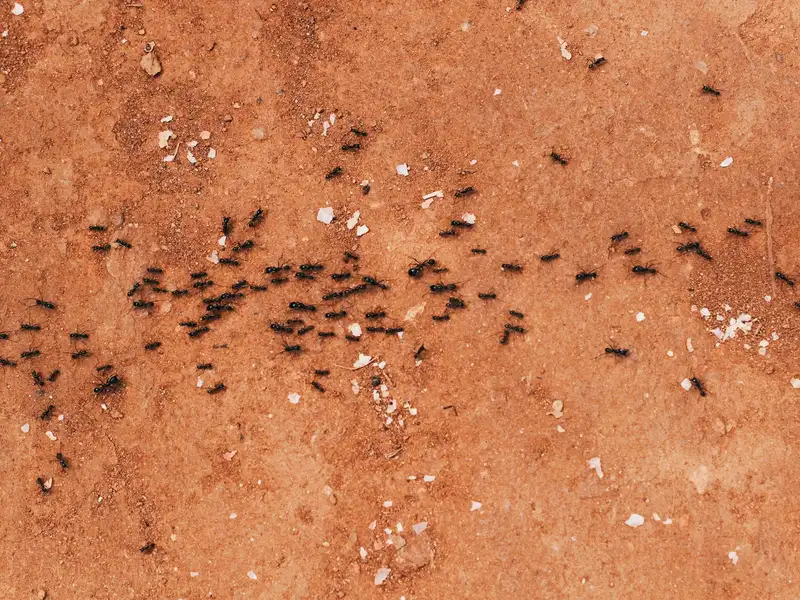
The nest outside the building
The main nest is usually beneath the building's foundations or inside shared internal walls, not confined to your flat alone, so treatment around the perimeter of each block is critical to stopping re-infestation.
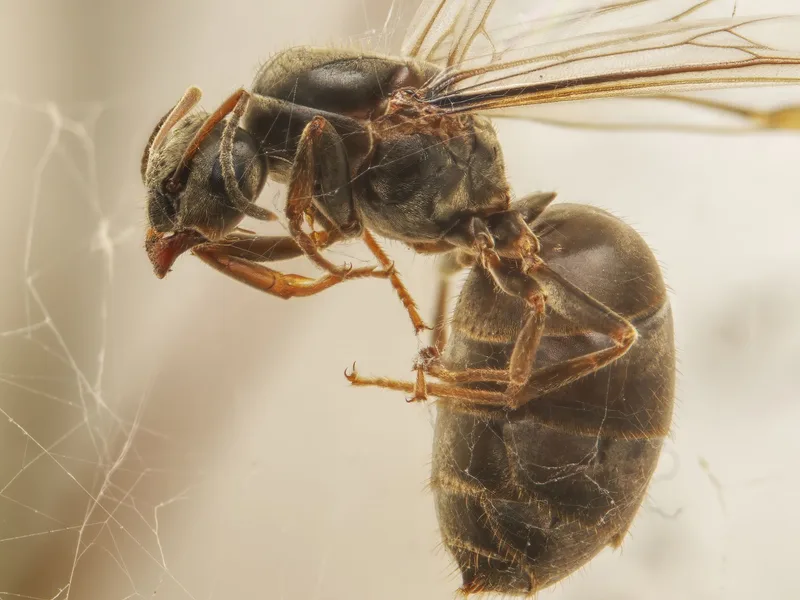
Winged ants
Winged ants appear in spring and summer when new queens need to leave the nest, and you may see them inside flats too because the shared nest beneath the building produces winged males and females.
How we work
-
1
Inspect and follow the trail
We follow the line from where you see it to where it enters, and establish the species, what it is feeding on and the moisture keeping the nest close.
-
2
Matched bait placed on the trail
We choose the matrix from the feeding preference and place it on the trail itself, leaving the trail intact so the workers carry it to the queen and the brood.
-
3
Treat the perimeter and close the ways in
An external treatment at the wall base and the openings, and we point out the cracks, pipe entries and any branch touching the building.
-
4
The follow-up visit
We come back once the bait has worked through the nest, check the trail is gone, and look for a satellite nest if a new line has appeared.
What ant control includes
-

Following the trail to its source
Species, entry point and the direction of the nest, established before anything is applied.
-

Bait matched to the colony
Sugar or protein according to what the workers are carrying, placed on the trail rather than near it.
-

An external perimeter treatment
A band at the wall base and the outside openings, with the indoor trail left unsprayed so it keeps carrying bait.
-

Moisture points and entries
Condensate lines, sink surrounds, weep holes and pipe entries, which are what keeps a nest against the building.
-

Aftercare instructions
What not to wipe until the bait has been taken, what to cover, and when normal cleaning can resume.
-

A scheduled follow-up
A set date to check the nest and re-bait anywhere still active.
What is different about Briman Sub-Municipality
Briman sub-municipality sits east of the Haramain expressway on Jeddah's north eastern edge. Its older quarters are planned grids of villas and walk-up flats, while the outer districts are new subdivisions still being built out. Seasonal wadis such as Wadi Umm Hablain and Wadi Al Asla cross the area, groundwater runs high in places, and drainage networks in the newer districts are incomplete, so soil around foundations stays damp. Vacant plots, live building sites and constant dust give crawling insects and rodents easy routes into homes, and the food outlets along the main arteries keep them supplied.
Questions about this district
Why do I have ants if I keep my flat spotlessly clean?
Because they are coming from neighbours or from the shared foundations beneath the building, not from your household habits. In an apartment district, a neighbour who does not treat their unit is a direct source of ants into yours regardless of your own cleanliness.
Should I ask neighbours to treat their flats before I treat mine?
If they are directly adjacent to you, coordination helps, but your initial treatment focuses on sealing entry points from your side. After that treatment is applied, the outcome can still suppress ants arriving from their side for many weeks even if they do not treat immediately.
Is a ground floor flat more vulnerable than one on the third storey?
Yes, lower flats are more exposed because ants enter from the foundations first, then climb upward. However, upper flats can still become infested from below if there is active movement in lower units or in the shared base beneath them.
Can ants come from the roof or from flats above mine?
Rarely. Ants fall due to gravity and have no instinct to climb upward except for a strong reason. However in some cases they can enter through deep cracks in the ceiling if the flat directly above is heavily infested.
Do I need outside treatment or just inside my flat?
Treatment around the foundation of the entire building is essential because ants travel underground. Inside the flat, work focuses on interior zones, shared pipework and the points where ants reach individual units from below.
How often yearly do I need treatment if neighbours never treat their units?
If directly adjacent neighbours remain untreated, you may need treatment every three months. However if you coordinate a single joint treatment with them, the interval extends to six months or longer, because the entire population is suppressed at once.
How much does ant control in Al Rayyan cost?
It is set after the inspection, because the price follows the type of infestation, the size of the space, how far it has spread and the number of visits it needs. Send a photo and a description on WhatsApp and we will give you an estimate before we reach Al Rayyan.
Nearby districts we cover
Other services in Al Rayyan
Other services we provide to residents of Al Rayyan.
-
 Residential
Cockroach control
-
 Residential
Bed bug control
-
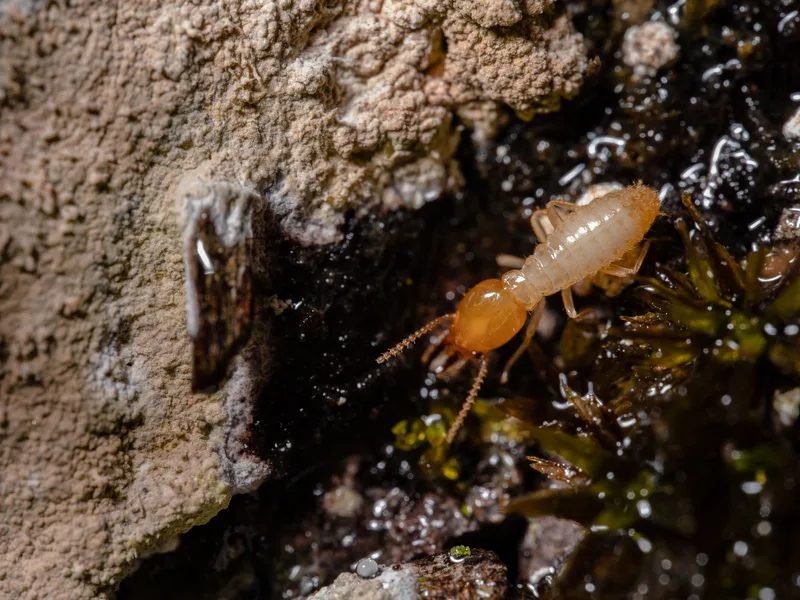 Residential
Termite control
-
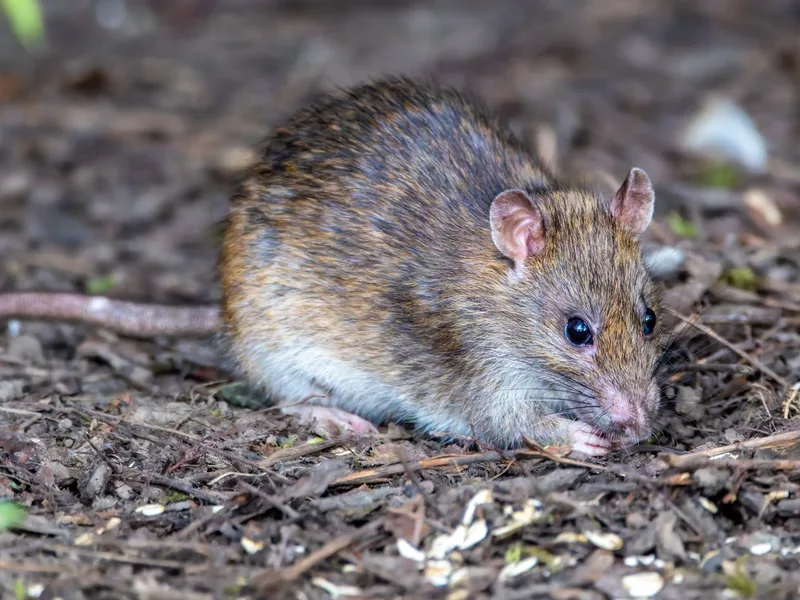 Residential
Rodents and mice
Need ant control in Al Rayyan? Tell us what you saw and we will tell you what it needs
We reach Al Rayyan at a time we agree, and you get the full cost before we start.