
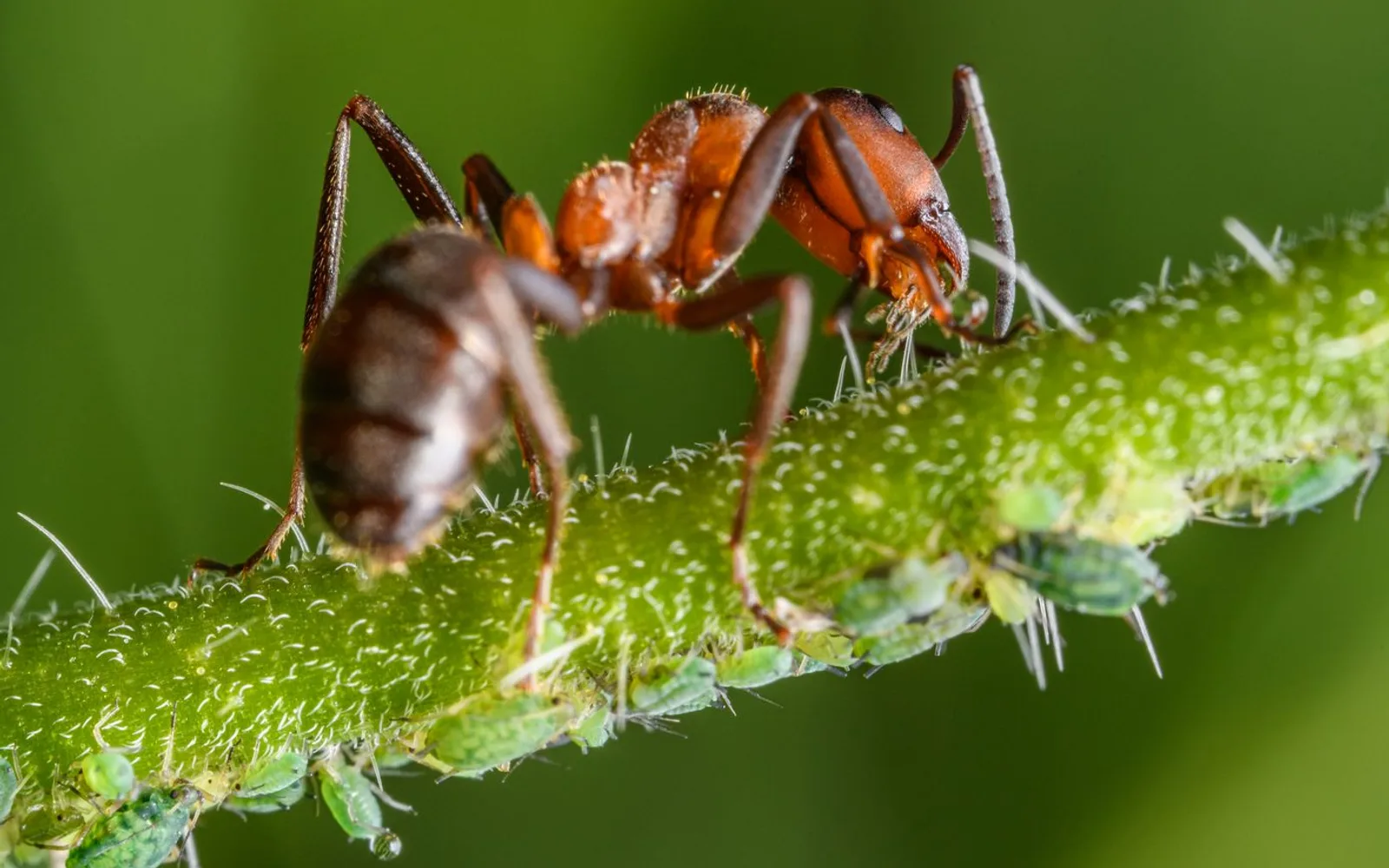
Ant control in Al Rusayfah Makkah
Al Rusayfah is a planned land grant scheme on the third ring road west of the city with orderly housing, medical complexes and neighbourhood parks. The district is new but surrounded by old crowded quarters on hillsides, and ants are drawn to damp ground and new gardens before spreading into the planned housing.
-
Targeted, not broadcast
Product goes into cracks and runways, never sprayed across open surfaces.
-
Told before we start
What we will use, where it goes, and what to cover or move before we arrive.
-
A follow-up visit
We return after the first treatment, because what survives it does not show on the day.
-
Homes and businesses
Apartments and villas, and kitchens and stores that need a record of each visit.
Why they keep coming back in Al Rusayfah
The district is relatively new and infrastructure is modern but gardens and irrigation provide constant dampness, and the railway station and nearby expressways bring traffic and external pressure on the neighbourhood. The method is set out in full on Ant control in detail.
Gardens and irrigation create permanent dampness that draws ants
Neighbourhood gardens and continuous irrigation keep soil and surrounding foundations permanently damp, and ants seek moisture before food. A district beside watered gardens provides ideal conditions always.
Crowded old quarters on hillsides are an external ant source
Popular old districts on the slopes surrounding Al Rusayfah provide natural ant habitat, and ants from these older quarters move readily into the new planned development.
The railway station and major road increase ant pressure
The Haramain station and expressway nearby bring heavy traffic and food debris and ant entry points, and a district beside a major transport hub means sustained high ant pressure from passing traffic and visitors.
Al Rusayfah on the map
Al Rusayfah sits about 1.5 km from Al Hindawiyah and about 2 km from Al Khalidiyah.
Open in Google MapsThe species and the trail decide the bait
A planned land grant development on the third ring road with organised housing and neighbourhood gardens, with the Haramain railway station and the Jeddah expressway entrance on its edge. Al Hindawiyah and Al Khalidiyah lie nearby and Al Shawqiyah borders it.
The sweet feeders
Sweet feeding ants in Al Rusayfah find limited food in organised homes and few shops in the planned district.
The grease and protein feeders
Protein and grease feeders are drawn to debris and plants and damp soil supplied by the gardens.
The trail and its direction
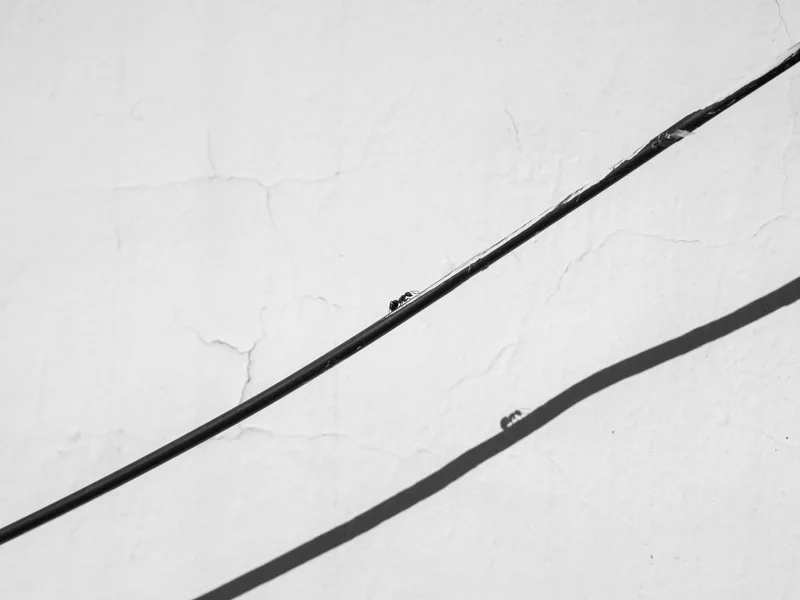
The trail system links old crowded quarters next door to Al Rusayfah through shared soil and foundations.
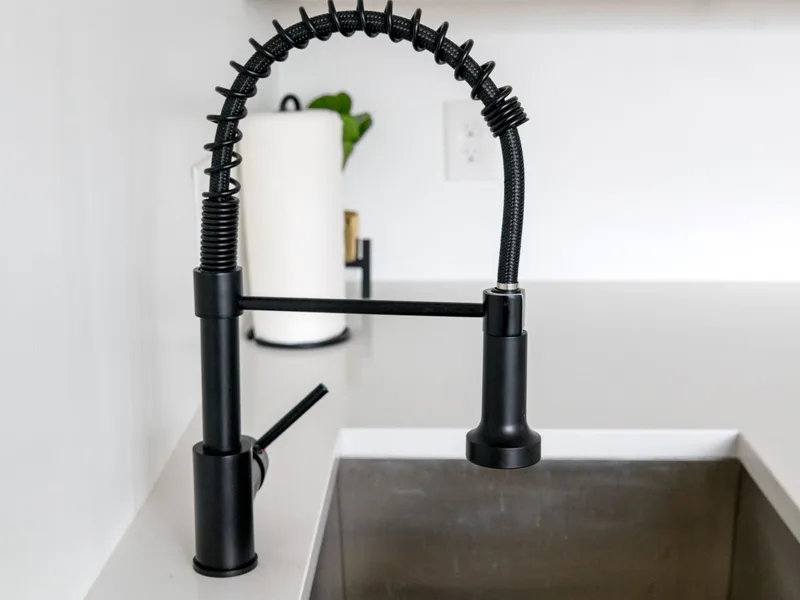
Moisture before food
Dampness from garden irrigation and high soil moisture creates ideal conditions before any food source is sought.
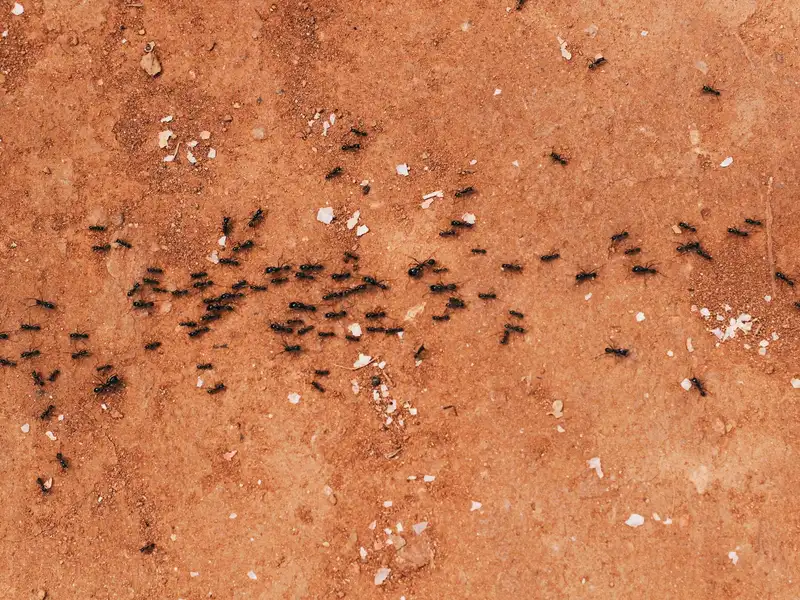
The nest outside the building
The nest outside sits in old crowded quarters nearby or beneath gardens or in soil between developments.
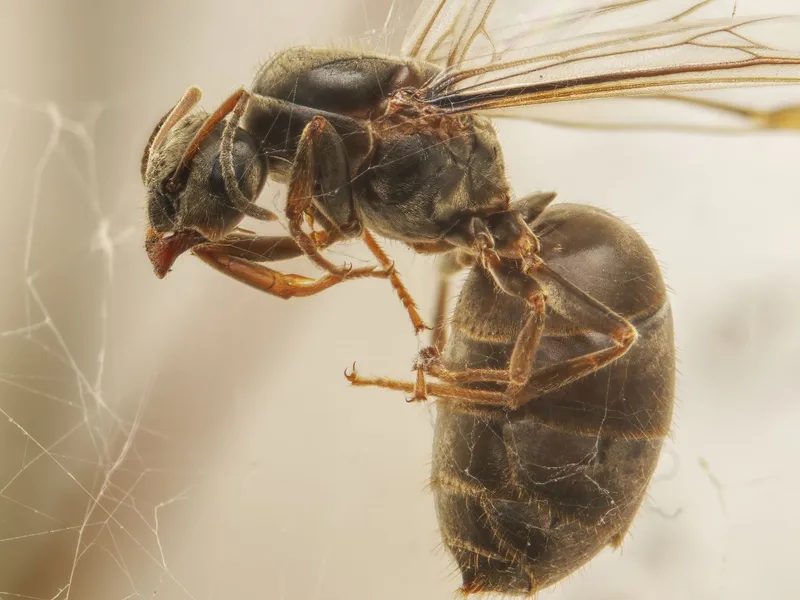
Winged ants
Winged ants emerge from colonies in the surrounding crowded quarters and in damp soil areas.
How we work
-
1
Inspect and follow the trail
We follow the line from where you see it to where it enters, and establish the species, what it is feeding on and the moisture keeping the nest close.
-
2
Matched bait placed on the trail
We choose the matrix from the feeding preference and place it on the trail itself, leaving the trail intact so the workers carry it to the queen and the brood.
-
3
Treat the perimeter and close the ways in
An external treatment at the wall base and the openings, and we point out the cracks, pipe entries and any branch touching the building.
-
4
The follow-up visit
We come back once the bait has worked through the nest, check the trail is gone, and look for a satellite nest if a new line has appeared.
What ant control includes
-

Following the trail to its source
Species, entry point and the direction of the nest, established before anything is applied.
-

Bait matched to the colony
Sugar or protein according to what the workers are carrying, placed on the trail rather than near it.
-

An external perimeter treatment
A band at the wall base and the outside openings, with the indoor trail left unsprayed so it keeps carrying bait.
-

Moisture points and entries
Condensate lines, sink surrounds, weep holes and pipe entries, which are what keeps a nest against the building.
-

Aftercare instructions
What not to wipe until the bait has been taken, what to cover, and when normal cleaning can resume.
-

A scheduled follow-up
A set date to check the nest and re-bait anywhere still active.
What is different about Al Misfalah Sub-Municipality
Al Misfalah sub municipality runs downhill from the south of the Grand Mosque through Al Misfalah, Kudai and Al Rawabi to Al Taqwa, Al Hindawiyah, Al Khalidiyah and Al Rusayfah at the third ring road. The northern end is old apartment blocks and pilgrim hotels with restaurants along Ibrahim Al Khalil Street and the huge coach parks at Kudai. The south and west are dense popular districts with countless small shops and unplanned hillside housing, some of it already cleared for redevelopment, giving way to orderly land grant schemes in Al Rusayfah beside the railway station.
Questions about this district
Is a new organised district more or less prone to ants than old quarters?
A new district may seem less vulnerable but its new gardens and irrigation provide permanent dampness, and surrounding old quarters supply a constant external ant source.
Does ongoing building in nearby districts increase ant problems here?
Yes, excavations and building in surrounding areas provide ant habitat and easy movement, and a new district beside other developing zones means sustained high ant pressure.
Is the Haramain railway station causing ant problems in the district?
The station brings heavy traffic and food litter, but the core problem is dampness from gardens and from old quarters all around.
Is treating a single house enough in a new planned scheme?
No, Al Rusayfah is interconnected and ants move easily between homes, and treating an entire neighbourhood at once is far more effective than treating single properties.
Is dampness from garden irrigation a permanent problem in this district?
Yes, garden watering raises soil moisture permanently, and because ants seek dampness before food, a district beside irrigated gardens provides ideal conditions always.
Does improving drainage and ventilation reduce ant problems in new schemes?
Better infrastructure helps but gardens and irrigation override ventilation improvements, and chemical treatment is essential alongside any structural improvements.
How much does ant control in Al Rusayfah cost?
It is set after the inspection, because the price follows the type of infestation, the size of the space, how far it has spread and the number of visits it needs. Send a photo and a description on WhatsApp and we will give you an estimate before we reach Al Rusayfah.
Nearby districts we cover
Other services in Al Rusayfah
Other services we provide to residents of Al Rusayfah.
-
 Residential
Cockroach control
Residential
Cockroach control
-
 Residential
Bed bug control
Residential
Bed bug control
-
 Residential
Termite control
Residential
Termite control
-
 Residential
Rodents and mice
Residential
Rodents and mice
-
 Residential
Mosquito control
Residential
Mosquito control
-
 Residential
Fly control
Residential
Fly control
-
 Residential
Gecko control
Residential
Gecko control
-
 Residential
Scorpion control
Residential
Scorpion control
-
 Residential
Snake control
Residential
Snake control
-
 Residential
Flea control
Residential
Flea control
-
 Residential
Bird and pigeon control
Residential
Bird and pigeon control
-
 Residential
Preventive treatment
Residential
Preventive treatment
-
 Residential
Disinfection
Residential
Disinfection
-
 Commercial
Annual contracts
Commercial
Annual contracts
-
 Commercial
Restaurants and cafes
Commercial
Restaurants and cafes
-
 Commercial
Hotels and apartments
Commercial
Hotels and apartments
-
 Commercial
Warehouses and factories
Commercial
Warehouses and factories
-
 Commercial
Schools and nurseries
Commercial
Schools and nurseries
-
 Commercial
Retail and malls
Commercial
Retail and malls
-
 Commercial
Rest houses and farms
Commercial
Rest houses and farms
-
 Commercial
Fumigation
Commercial
Fumigation
-
 Water tanks
Water tank cleaning
Water tanks
Water tank cleaning
-
 Water tanks
Water tank sterilization
Water tanks
Water tank sterilization
-
 Water tanks
Water tank sealing
Water tanks
Water tank sealing
-
 Water tanks
Tank leak repair
Water tanks
Tank leak repair
Need ant control in Al Rusayfah? Tell us what you saw and we will tell you what it needs
We reach Al Rusayfah at a time we agree, and you get the full cost before we start.