
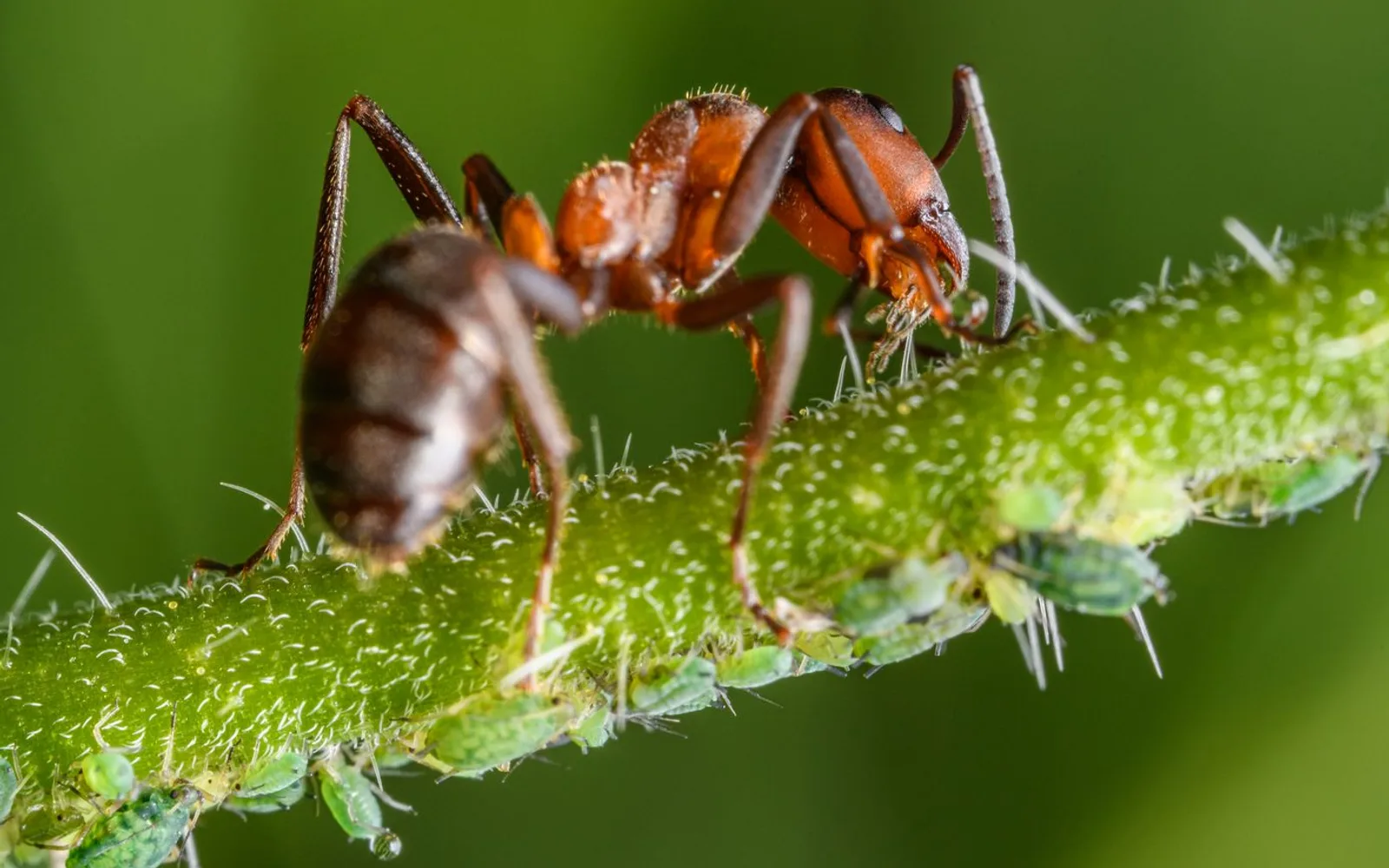
Ant control in Harat Al Mazloum Jeddah
Harat Al Mazloum is the heart of old Jeddah with timber rawashin and tall stone buildings shoulder to shoulder on dark narrow lanes. Ants here nest in deep stone and timber and in the voids between walls accumulated over centuries, and treatment differs entirely from modern districts because the nest may be in the building's very foundations.
-
Targeted, not broadcast
Product goes into cracks and runways, never sprayed across open surfaces.
-
Told before we start
What we will use, where it goes, and what to cover or move before we arrive.
-
A follow-up visit
We return after the first treatment, because what survives it does not show on the day.
-
Homes and businesses
Apartments and villas, and kitchens and stores that need a record of each visit.
Why they keep coming back in Harat Al Mazloum
Nests here are very deep in stone walls that may be a century old or more, and you may find the ants coming from below ground through ancient construction spaces beneath the quarter that no longer appear on modern maps. The method is set out in full on Ant control in detail.
Old timber and stone provide permanent shelter
Wooden rawashin and ancient stone walls shelter the ants from wind and dry air, and cracks between stone and timber are deep, long and often have multiple entry points. Surface treatment alone cannot reach the nest or interrupt the trails within the walls.
Narrow lanes trap moisture and food
Little sun reaches the cramped lanes, keeping them damp through the day, and food shops and eateries leave waste on the pavement. The ant finds every requirement within one narrow street and need not venture further.
Close set buildings create a unified ant network
Each building stands against its neighbour with almost no gap, and ants move house to house through shared walls. Breaking the problem requires treating the whole quarter as one system, not individual houses in isolation.
Landmarks of Harat Al Mazloum
Harat Al Mazloum around Al Shafi'i Mosque and Souq Al Jami is a tight, complex space, so treatment focuses on visible openings of shops and homes and on the quarter's outer perimeter around Bab Makkah, because ant trails rise from the souq below and climb through shared walls that run parallel to Al Alawi Street.
- Al Shafi'i Mosque
- Souq Al Jami
- Baeshen House
- Bab Makkah
- Al Alawi Street
The species and the trail decide the bait
High sea humidity and low lying ground close to the port, combined with popular markets trading day and night and constant food waste, make the quarter an ideal environment for ants to establish deep, long lived colonies.
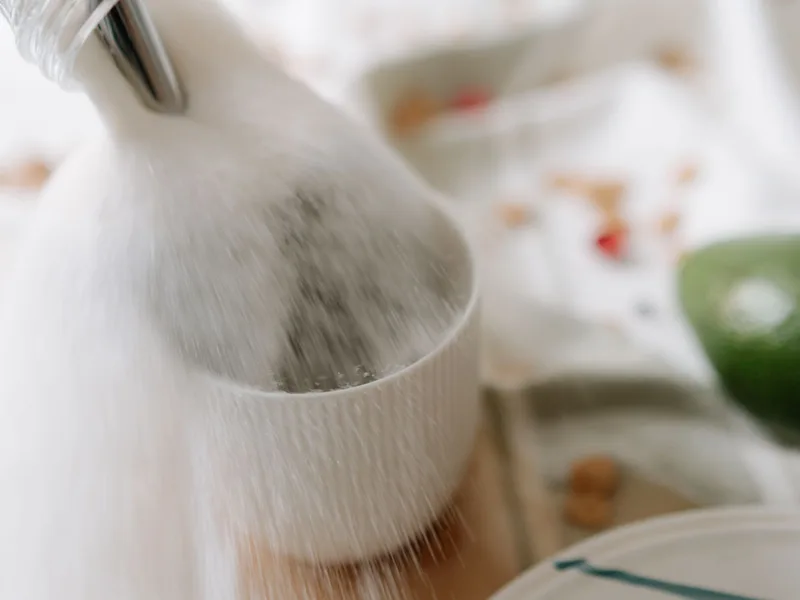
The sweet feeders
Sugar seeking ants here nest deep in stone walls and emerge at night searching for sweet crumbs and dates in homes and markets, driven by the smells of the old quarter.
The grease and protein feeders
Protein seeking ants concentrate in the popular markets and small eateries, eating food waste from floors and walls without straying far from their fat and oil sources.
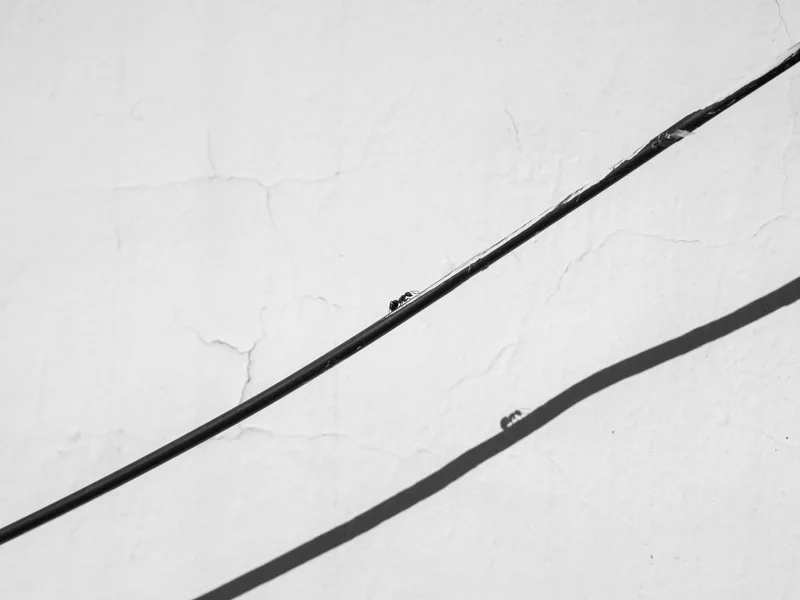
The trail and its direction
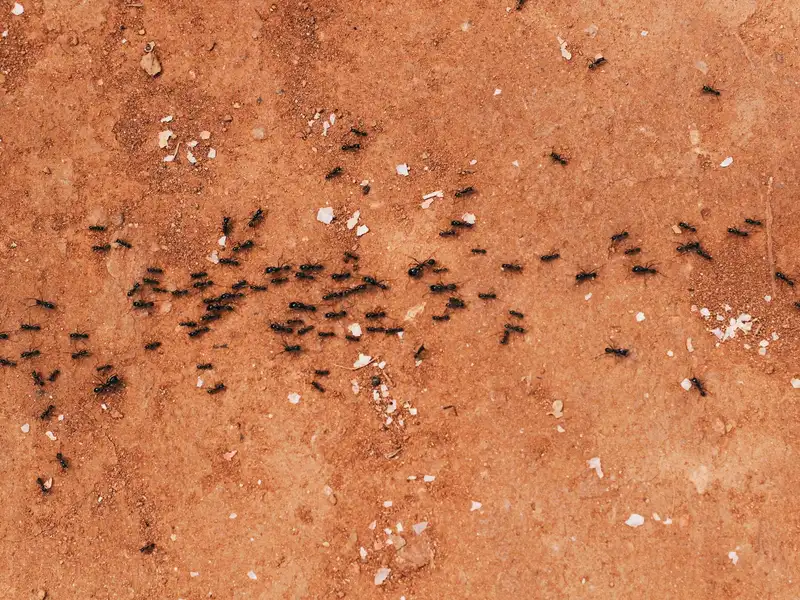
The main trail starts underground and rises through stone walls from the inside, often invisible because the ants run inside the stone itself rather than on the surface where you can see them.
Moisture before food
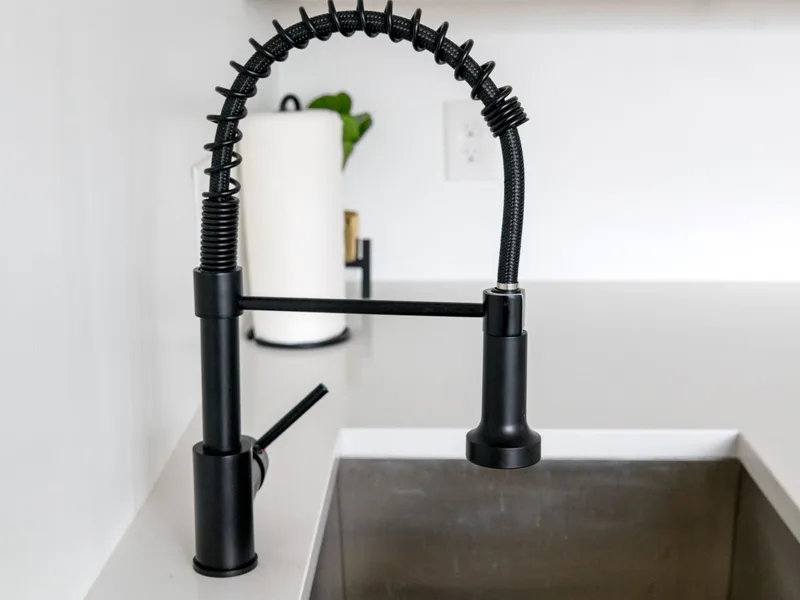
High humidity and continuous seepage from foundations and lower walls supply all the moisture the ants need, especially in winter and rainy seasons when the lanes become streams.
The nest outside the building
Outside nests lie beneath the lanes and in building foundations and may extend three metres or deeper, so surface treatment cannot reach them.
Winged ants
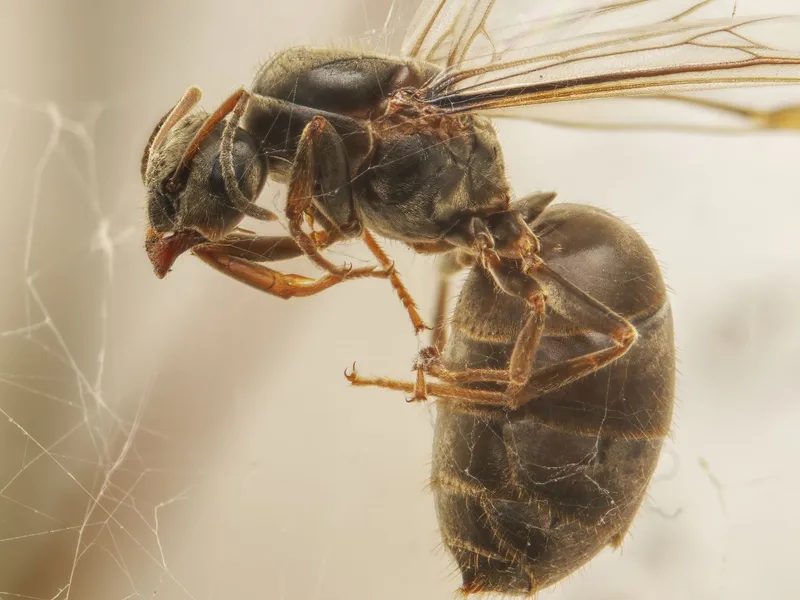
Winged ants emerge from the old quarter in hot seasons and spread quickly to adjoining districts if not stopped at once, so speed is essential to prevent new colonies establishing in neighbouring areas.
How we work
-
1
Inspect and follow the trail
We follow the line from where you see it to where it enters, and establish the species, what it is feeding on and the moisture keeping the nest close.
-
2
Matched bait placed on the trail
We choose the matrix from the feeding preference and place it on the trail itself, leaving the trail intact so the workers carry it to the queen and the brood.
-
3
Treat the perimeter and close the ways in
An external treatment at the wall base and the openings, and we point out the cracks, pipe entries and any branch touching the building.
-
4
The follow-up visit
We come back once the bait has worked through the nest, check the trail is gone, and look for a satellite nest if a new line has appeared.
What ant control includes
-

Following the trail to its source
Species, entry point and the direction of the nest, established before anything is applied.
-

Bait matched to the colony
Sugar or protein according to what the workers are carrying, placed on the trail rather than near it.
-

An external perimeter treatment
A band at the wall base and the outside openings, with the indoor trail left unsprayed so it keeps carrying bait.
-

Moisture points and entries
Condensate lines, sink surrounds, weep holes and pipe entries, which are what keeps a nest against the building.
-

Aftercare instructions
What not to wipe until the bait has been taken, what to cover, and when normal cleaning can resume.
-

A scheduled follow-up
A set date to check the nest and re-bait anywhere still active.
What is different about Historic Jeddah Municipality
The Historic Jeddah municipality covers the quarters of Al Balad inside the old wall: Al Mazloum, Al Sham, Al Yaman and Al Bahr. The buildings are tall houses of coral limestone and timber rawashin, centuries old, standing shoulder to shoulder on narrow lanes that see little sun, many under restoration or partly vacant. The ground is low and close to the sea and the harbour, humidity stays high through the year, and popular souqs and eateries trade late into the night. Old timber, voids between walls and goods stores create conditions favoured by termites, cockroaches, rodents and wood boring beetles.
Questions about this district
The house is very old and the ants come from the walls themselves. Can they be eliminated?
Yes, but treatment differs from modern districts. We inject stone and timber from inside and outside, focusing on every opening, crack and void between shared walls that connect to active trails.
The entire quarter has ants. Must every house be treated?
Effective treatment focuses on homes with clear ant activity and the quarter's outer perimeter, but closely packed houses may require coordination with neighbours if their walls are connected to your ant trails.
Is treating historic timber safe, or will it damage the rawashin?
We use baits that are safe on ancient wood and cause no harm, but we do not spray indiscriminately as random spray can damage timber. We inject only into cracks where the trails run.
The popular market sits below the house. Do the ants come from there?
Yes, food waste from the market attracts ants, and they travel underground then rise into your home through cracks in the foundations and lower walls where moisture collects.
I saw white ants. Is it an ant or a wood-boring insect?
It is often a wood borer, not a termite, but we inspect closely and identify the species. If it is a termite, treatment is different and more urgent because they consume the timber itself.
The cracks in the stone are full of ants. Must they all be injected?
We do not need to inject every crack, only the main ant trails that we identify by tracing. Bait carried by workers reaches all connected nests along the same path.
How much does ant control in Harat Al Mazloum cost?
It is set after the inspection, because the price follows the type of infestation, the size of the space, how far it has spread and the number of visits it needs. Send a photo and a description on WhatsApp and we will give you an estimate before we reach Harat Al Mazloum.
Nearby districts we cover
Other services in Harat Al Mazloum
Other services we provide to residents of Harat Al Mazloum.
-
 Residential
Cockroach control
Residential
Cockroach control
-
 Residential
Bed bug control
Residential
Bed bug control
-
 Residential
Termite control
Residential
Termite control
-
 Residential
Rodents and mice
Residential
Rodents and mice
-
 Residential
Mosquito control
Residential
Mosquito control
-
 Residential
Fly control
Residential
Fly control
-
 Residential
Gecko control
Residential
Gecko control
-
 Residential
Scorpion control
Residential
Scorpion control
-
 Residential
Snake control
Residential
Snake control
-
 Residential
Flea control
Residential
Flea control
-
 Residential
Bird and pigeon control
Residential
Bird and pigeon control
-
 Residential
Preventive treatment
Residential
Preventive treatment
-
 Residential
Disinfection
Residential
Disinfection
-
 Commercial
Annual contracts
Commercial
Annual contracts
-
 Commercial
Restaurants and cafes
Commercial
Restaurants and cafes
-
 Commercial
Hotels and apartments
Commercial
Hotels and apartments
-
 Commercial
Warehouses and factories
Commercial
Warehouses and factories
-
 Commercial
Schools and nurseries
Commercial
Schools and nurseries
-
 Commercial
Retail and malls
Commercial
Retail and malls
-
 Commercial
Rest houses and farms
Commercial
Rest houses and farms
-
 Commercial
Fumigation
Commercial
Fumigation
-
 Water tanks
Water tank cleaning
Water tanks
Water tank cleaning
-
 Water tanks
Water tank sterilization
Water tanks
Water tank sterilization
-
 Water tanks
Water tank sealing
Water tanks
Water tank sealing
-
 Water tanks
Tank leak repair
Water tanks
Tank leak repair
Need ant control in Harat Al Mazloum? Tell us what you saw and we will tell you what it needs
We reach Harat Al Mazloum at a time we agree, and you get the full cost before we start.