
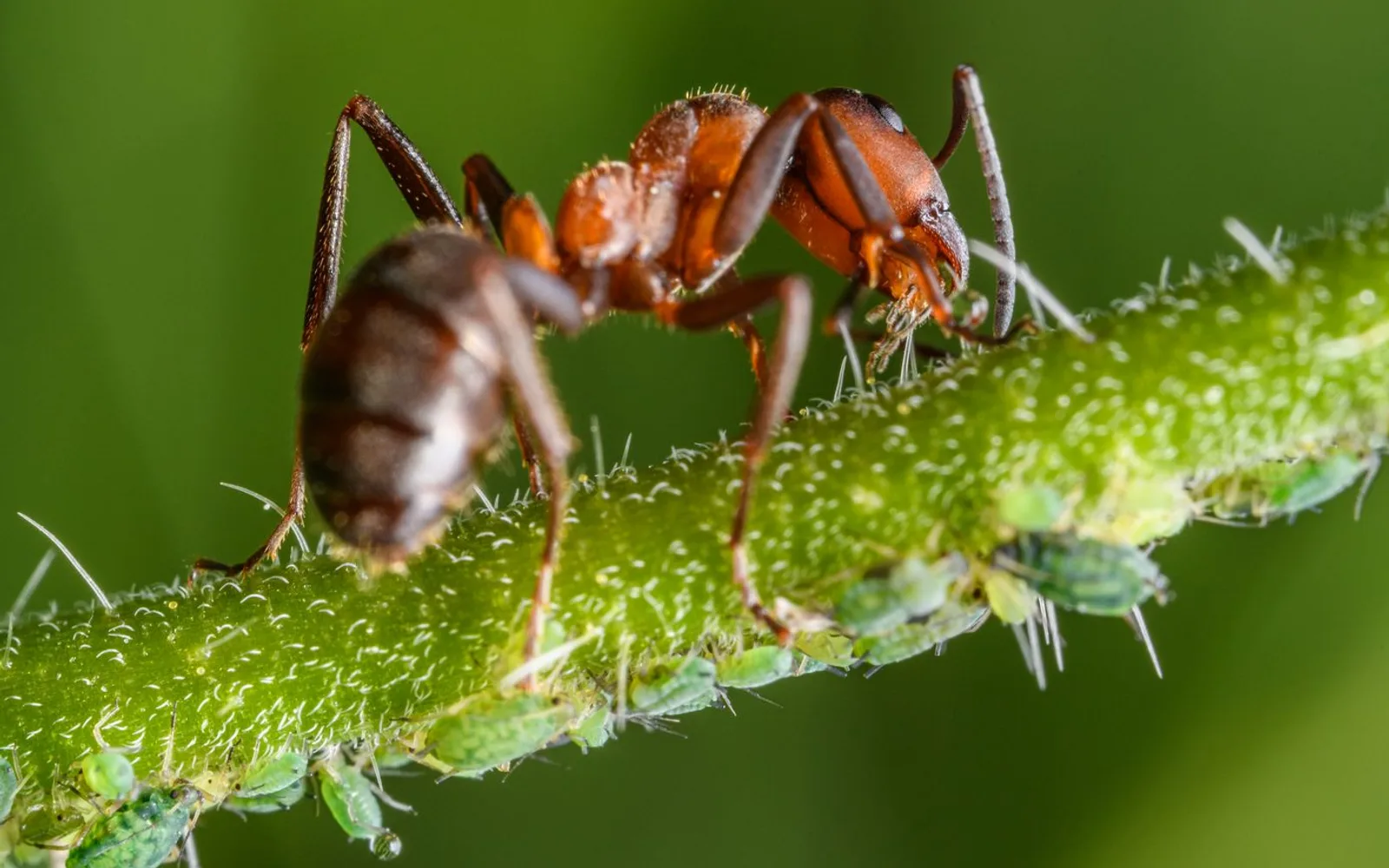
Ant control in Harat Al Bahr Jeddah
Harat Al Bahr is an ancient quarter where coral stone houses stand shoulder to shoulder and sea moisture penetrates foundations and walls. Ants here are deeply established in soil and subsurface gaps for generations, making treatment far more demanding than any modern district. High moisture and shared foundations mean ants move freely between homes.
-
Targeted, not broadcast
Product goes into cracks and runways, never sprayed across open surfaces.
-
Told before we start
What we will use, where it goes, and what to cover or move before we arrive.
-
A follow-up visit
We return after the first treatment, because what survives it does not show on the day.
-
Homes and businesses
Apartments and villas, and kitchens and stores that need a record of each visit.
Why they keep coming back in Harat Al Bahr
Old houses in Harat Al Bahr show intense ant activity in damp seasons, and ants return quickly after any surface treatment because sea moisture and salt draw them back faster than in dry quarters, defeating casual retreatments. The method is set out in full on our Ant control service.
Sea moisture always comes before the bait
Sea moisture seeps through stone and old foundations. Moisture-seeking ants prioritise dampness over food. If moisture control is not the first step, ants will not carry bait to the queen because their need for water is stronger than their hunger. The entire colony will gather at the damp source instead.
Stone foundations hold ancient deep nests
Stone and the gaps between stones hold nests that run deep, and permanent moisture has allowed the colony to establish itself for years. Surface treatment may alarm the workers only, never reaching the queen in her chamber far below the floor. The nest must be reached through the stone itself.
Tight lanes mean nests are shared underground
Adjoining houses are connected beneath ground through shared stone gaps. You may treat your home thoroughly, but ants cross from next door through these subsurface passages. Co-ordination with neighbours is not optional: without it, control will fail within weeks as the colony reinfests from untreated adjacent homes.
The character of Harat Al Bahr
Historic district: close-set buildings, narrow lanes and ageing services
Historic old stone construction means high moisture, deep established nests and foundations shared between homes. Treatment focuses first on moisture control and then on reaching deep nests through the stone. Co-ordination with neighbours is essential because subsurface gaps are shared and ants reinfest from untreated adjacent homes.
The species and the trail decide the bait
Proximity to the harbour and the sea means constant high humidity. Salt-laden soil and coastal dampness seep through old stone foundations. The narrow lanes mean nests may be shared beneath multiple homes, making one home's treatment dependent on its neighbours' co-operation.

The sweet feeders
Sugar-seeking ants in Harat Al Bahr are drawn to stored honey and food scraps in homes, moving swiftly between adjoining houses through narrow stone cracks and shared foundations.
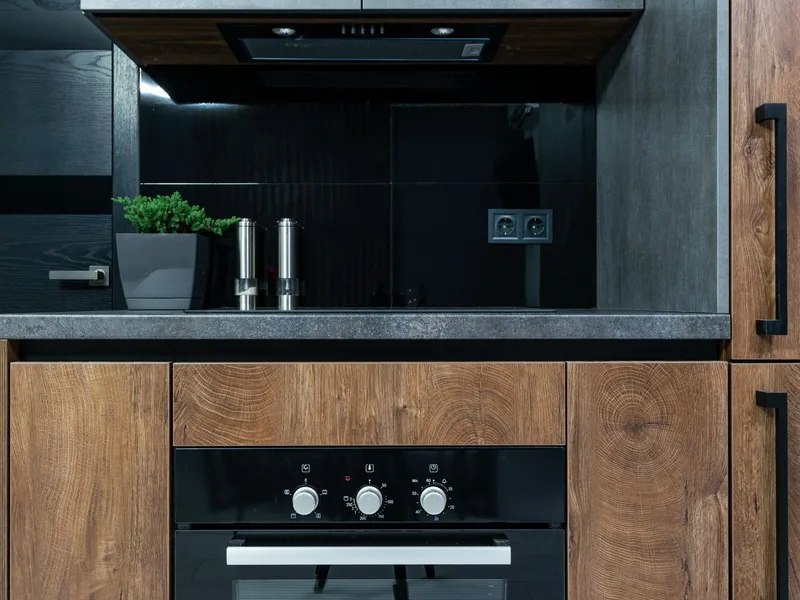
The grease and protein feeders
Grease-seeking ants concentrate where oils and fats collect, and permanent dampness creates ideal breeding conditions for rapid population growth in these zones.
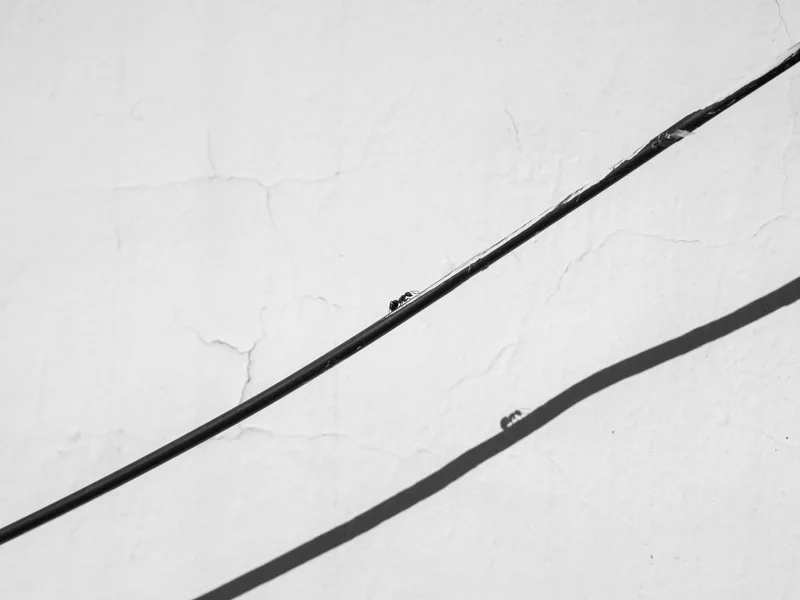
The trail and its direction
The trail originates in shared subsurface gaps beneath adjoining homes and climbs through stone and narrow cracks in old walls, following paths worn by centuries of ant movement.
Moisture before food
Sea moisture and salt in the soil draw ants before food search begins; the colony gathers near moisture sources in preference to feeding areas throughout the building.
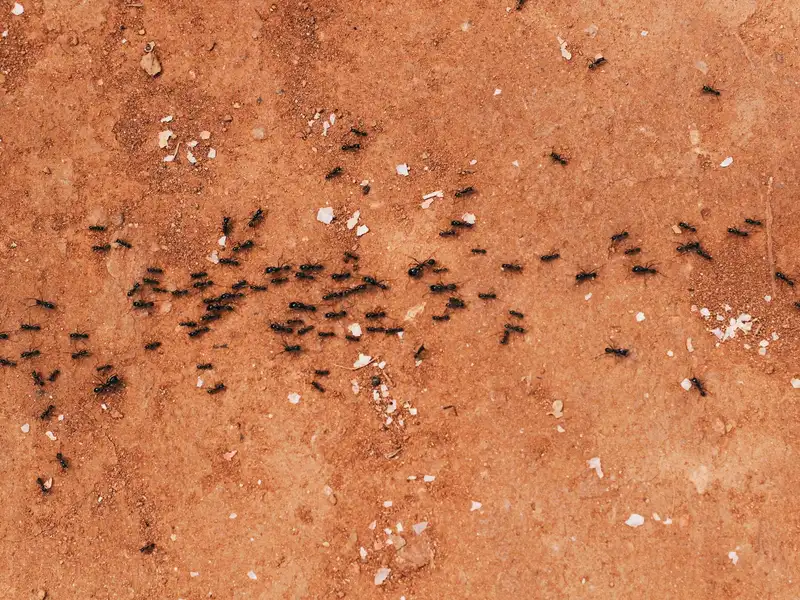
The nest outside the building
Nests lie deep beneath stone foundations and in shared soil between homes, holding millions of ants established there for years. They are not in the houses themselves but beneath them.
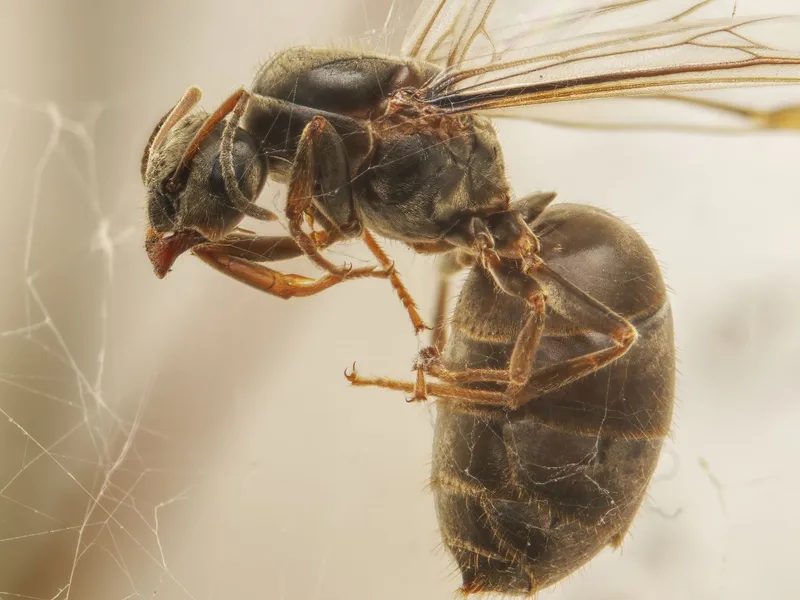
Winged ants
Winged ants appear frequently because high humidity and waterfront warmth accelerate the reproductive cycle. Their presence signals that subsurface colonies are numerous and at peak vigour.
How we work
-
1
Inspect and follow the trail
We follow the line from where you see it to where it enters, and establish the species, what it is feeding on and the moisture keeping the nest close.
-
2
Matched bait placed on the trail
We choose the matrix from the feeding preference and place it on the trail itself, leaving the trail intact so the workers carry it to the queen and the brood.
-
3
Treat the perimeter and close the ways in
An external treatment at the wall base and the openings, and we point out the cracks, pipe entries and any branch touching the building.
-
4
The follow-up visit
We come back once the bait has worked through the nest, check the trail is gone, and look for a satellite nest if a new line has appeared.
What ant control includes
-

Following the trail to its source
Species, entry point and the direction of the nest, established before anything is applied.
-

Bait matched to the colony
Sugar or protein according to what the workers are carrying, placed on the trail rather than near it.
-

An external perimeter treatment
A band at the wall base and the outside openings, with the indoor trail left unsprayed so it keeps carrying bait.
-

Moisture points and entries
Condensate lines, sink surrounds, weep holes and pipe entries, which are what keeps a nest against the building.
-

Aftercare instructions
What not to wipe until the bait has been taken, what to cover, and when normal cleaning can resume.
-

A scheduled follow-up
A set date to check the nest and re-bait anywhere still active.
Landmarks of Harat Al Bahr
Treatment and tracing in Harat Al Bahr begins near Bab Al Bunt where subsurface gaps widen beneath the surface, and extends along Qabil Street where many shops and homes create multiple food sources. Work there demands close understanding of the quarter's ancient layout and its interconnected subsurface passages that link every home together.
- Bab Al Bunt
- Qabil Street
- Dar Radwan
- Akkash Mosque
Questions about this district
Why do ants return so quickly despite intense treatment in the quarter?
High coastal humidity and salt in the soil make old foundations an ideal year-round home for ants. Deep nests in the stone hold millions. Multiple treatments and humidity control combined may be needed, and success depends on addressing moisture, not only applying bait.
Will treating my house stop ants if they live in the neighbouring house?
No. The subsurface gaps beneath adjoining houses are fully connected. Ants move easily from house to house through shared stone and soil. Effective control requires co-ordination with neighbours. Treating one house alone leaves open corridors for reinfestations from next door.
Is the salt in sea moisture a food source for ants or only a moisture draw?
Salt itself is not food. Ants seek the moisture that carries salt, and moisture is what attracts them first before any other food. The salty environment here makes the colony's need for water more urgent than hunger, so moisture control becomes the dominant factor in control.
Can moisture problems in old stone foundations be repaired at all?
Full engineering repairs to old masonry are difficult, but the ground around the house can be dried and openings sealed to keep moisture out. Chemical treatment depends on these physical improvements being in place first. Without them, treatment fails regardless of bait choice.
Do winged ants appear more often in Harat Al Bahr than in other quarters?
Yes. High humidity and warmth from the waterfront setting speed up the breeding cycle. Winged ants appear more visibly in certain seasons, which signals that the colony is at peak strength and expanding. This is a sign that subsurface nests are thriving and numerous.
How often must an old damp quarter like this be retreated?
Damp environments make treatment less stable than dry quarters. More frequent retreatments may be needed, and each treatment depends on improvements in drainage and drying around the home. Success builds over time as moisture control improves, not in a single visit.
How much does ant control in Harat Al Bahr cost?
It is set after the inspection, because the price follows the type of infestation, the size of the space, how far it has spread and the number of visits it needs. Send a photo and a description on WhatsApp and we will give you an estimate before we reach Harat Al Bahr.
Nearby districts we cover
Other services in Harat Al Bahr
Other services we provide to residents of Harat Al Bahr.
-
 Residential
Cockroach control
Residential
Cockroach control
-
 Residential
Bed bug control
Residential
Bed bug control
-
 Residential
Termite control
Residential
Termite control
-
 Residential
Rodents and mice
Residential
Rodents and mice
-
 Residential
Mosquito control
Residential
Mosquito control
-
 Residential
Fly control
Residential
Fly control
-
 Residential
Gecko control
Residential
Gecko control
-
 Residential
Scorpion control
Residential
Scorpion control
-
 Residential
Snake control
Residential
Snake control
-
 Residential
Flea control
Residential
Flea control
-
 Residential
Bird and pigeon control
Residential
Bird and pigeon control
-
 Residential
Preventive treatment
Residential
Preventive treatment
-
 Residential
Disinfection
Residential
Disinfection
-
 Commercial
Annual contracts
Commercial
Annual contracts
-
 Commercial
Restaurants and cafes
Commercial
Restaurants and cafes
-
 Commercial
Hotels and apartments
Commercial
Hotels and apartments
-
 Commercial
Warehouses and factories
Commercial
Warehouses and factories
-
 Commercial
Schools and nurseries
Commercial
Schools and nurseries
-
 Commercial
Retail and malls
Commercial
Retail and malls
-
 Commercial
Rest houses and farms
Commercial
Rest houses and farms
-
 Commercial
Fumigation
Commercial
Fumigation
-
 Water tanks
Water tank cleaning
Water tanks
Water tank cleaning
-
 Water tanks
Water tank sterilization
Water tanks
Water tank sterilization
-
 Water tanks
Water tank sealing
Water tanks
Water tank sealing
-
 Water tanks
Tank leak repair
Water tanks
Tank leak repair
Need ant control in Harat Al Bahr? Tell us what you saw and we will tell you what it needs
We reach Harat Al Bahr at a time we agree, and you get the full cost before we start.