
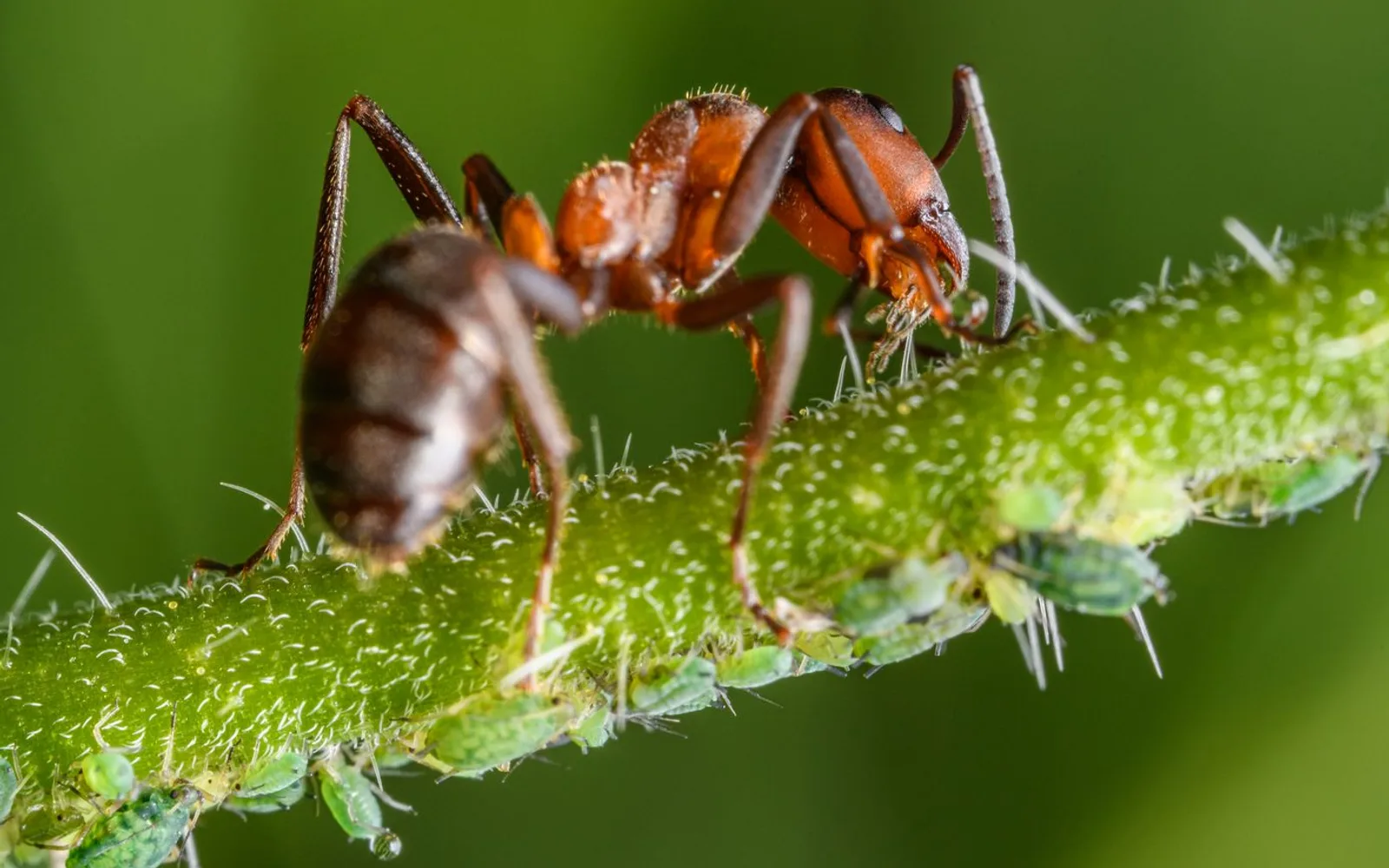
Ant control in Harat Al Sham Jeddah
Harat Al Sham sits inside the old city wall by Bab Al Madinah, with ancient coral stone houses and lanes so narrow that no vehicle passes. The buildings are centuries old and moisture from the nearby sea penetrates the stone. Ants exploit this constant dampness and deep cracks in the masonry. Treatment here requires access on foot and methods different from modern districts.
-
Targeted, not broadcast
Product goes into cracks and runways, never sprayed across open surfaces.
-
Told before we start
What we will use, where it goes, and what to cover or move before we arrive.
-
A follow-up visit
We return after the first treatment, because what survives it does not show on the day.
-
Homes and businesses
Apartments and villas, and kitchens and stores that need a record of each visit.
Why they keep coming back in Harat Al Sham
Long time residents report seasonal ant surges matching sea humidity, with activity highest in corners where stone buildings meet narrow shadowed lanes. The method is set out in full on our Ant control service.
Sea moisture penetrates the coral stone
Coral stone is ancient and hygroscopic, drawing moisture from the nearby sea. Ants live within the stone itself, and deep cracks between stone courses offer natural highways.
Narrow dark lanes hold moisture all day
Lanes between the houses take no sun and shade holds moisture through the entire day. This is ideal ant habitat.
Foundations centuries old and uninsulated
Some of these houses date back centuries and their bases contain no waterproofing. Ants nest in these foundations and climb into the dwellings through deep cracks.
Harat Al Sham on the map
Harat Al Sham sits about 0.5 km from Harat Al Mazloum and about 0.5 km from Harat Al Bahr.
Open in Google MapsThe species and the trail decide the bait
The northern quarter inside the city wall by Bab Al Madinah. Old coral stone buildings such as Dar Al Zahid line very narrow lanes. Historically home to wealthy merchants, it contains Banaja House, Dar Al Sarti, the Ribat Al Khunji Al Kabeer, and the Qishla barracks at its northern edge.

The sweet feeders
Sugar feeders are relatively rare in the lane because residents are few and stored food is scarce, though they exist in the occupied houses.
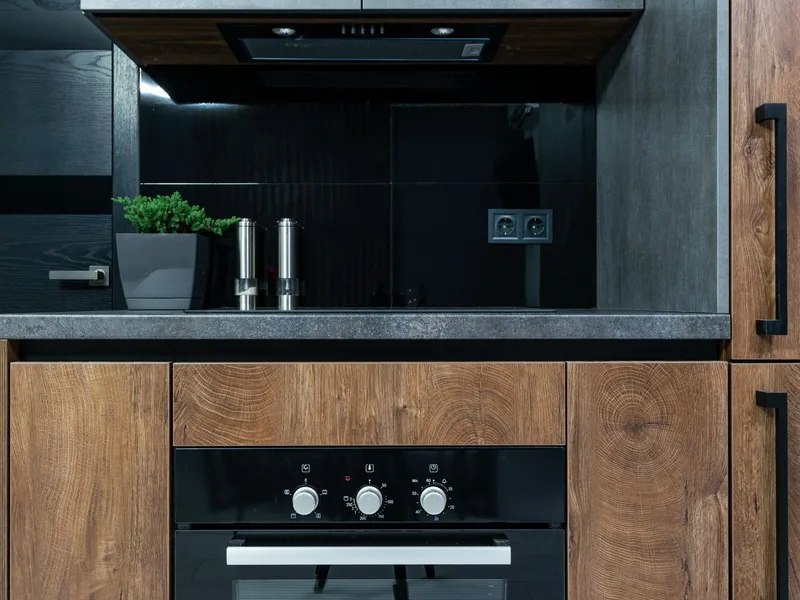
The grease and protein feeders
Grease and protein feeders are less present because the quarter is residential and food scraps are limited.
The trail and its direction
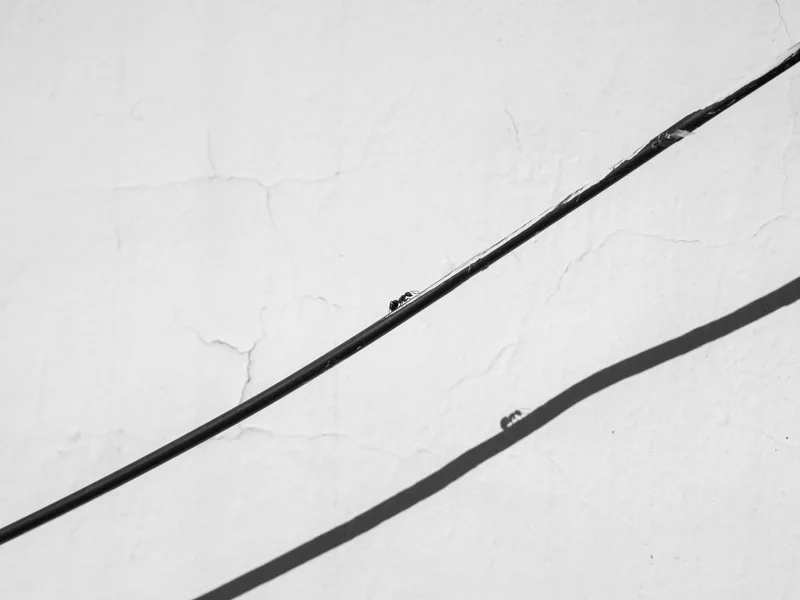
The trail starts in lane cracks between the coral stones and enters houses through deep fissures; trails may run on the stone walls themselves.
Moisture before food
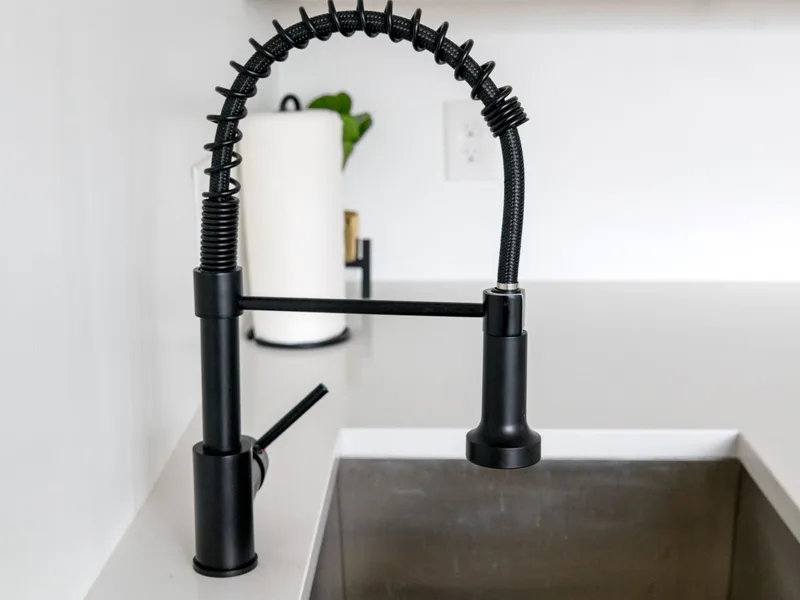
Moisture is the highest of any district because the sea is very close, stones absorb it, and dark lanes hold it all day.
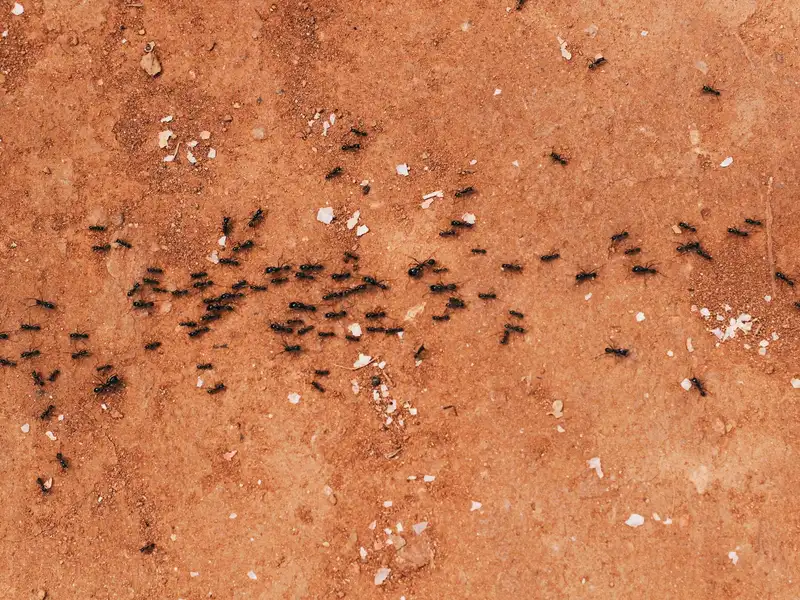
The nest outside the building
The nest sits within the stone itself or in deep cracks between courses, with satellite nests in lane corners and recesses.
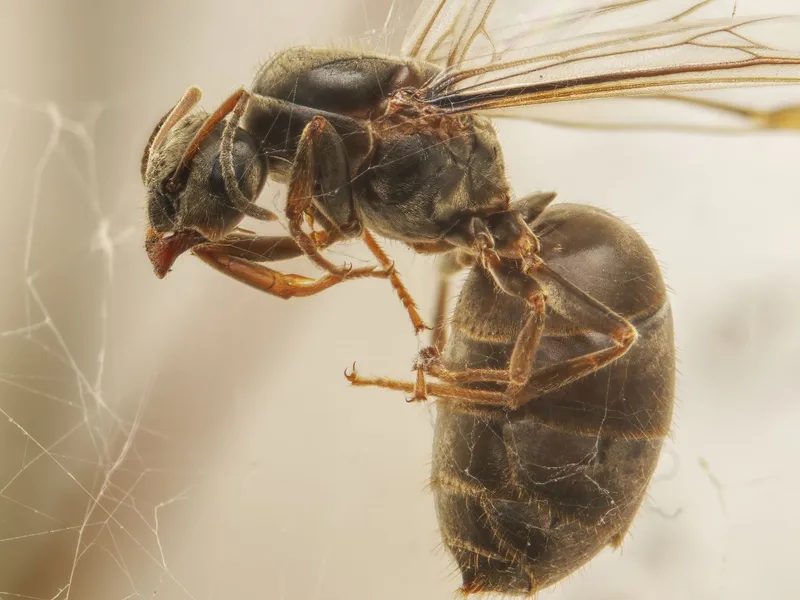
Winged ants
Winged ants emerge after periods of peak humidity and activity follows a seasonal rhythm.
How we work
-
1
Inspect and follow the trail
We follow the line from where you see it to where it enters, and establish the species, what it is feeding on and the moisture keeping the nest close.
-
2
Matched bait placed on the trail
We choose the matrix from the feeding preference and place it on the trail itself, leaving the trail intact so the workers carry it to the queen and the brood.
-
3
Treat the perimeter and close the ways in
An external treatment at the wall base and the openings, and we point out the cracks, pipe entries and any branch touching the building.
-
4
The follow-up visit
We come back once the bait has worked through the nest, check the trail is gone, and look for a satellite nest if a new line has appeared.
What ant control includes
-

Following the trail to its source
Species, entry point and the direction of the nest, established before anything is applied.
-

Bait matched to the colony
Sugar or protein according to what the workers are carrying, placed on the trail rather than near it.
-

An external perimeter treatment
A band at the wall base and the outside openings, with the indoor trail left unsprayed so it keeps carrying bait.
-

Moisture points and entries
Condensate lines, sink surrounds, weep holes and pipe entries, which are what keeps a nest against the building.
-

Aftercare instructions
What not to wipe until the bait has been taken, what to cover, and when normal cleaning can resume.
-

A scheduled follow-up
A set date to check the nest and re-bait anywhere still active.
Landmarks of Harat Al Sham
The lane is enclosed by significant historic landmarks: Dar Al Zahid and Bab Jadid mark the northern gateway. Work is organised through the narrow lanes around these markers, with most access and exit points passing Bab Jadid or Banaja House as orientation points.
- Bab Jadid
- Dar Al Zahid
- Banaja House
- Ribat Al Khunji Al Kabeer
- The Qishla
Questions about this district
Is direct sea moisture the main cause of ant activity?
Yes. The lane is very close to the sea and stone absorbs coastal moisture continuously. Ants live in the dampness within the stone itself.
Are very old stone houses difficult to treat?
Yes. Deep and complex cracks are hard to reach. Treatment may need both inside and outside access and injection into the stone.
Do shadowed dark lanes need different treatment?
Yes. Constant lane moisture requires a bait formulated for high humidity that works better than standard bait.
Do ants in the lane differ from modern districts?
Possibly. Different species may have adapted to high sea moisture and ancient coral stone.
Would restoring the stone houses stop the ants?
It might if new insulation and crack sealing accompany restoration. But if sea moisture persists, ants may return.
Is treatment in the lanes safe for residents and passers by?
Yes. We use safe bait suitable for inhabited areas and focus on cracks and corners away from foot traffic.
How much does ant control in Harat Al Sham cost?
It is set after the inspection, because the price follows the type of infestation, the size of the space, how far it has spread and the number of visits it needs. Send a photo and a description on WhatsApp and we will give you an estimate before we reach Harat Al Sham.
Nearby districts we cover
Other services in Harat Al Sham
Other services we provide to residents of Harat Al Sham.
-
 Residential
Cockroach control
Residential
Cockroach control
-
 Residential
Bed bug control
Residential
Bed bug control
-
 Residential
Termite control
Residential
Termite control
-
 Residential
Rodents and mice
Residential
Rodents and mice
-
 Residential
Mosquito control
Residential
Mosquito control
-
 Residential
Fly control
Residential
Fly control
-
 Residential
Gecko control
Residential
Gecko control
-
 Residential
Scorpion control
Residential
Scorpion control
-
 Residential
Snake control
Residential
Snake control
-
 Residential
Flea control
Residential
Flea control
-
 Residential
Bird and pigeon control
Residential
Bird and pigeon control
-
 Residential
Preventive treatment
Residential
Preventive treatment
-
 Residential
Disinfection
Residential
Disinfection
-
 Commercial
Annual contracts
Commercial
Annual contracts
-
 Commercial
Restaurants and cafes
Commercial
Restaurants and cafes
-
 Commercial
Hotels and apartments
Commercial
Hotels and apartments
-
 Commercial
Warehouses and factories
Commercial
Warehouses and factories
-
 Commercial
Schools and nurseries
Commercial
Schools and nurseries
-
 Commercial
Retail and malls
Commercial
Retail and malls
-
 Commercial
Rest houses and farms
Commercial
Rest houses and farms
-
 Commercial
Fumigation
Commercial
Fumigation
-
 Water tanks
Water tank cleaning
Water tanks
Water tank cleaning
-
 Water tanks
Water tank sterilization
Water tanks
Water tank sterilization
-
 Water tanks
Water tank sealing
Water tanks
Water tank sealing
-
 Water tanks
Tank leak repair
Water tanks
Tank leak repair
Need ant control in Harat Al Sham? Tell us what you saw and we will tell you what it needs
We reach Harat Al Sham at a time we agree, and you get the full cost before we start.