
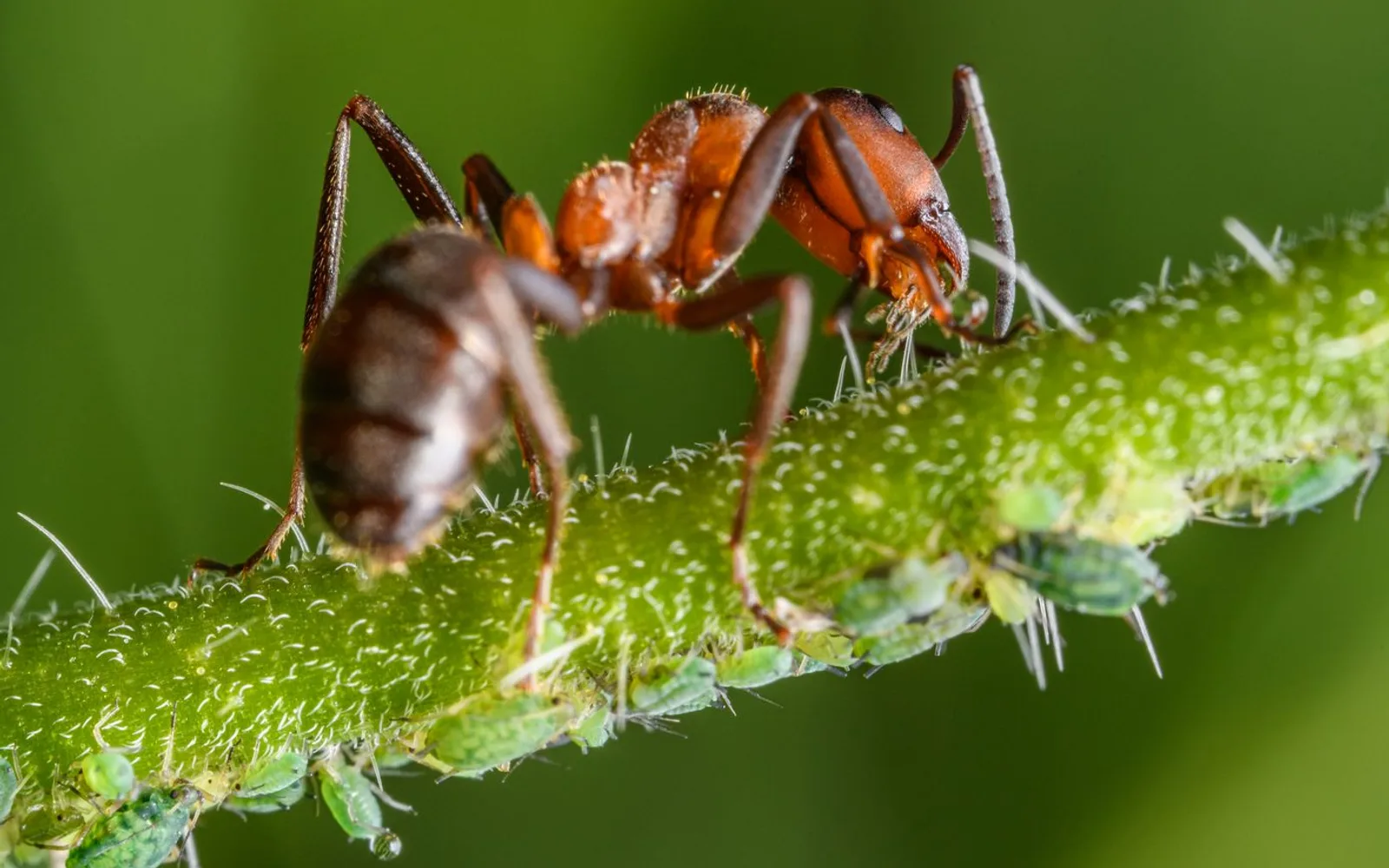
Ant control in Kudai Makkah
Kudai is an old, thinly populated commercial district, but the vast coach parks serving seasonal traffic deposit thousands of passengers daily and leave food scraps scattered everywhere. Small warehouses set apart among open ground provide long uninterrupted routes for ants to travel before reaching any building, making entry points easy to pass by.
-
Targeted, not broadcast
Product goes into cracks and runways, never sprayed across open surfaces.
-
Told before we start
What we will use, where it goes, and what to cover or move before we arrive.
-
A follow-up visit
We return after the first treatment, because what survives it does not show on the day.
-
Homes and businesses
Apartments and villas, and kitchens and stores that need a record of each visit.
Why they keep coming back in Kudai
Seasonal coach parks experience frenzied activity at peak times, and ants spread freely in the empty spaces between vehicles, then enter adjacent warehouses in search of stored food. The method is set out in full on how we approach Ant control.
Open ground and distant nests
An ant colony here has vast space to forage before finding permanent shelter. The nest may sit hundreds of metres from the warehouse itself, under storage stacks or at the road edge. Following the trail back to the original colony is essential, because the primary nest may survive undetected if the warehouses alone are treated.
Seasonal surges and scattered food residue
Peak season floods thousands of travellers daily, then empties into silence for weeks. Ants adapt to these pulses, spreading wide during busy times and retreating to open ground when traffic drops. Scattered crumbs and drink residue provide intermittent but sufficient food sources.
Mixed warehouses and targeted baiting
One warehouse stores dry goods, another holds damp materials. Ants choose a bait that matches what is stored nearby. Random treatment may miss a warehouse harbouring a different ant species that needs a different bait formulation entirely.
Landmarks of Kudai
Kudai is a seasonal zone anchored by fixed landmarks: the Zamzam Water Project marks the southern boundary and Kudai Towers on the Kudai Ajyad Tunnel side define the eastern approach. Nests are often established close to these reference points just below the surface where shade and shelter concentrate.
- Kudai Car Parks
- Zamzam Water Project
- Kudai Towers
- Kudai Ajyad Tunnel
- Jabal Khandamah
The species and the trail decide the bait
Wide exposed land with scattered warehouses; stacked goods and vacant plots offer shelter for nests to establish before ants reach the buildings themselves.
The sweet feeders
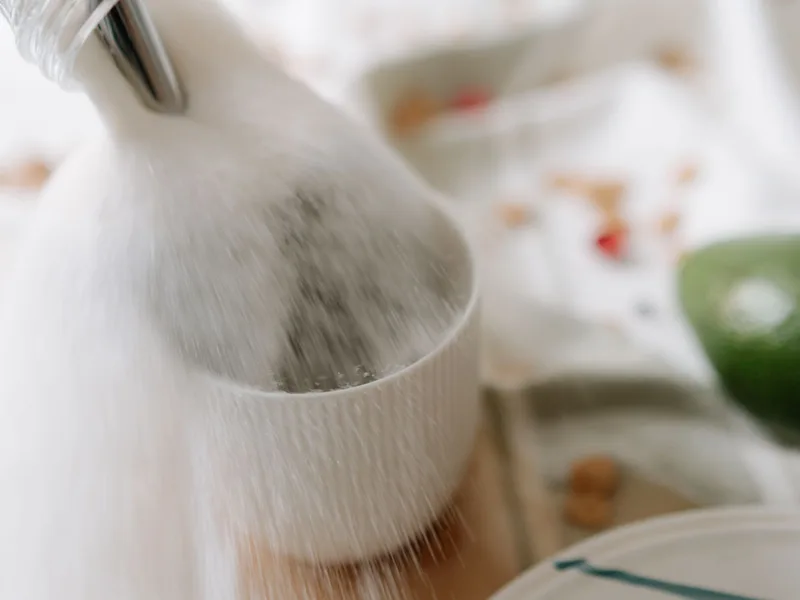
Sugar-seeking ants cluster around pastry scraps and confectionery left in coach parks and small shops, especially during peak times when food handling accelerates.
The grease and protein feeders
Fat residue from the restaurants and cafés in adjacent warehouses provides a constant source for grease-seeking ants to exploit.
The trail and its direction
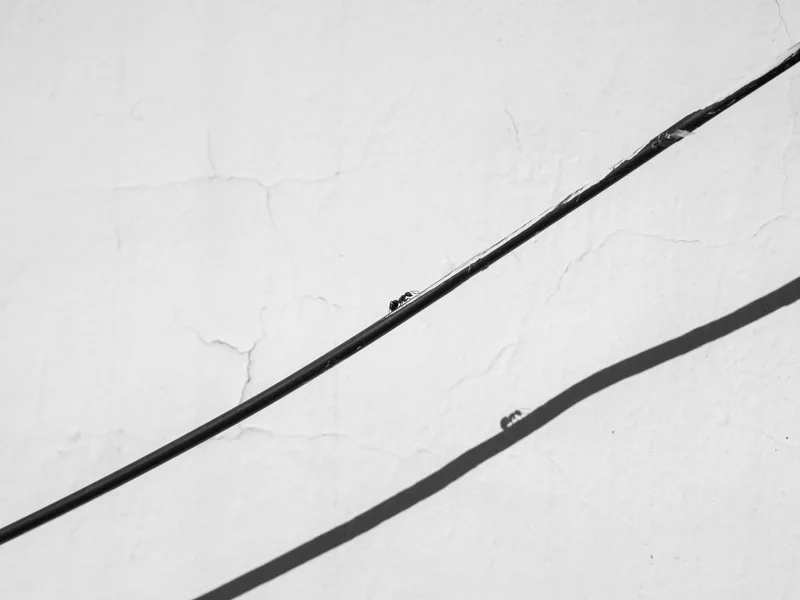
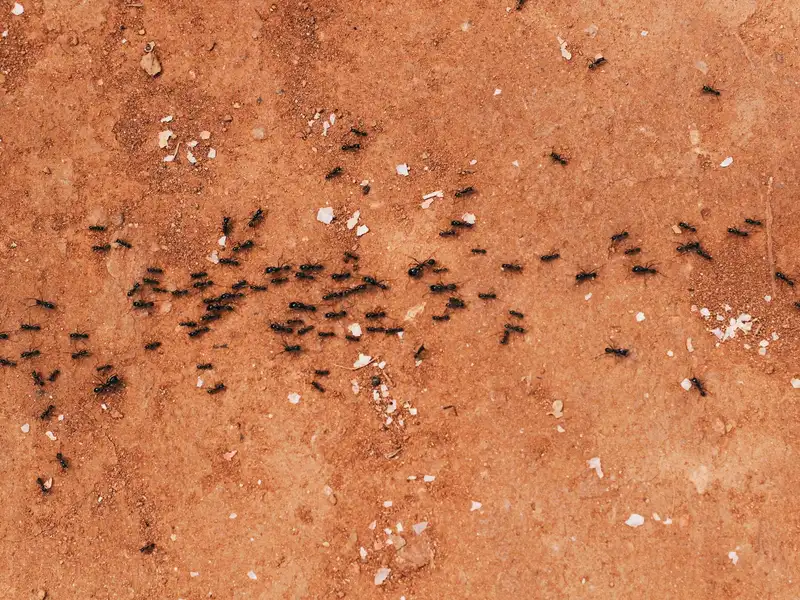
The trail starts far away in open ground or under storage stacks, then ascends the outer warehouse wall to windows and doors, travelling hundreds of metres exposed.
Moisture before food
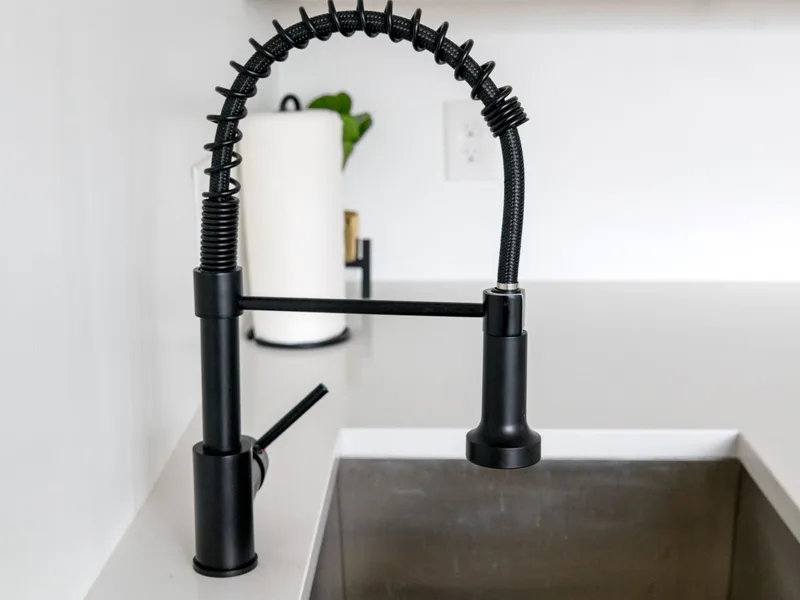
Moisture gathers from watering the open areas and leaks from old pipework, enough to keep shallow nests alive even without reliable food.
The nest outside the building
Permanent nests sit deep underground in the surrounding open plots, far from buildings, but workers travel daily to forage from the warehouses.
Winged ants
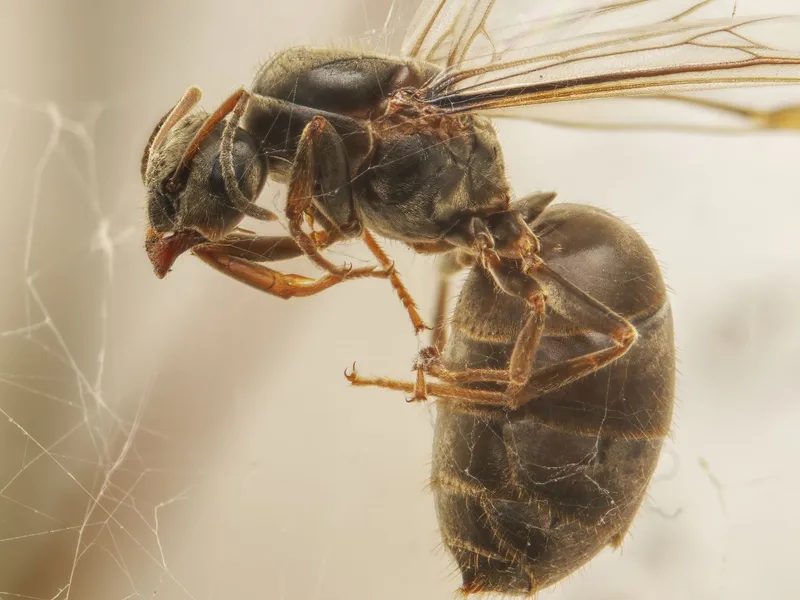
Winged ants swarm in spring, and open land and bare earth provide ideal conditions for mating flights to occur.
How we work
-
1
Inspect and follow the trail
We follow the line from where you see it to where it enters, and establish the species, what it is feeding on and the moisture keeping the nest close.
-
2
Matched bait placed on the trail
We choose the matrix from the feeding preference and place it on the trail itself, leaving the trail intact so the workers carry it to the queen and the brood.
-
3
Treat the perimeter and close the ways in
An external treatment at the wall base and the openings, and we point out the cracks, pipe entries and any branch touching the building.
-
4
The follow-up visit
We come back once the bait has worked through the nest, check the trail is gone, and look for a satellite nest if a new line has appeared.
What ant control includes
-

Following the trail to its source
Species, entry point and the direction of the nest, established before anything is applied.
-

Bait matched to the colony
Sugar or protein according to what the workers are carrying, placed on the trail rather than near it.
-

An external perimeter treatment
A band at the wall base and the outside openings, with the indoor trail left unsprayed so it keeps carrying bait.
-

Moisture points and entries
Condensate lines, sink surrounds, weep holes and pipe entries, which are what keeps a nest against the building.
-

Aftercare instructions
What not to wipe until the bait has been taken, what to cover, and when normal cleaning can resume.
-

A scheduled follow-up
A set date to check the nest and re-bait anywhere still active.
What is different about Al Misfalah Sub-Municipality
Al Misfalah sub municipality runs downhill from the south of the Grand Mosque through Al Misfalah, Kudai and Al Rawabi to Al Taqwa, Al Hindawiyah, Al Khalidiyah and Al Rusayfah at the third ring road. The northern end is old apartment blocks and pilgrim hotels with restaurants along Ibrahim Al Khalil Street and the huge coach parks at Kudai. The south and west are dense popular districts with countless small shops and unplanned hillside housing, some of it already cleared for redevelopment, giving way to orderly land grant schemes in Al Rusayfah beside the railway station.
Questions about this district
Do the ants come from the outdoor coach parks or from underground colonies?
Both. Coaches carry scraps, and ants march between sites on the surface. But permanent nests may live deep underground far from buildings. Tracking ants during the day reveals the main highways.
Is treating the warehouse enough, or must the coach parks be treated too?
If the nest sits under the park, treating the warehouse alone fails. Open ground is hard to treat, so we focus on warehouse entry points and place bait where ants cluster, away from the main buildings.
Ants return every season. Are they migrating from somewhere else?
A nest may go dormant for part of the year then wake up. Or the previous treatment missed the main colony deep underground. Re-treatment and deeper tracking are needed each season.
If I spray the ant trail myself in the open ground, will it stop them reaching the warehouse?
No, spraying the trail splits the nest but does not kill it. Ants scatter and build new nests closer to food. Targeted bait is far more effective than general spraying.
Does the treatment affect stored goods or leave a smell?
No, the baits and materials we use are safe for stored goods. Bait stations are placed in designated areas well away from the main storage zone.
How many times must Kudai be treated during one season?
That depends on traffic volume and nest size. Usually one treatment suffices if we reach the primary nest. If ants return within weeks, a second treatment is needed.
How much does ant control in Kudai cost?
It is set after the inspection, because the price follows the type of infestation, the size of the space, how far it has spread and the number of visits it needs. Send a photo and a description on WhatsApp and we will give you an estimate before we reach Kudai.
Nearby districts we cover
Other services in Kudai
Other services we provide to residents of Kudai.
-
 Residential
Cockroach control
Residential
Cockroach control
-
 Residential
Bed bug control
Residential
Bed bug control
-
 Residential
Termite control
Residential
Termite control
-
 Residential
Rodents and mice
Residential
Rodents and mice
-
 Residential
Mosquito control
Residential
Mosquito control
-
 Residential
Fly control
Residential
Fly control
-
 Residential
Gecko control
Residential
Gecko control
-
 Residential
Scorpion control
Residential
Scorpion control
-
 Residential
Snake control
Residential
Snake control
-
 Residential
Flea control
Residential
Flea control
-
 Residential
Bird and pigeon control
Residential
Bird and pigeon control
-
 Residential
Preventive treatment
Residential
Preventive treatment
-
 Residential
Disinfection
Residential
Disinfection
-
 Commercial
Annual contracts
Commercial
Annual contracts
-
 Commercial
Restaurants and cafes
Commercial
Restaurants and cafes
-
 Commercial
Hotels and apartments
Commercial
Hotels and apartments
-
 Commercial
Warehouses and factories
Commercial
Warehouses and factories
-
 Commercial
Schools and nurseries
Commercial
Schools and nurseries
-
 Commercial
Retail and malls
Commercial
Retail and malls
-
 Commercial
Rest houses and farms
Commercial
Rest houses and farms
-
 Commercial
Fumigation
Commercial
Fumigation
-
 Water tanks
Water tank cleaning
Water tanks
Water tank cleaning
-
 Water tanks
Water tank sterilization
Water tanks
Water tank sterilization
-
 Water tanks
Water tank sealing
Water tanks
Water tank sealing
-
 Water tanks
Tank leak repair
Water tanks
Tank leak repair
Need ant control in Kudai? Tell us what you saw and we will tell you what it needs
We reach Kudai at a time we agree, and you get the full cost before we start.