
Bird and pigeon control in Al Adl Makkah
Al Adl is an apartment district in the eastern extension of Makkah on King Faisal Road and the Fourth Ring Road. Multi storey residential blocks and pilgrim housing stand packed closely together with high density and many shared entrances. Shared roofs offer layered pigeon shelter, and droppings seep between flats. Treating this neighbourhood requires coordination with residents and building management.
-
Targeted, not broadcast
Product goes into cracks and runways, never sprayed across open surfaces.
-
Told before we start
What we will use, where it goes, and what to cover or move before we arrive.
-
A follow-up visit
We return after the first treatment, because what survives it does not show on the day.
-
Homes and businesses
Apartments and villas, and kitchens and stores that need a record of each visit.
Why they keep coming back in Al Adl
High residential density provides abundant food waste, and shared roofs between buildings offer organised shelter that may contain dozens of nests. The method is set out in full on the full Bird and pigeon control page.
Apartment blocks with many shared roofs
Each block has a shared roof used by all flats together, where pigeons sleep at night. Shared roofs may contain many nests because pigeons feel safe in a flock.
Flats with single shared entrance passages
One shared entrance serves multiple flats, and the entrance passages may collect droppings. Coordinating residents to clean entrance and roof together improves results.
Heavy traffic on the main street axis
King Faisal Road is a main axis with shops and restaurants, with food waste on pavements drawing pigeons. Pigeons sleep on roofs away from the street, so treating from above works best.
The character of Al Adl
Apartment district: residential blocks, repeated floors and shared entrances
Stacked flats, shared roofs and high density together create ideal pigeon conditions. Treatment needs collective resident approval and coordination with building management to ensure deterrent maintenance and regular cleaning.
The building decides which deterrent works
Dense high rise apartment blocks mixed with separate pilgrim housing along a crowded main commercial axis with shops and traffic, surrounded by hill boundaries on three sides.
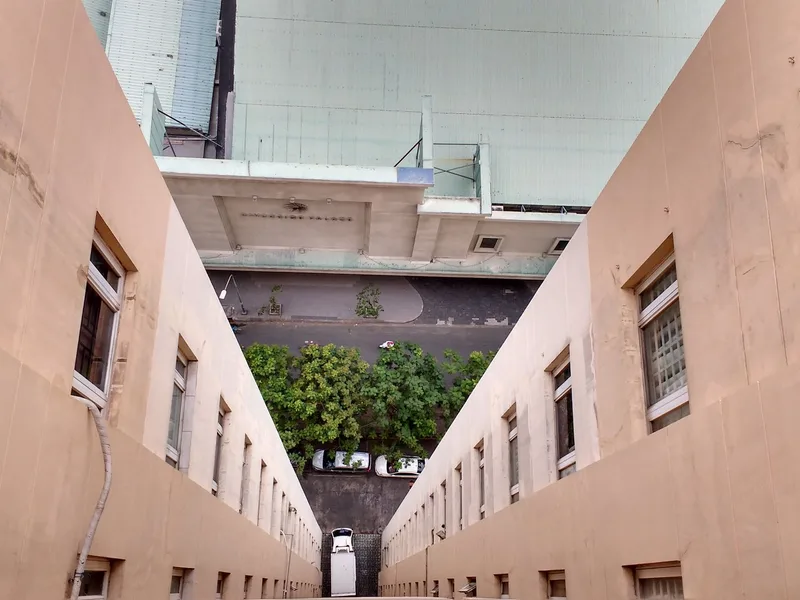
Ledge width
The shared roof edge is defined by a low wall or no wall at all, and deterrents fit evenly along all edges.
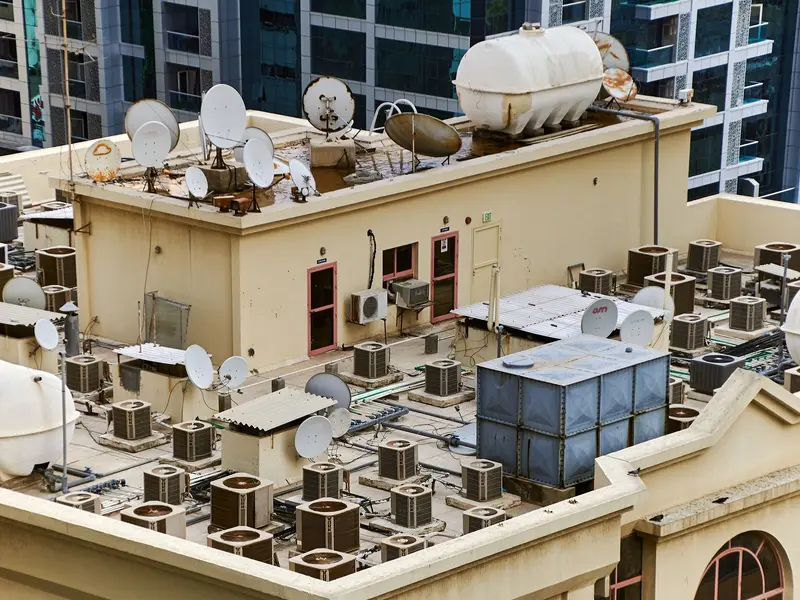
Air conditioning platforms
Multiple flat air conditioning units drain water from the facade and roof, pooling water in roof corners.
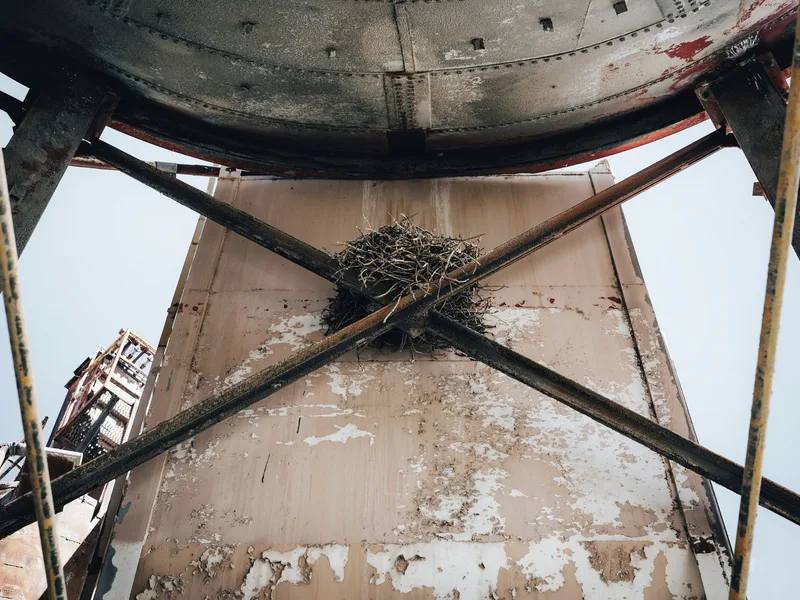
The nest itself
Nests form in every corner of the shared roof, around the water tank and in wall cracks.
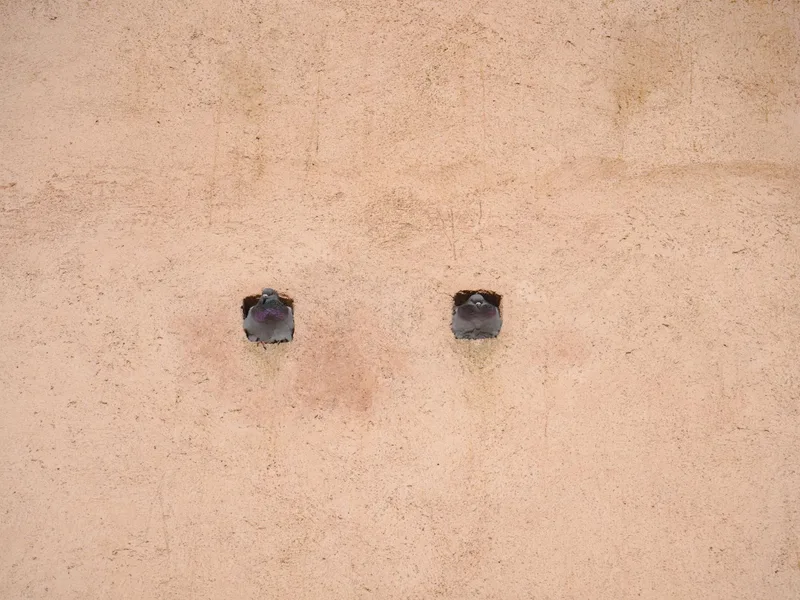
The droppings pattern
Droppings build up on the roof and wash from the edges onto lower flats and the street, causing complaints.
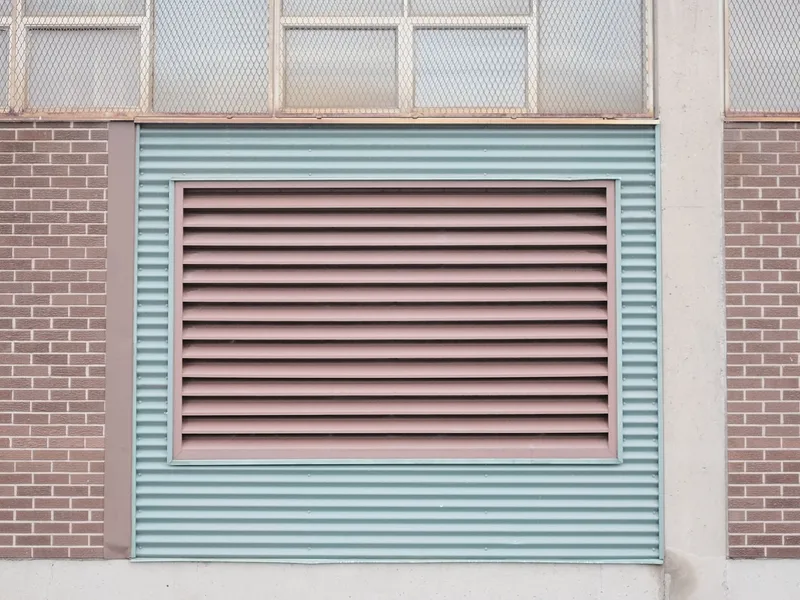
Openings and shafts
Shared openings like the roof door and ventilation gaps provide easy pigeon entry.
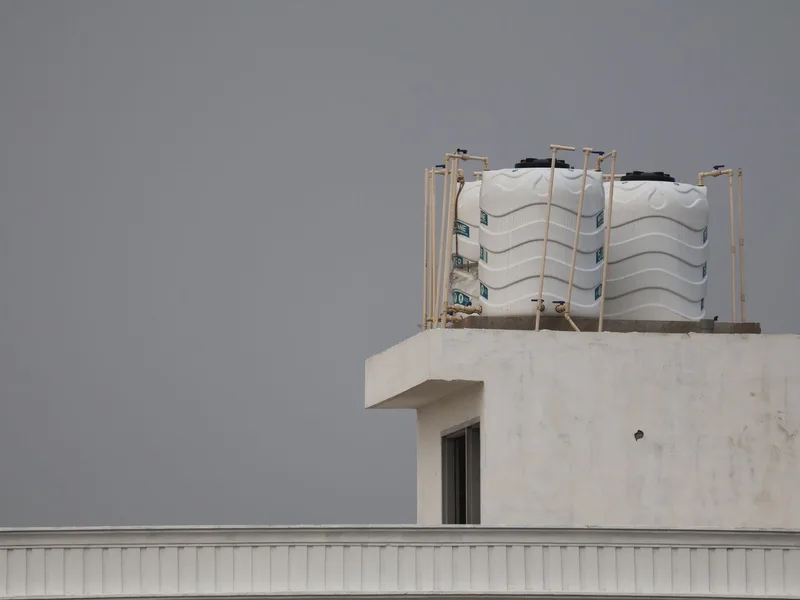
Around the roof tank
The water tank on the shared roof may draw pigeons close, but water is usually protected.
How we work
-
1
Survey the roof and the facade
We walk the roof, the projections, the condenser platforms and the shafts, separate the nesting positions from the perching ones, and measure and photograph every ledge.
-
2
Strip the nests and treat the parasites
Droppings are wetted before they are lifted so nothing goes airborne dry, bagged closed, and the nest position is treated for ticks and mites before the surface is sanitised.
-
3
Close and fit
Netting tensioned on a perimeter wire with no gap at the corners, spikes or wire on the narrow projections, metal mesh across vents and shafts, and the roof drains freed of the nest material packing them.
-
4
The follow-up visit
We come back to check the tension, the corners and any position the flock has moved to, and correct what has slackened before a bird finds it.
What bird and pigeon control includes
-

A recorded survey
Every ledge, condenser platform and shaft, photographed, with nesting separated from perching before anything is chosen.
-

Nest removal and drain clearing
Lifted wet rather than swept dry, bagged closed, and the roof drains freed of the nest material packing them.
-

Parasite treatment and sanitising
The nest position treated for ticks and mites, then the surface the droppings sat on sanitised.
-

Sealing and fitting the deterrents
Netting tensioned on a perimeter wire, spikes or wire on narrow projections, and metal mesh across ventilation openings.
-

Aftercare instructions
The condensate water, food left on the roof, and what should not sit beside a ledge if the attraction is to stay gone.
-

A follow-up on tension and corners
Netting slackens and corners open over time; the visit corrects that and closes any new position.
What is different about Al Maabdah Sub-Municipality
Al Maabdah sub municipality climbs from Al Abtah and Al Jumayzah beside the Al Mualla cemetery up through Al Khansa and Rai Adhakhir to Al Adl, Jabal Al Nour, Wadi Jaleel and Qurtubah on the outer ring roads. It mixes hotels and pilgrim housing near the Grand Mosque with old popular houses on hillside passes, new housing schemes on valley floors that carry flash floods after rain, and industrial plots, workshops and warehouses along Al Hajj Street in Qurtubah. Street widening and expropriation leave partly demolished frontages in Al Khansa.
Questions about this district
The building has a hundred flats and only one shared roof. How do we convince everyone to fit deterrents?
We coordinate with the building management or owners' association to pass a collective decision. Treatment saves money for everyone, and reducing droppings and moisture helps all residents.
Pilgrim housing next to us has lots of pigeons. Does that affect our flat?
Yes, if the roofs are close or touching. We coordinate with the housing authority to treat their roof too, or at least seal the connection points between both roofs.
Our flat is on the first floor and the high roofs are above. Do droppings fall onto our balcony?
Yes: droppings wash down from high roofs because of wind and rain. We clean all droppings from the shared roof completely, and may fit additional protection on lower balconies.
Pilgrims come seasonally. Do they make the pigeon problem worse?
Pilgrims may leave extra food waste, but treatment does not change. Roof treatment stays beneficial throughout the year.
The building is a bit older and the roofs have some cracks. Will metal deterrents work?
We inspect the roof first. If the cracks are small, we use metal deterrents with additional sealant. If very large, we may use metal mesh instead.
How often do droppings need cleaning after treatment?
We clean all old droppings completely during the first treatment. Afterwards, monthly cleaning keeps results steady.
How much does bird and pigeon control in Al Adl cost?
It is set after the inspection, because the price follows the type of infestation, the size of the space, how far it has spread and the number of visits it needs. Send a photo and a description on WhatsApp and we will give you an estimate before we reach Al Adl.
Nearby districts we cover
Other services in Al Adl
Other services we provide to residents of Al Adl.
-
 Residential
Cockroach control
Residential
Cockroach control
-
 Residential
Bed bug control
Residential
Bed bug control
-
 Residential
Termite control
Residential
Termite control
-
 Residential
Rodents and mice
Residential
Rodents and mice
-
 Residential
Mosquito control
Residential
Mosquito control
-
 Residential
Fly control
Residential
Fly control
-
 Residential
Ant control
Residential
Ant control
-
 Residential
Gecko control
Residential
Gecko control
-
 Residential
Scorpion control
Residential
Scorpion control
-
 Residential
Snake control
Residential
Snake control
-
 Residential
Flea control
Residential
Flea control
-
 Residential
Preventive treatment
Residential
Preventive treatment
-
 Residential
Disinfection
Residential
Disinfection
-
 Commercial
Annual contracts
Commercial
Annual contracts
-
 Commercial
Restaurants and cafes
Commercial
Restaurants and cafes
-
 Commercial
Hotels and apartments
Commercial
Hotels and apartments
-
 Commercial
Warehouses and factories
Commercial
Warehouses and factories
-
 Commercial
Schools and nurseries
Commercial
Schools and nurseries
-
 Commercial
Retail and malls
Commercial
Retail and malls
-
 Commercial
Rest houses and farms
Commercial
Rest houses and farms
-
 Commercial
Fumigation
Commercial
Fumigation
-
 Water tanks
Water tank cleaning
Water tanks
Water tank cleaning
-
 Water tanks
Water tank sterilization
Water tanks
Water tank sterilization
-
 Water tanks
Water tank sealing
Water tanks
Water tank sealing
-
 Water tanks
Tank leak repair
Water tanks
Tank leak repair
Need bird and pigeon control in Al Adl? Tell us what you saw and we will tell you what it needs
We reach Al Adl at a time we agree, and you get the full cost before we start.