
Bird and pigeon control in Al Firdaws Jeddah
Al Firdaws is a mixed-use district between Madinah Road and Prince Abdulmajeed Road, with shops on the ground floors and homes stacked above them on multiple storeys, and Prince Nayef Street running through it carrying heavy commercial traffic. Pigeons occupy the gaps between shops and flats, and the solution requires coordination with shop owners and flat residents both.
-
Targeted, not broadcast
Product goes into cracks and runways, never sprayed across open surfaces.
-
Told before we start
What we will use, where it goes, and what to cover or move before we arrive.
-
A follow-up visit
We return after the first treatment, because what survives it does not show on the day.
-
Homes and businesses
Apartments and villas, and kitchens and stores that need a record of each visit.
Why they keep coming back in Al Firdaws
In Al Firdaws responsibility is split between shop owners and residents, so coordination takes more time and effort than in purely residential districts. The method is set out in full on Bird and pigeon control in detail.
Gaps between shops and flats are the pigeon's ideal refuge
The mixed district holds large cavities between shops and apartments, and pigeons nest in these gaps which officially belong to no-one. The solution demands access through both shop and flat simultaneously and barriers anchored in a disputed space.
Coordination with shop owners and residents of the same building
The shop needs protection for its goods and reputation, the flat needs a solution that does not spoil its appearance, and a single design may satisfy one party and antagonise the other. Al Firdaws always requires approval from two stakeholders with competing interests.
Heavy traffic draws more pigeons but makes the work harder
Prince Nayef Street carries movement all day and people eat in the street leaving crumbs everywhere, drawing pigeons seeking food. But continuous traffic makes the work hazardous and fitted barriers risk damage from the movement itself.
The character of Al Firdaws
Mixed district: shops at street level with homes above them
Mixed use in Al Firdaws means pigeons find both food and shelter together: food from commercial traffic and refuge in the gaps between different types of occupancy. The solution must treat shop and flat as a unified problem rather than two separate issues handled independently.
The building decides which deterrent works
Al Firdaws is intensely mixed in use, with shops suffering from pigeons, dirt and insects, and flats above them suffering the same problem but with pigeons nesting in the gaps between the two classes of occupant.
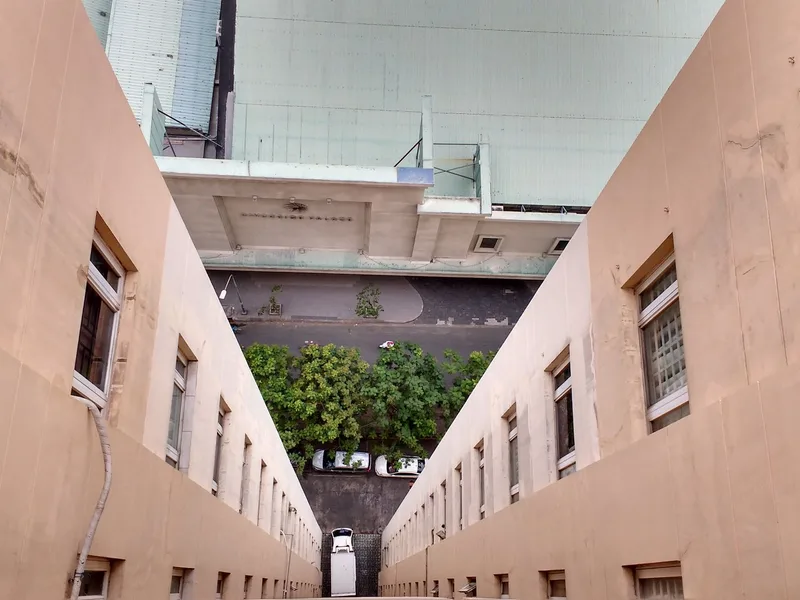
Ledge width
Ledges in Al Firdaws divide ownership between shop and flat, so the barrier may sit on one property while protecting the other, meaning lengthy negotiation before any fitting takes place.
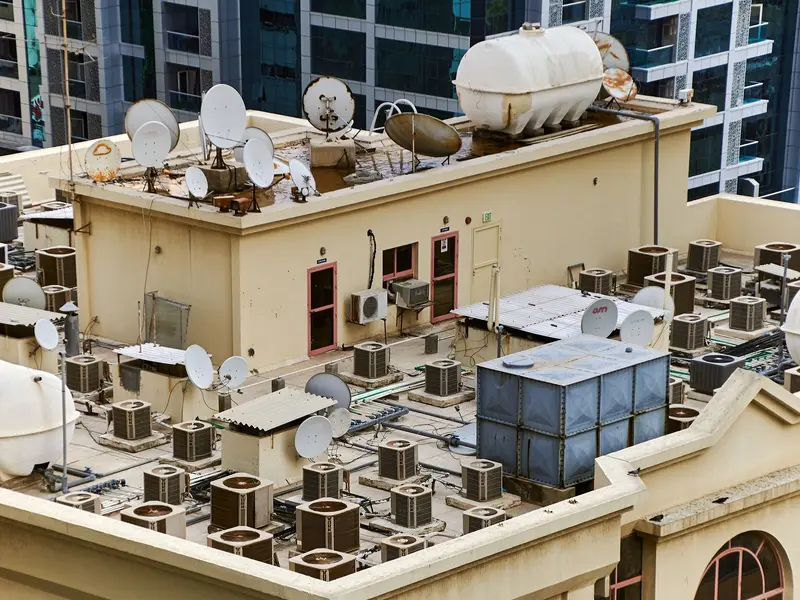
Air conditioning platforms
Air conditioning units serve both shops and flats, pigeons perch on shop pipework and condensers and enter windows close to the flats from these same points of access.
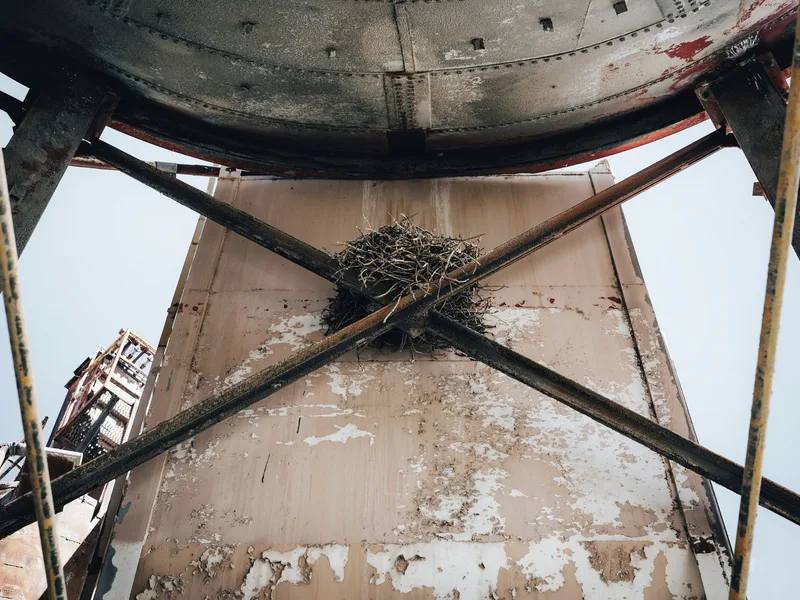
The nest itself
Nests cluster in gaps between old structure and modern additions, between the shop and flat above, and in corners that belong officially to no-one and are maintained by neither party.
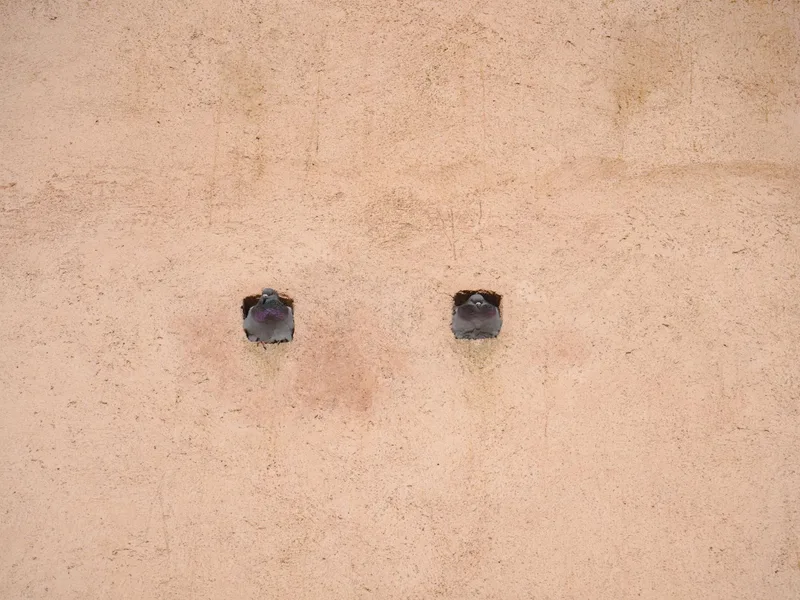
The droppings pattern
Shop droppings damage goods and damage reputation, street droppings fall on customers and the pavement, and insects migrate between shop and flat through the connecting gaps.
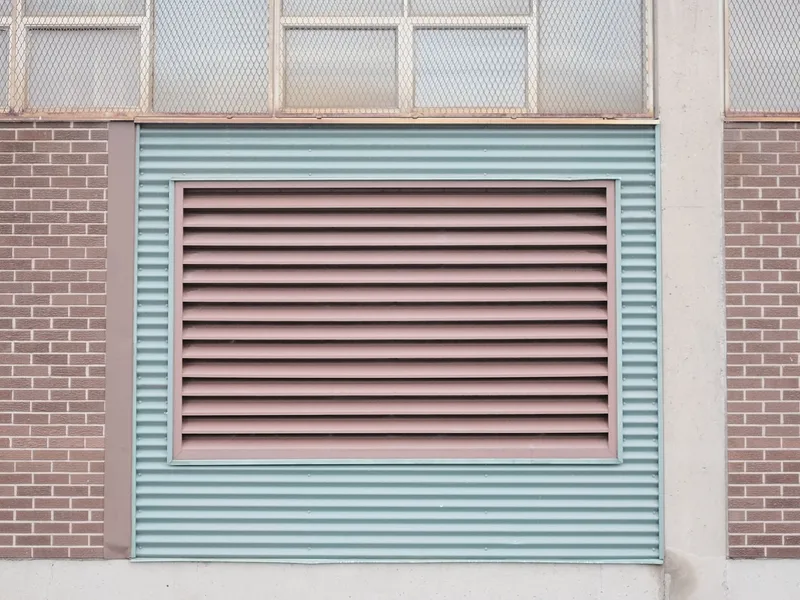
Openings and shafts
Shop openings are numerous because they need ventilation for staff and goods, flat windows stand permanently open for air circulation, and pigeons exploit every opening without distinction.
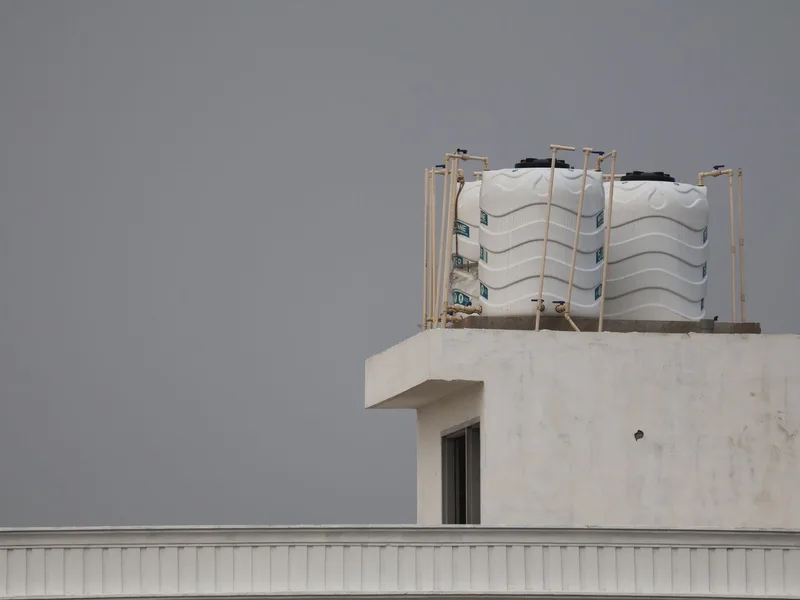
Around the roof tank
The roof tank may be shared or separate, and pigeons perch around all tanks continuously seeking fresh water and leaving contamination.
How we work
-
1
Survey the roof and the facade
We walk the roof, the projections, the condenser platforms and the shafts, separate the nesting positions from the perching ones, and measure and photograph every ledge.
-
2
Strip the nests and treat the parasites
Droppings are wetted before they are lifted so nothing goes airborne dry, bagged closed, and the nest position is treated for ticks and mites before the surface is sanitised.
-
3
Close and fit
Netting tensioned on a perimeter wire with no gap at the corners, spikes or wire on the narrow projections, metal mesh across vents and shafts, and the roof drains freed of the nest material packing them.
-
4
The follow-up visit
We come back to check the tension, the corners and any position the flock has moved to, and correct what has slackened before a bird finds it.
What bird and pigeon control includes
-

A recorded survey
Every ledge, condenser platform and shaft, photographed, with nesting separated from perching before anything is chosen.
-

Nest removal and drain clearing
Lifted wet rather than swept dry, bagged closed, and the roof drains freed of the nest material packing them.
-

Parasite treatment and sanitising
The nest position treated for ticks and mites, then the surface the droppings sat on sanitised.
-

Sealing and fitting the deterrents
Netting tensioned on a perimeter wire, spikes or wire on narrow projections, and metal mesh across ventilation openings.
-

Aftercare instructions
The condensate water, food left on the roof, and what should not sit beside a ledge if the attraction is to stay gone.
-

A follow-up on tension and corners
Netting slackens and corners open over time; the visit corrects that and closes any new position.
Landmarks of Al Firdaws
Work in Al Firdaws is organised by building positions on Madinah Road and Prince Abdulmajeed Road. We begin with ground-floor shops facing Prince Nayef Street, which divides the district, and work systematically towards the side streets where residential occupation dominates.
- Madinah Road
- Prince Abdulmajeed Road
- Prince Nayef Street
Questions about this district
Does the shop and the flat above it need two separate approvals or one?
Two separate approvals: the shop owns the ground floor, the flat owns its storeys. If the shop wants action and the flat refuses, a dispute emerges. We liaise with both and try to find a solution that suits them.
Do shop droppings damage goods and do flat droppings fall on customers in the street?
Both occur. Shop contamination harms goods, reputation and health, flat droppings fall on the street and onto customers. Responsibility is shared but each party blames the other.
The flat sits directly above the shop; can we fit one barrier protecting both?
Yes, but the shop may refuse to spoil its storefront. We fit lightweight mesh on the ledge or use anti-perch coating instead of visible spikes, and we must negotiate with the shop owner first.
Street traffic is intense and the work may disrupt business; how do we handle this?
We coordinate with the shop on the best working time, usually early morning or after closing. Heavy traffic means we need an experienced crew and robust safety equipment.
The building is old with weak stone on the shop; can we fit mesh to it?
We test the masonry first. If weak, we use specialist fasteners or anchor to the existing metal frames and lintels instead of drilling into the wall itself.
After treatment will pigeons come back from Al Sawari or Al Shira nearby?
Yes, neighbouring districts are close and pigeons may migrate from there. But Al Firdaws after treatment will be less attractive because it will have lost both food and refuge.
How much does bird and pigeon control in Al Firdaws cost?
It is set after the inspection, because the price follows the type of infestation, the size of the space, how far it has spread and the number of visits it needs. Send a photo and a description on WhatsApp and we will give you an estimate before we reach Al Firdaws.
Other services in Al Firdaws
Other services we provide to residents of Al Firdaws.
-
 Residential
Cockroach control
Residential
Cockroach control
-
 Residential
Bed bug control
Residential
Bed bug control
-
 Residential
Termite control
Residential
Termite control
-
 Residential
Rodents and mice
Residential
Rodents and mice
-
 Residential
Mosquito control
Residential
Mosquito control
-
 Residential
Fly control
Residential
Fly control
-
 Residential
Ant control
Residential
Ant control
-
 Residential
Gecko control
Residential
Gecko control
-
 Residential
Scorpion control
Residential
Scorpion control
-
 Residential
Snake control
Residential
Snake control
-
 Residential
Flea control
Residential
Flea control
-
 Residential
Preventive treatment
Residential
Preventive treatment
-
 Residential
Disinfection
Residential
Disinfection
-
 Commercial
Annual contracts
Commercial
Annual contracts
-
 Commercial
Restaurants and cafes
Commercial
Restaurants and cafes
-
 Commercial
Hotels and apartments
Commercial
Hotels and apartments
-
 Commercial
Warehouses and factories
Commercial
Warehouses and factories
-
 Commercial
Schools and nurseries
Commercial
Schools and nurseries
-
 Commercial
Retail and malls
Commercial
Retail and malls
-
 Commercial
Rest houses and farms
Commercial
Rest houses and farms
-
 Commercial
Fumigation
Commercial
Fumigation
-
 Water tanks
Water tank cleaning
Water tanks
Water tank cleaning
-
 Water tanks
Water tank sterilization
Water tanks
Water tank sterilization
-
 Water tanks
Water tank sealing
Water tanks
Water tank sealing
-
 Water tanks
Tank leak repair
Water tanks
Tank leak repair
Need bird and pigeon control in Al Firdaws? Tell us what you saw and we will tell you what it needs
We reach Al Firdaws at a time we agree, and you get the full cost before we start.