

Bird and pigeon control in Al Sawari Jeddah
Al Sawari is a recently built district of owner occupied villas and apartments, and the mix of homes and ground floor shops raises nesting levels on the facades and commercial frontages. Pigeons roost in the shop spaces all day, then perch on the apartment balconies above them, forcing treatment to cover both the retail and residential tiers.
-
Targeted, not broadcast
Product goes into cracks and runways, never sprayed across open surfaces.
-
Told before we start
What we will use, where it goes, and what to cover or move before we arrive.
-
A follow-up visit
We return after the first treatment, because what survives it does not show on the day.
-
Homes and businesses
Apartments and villas, and kitchens and stores that need a record of each visit.
Why they keep coming back in Al Sawari
Upper floor apartment dwellers report pigeon returns more often than isolated villa owners, because birds migrate back along similar ledges through the apartment blocks. The method is set out in full on Bird and pigeon control in detail.
Sequential nesting across adjoining apartment walls
Packed apartment blocks create rows of similar ledges, so removing one nest finds the bird already established on the ledge next door at the same height and width. This demands building wide treatment, not flat by flat, and the returning birds simply relocate along the facade rather than abandoning the site.
Commercial spines supply steady food waste
Aabir Al Qarat Street and the commercial corridors yield daily scraps, and pigeons commute between feeding sites at ground level and safe roosting ledges over shops and flats above. Control that ignores the food sources leaves a population that simply grows back within weeks.
Ownership fragmentation slows access
Owner occupied villas let maintenance happen quickly, but rented flats often require tenant permission and months can pass before the block agrees to work. That lag builds nesting centres that seed birds back into the adjoining Firdaws and Al Yaqut blocks after control work there.
The character of Al Sawari
Mixed district: shops at street level with homes above them
Ground floor shops supply constant food waste and the flats above them offer safe ledges, and nesting emerges from both. Control must treat the retail and residential tiers as one system, not separately, or birds simply move between them.
The building decides which deterrent works
The district lies between King Saud Road and Prince Abdulmajeed Road, crossed by Aabir Al Qarat Street, and is surrounded on three sides by densely populated neighbouring districts.
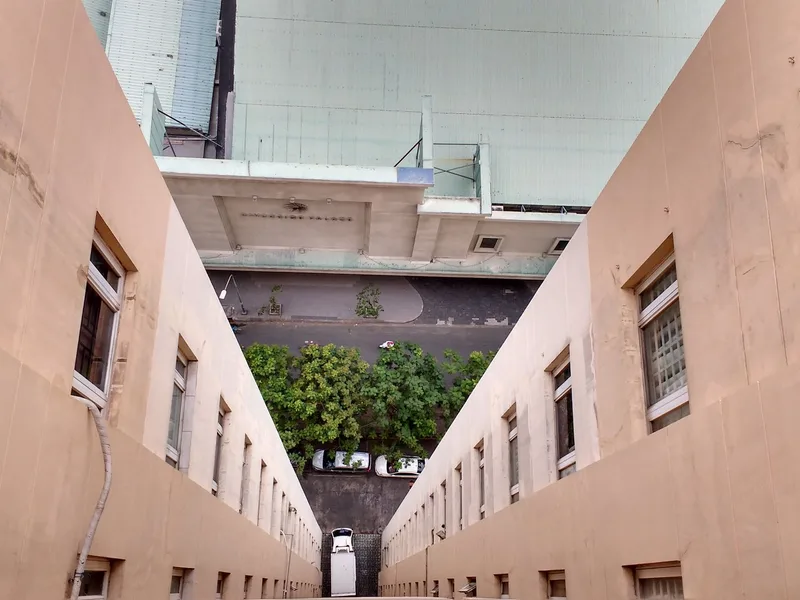
Ledge width
Ledges in Al Sawari vary: villas have narrow ledges and apartment blocks have wider ones, so the barrier type changes by width and material.
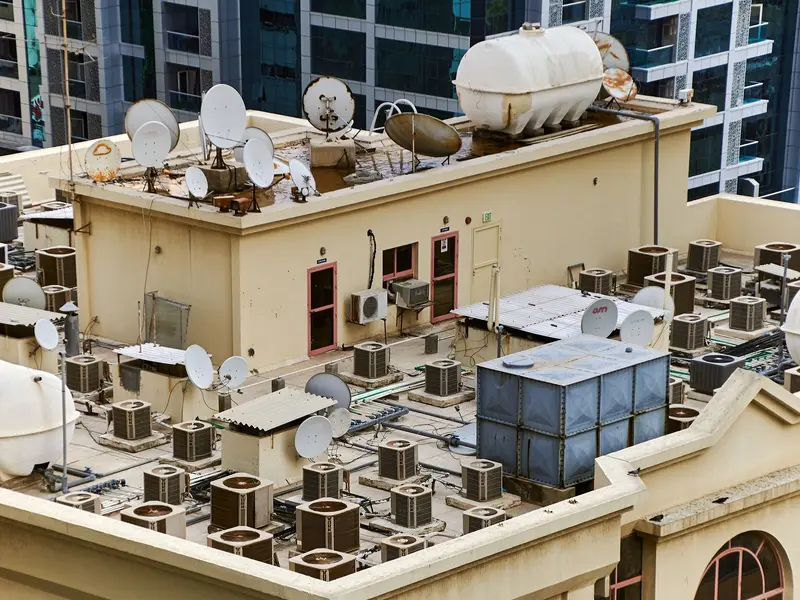
Air conditioning platforms
Window air conditioners in flats sit in tight spaces between units, and pigeons remove the backing or nest directly behind the chassis.
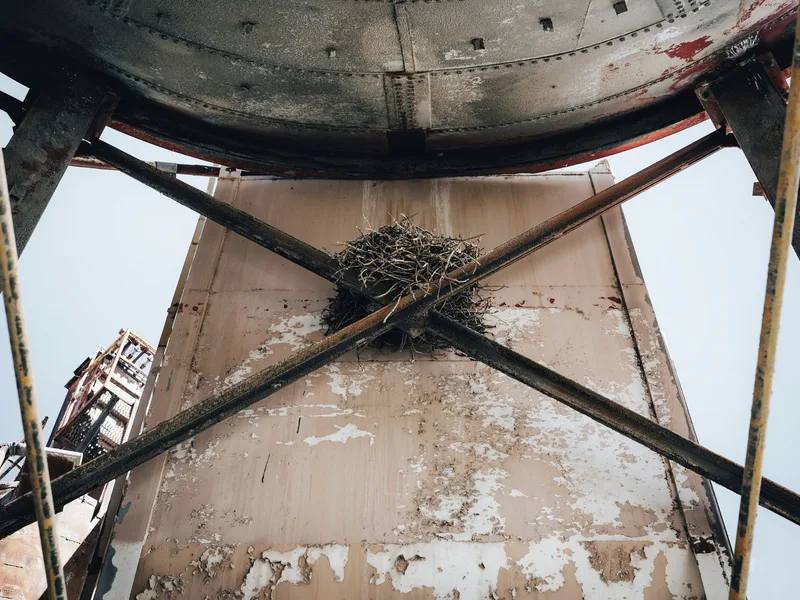
The nest itself
Nests on apartment block ledges are larger, and droppings litter the lower floors' facades beneath them, requiring facade cleaning as well as nest removal.
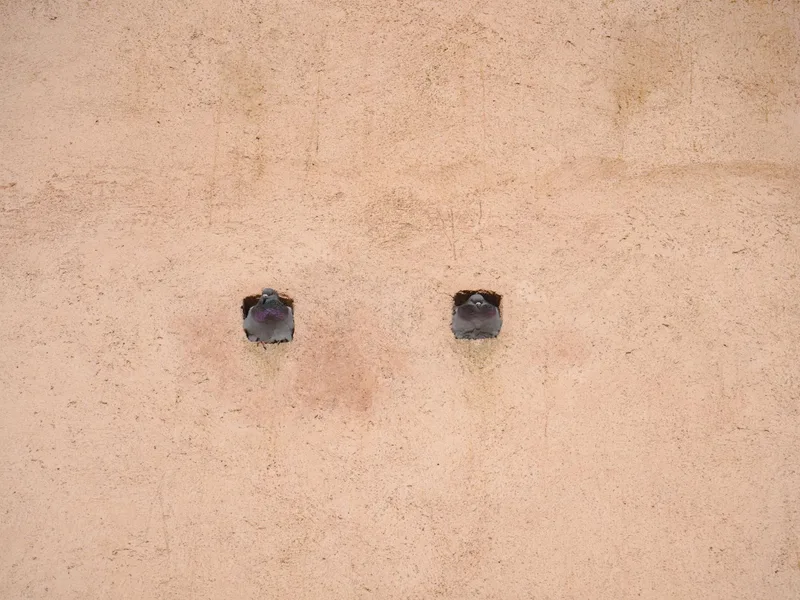
The droppings pattern
Droppings attract tiny biting insects into flats facing the ledges, especially in summer when humidity is high and insects develop fast.
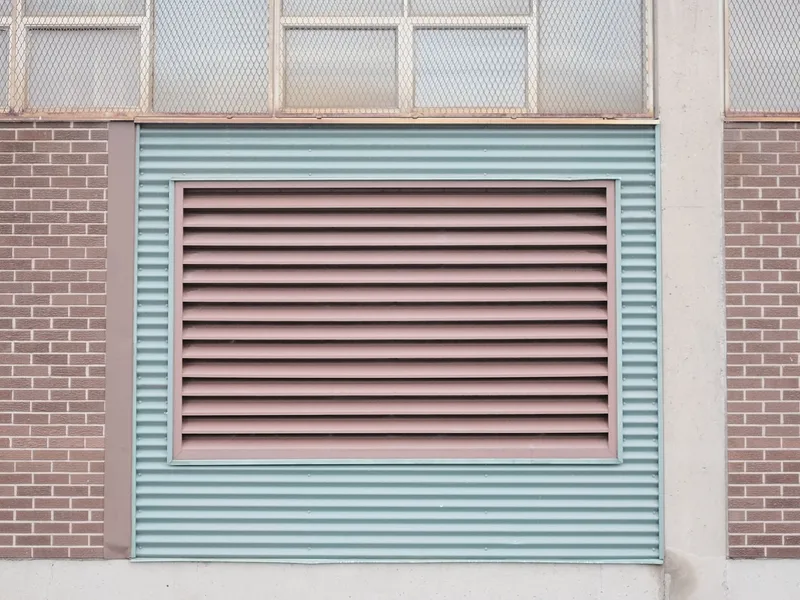
Openings and shafts
Gaps between ledge and column may be wide on older villas within the district, and pigeons nest directly inside them before reaching the ledge top.
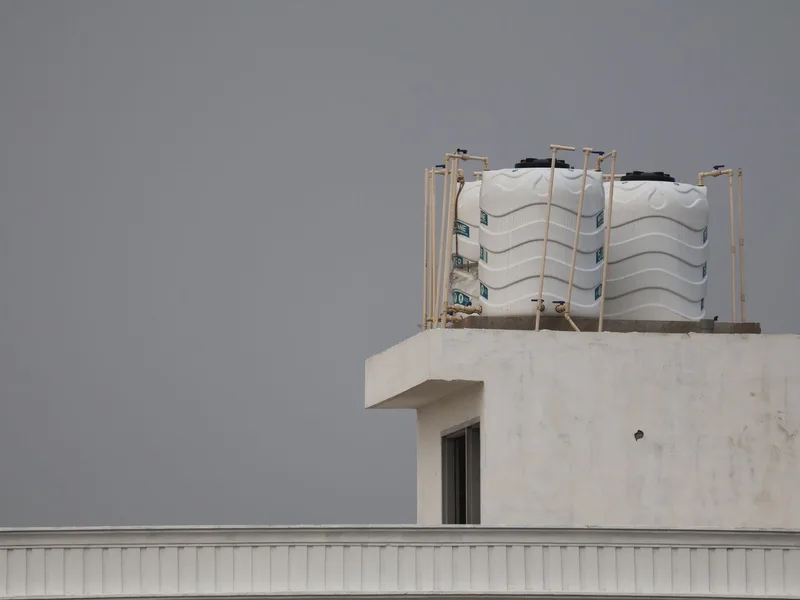
Around the roof tank
Roof water tanks are exposed and easily reached, and pigeons stand on them readily, so clearing nesting sites around the tank perimeter matters more than ledge work alone.
How we work
-
1
Survey the roof and the facade
We walk the roof, the projections, the condenser platforms and the shafts, separate the nesting positions from the perching ones, and measure and photograph every ledge.
-
2
Strip the nests and treat the parasites
Droppings are wetted before they are lifted so nothing goes airborne dry, bagged closed, and the nest position is treated for ticks and mites before the surface is sanitised.
-
3
Close and fit
Netting tensioned on a perimeter wire with no gap at the corners, spikes or wire on the narrow projections, metal mesh across vents and shafts, and the roof drains freed of the nest material packing them.
-
4
The follow-up visit
We come back to check the tension, the corners and any position the flock has moved to, and correct what has slackened before a bird finds it.
What bird and pigeon control includes
-

A recorded survey
Every ledge, condenser platform and shaft, photographed, with nesting separated from perching before anything is chosen.
-

Nest removal and drain clearing
Lifted wet rather than swept dry, bagged closed, and the roof drains freed of the nest material packing them.
-

Parasite treatment and sanitising
The nest position treated for ticks and mites, then the surface the droppings sat on sanitised.
-

Sealing and fitting the deterrents
Netting tensioned on a perimeter wire, spikes or wire on narrow projections, and metal mesh across ventilation openings.
-

Aftercare instructions
The condensate water, food left on the roof, and what should not sit beside a ledge if the attraction is to stay gone.
-

A follow-up on tension and corners
Netting slackens and corners open over time; the visit corrects that and closes any new position.
What is different about Dhahban Sub-Municipality
Dhahban sub municipality is the northern coastal strip of Jeddah, running from the north bank of Sharm Obhur up to the old village of Dhahban and Salman Bay. Its districts are recently built, with owner occupied villas and apartments, beach resorts and chalets on the shore, and land subdivisions still being developed. Nearness to the sea keeps humidity high all year, irrigated lawns in villas, resorts and district parks hold water, Wadi Obhur and the vacant plots between buildings give rodents and reptiles shelter, and the old fishing village of Dhahban gives the far north a rural edge.
Questions about this district
Do pigeons return to the ledge after spikes are fitted?
Pigeons return to the same ledge if it is not fully closed. Spikes disrupt landing but do not stop the bird from standing on nearby surfaces or returning weeks later. Correct fitting must seal every ledge on the perimeter, with no gaps between sections.
Shops sit below apartments; do we deal with one landlord?
No, the shop and the flat are separate ownerships. The pigeon may nest in the cavity between the false ceiling and the flat above, and the shop owner may not know the problem exists. Coordination between both parties is essential to seal every opening.
For villas in Al Sawari, does fitting damage the external render?
Barrier fixing leaves small anchor marks on the ledge face. These are far less visible than accumulated droppings and mortar erosion beneath a nest. The villa's external finish requires routine maintenance regardless.
The villa garden is irrigated; does that attract more birds?
Watered gardens supply water and planting, but pigeons seek protected ledges first and water second. If ledges are sealed, the garden alone will not draw them to settle on the building.
Neighbouring districts have high pigeon populations; do they migrate here?
Yes, pigeons fly kilometres daily searching for shelter. If adjoining areas like Al Firdaws lack barriers, birds may migrate to Al Sawari even if openings are small, so control of your own property must account for reinvasion from nearby blocks.
Does every apartment owner need to approve the work via the building committee?
Most building committees require collective agreement or owner consent. Delays in coordination allow nests to accumulate, so beginning quickly with willing owners is faster than waiting for unanimous consent across the block.
How much does bird and pigeon control in Al Sawari cost?
It is set after the inspection, because the price follows the type of infestation, the size of the space, how far it has spread and the number of visits it needs. Send a photo and a description on WhatsApp and we will give you an estimate before we reach Al Sawari.
Nearby districts we cover
Other services in Al Sawari
Other services we provide to residents of Al Sawari.
-
 Residential
Cockroach control
Residential
Cockroach control
-
 Residential
Bed bug control
Residential
Bed bug control
-
 Residential
Termite control
Residential
Termite control
-
 Residential
Rodents and mice
Residential
Rodents and mice
-
 Residential
Mosquito control
Residential
Mosquito control
-
 Residential
Fly control
Residential
Fly control
-
 Residential
Ant control
Residential
Ant control
-
 Residential
Gecko control
Residential
Gecko control
-
 Residential
Scorpion control
Residential
Scorpion control
-
 Residential
Snake control
Residential
Snake control
-
 Residential
Flea control
Residential
Flea control
-
 Residential
Preventive treatment
Residential
Preventive treatment
-
 Residential
Disinfection
Residential
Disinfection
-
 Commercial
Annual contracts
Commercial
Annual contracts
-
 Commercial
Restaurants and cafes
Commercial
Restaurants and cafes
-
 Commercial
Hotels and apartments
Commercial
Hotels and apartments
-
 Commercial
Warehouses and factories
Commercial
Warehouses and factories
-
 Commercial
Schools and nurseries
Commercial
Schools and nurseries
-
 Commercial
Retail and malls
Commercial
Retail and malls
-
 Commercial
Rest houses and farms
Commercial
Rest houses and farms
-
 Commercial
Fumigation
Commercial
Fumigation
-
 Water tanks
Water tank cleaning
Water tanks
Water tank cleaning
-
 Water tanks
Water tank sterilization
Water tanks
Water tank sterilization
-
 Water tanks
Water tank sealing
Water tanks
Water tank sealing
-
 Water tanks
Tank leak repair
Water tanks
Tank leak repair
Need bird and pigeon control in Al Sawari? Tell us what you saw and we will tell you what it needs
We reach Al Sawari at a time we agree, and you get the full cost before we start.