
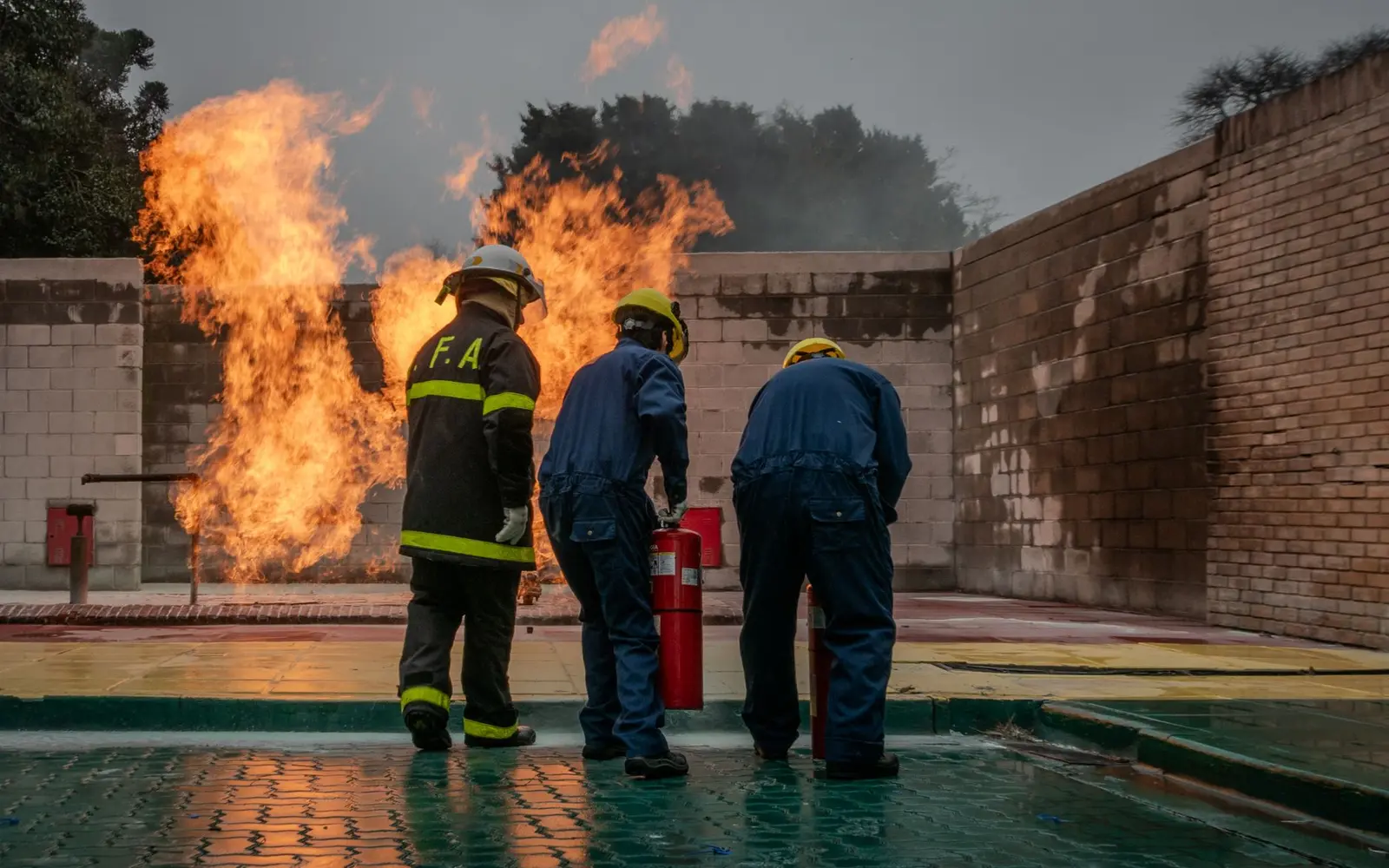
Bird and pigeon control in Al Furusiyah Jeddah
Al Furusiyah is a newly built district where construction carries on and wide vacant plots lie between villas and apartment blocks. Rest houses and stables on the fringes attract large flocks of pigeons, and exposed foundations and open sites change the treatment entirely from that of finished districts.
-
Targeted, not broadcast
Product goes into cracks and runways, never sprayed across open surfaces.
-
Told before we start
What we will use, where it goes, and what to cover or move before we arrive.
-
A follow-up visit
We return after the first treatment, because what survives it does not show on the day.
-
Homes and businesses
Apartments and villas, and kitchens and stores that need a record of each visit.
Why they keep coming back in Al Furusiyah
Wide gaps between buildings and exposed foundations offer temporary shelter where pigeons readily nest, and they move easily from one building site to a new villa roof nearby. The method is set out in full on our Bird and pigeon control service.
New buildings and exposed concrete foundations
Recent villas and blocks are not yet clad or finished externally. Wide gaps under foundations and bare pipework offer easy nesting cavities. These gaps must be sealed before construction ends and treated as permanent during the finishing phase.
Vacant plots and active construction sites
Between occupied villas lie large plots and open excavations still under development. Pigeons use them as transit points before landing on nearby residential roofs. Deterrents cannot be placed on land still undergoing development, complicating the perimeter control.
Rest houses and stables harbour large flocks
Stables hold scattered grain and hay; rest houses provide food and water. Large flocks from these sites spread to neighbouring villas and nest there. Treating the source sites themselves is necessary to reduce pressure on homes nearby.
Landmarks of Al Furusiyah
Al Furusiyah lies near the well known Al Furusiyah Equestrian Club and is bounded by Asfan Road to the north and Al Furusiyah Street to the west. Access from these landmarks is straightforward, and work schedules around the different construction phases at each site.
- Al Furusiyah Equestrian Club
- Asfan Road
- Al Furusiyah Street
- Saeed bin Amer Mosque
- Al Rayyan Mosque
- Al Nasr Private Schools
The building decides which deterrent works
The ground is inland, dry and dusty; constant construction work and exposed excavations dislodge pigeons from surrounding areas and push them towards new residential structures.
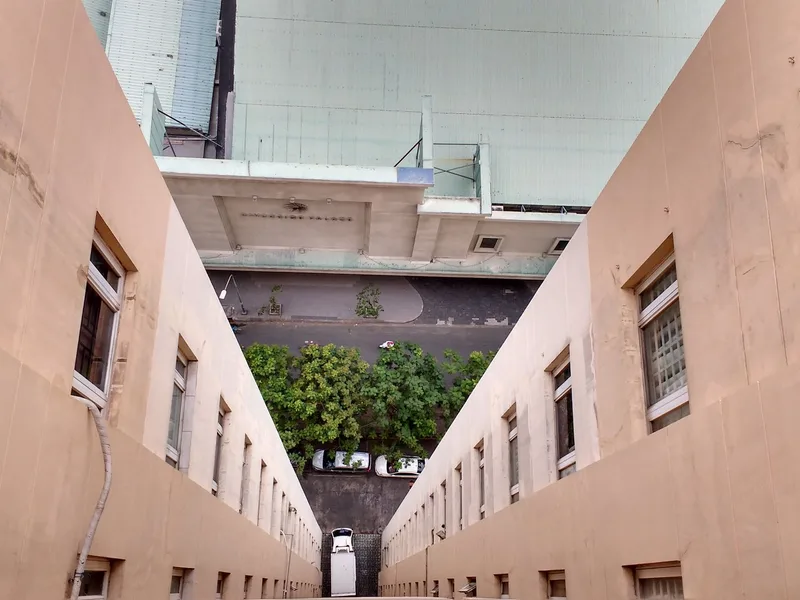
Ledge width
Ledges on new villas vary in shape by architectural design. Some are flat, others curved, each demanding a differently scaled deterrent. No single solution suits all new builds.
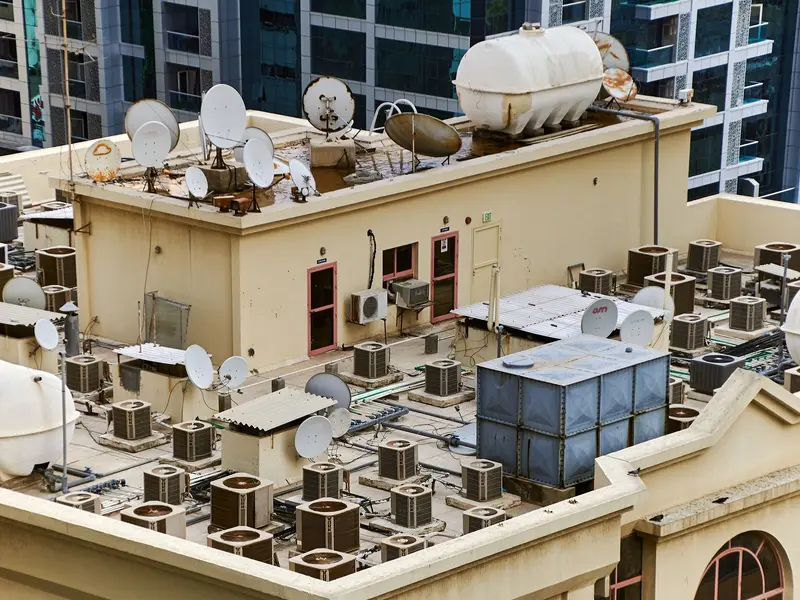
Air conditioning platforms
Large format air conditioning units on new villas may sit on a side wall or roof. Clearance between unit and deterrent must be maintained to prevent water pooling and debris accumulation.
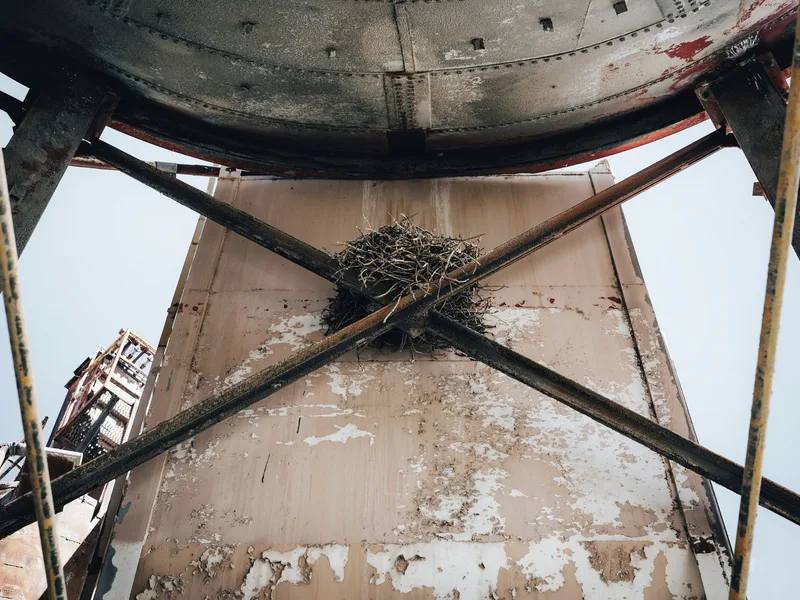
The nest itself
Nests in exposed foundations below the villa differ from roof nests. They harbour smaller bird species and different parasites requiring separate treatment protocols.
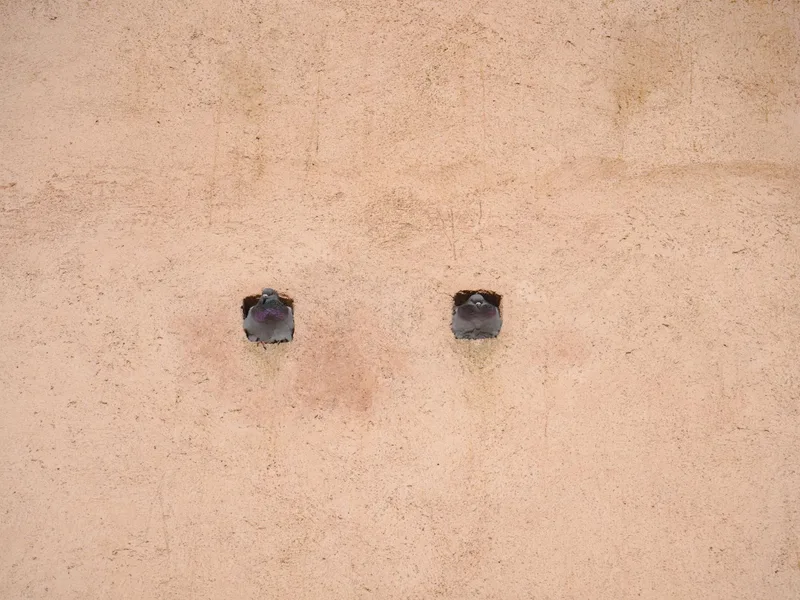
The droppings pattern
Droppings collect under exposed foundations and pipework, causing dampness and odour. Deep cleaning is essential before gaps are sealed permanently.
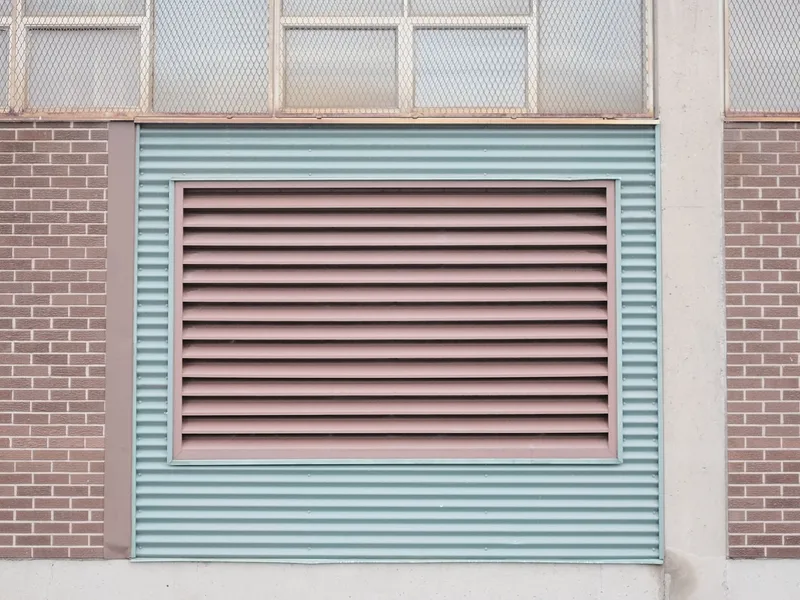
Openings and shafts
Gaps between foundation and ground are wide in new buildings. These are sealed with sheet metal or concrete panels to block bird and rodent entry.
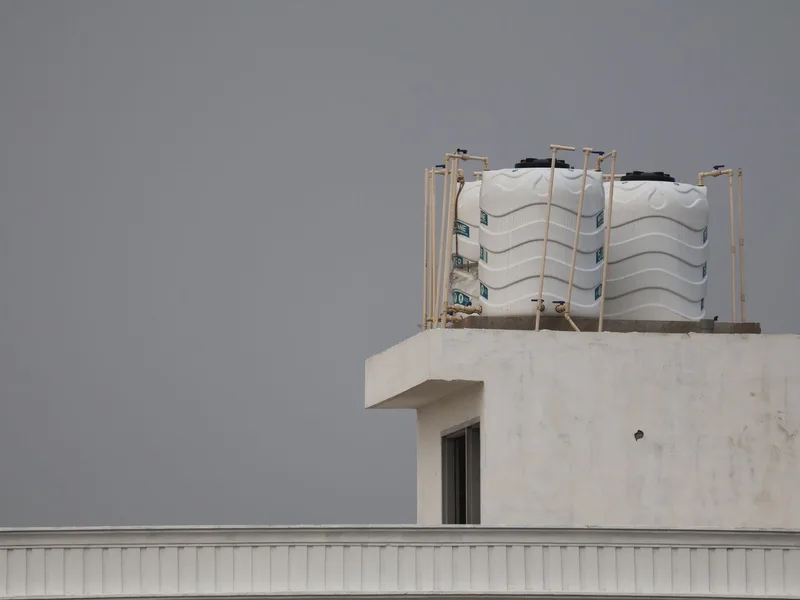
Around the roof tank
The water tank on a new villa roof sits near multiple ledges. It is ringed with a separate deterrent at safe distance and cleared of nests and droppings regularly.
How we work
-
1
Survey the roof and the facade
We walk the roof, the projections, the condenser platforms and the shafts, separate the nesting positions from the perching ones, and measure and photograph every ledge.
-
2
Strip the nests and treat the parasites
Droppings are wetted before they are lifted so nothing goes airborne dry, bagged closed, and the nest position is treated for ticks and mites before the surface is sanitised.
-
3
Close and fit
Netting tensioned on a perimeter wire with no gap at the corners, spikes or wire on the narrow projections, metal mesh across vents and shafts, and the roof drains freed of the nest material packing them.
-
4
The follow-up visit
We come back to check the tension, the corners and any position the flock has moved to, and correct what has slackened before a bird finds it.
What bird and pigeon control includes
-

A recorded survey
Every ledge, condenser platform and shaft, photographed, with nesting separated from perching before anything is chosen.
-

Nest removal and drain clearing
Lifted wet rather than swept dry, bagged closed, and the roof drains freed of the nest material packing them.
-

Parasite treatment and sanitising
The nest position treated for ticks and mites, then the surface the droppings sat on sanitised.
-

Sealing and fitting the deterrents
Netting tensioned on a perimeter wire, spikes or wire on narrow projections, and metal mesh across ventilation openings.
-

Aftercare instructions
The condensate water, food left on the roof, and what should not sit beside a ledge if the attraction is to stay gone.
-

A follow-up on tension and corners
Netting slackens and corners open over time; the visit corrects that and closes any new position.
What is different about Taybah Sub-Municipality
Taybah sub municipality covers the newly built districts of north east Jeddah along Al Haramain Road and Asfan Road. New villas and apartment buildings stand among vacant plots, building sites and half finished subdivisions. Al Hamdaniyah is the oldest and densest part with its markets and shops, while Al Furusiyah, Al Bashair, Al Rahmaniyah, Al Falah and Al Salihiyah are mostly recent. The ground is inland and away from the sea, dry and dusty, rest houses, camps and stables on the fringes draw flies and crawling insects, and constant digging and construction stirs rodents out of the empty plots.
Questions about this district
Vacant land beside the new villa is packed with enormous pigeon flocks, how do we manage this?
We cannot place deterrents on land still under development. We focus on protecting the villa itself with strong barriers on every ledge and roof, and reassess once neighbouring construction finishes.
The nearby stable is full of pigeons, will this affect the outcome on the villa?
Significantly. The stable supplies food, water and shelter. We recommend treating the stable itself or at minimum clearing it regularly. Pigeons from the stable will reach the villa unless the source is addressed.
Nests are under the new villa in exposed foundations and pipework, can you reach them?
We reach exposed foundations from beneath the villa or from its sides, remove nests and droppings, and seal large gaps with solid materials before construction finishes.
Does constant dust and building activity damage the deterrents you install?
Dust coats deterrents but does not impair function. Excavations may shift weak deterrents, so we use heavy duty fixing that resists dust and vibration.
The rest house has permanent pools that attract huge numbers of pigeons?
Water and shade under eaves draw pigeons strongly. We recommend covering pools or reducing their depth, and installing deterrents on rest house roofs and around their tanks.
The district is new with few residents, does this stop pigeons returning?
Pigeons seek water, food and shelter, not people. Few residents do not deter them; rather, abundant gaps and exposed foundations attract them more.
How much does bird and pigeon control in Al Furusiyah cost?
It is set after the inspection, because the price follows the type of infestation, the size of the space, how far it has spread and the number of visits it needs. Send a photo and a description on WhatsApp and we will give you an estimate before we reach Al Furusiyah.
Nearby districts we cover
Other services in Al Furusiyah
Other services we provide to residents of Al Furusiyah.
-
 Residential
Cockroach control
Residential
Cockroach control
-
 Residential
Bed bug control
Residential
Bed bug control
-
 Residential
Termite control
Residential
Termite control
-
 Residential
Rodents and mice
Residential
Rodents and mice
-
 Residential
Mosquito control
Residential
Mosquito control
-
 Residential
Fly control
Residential
Fly control
-
 Residential
Ant control
Residential
Ant control
-
 Residential
Gecko control
Residential
Gecko control
-
 Residential
Scorpion control
Residential
Scorpion control
-
 Residential
Snake control
Residential
Snake control
-
 Residential
Flea control
Residential
Flea control
-
 Residential
Preventive treatment
Residential
Preventive treatment
-
 Residential
Disinfection
Residential
Disinfection
-
 Commercial
Annual contracts
Commercial
Annual contracts
-
 Commercial
Restaurants and cafes
Commercial
Restaurants and cafes
-
 Commercial
Hotels and apartments
Commercial
Hotels and apartments
-
 Commercial
Warehouses and factories
Commercial
Warehouses and factories
-
 Commercial
Schools and nurseries
Commercial
Schools and nurseries
-
 Commercial
Retail and malls
Commercial
Retail and malls
-
 Commercial
Rest houses and farms
Commercial
Rest houses and farms
-
 Commercial
Fumigation
Commercial
Fumigation
-
 Water tanks
Water tank cleaning
Water tanks
Water tank cleaning
-
 Water tanks
Water tank sterilization
Water tanks
Water tank sterilization
-
 Water tanks
Water tank sealing
Water tanks
Water tank sealing
-
 Water tanks
Tank leak repair
Water tanks
Tank leak repair
Need bird and pigeon control in Al Furusiyah? Tell us what you saw and we will tell you what it needs
We reach Al Furusiyah at a time we agree, and you get the full cost before we start.