
Bird and pigeon control in Al Hajun Makkah
Al Hajun is an old district north west of the Grand Mosque on the slopes of Jabal Al Hajun, near the Al Mualla cemetery. Close set buildings on narrow lanes with aged services mean roofs and ledges are irregular and uneven, so pigeons and birds find nesting spots easily in small openings and narrow balconies scattered across the hillside.
-
Targeted, not broadcast
Product goes into cracks and runways, never sprayed across open surfaces.
-
Told before we start
What we will use, where it goes, and what to cover or move before we arrive.
-
A follow-up visit
We return after the first treatment, because what survives it does not show on the day.
-
Homes and businesses
Apartments and villas, and kitchens and stores that need a record of each visit.
Why they keep coming back in Al Hajun
The old buildings have roofs of different heights and uneven ledges, and water leaking from aged tanks and ancient drainage networks leaves persistent dampness that attracts birds seeking water and shelter. The method is set out in full on what Bird and pigeon control involves.
Uneven rooflines and irregular building profiles
Old buildings in Al Hajun have roofs at many different heights and angles, broken ledges and uneven edges, quite unlike the flat level roofs of modern blocks. Each deterrent must be custom shaped to fit the actual edge angle and roof contour, not a standard size.
Close packed housing and small hidden openings
Buildings are very tightly set, gaps between them are narrow, and small openings and balconies are many but scattered. Birds shelter in these tight spaces and cracks, so removing nests in one location may see them appear in another gap only metres away within the same cluster.
Aged water tanks and constant seepage
Old water tanks on roofs leak constantly, wet pipes and connections attract pigeons to drink, and standing moisture on the roof surface encourages birds to stay and nest because they find water and the shelter of the pipes all in one place.
Al Hajun on the map
Al Hajun sits about 0.5 km from Al Bayban and about 1.5 km from Al Diyafah.
Open in Google MapsThe building decides which deterrent works
Al Hajun is a historic district north west of the Grand Mosque on the slope of Jabal Al Hajun, with the Al Mualla cemetery nearby. Old buildings stand close together on narrow streets served by ageing infrastructure that includes the Second Ring Road and Ain Zubaidah Street.
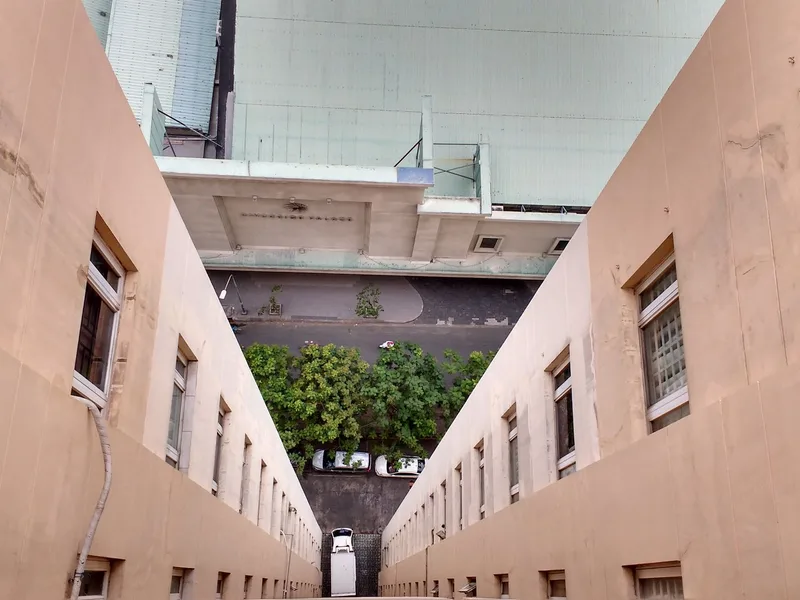
Ledge width
The ledges of old buildings in Al Hajun are uneven and broken in places, so the deterrent needs custom design with fasteners and bases that match the actual ledge rather than a standard specification.
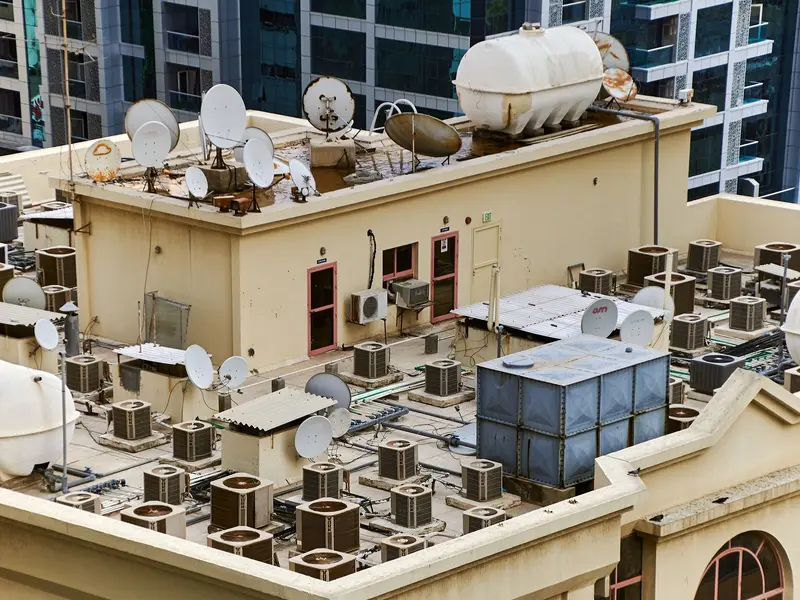
Air conditioning platforms
Old air conditioning units and pipework from decades past leave gaps and water seepage, and pigeons use these damp pipes as routes and nesting cavities before any deterrent is fitted.
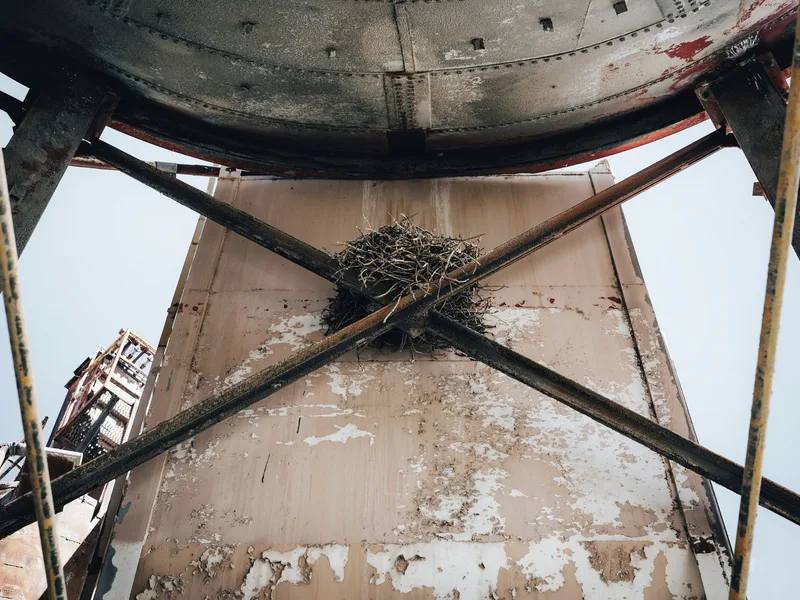
The nest itself
Nests in old buildings hold more droppings and parasites, and cleaning is harder and requires full treatment before the permanent deterrent can be secured in place.
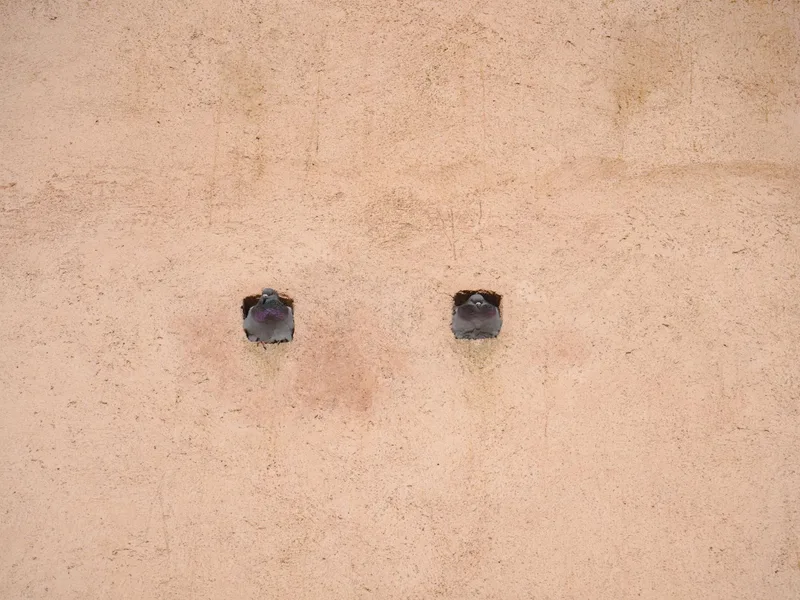
The droppings pattern
Droppings from old nests fall directly onto small balconies, narrow windows and the flats below, and cleanup in the old close packed neighbourhood is slower, so the visible impact lasts longer.
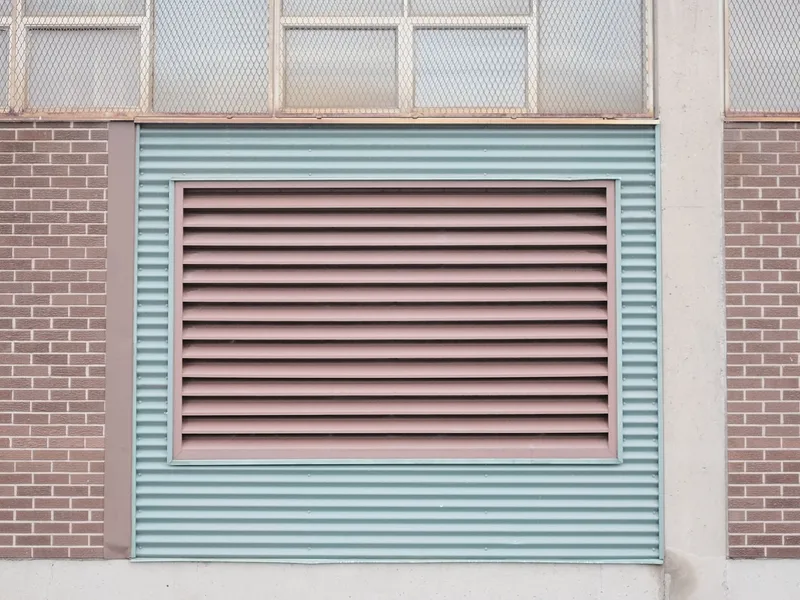
Openings and shafts
Openings and ventilation shafts are very numerous in old tightly packed buildings, and some are unprotected because of age and decay, so birds enter through them into flats and roof spaces.
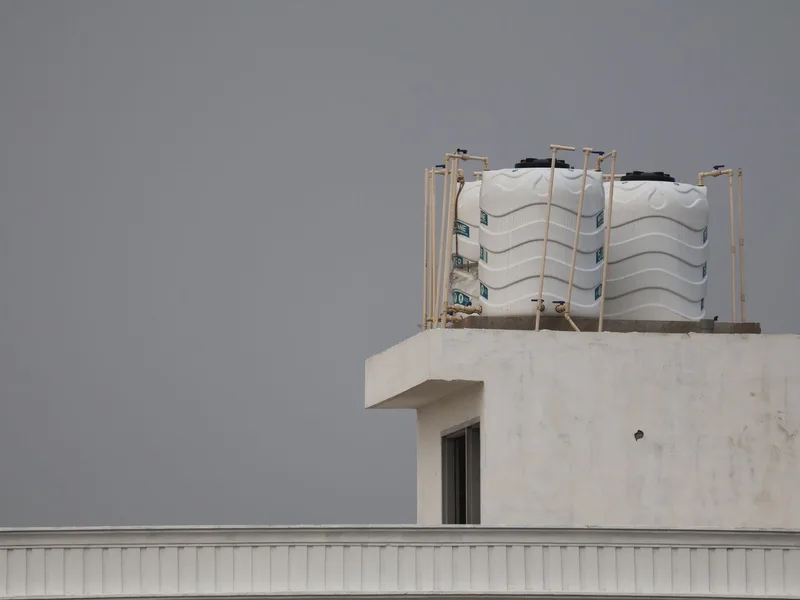
Around the roof tank
Old water tanks sit surrounded by rusty pipes attached directly to the wall, constant seepage keeps the surrounding area very damp, and pigeons seek them out for drinking water and the cool shelter of the pipes.
How we work
-
1
Survey the roof and the facade
We walk the roof, the projections, the condenser platforms and the shafts, separate the nesting positions from the perching ones, and measure and photograph every ledge.
-
2
Strip the nests and treat the parasites
Droppings are wetted before they are lifted so nothing goes airborne dry, bagged closed, and the nest position is treated for ticks and mites before the surface is sanitised.
-
3
Close and fit
Netting tensioned on a perimeter wire with no gap at the corners, spikes or wire on the narrow projections, metal mesh across vents and shafts, and the roof drains freed of the nest material packing them.
-
4
The follow-up visit
We come back to check the tension, the corners and any position the flock has moved to, and correct what has slackened before a bird finds it.
What bird and pigeon control includes
-

A recorded survey
Every ledge, condenser platform and shaft, photographed, with nesting separated from perching before anything is chosen.
-

Nest removal and drain clearing
Lifted wet rather than swept dry, bagged closed, and the roof drains freed of the nest material packing them.
-

Parasite treatment and sanitising
The nest position treated for ticks and mites, then the surface the droppings sat on sanitised.
-

Sealing and fitting the deterrents
Netting tensioned on a perimeter wire, spikes or wire on narrow projections, and metal mesh across ventilation openings.
-

Aftercare instructions
The condensate water, food left on the roof, and what should not sit beside a ledge if the attraction is to stay gone.
-

A follow-up on tension and corners
Netting slackens and corners open over time; the visit corrects that and closes any new position.
Landmarks of Al Hajun
In Al Hajun the building position is fixed by Al Mualla Cemetery and the Second Ring Road where we reach it. The old roofscapes and closely bunched buildings around Hajun Street need coordinated treatment across multiple openings set close together.
- Al Mualla Cemetery
- Jabal Al Hajun
- Hajun Street
- Second Ring Road
- Omar ibn Al Khattab Road
- Ain Zubaidah Street
Questions about this district
There is a nest built into the old pipes on our roof. How can you reach it safely?
We climb via the narrow stairs and carefully separate the aged piping to reach the nest, remove it and the droppings and any parasites, then fit a guard around the pipes themselves and seal gaps around the tank opening.
The neighbourhood is very close packed and buildings touch each other. Will pigeons come back from next door?
Yes, if neighbouring buildings are not treated pigeons can cross directly from them to yours. We recommend coordinating with your neighbours to secure shared openings, balconies and the common boundary edges with deterrents.
Our old tank leaks water all the time. Is that why the pigeons stay?
Yes, constant seepage provides fresh water and keeps soil damp, which draws birds to stay and nest. We recommend fixing the leak or replacing the tank, and the deterrent prevents them from reaching the roof area itself.
The street below is narrow and pigeons nest in our balcony and windows. Can they enter the flat?
Yes, pigeons can enter through open windows or an unscreened balcony. We secure windows and balconies with fine netting, clear any nests outside, and we recommend keeping windows shut during early morning hours when birds are most active.
The building is very old and the roofs and ledges are broken. What can be done?
We inspect the roofs and ledges carefully and identify nesting positions, remove the nests and droppings, then fit flexible deterrents that adapt to uneven ledges and sloping rooflines wherever the birds have settled.
Hajun Street below is busy with restaurants. Do pigeons come up from there?
Yes, food scraps and waste from restaurants on the street below attract birds upward to your roof and balcony. The deterrent stops them from landing on the roof itself, but securing your windows and openings with netting is also wise as a second layer of protection.
How much does bird and pigeon control in Al Hajun cost?
It is set after the inspection, because the price follows the type of infestation, the size of the space, how far it has spread and the number of visits it needs. Send a photo and a description on WhatsApp and we will give you an estimate before we reach Al Hajun.
Nearby districts we cover
Other services in Al Hajun
Other services we provide to residents of Al Hajun.
-
 Residential
Cockroach control
Residential
Cockroach control
-
 Residential
Bed bug control
Residential
Bed bug control
-
 Residential
Termite control
Residential
Termite control
-
 Residential
Rodents and mice
Residential
Rodents and mice
-
 Residential
Mosquito control
Residential
Mosquito control
-
 Residential
Fly control
Residential
Fly control
-
 Residential
Ant control
Residential
Ant control
-
 Residential
Gecko control
Residential
Gecko control
-
 Residential
Scorpion control
Residential
Scorpion control
-
 Residential
Snake control
Residential
Snake control
-
 Residential
Flea control
Residential
Flea control
-
 Residential
Preventive treatment
Residential
Preventive treatment
-
 Residential
Disinfection
Residential
Disinfection
-
 Commercial
Annual contracts
Commercial
Annual contracts
-
 Commercial
Restaurants and cafes
Commercial
Restaurants and cafes
-
 Commercial
Hotels and apartments
Commercial
Hotels and apartments
-
 Commercial
Warehouses and factories
Commercial
Warehouses and factories
-
 Commercial
Schools and nurseries
Commercial
Schools and nurseries
-
 Commercial
Retail and malls
Commercial
Retail and malls
-
 Commercial
Rest houses and farms
Commercial
Rest houses and farms
-
 Commercial
Fumigation
Commercial
Fumigation
-
 Water tanks
Water tank cleaning
Water tanks
Water tank cleaning
-
 Water tanks
Water tank sterilization
Water tanks
Water tank sterilization
-
 Water tanks
Water tank sealing
Water tanks
Water tank sealing
-
 Water tanks
Tank leak repair
Water tanks
Tank leak repair
Need bird and pigeon control in Al Hajun? Tell us what you saw and we will tell you what it needs
We reach Al Hajun at a time we agree, and you get the full cost before we start.