
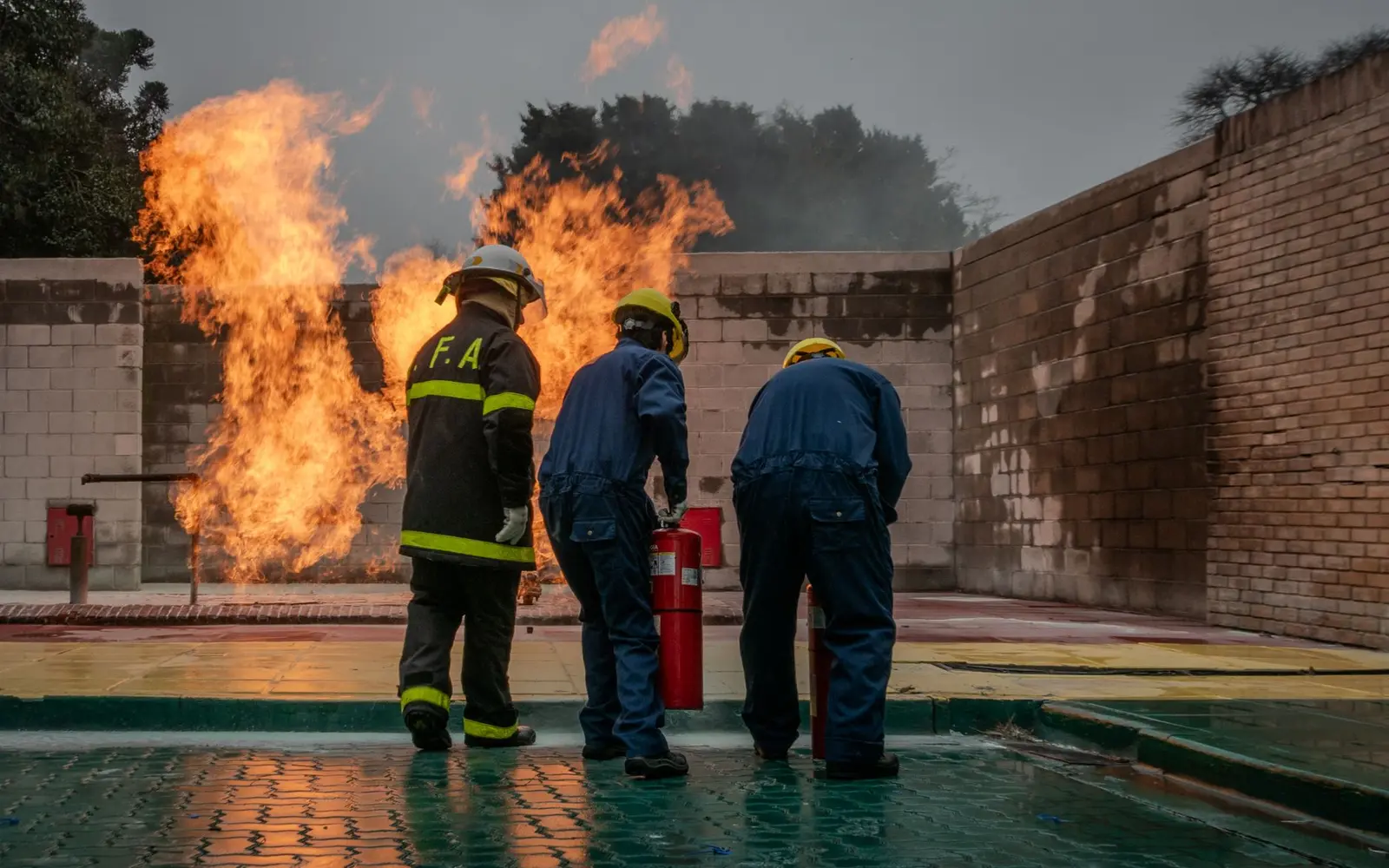
Bird and pigeon control in Al Jamiah Jeddah
Al Jamiah is an established district north of Old Makkah Road, with apartment blocks and shops stacked around Al Jamiah Roundabout near Andalusia Hospital. The district nests on itself: buildings sit shoulder to shoulder, roofs are level and shared, entrances are common and neighbours' windows are very close. Pigeons move between units as if they occupy one flat. Treating one flat leaves your neighbour sending birds to you, and the street itself needs a single unified approach, not ten separate ones.
-
Targeted, not broadcast
Product goes into cracks and runways, never sprayed across open surfaces.
-
Told before we start
What we will use, where it goes, and what to cover or move before we arrive.
-
A follow-up visit
We return after the first treatment, because what survives it does not show on the day.
-
Homes and businesses
Apartments and villas, and kitchens and stores that need a record of each visit.
Why they keep coming back in Al Jamiah
Residents in Al Jamiah report that pigeons come in waves from the roundabout and from shops and restaurants, on a schedule: heavier after breakfast, lunch and dinner when street rubbish piles up. The method is set out in full on the full Bird and pigeon control page.
Al Jamiah Roundabout gathers birds from every direction
The roundabout is open with trees and water from irrigation fountains, and pigeons gather there in large flocks before dispersing to surrounding blocks. Treating pigeons in Al Jamiah must begin at the roundabout itself, not only at building ledges.
Shops and restaurants supply food every minute of the day
Markets and eateries open directly onto the street and scraps pile up outside doors. Pigeons feed all day and never stop appearing. There is no quiet period in Al Jamiah without birds.
Tightly packed buildings let pigeons move freely between them
Blocks sit side by side, roofs are level and gaps are narrow. Pigeons cross from building to building without dropping to the street. Treating one block leaves your neighbour's block sending pigeons to you easily.
The character of Al Jamiah
Apartment district: residential blocks, repeated floors and shared entrances
Apartments mean responsibility is shared: pigeons move from neighbour to neighbour along the street. Treating your flat alone may fail if your neighbour does not act too. Coordinated treatment across the district works better than individual flats working alone.
The building decides which deterrent works
An old district north of Old Makkah Road. Tightly packed apartment blocks with shops, restaurants and small markets busiest around Al Jamiah Roundabout and Andalusia Hospital where Abdullah Sulaiman Street meets Al Jamiah Road, with Stadium Road on the eastern edge.
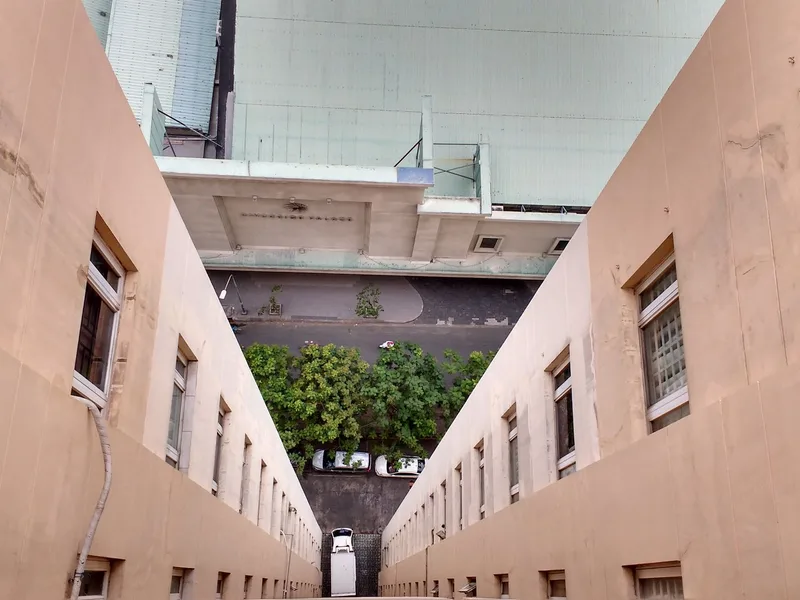
Ledge width
Ledges in Al Jamiah are uniform because old apartment buildings followed standard designs, but they are affected by moisture from shops and restaurants operating below.
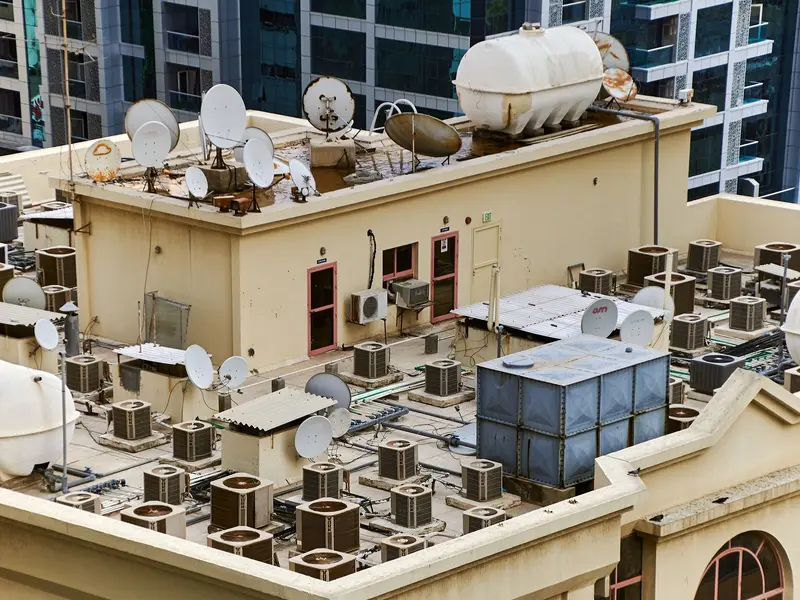
Air conditioning platforms
Air conditioning outlets on building roofs supply water and bird access from above.
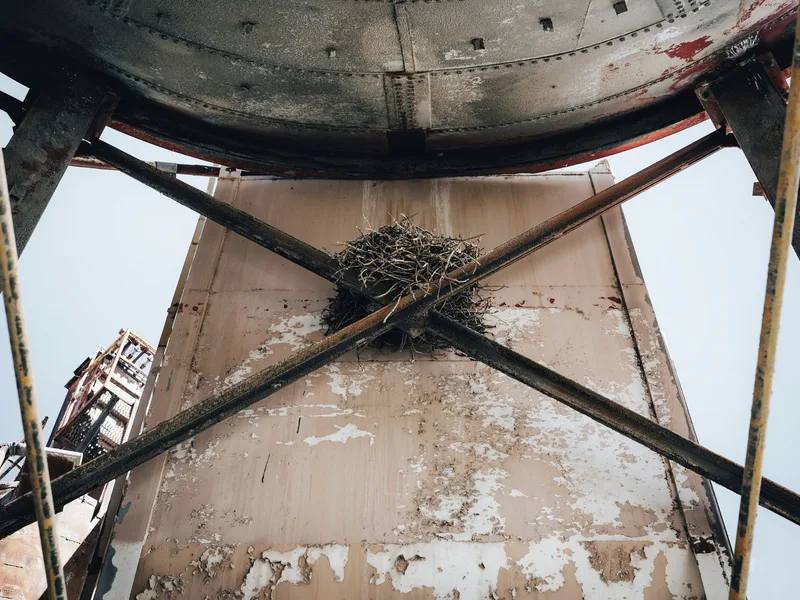
The nest itself
Nests here sit on ledges of apartment fronts, shared balconies and gaps between units, not on open roofs.
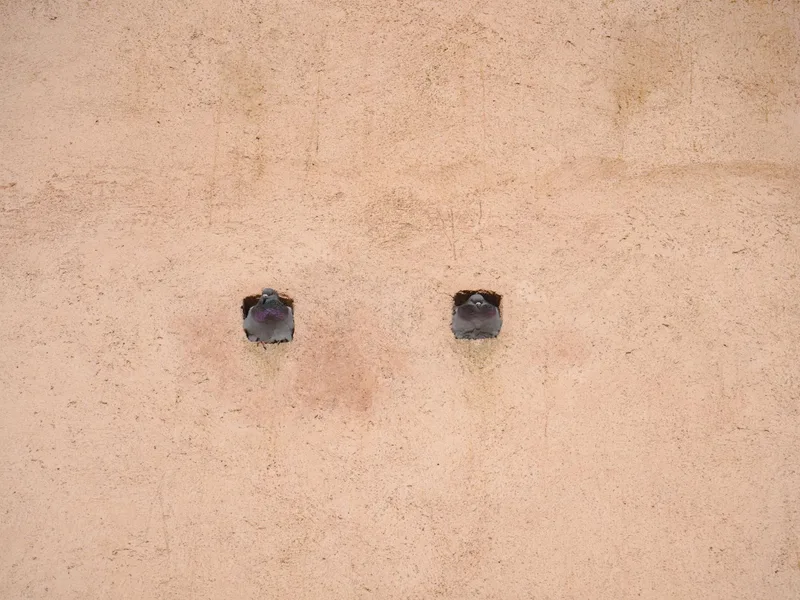
The droppings pattern
Droppings accumulate rapidly on lower floor windows because the district is crowded.
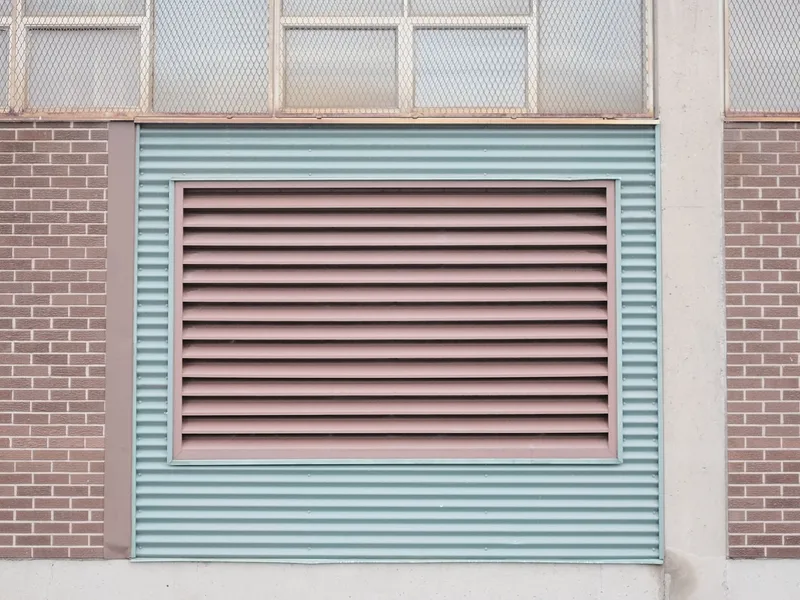
Openings and shafts
Ventilation openings between flats and in shared stairs provide routes for pigeons to move between units.
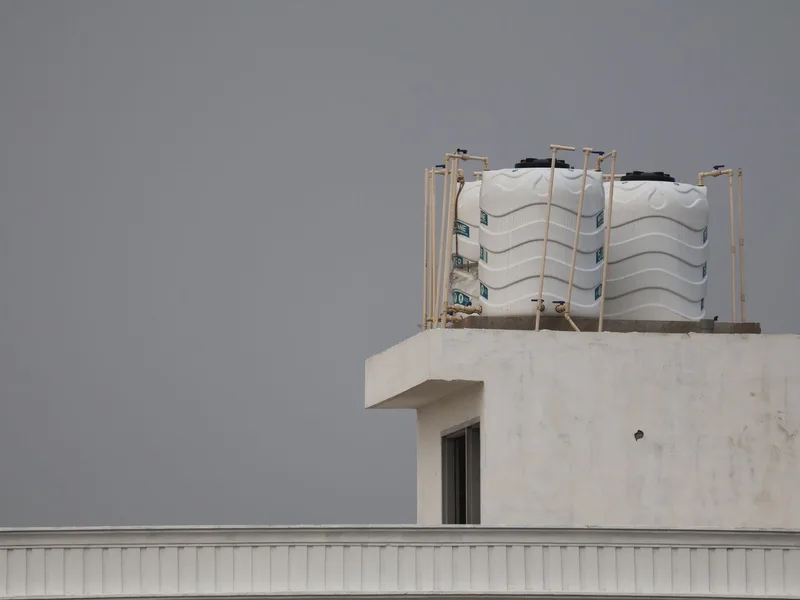
Around the roof tank
Roof water tanks in Al Jamiah are critical because the district is dense and street water is not always readily available.
How we work
-
1
Survey the roof and the facade
We walk the roof, the projections, the condenser platforms and the shafts, separate the nesting positions from the perching ones, and measure and photograph every ledge.
-
2
Strip the nests and treat the parasites
Droppings are wetted before they are lifted so nothing goes airborne dry, bagged closed, and the nest position is treated for ticks and mites before the surface is sanitised.
-
3
Close and fit
Netting tensioned on a perimeter wire with no gap at the corners, spikes or wire on the narrow projections, metal mesh across vents and shafts, and the roof drains freed of the nest material packing them.
-
4
The follow-up visit
We come back to check the tension, the corners and any position the flock has moved to, and correct what has slackened before a bird finds it.
What bird and pigeon control includes
-

A recorded survey
Every ledge, condenser platform and shaft, photographed, with nesting separated from perching before anything is chosen.
-

Nest removal and drain clearing
Lifted wet rather than swept dry, bagged closed, and the roof drains freed of the nest material packing them.
-

Parasite treatment and sanitising
The nest position treated for ticks and mites, then the surface the droppings sat on sanitised.
-

Sealing and fitting the deterrents
Netting tensioned on a perimeter wire, spikes or wire on narrow projections, and metal mesh across ventilation openings.
-

Aftercare instructions
The condensate water, food left on the roof, and what should not sit beside a ledge if the attraction is to stay gone.
-

A follow-up on tension and corners
Netting slackens and corners open over time; the visit corrects that and closes any new position.
Landmarks of Al Jamiah
The district pivots on Al Jamiah Roundabout and Al Fath Park, which gather residents and pigeons together. Work here starts at the roundabout and spreads to surrounding blocks, requiring understanding of how pigeons move from the park and street markets into neighbouring flats.
- Old Makkah Road
- Al Jamiah Road
- Al Jamiah Roundabout
- Andalusia Hospital Al Jamiah
- Al Fath Park
- Stadium Road
Questions about this district
Al Jamiah Roundabout is very close. Can I reduce watering there to deter pigeons?
The roundabout is public land and not yours, but you can contact the municipality or the neighbourhood committee. Even if they reduce watering, pigeons will come from shops and restaurants. Treating your flat alone may fail if it is not part of a wider district approach.
My flat is on the second floor with an open balcony. Should I close it?
An open balcony provides direct access. You may need netting or a temporary screen door until ledge deterrents are in place. Deterrents on the ledge will reduce landing but an open balcony remains a hazard.
The restaurant below smells of meat and poultry. Do pigeons come for the smell?
Smell provides a signal but pigeons come for actual food and water. If the restaurant leaves scraps beside it or in a yard, pigeons come for food, not smell. Treating the restaurant is essential.
My neighbour in the adjacent flat refuses treatment. Does that affect me?
Directly. Pigeons will move from your neighbour's flat to yours because the gap is tiny. Agree on joint treatment or accept continuous bird traffic from their side.
Stadium Road is close by. Do the sports grounds and gardens there supply extra pigeons?
Stadium facilities supply water, shade and sometimes food dropped by visitors. Yes, there is additional pressure from that direction. Treating Al Jamiah alone may not suffice unless we reduce external sources.
Andalusia Hospital is beside us. Does it attract more pigeons than normal?
The hospital supplies limited food because its standards are high and cleanliness strict. But ledges around it become roost sites because of foot traffic and activity. The hospital itself is safe from pigeons but the surrounding district is under more pressure.
How much does bird and pigeon control in Al Jamiah cost?
It is set after the inspection, because the price follows the type of infestation, the size of the space, how far it has spread and the number of visits it needs. Send a photo and a description on WhatsApp and we will give you an estimate before we reach Al Jamiah.
Nearby districts we cover
Other services in Al Jamiah
Other services we provide to residents of Al Jamiah.
-
 Residential
Cockroach control
Residential
Cockroach control
-
 Residential
Bed bug control
Residential
Bed bug control
-
 Residential
Termite control
Residential
Termite control
-
 Residential
Rodents and mice
Residential
Rodents and mice
-
 Residential
Mosquito control
Residential
Mosquito control
-
 Residential
Fly control
Residential
Fly control
-
 Residential
Ant control
Residential
Ant control
-
 Residential
Gecko control
Residential
Gecko control
-
 Residential
Scorpion control
Residential
Scorpion control
-
 Residential
Snake control
Residential
Snake control
-
 Residential
Flea control
Residential
Flea control
-
 Residential
Preventive treatment
Residential
Preventive treatment
-
 Residential
Disinfection
Residential
Disinfection
-
 Commercial
Annual contracts
Commercial
Annual contracts
-
 Commercial
Restaurants and cafes
Commercial
Restaurants and cafes
-
 Commercial
Hotels and apartments
Commercial
Hotels and apartments
-
 Commercial
Warehouses and factories
Commercial
Warehouses and factories
-
 Commercial
Schools and nurseries
Commercial
Schools and nurseries
-
 Commercial
Retail and malls
Commercial
Retail and malls
-
 Commercial
Rest houses and farms
Commercial
Rest houses and farms
-
 Commercial
Fumigation
Commercial
Fumigation
-
 Water tanks
Water tank cleaning
Water tanks
Water tank cleaning
-
 Water tanks
Water tank sterilization
Water tanks
Water tank sterilization
-
 Water tanks
Water tank sealing
Water tanks
Water tank sealing
-
 Water tanks
Tank leak repair
Water tanks
Tank leak repair
Need bird and pigeon control in Al Jamiah? Tell us what you saw and we will tell you what it needs
We reach Al Jamiah at a time we agree, and you get the full cost before we start.